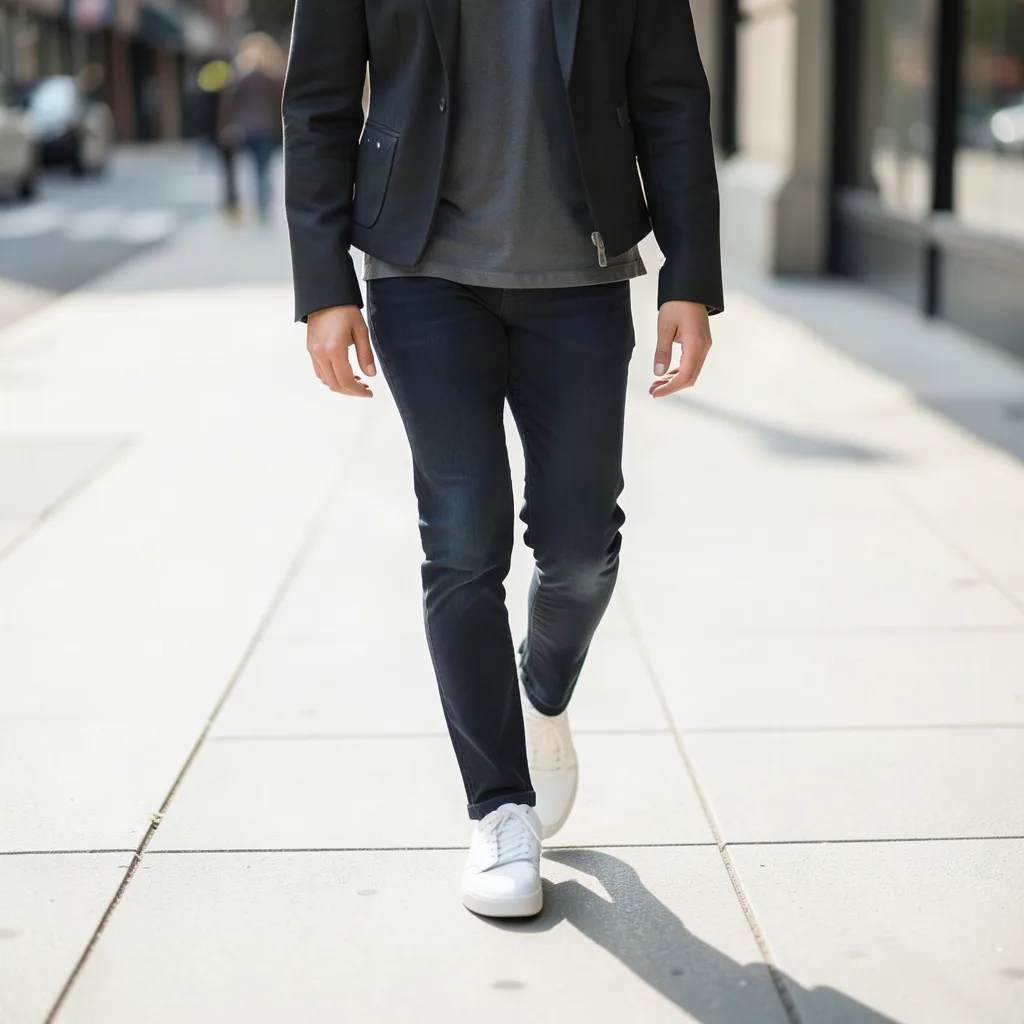
When a celebrity steps onto a red carpet, a runway, or even a casual outing, their footwear often steals the spotlight. Sneakers have evolved from gym‑room basics to coveted fashion statements, and the stars of Hollywood, music, and sport have become the most influential curators of this trend. In this guide we’ll explore the most frequently spotted sneaker models, why they resonate with the famous, and how you can bring that same star‑studded flair to your own closet without compromising comfort or budget.
Key takeaways
- Invest in timeless classics like the Nike Air Force 1 or Converse Chuck Taylor for versatile, celebrity-approved style that fits any budget.
- Maintain your sneaker collection by using proper cleaning tools, protective sprays, and shoe trees to preserve their aesthetic and structural integrity.
- Use resale platforms like StockX or GOAT to securely purchase authentic limited-edition models while avoiding the risk of counterfeit products.
- Replicate high-end runway looks affordably by focusing on similar silhouettes and colorways from reliable retailers rather than buying expensive designer labels.
- Pair low-profile, clean-lined sneakers with tailored suits to master the effortless, sophisticated look currently trending on red carpets.
The Rise of Celebrity Sneaker Culture
Over the past decade, sneakers have transitioned from functional athletic gear to high‑fashion staples. The shift began when musicians like Kanye West and Pharrell Williams started collaborating with major brands, turning limited‑edition drops into cultural events. Social media amplified this effect: a single Instagram story from a celebrity can cause a sneaker to sell out in minutes. This phenomenon has created a feedback loop where designers prioritize “celebrity‑ready” aesthetics—bold silhouettes, eye‑catching colorways, and premium materials—knowing that a single high‑profile endorsement can launch a model into iconic status.
For everyday fans, the allure lies in the blend of exclusivity and relatability. Sneakers are wearable art that can be paired with jeans, dresses, or athleisure, making them a versatile entry point into the world of celebrity style. Understanding which models dominate the celebrity circuit helps you make informed purchases that feel current and authentic.
Timeless Classics: Air Force 1 & Chuck Taylor All Star
Two sneakers have achieved near‑mythic status among celebrities: the Nike Air Force 1 and the Converse Chuck Taylor All Star. Their longevity isn’t accidental; both offer a clean canvas that adapts to any outfit. Air Force 1s, introduced in 1982, combine a sturdy leather upper with a thick sole that adds subtle height. Celebrities such as Drake, Beyoncé, and Travis Scott have been photographed in various colorways, from crisp white to bold “Triple White” editions.
Converse Chuck Taylors, first released in 1917, deliver a minimalist silhouette that works equally well with a tailored blazer or a street‑wear hoodie. Stars like Harry Styles and Zendaya frequently choose high‑top versions for their vintage vibe. When selecting a pair, consider the following:
- Material: Full‑grain leather Air Force 1s provide durability, while canvas Chucks offer breathability.
- Color: White remains the safest choice for versatility; however, limited‑edition hues can add a personal touch.
- Fit: Air Force 1s tend to run true to size, whereas Chucks may need a half‑size up for a snug toe box.
Both models are widely available at major retailers and can be found in second‑hand marketplaces at a fraction of their original price, making them accessible entry points for any sneaker enthusiast.
Luxury Statements: Balenciaga Triple S & Gucci Rhyton
When a celebrity wants to make a bold, runway‑worthy statement, they often turn to luxury sneaker houses. The Balenciaga Triple S, with its exaggerated, multi‑layered sole and chunky silhouette, became a status symbol after being embraced by the likes of Kylie Kardashian and Bella Hadid. Its design blurs the line between footwear and sculpture, demanding attention in any setting.
Gucci’s Rhyton line offers a different kind of opulence: sleek lines, the iconic double‑G logo, and occasional embellishments such as gold‑tone hardware or embroidered motifs. Celebrities like Rihanna and Timothée Chalamet have been spotted wearing the Rhyton, pairing it with tailored suits for a high‑low aesthetic.
Key considerations for luxury sneakers include:
- Investment Potential: While not all luxury sneakers appreciate in value, limited releases often retain resale worth.
- Comfort: The Triple S’s thick sole can feel heavy; try them on with thick socks to gauge comfort.
- Care: Premium leather requires regular conditioning to prevent cracks.
Because of their price points—typically $600–$1,200—budget‑conscious fans often look for similar silhouettes from diffusion lines or resale platforms that verify authenticity.
Street‑Ready Essentials: Yeezy Boost 350 & Adidas Forum
Kanye West’s Yeezy Boost 350 revolutionized the sneaker market with its seamless knit upper, responsive Boost midsole, and muted color palette. The model’s “drop” culture has turned each release into a cultural event, with celebrities like Cardi B and Lil Nas X frequently showcasing limited editions on social media. The Boost technology offers a plush, energy‑returning ride that makes the shoe comfortable for all‑day wear.
Adidas Forum, originally a basketball shoe from the 1980s, has been revived in contemporary colorways and collaborations. Its distinctive strap and chunky sole have attracted stars such as J. Cole and Gigi Hadid, who appreciate its retro vibe paired with modern streetwear.
When deciding between these two, keep the following in mind:
- Fit: Yeezys run narrow; consider ordering a half‑size up if you have a wider foot.
- Versatility: Forum’s strap adds visual interest, making it a strong choice for outfits that need a focal point.
- Availability: Yeezy Boost 350s often sell out within minutes; using reputable sneaker bots or entering raffles can improve your chances.
Both models are excellent for creating a low‑key yet high‑impact look that feels current without being overly flashy.
Comfort Meets Style: New Balance 990 & Asics Gel‑Lyte III
While many celebrities gravitate toward high‑profile releases, several have championed the understated comfort of New Balance 990 and Asics Gel‑Lyte III. The 990, originally launched in 1982 as a “premium running shoe,” now serves as a heritage staple for stars like Hailey Bieber and Chris Hemsworth. Its suede and mesh construction offers a breathable yet supportive fit, and the iconic “N” logo adds subtle branding.
Asics Gel‑Lyte III, known for its split‑tongue design, provides a retro aesthetic coupled with modern cushioning. Celebrities such as J. Cole and Selena Gomez have been photographed in limited‑edition colorways, often pairing the shoe with relaxed denim or athleisure sets.
Practical tips for these models include:
- Break‑in Period: Both shoes benefit from a short break‑in to allow the midsoles to fully adapt to your gait.
- Styling: Pair the 990 with tapered chinos for a smart‑casual look; combine Gel‑Lyte III with joggers and a bomber jacket for an effortless street style.
- Longevity: Replace the laces annually to maintain a fresh appearance.
These options prove that you don’t need a sky‑high price tag to achieve a celebrity‑approved sneaker wardrobe.
Budget‑Friendly Duplicates: How to Get the Look for Less
Not everyone can afford a $800 Balenciaga Triple S, but the market is rich with “dupe” options that capture the essence of high‑end designs. For example, the Puma RS‑X offers a chunky silhouette reminiscent of the Triple S at a price point under $100. Similarly, the Adidas Originals “Nizza” mimics the clean lines of a Yeezy Boost 350 in a more affordable canvas version.
When hunting for dupes, follow these guidelines:
- Research Materials: Look for genuine suede or nubuck rather than cheap synthetic leather to ensure durability.
- Check Reviews: User feedback often highlights fit quirks and true‑to‑size information.
- Shop Reputable Sellers: Platforms like ASOS, Zappos, and Nordstrom carry quality alternatives that avoid the counterfeit pitfalls common on some marketplace sites.
By focusing on silhouette, colorway, and overall aesthetic, you can replicate the celebrity vibe without compromising on comfort or breaking the bank.
Caring for Your Kicks: Maintenance Tips
Even the most coveted sneakers lose their appeal when they look worn out. Proper maintenance extends the life of your shoes and keeps them looking runway‑ready. Here are actionable steps you can adopt:
- Regular Cleaning: Use a soft brush and a mild soap solution for canvas and leather uppers. For suede, a suede eraser or a dry brush works best.
- Protective Sprays: Apply a water‑repellent spray designed for the shoe’s material—leather, canvas, or suede—to guard against stains.
- Midsole Care: Wipe the midsole with a damp cloth to remove dirt buildup that can affect the shoe’s aesthetics.
- Storage: Keep sneakers in a cool, dry place. Use shoe trees or stuff them with tissue paper to retain shape.
- Rotation: Alternate between at least two pairs to allow each pair to air out and reduce wear on any single pair.
Adopting these habits not only preserves the visual appeal but also maintains the structural integrity of high‑performance cushioning technologies like Boost or Gel.
Where to Shop: Authentic Sources & Resale Platforms
Finding authentic sneakers—especially limited releases—requires a blend of patience and strategic sourcing. Below are trusted avenues:
- Brand Websites: Nike SNKRS, Adidas Confirmed, and Gucci’s official store often host direct releases and provide size guarantees.
- Authorized Retailers: Stores like Foot Locker, END., and Dover Street Market receive early allocations for high‑demand models.
- Resale Marketplaces: Platforms such as StockX, GOAT, and Stadium Goods verify authenticity through rigorous inspection processes. While prices may be higher than retail, they eliminate the risk of counterfeit purchases.
- Local Boutiques: Independent sneaker boutiques sometimes secure exclusive colorways and can offer personalized fitting advice.
When purchasing, always verify the seller’s return policy and check for authenticity certificates where applicable. Setting price alerts on resale sites can help you snag a deal when a model’s market price dips.
Inside the Studio: How Celebrity Sneaker Collaborations Come to Life
When a name like Kanye West or Virgil Abloh appears on a sneaker release, most fans assume the design simply drops from the brand’s creative department. In reality, the process is a multi‑stage negotiation that blends artistic vision, marketing strategy, and legal contracts. Below is a step‑by‑step look at how a celebrity collaboration typically unfolds, illustrated with recent case studies.
- Concept Pitch: The celebrity’s team submits a mood board that includes color palettes, cultural references, and target demographics. For example, Travis Scott presented a “cactus‑green” theme for his Nike Air Max 97 drop, inspired by his Texas roots.
- Design Lab Sessions: Brand designers and the celebrity (or their appointed creative director) meet in a studio—often in New York, Los Angeles, or Milan—to sketch prototypes. These sessions can span weeks, with each iteration reviewed for silhouette, material, and branding placement.
- Material Sourcing: Luxury collaborations frequently involve exotic leathers, recycled ocean plastics, or hand‑woven textiles. In the Gucci x The North Face partnership, the designers sourced a proprietary waterproof canvas that met both performance and runway aesthetics.
- Prototyping & Testing: Engineers create functional samples that undergo wear tests. Celebrities often participate in these trials, providing feedback on cushioning, weight, and on‑foot feel. Rihanna famously requested a softer midsole on her Fenty x Puma line after a long studio session left her feet sore.
- Marketing & Release Strategy: Brands decide whether the drop will be a limited “drop” (e.g., 5,000 pairs) or a broader release. Social‑media teasers, cryptic videos, and pop‑up events build hype. The Balenciaga Triple S “Café” colorway leveraged an Instagram story that showed a barista pouring coffee over the shoe, creating viral buzz.
- Legal & Revenue Sharing: Contracts outline royalty percentages, often ranging from 2‑10% of wholesale price, and stipulate rights for future re‑releases. Some deals include profit‑sharing for charitable causes, as seen in Adidas x Beyoncé where a portion of sales supported education initiatives.
Understanding these layers helps fans appreciate that a celebrity sneaker is not just a fashion statement—it is the product of a sophisticated, cross‑industry partnership. For collectors, this background can influence resale value: collaborations with transparent, story‑rich development processes often retain higher market demand.
From Streetwear to Red Carpet: Styling Sneakers with Formal Attire
While the original article touched on the versatility of sneakers, it did not explore the nuanced art of pairing them with formalwear—a trend that has become a staple on award shows and high‑profile events. The key is to balance the casual nature of the shoe with the elegance of the outfit, using color harmony, proportion, and accessorizing to elevate the look.
1. Choose the Right Silhouette
Low‑profile models such as the Nike Air Max 90 or sleek leather designs from Common Projects work best with tuxedos or tailored suits. The streamlined shape prevents the shoe from overpowering the suit’s clean lines.
2. Match Materials and Finishes
Leather sneakers complement wool or velvet suits, while suede works well with tweed. A matte black leather sneaker paired with a charcoal wool suit creates a monochromatic aesthetic that feels intentional rather than accidental.
3. Mind the Color Palette
Neutral tones (white, black, navy, taupe) are safest. For a pop of personality, consider a subtle accent—such as a deep burgundy heel tab on a white sneaker—mirroring a pocket square or tie. Celebrities like Harry Styles have mastered this by wearing a white leather sneaker with a pastel suit, allowing the shoe to serve as a quiet statement.
4. Pay Attention to Fit and Length
Shoes should sit just at the ankle or slightly below, ensuring the trousers break correctly. If the sneaker’s tongue is too high, it can disrupt the visual flow of a slim‑fit suit. Tailors often recommend a slight hem adjustment to accommodate the sneaker’s height.
5. Accessorize Thoughtfully
Minimalist accessories—thin metal bracelets, a sleek watch, or a leather‑bound notebook—keep the focus on the shoe‑suit combination. Avoid overly flashy jewelry that could clash with the sneaker’s street‑wear roots.
By following these guidelines, fans can emulate the runway‑ready looks of stars like Zendaya and Timothée Chalamet, who have turned sneakers into a red‑carpet staple without sacrificing sophistication.
DIY Culture: Customizing Sneakers Like a Celebrity
Beyond buying limited‑edition drops, many high‑profile figures turn to customization to make their footwear truly one‑of‑a‑kind. From hand‑painted graphics to laser‑etched logos, the customization market has exploded, offering both DIY enthusiasts and professional artists a platform to collaborate with celebrities.
Hand‑Painted Artistry
Artists such as Jason “Jay” McVeigh have worked with Pharrell Williams to hand‑paint bespoke patterns on Adidas Originals. The process begins with a clean canvas—usually a fresh pair of white canvas sneakers—followed by a primer to ensure paint adhesion. Artists use acrylic paints mixed with fabric medium to prevent cracking. After the design dries, a clear sealant protects the artwork from wear.
Heat‑Transfer and Embroidery
Heat‑transfer vinyl (HTV) allows for intricate logos and text to be applied without permanent alteration. Celebrities like Billie Eilish have used HTV to add reflective lettering to her custom Converse, creating a glow‑in‑the‑dark effect for stage performances. Embroidery, meanwhile, offers a tactile dimension; the Rihanna Fenty line features embroidered motifs that add texture and depth.
Laser Engraving and 3D Printing
Luxury brands now offer laser‑etched monograms on leather uppers. The process uses a precision laser to burn the design into the material without compromising its integrity. For a futuristic twist, some designers incorporate 3D‑printed midsoles with custom cushioning patterns, as seen in Travis Scott’s limited‑edition Nike collaborations.
Legal and Ethical Considerations
When customizing, it’s crucial to respect intellectual property. Using copyrighted logos without permission can lead to takedowns on resale platforms. Many celebrities partner directly with artists, signing contracts that outline royalty splits and credit attribution.
For fans eager to replicate celebrity customizations, reputable services like Custom Ink or local sneaker art studios provide guided workshops. Starting with a simple paint‑by‑numbers kit can build confidence before attempting more complex designs.
Eco‑Chic: Sustainable Sneaker Choices Endorsed by Stars
While the original piece mentioned a few eco‑friendly brands, it did not delve into the broader movement toward sustainability within celebrity culture. Today, high‑profile figures are not only wearing green shoes—they are actively influencing supply chains, material innovation, and consumer behavior.
Materials That Make a Difference
- Recycled Ocean Plastic: Adidas’ Parley line incorporates up to 60% reclaimed marine waste. Leonardo DiCaprio highlighted this collaboration at the 2023 Cannes Film Festival, emphasizing the brand’s commitment to reducing oceanic pollution.
- Plant‑Based Leather Alternatives: Brands like Veja and Allbirds use Piñatex (pineapple leaf fiber) and AppleSkin (apple waste) to create vegan uppers. Zendaya has been spotted wearing a Veja V-10 made from these materials during a sustainability panel.
- Bio‑Based Foam: Nike’s Space Hippie collection utilizes “Flyleather” (a blend of recycled leather fibers) and “ZoomX” foam derived partially from renewable sources, cutting carbon emissions by up to 30% compared to traditional midsoles.
Transparency and Certification
Consumers increasingly demand proof of sustainability. Look for certifications such as Global Recycled Standard (GRS), Leather Working Group (LWG) ratings, or B Corp status. Celebrities often disclose these credentials on social media, providing a trustworthy reference point for fans.
Impact on Resale Value
Eco‑focused sneakers tend to retain value longer, as the market for sustainable fashion grows. Limited runs of vegan collaborations—like the Stella McCartney x Nike vegan Air Max—have seen resale premiums of 20‑35% over retail, reflecting both rarity and ethical appeal.
How Fans Can Join the Movement
- Prioritize brands with clear sustainability reports and third‑party audits.
- Consider second‑hand purchases; platforms like The RealReal verify condition and authenticity, extending the life cycle of each pair.
- Support upcycling initiatives—some designers offer trade‑in programs that transform worn sneakers into new footwear or accessories.
By aligning your sneaker collection with these practices, you echo the choices of celebrities who are turning eco‑consciousness into a fashion statement.
Investing in Kicks: A Guide to Navigating the Sneaker Resale Market
The resale ecosystem has matured into a sophisticated financial arena where sneakers are treated as alternative assets. While the article listed popular platforms, it omitted strategies for assessing risk, forecasting trends, and protecting investments.
Understanding Market Cycles
Just like stocks, sneaker values follow cycles: hype, peak, plateau, and decline. Early hype is driven by celebrity endorsement and limited supply. Peak values often occur within the first 30‑60 days post‑release. After the plateau, prices may stabilize or dip unless the shoe attains “cult classic” status (e.g., Air Jordan 1 Retro High OG).
Key Metrics for Evaluation
- Release Quantity: Shoes with a production run under 5,000 pairs usually appreciate faster. Limited‑edition collaborations (e.g., Travis Scott x Nike Air Force 1) are prime candidates.
- Retail Price vs. Resale Premium: A high premium relative to retail indicates strong demand, but also higher entry cost. Aim for a ratio where resale price is ≤2× retail for sustainable profit margins.
- Historical Performance: Analyze past releases from the same brand or designer. If a designer’s previous drops consistently held value, future releases are likely to follow suit.
- Condition Grading: Platforms assign grades (e.g., “Deadstock,” “Near‑Deadstock”). Higher grades command premium prices; always verify grading criteria before purchasing.
Risk Mitigation Strategies
- Diversify Across Brands: Don’t concentrate solely on one brand; spread investments across Nike, Adidas, and luxury houses to buffer against brand‑specific market fluctuations.
- Set Stop‑Loss Limits: Decide in advance the maximum loss you’re willing to accept. If a shoe’s resale price drops below a predetermined threshold, consider liquidating to preserve capital.
- Utilize Authentication Services: Even on reputable platforms, counterfeit listings occasionally slip through. Use third‑party authentication services for high‑value purchases (> $800) to avoid costly mistakes.
- Monitor Seasonal Trends: Demand spikes around major events—e.g., NBA Finals, Fashion Weeks, or award ceremonies—when celebrities wear specific models on live TV.
Tax Implications
In many jurisdictions, profits from sneaker resale are considered taxable income. Keep detailed records of purchase receipts, sale invoices, and platform fees. Consulting a tax professional can ensure compliance and help you claim legitimate deductions, such as shipping costs and authentication fees.
By applying these analytical tools, collectors can transition from casual buyers to strategic investors, mirroring the savvy approaches of celebrity collectors who treat their sneaker closets as curated portfolios.
Foot Health for the Fashion‑Forward: Maintaining Performance While Keeping Style
Stars often spend hours on set, on stage, or walking red carpets—activities that demand both aesthetic appeal and functional support. While the article touched on comfort, it didn’t explore the biomechanics and preventative care that keep celebrity feet in top condition.
Biomechanics 101
Every foot has a unique arch type—high, normal, or low (pronated). Choosing a sneaker that aligns with your arch can prevent overpronation, plantar fasciitis, and knee strain. Brands now offer “arch‑specific” models: Nike’s Air Zoom Structure for overpronators, and New Balance’s Fresh Foam 1080 for neutral arches.
Impact of Prolonged Standing
On red‑carpet events, celebrities may stand for hours. Shoes with adequate heel cushioning and shock‑absorbing midsoles (e.g., Adidas’ Boost, Asics’ Gel) reduce impact forces by up to 30% compared to flat‑sole sneakers. Adding orthotic inserts can further customize support without compromising style.
Temperature Regulation
Material choice influences foot temperature. Breathable mesh uppers (e.g., Puma RS‑X) prevent overheating, while full‑leather shoes may trap moisture, leading to blisters. Celebrities often carry discreet foot powders or moisture‑wicking liners during long shoots.
Recovery Techniques
- Ice Baths: Submerging feet in a 10‑minute ice bath post‑event reduces inflammation, especially after wearing heavy‑sole sneakers like the Balenciaga Triple S.
- Massage and Myofascial Release: Rolling a lacrosse ball under the foot can alleviate tightness in the plantar fascia, a common issue for those in high‑heeled or thick‑sole footwear.
- Stretching Routines: Simple calf stretches (wall‑lean, towel pull) improve ankle dorsiflexion, allowing for a more natural gait in low‑cut sneakers.
When to Replace
Even the most durable sneaker loses its supportive qualities over time. A quick test: press the midsole with your thumb; if it feels soft or “mushy,” it’s likely past its optimal lifespan. Celebrities often rotate between multiple pairs to extend each shoe’s functional life, a practice fans can emulate by maintaining a small rotation of favorite models.
By integrating these health‑focused practices, you can enjoy the same star‑approved looks while safeguarding your feet for the long haul.
FAQ
Q1: How can I tell if a sneaker is authentic?
A: Examine the stitching, logo placement, and material quality. Authentic pairs usually have consistent branding fonts and correct tag information. Reputable resale platforms provide an authentication guarantee, and many brands embed QR codes or NFC tags that can be scanned via their apps.
Q2: Are there sustainable sneaker options that still look celebrity‑approved?
A: Yes. Brands like Veja, Allbirds, and Adidas’ “Parley” line use recycled or organic materials while delivering modern silhouettes. Pairing these with classic outfits can achieve a high‑style look that aligns with eco‑conscious values.
Q3: My sneakers develop odor quickly—what’s the best way to keep them fresh?
A: Remove the insoles and air them out after each wear. Sprinkle a light layer of baking soda inside the shoe to absorb moisture, and use odor‑control sprays designed for sneakers. Rotating shoes also prevents prolonged moisture buildup.
Q4: I have wide feet; which celebrity‑favored sneakers accommodate a broader fit?
A: New Balance 990, Nike Air Force 1 (especially the “Mid” version), and certain Adidas Originals models offer wider toe boxes. Look for “wide” size options or consider brands that provide specific width measurements.
Q5: How often should I replace my sneakers to maintain both style and foot health?
A: Most experts recommend replacing performance sneakers every 300–500 miles of wear, which typically translates to 6–12 months for regular use. For fashion‑focused pairs, assess the midsole’s compression and the outsole’s tread; if cushioning feels flat or the sole is significantly worn, it’s time for a new pair.
Related posts:
 Nike Unlaced: Female Sneaker Heaven
 White Sneaker Cleaning Hack
 Step Into Compassion: The Best Vegan Shoe Brands Making Waves
 Best-Selling Activewear Brands on Resale Sites
 Spring Step-Up: The Season’s Freshest Sneakers for Every Workout and Lifestyle
 Nike’s New Amazon Deal Announcement
 Dad Sneakers: Chrissy Teigen’s Pick
 The Art of Pairing Dresses with Sneakers for Effortless Style