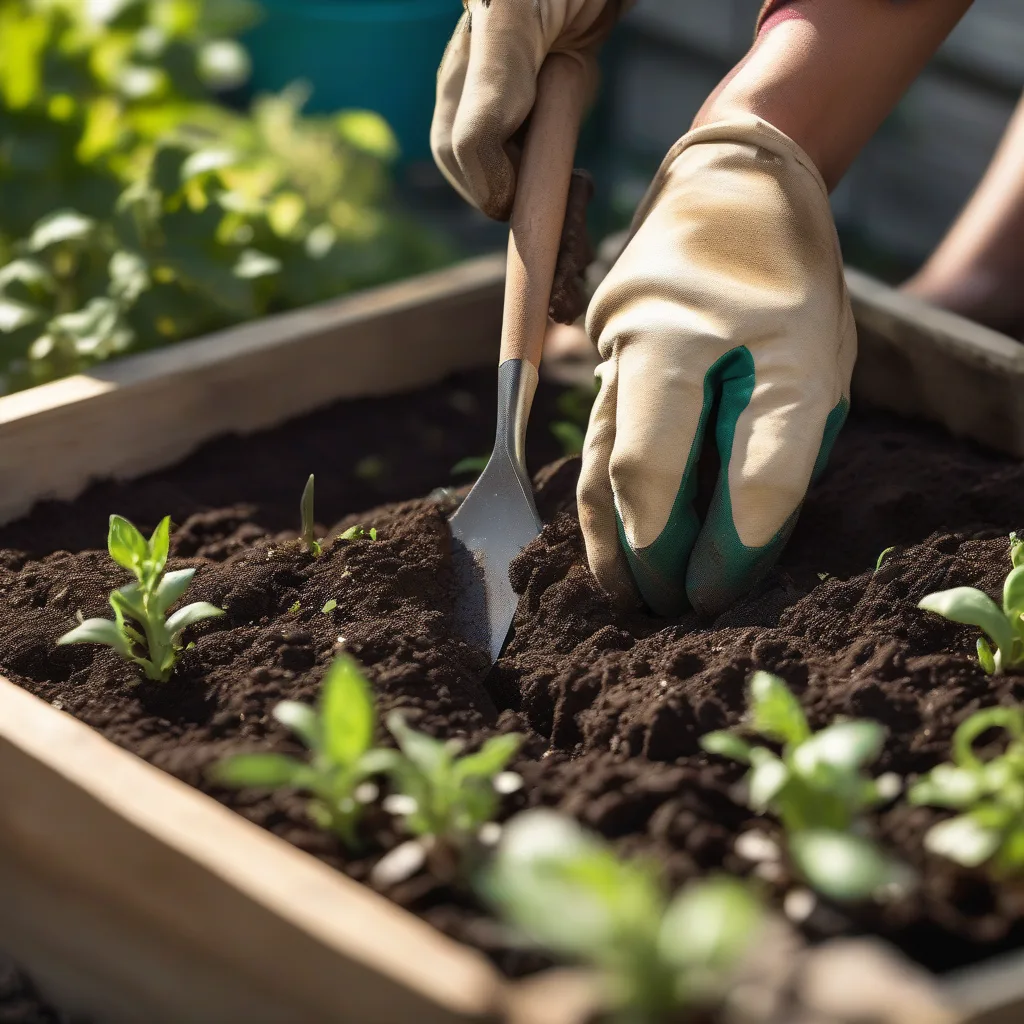
Starting a home vegetable garden is one of the most rewarding ways to improve your quality of life, offering a direct connection to your food source and a therapeutic escape from the digital world. Whether you have a sprawling backyard or a small balcony, growing your own produce allows you to enjoy the unparalleled flavor of sun-ripened vegetables while reducing your grocery bill and environmental footprint. This guide provides a comprehensive roadmap for transforming your outdoor space into a productive, sustainable kitchen garden.
Key takeaways
- Choose a site with six to eight hours of direct sunlight daily and ensure easy access to a water source.
- Use raised beds if you have poor soil or limited mobility to improve drainage and ease of maintenance.
- Apply organic mulch to suppress weeds, retain soil moisture, and prevent soil-borne diseases.
- Practice successional planting by sowing seeds every two weeks to ensure a steady, manageable harvest throughout the season.
- Improve soil health by incorporating organic compost and planting cover crops during the off-season to prevent erosion.
Selecting the Ideal Location for Your Garden
Before you purchase a single seed, you must evaluate your environment. Most vegetables require a minimum of six to eight hours of direct sunlight per day to thrive. Take a day to observe your yard or patio throughout the daylight hours, noting where shadows fall from trees, buildings, or fences. Avoid areas that collect standing water after rain, as poor drainage is the primary cause of root rot. Additionally, ensure your chosen spot is near a water source; if the garden is difficult to access, you are less likely to maintain the consistent watering schedule required for a successful harvest.
Deciding Between Raised Beds and In-Ground Plots
Choosing the right planting method depends on your soil quality and physical capabilities. In-ground gardening is the traditional approach, ideal for large spaces with healthy, well-draining soil. However, it requires significant labor to clear sod and amend the earth. Raised beds offer a superior alternative for many home gardeners. By building wooden, metal, or stone frames and filling them with high-quality potting mix and compost, you eliminate the need to worry about existing soil contamination or compaction. Raised beds also warm up faster in the spring, allowing for an earlier start to the season, and they are easier on your back and knees during weeding and harvesting.
Testing and Amending Your Soil
Soil is the lifeblood of your garden. Regardless of your chosen method, your plants will only perform as well as the nutrients available to them. Invest in a soil test kit from a local university extension or garden center to determine your soil’s pH and nutrient levels. Most vegetables prefer slightly acidic to neutral soil. To amend your earth, incorporate organic matter such as well-rotted manure, leaf mold, or high-quality compost. This improves soil structure, aeration, and moisture retention. Avoid synthetic fertilizers in the early stages, as they can burn young roots; instead, prioritize building a healthy ecosystem of beneficial microbes through organic additions.
Choosing the Right Crops for Your Climate
One of the most common mistakes beginners make is planting crops that aren’t suited to their local hardiness zone or season. Consult a USDA Plant Hardiness Zone map or local gardening guides to understand your last frost date. Cool-season crops like kale, spinach, peas, and radishes should be planted in early spring or late autumn, as they bolt (go to seed) in the heat of summer. Warm-season crops like tomatoes, peppers, cucumbers, and zucchini require warm soil and air temperatures and should only be planted after the threat of frost has passed. Start with a few “sure-fire” crops like cherry tomatoes, bush beans, and lettuce, which offer high yields with relatively low maintenance.
Mastering Watering Techniques for Maximum Yield
Consistent moisture is vital for vegetable health, but overwatering can be just as detrimental as underwatering. The goal is to keep the soil consistently moist but never waterlogged. The best time to water is in the early morning, which allows moisture to reach the roots before the heat of the day causes evaporation. Avoid overhead watering, which can encourage fungal diseases by wetting the leaves; instead, focus your stream at the base of the plant. Consider installing a simple drip irrigation system or using soaker hoses connected to a timer to ensure your garden receives uniform hydration, even when you are busy.
Implementing Mulch and Weed Control
Weeds are the primary competitors for nutrients and water in a vegetable garden. The most effective way to suppress them is to apply a thick layer of organic mulch. Straw, shredded bark, or untreated grass clippings act as a barrier that prevents sunlight from reaching weed seeds and keeps the soil cool and moist. Beyond weed control, mulch prevents soil erosion and protects low-hanging vegetables from resting on the dirt, which reduces the incidence of rot and soil-borne diseases. Aim for a layer of two to three inches, keeping the mulch slightly pulled back from the stems of your plants to prevent decay.
Natural Pest Management Strategies
Gardening organically means embracing a balance of nature rather than seeking total eradication of pests. Encourage beneficial insects like ladybugs, lacewings, and parasitic wasps by planting diverse flowers like marigolds, dill, and alyssum throughout your garden. These predators will help keep populations of aphids and cabbage worms in check. For larger pests like rabbits or deer, physical barriers such as chicken wire fencing are often the most reliable solution. If you notice signs of infestation, inspect your plants daily and remove pests by hand or use gentle interventions like neem oil or insecticidal soap, always applied in the evening to avoid harming pollinators.
The Art of Successional Planting and Harvest
To avoid being overwhelmed by an enormous harvest all at once, utilize a technique called successional planting. Instead of planting a whole packet of lettuce seeds at once, sow a small row every two weeks. This ensures a steady supply of fresh greens throughout the season. When it comes to harvesting, pick vegetables as soon as they reach their peak size and color. For many plants like beans, zucchini, and cucumbers, frequent harvesting actually encourages the plant to continue producing more fruit. Use sharp, clean garden shears to avoid damaging the plant stems, and store your harvest properly to maintain freshness until you are ready to use them.
Vertical Gardening and Maximizing Small Footprints
When horizontal space is limited, the only way is up. Vertical gardening is a transformative technique for urban gardeners or those with cramped patio conditions. By installing trellises, arbors, or wall-mounted pocket planters, you can grow vining crops like pole beans, cucumbers, peas, and indeterminate tomatoes that would otherwise consume precious ground space. Beyond space-saving, vertical structures improve air circulation around foliage, significantly reducing the risk of powdery mildew and other fungal pathogens that thrive in stagnant, humid environments. When planning your vertical support, ensure the structure is anchored deep enough to withstand the “sail effect” of heavy wind hitting the broad leaves of a mature plant. Use natural twine or soft plant ties to train vines gently; avoid wire or plastic ties that can cut into the stems as the plant matures and thickens.
The Science of Companion Planting
Companion planting is the practice of positioning specific vegetables, herbs, and flowers near each other to create a symbiotic ecosystem. This strategy goes beyond simple aesthetics; it leverages chemical and physical interactions to boost garden health. For instance, planting aromatic herbs like basil or chives near tomatoes can help deter pests that target the nightshade family, while also potentially enhancing the flavor of the fruit. Another classic example is the “Three Sisters” method—planting corn, beans, and squash together. The corn provides a natural trellis for the beans, the beans fix nitrogen in the soil to feed the corn, and the large, sprawling leaves of the squash act as a living mulch to shade the soil and suppress weeds. Research your specific pairings carefully to avoid negative companions, such as planting onions near peas, which can stunt the growth of the legumes.
Mastering Seed Starting and Transplants
While buying transplants is convenient, starting your own garden from seed unlocks a world of heirloom varieties that never make it to nursery shelves. To successfully start seeds indoors, you need to manage three variables: light, temperature, and humidity. Use a high-quality seed-starting mix—which is lighter and finer than potting soil—to prevent damping-off disease. A simple shop light or LED grow light placed just two inches above the seedlings will prevent them from becoming “leggy” or weak. Before moving these delicate starts to the outdoor garden, you must perform a process called “hardening off.” Over the course of 7 to 10 days, gradually expose your seedlings to the outdoor elements, starting with an hour of shade and slowly increasing their exposure to direct sunlight and wind. This toughens the cell walls and prevents transplant shock, which is the leading cause of death for indoor-started seedlings once they hit the garden bed.
Building and Managing a Home Compost System
A sustainable garden relies on a closed-loop nutrient cycle, and there is no better way to achieve this than by composting your kitchen scraps and yard waste. Composting is the alchemy of turning brown carbon-rich materials (dried leaves, cardboard, straw) and green nitrogen-rich materials (vegetable peels, coffee grounds, fresh grass clippings) into “black gold.” A healthy pile should maintain a ratio of roughly three parts brown to one part green. Keep the pile moist, like a wrung-out sponge, and turn it weekly with a pitchfork to introduce oxygen, which accelerates the decomposition process. If your pile smells like ammonia, it is too wet or lacks carbon; if it is not heating up, it likely needs more nitrogen or moisture. Finished compost is the ultimate soil conditioner, providing slow-release nutrients and beneficial fungi that synthetic fertilizers simply cannot replicate.
Advanced Irrigation: Moisture Sensors and Mulch Management
Modern home gardening benefits greatly from technology-assisted irrigation. If your garden is prone to inconsistent moisture, consider inexpensive moisture sensors that provide a digital reading of the soil saturation levels at the root zone. This removes the guesswork from your watering schedule. Furthermore, for those living in arid climates, the choice of mulch is critical. While straw is excellent, consider using wood chips for long-term perennials or gravel mulches for drought-tolerant crops. Be aware of the “nitrogen drawdown” effect: if you use fresh, uncomposted wood chips directly on the soil surface, the microbes breaking down the wood will temporarily steal nitrogen from the soil. To combat this, apply a layer of compost underneath the wood chips, or ensure the chips are well-aged, which prevents this nutrient competition and keeps your vegetable yields high.
Managing Seasonal Transitions and Cover Cropping
The end of the harvest season is not the end of your gardening journey; it is the beginning of the preparation phase for the following year. Rather than leaving your garden beds bare and exposed to winter erosion, plant a cover crop or “green manure” like clover, winter rye, or vetch. These plants protect the soil structure from heavy rainfall and snowmelt while actively fixing nitrogen or scavenging leftover nutrients in the soil. When spring arrives, you can simply chop down these cover crops and turn them into the soil a few weeks before planting your vegetables. This practice maintains soil biology throughout the dormant months, ensuring that your garden is teeming with life the moment the temperatures rise, giving you a significant head start on the competition from weeds and soil-borne diseases.
Frequently Asked Questions
Q: How often should I fertilize my vegetable garden? A: If you have built a strong foundation with high-quality compost, you may not need much additional fertilizer. However, heavy feeders like tomatoes and peppers benefit from a balanced organic fertilizer applied once or twice during the growing season. Always follow the instructions on the packaging and avoid over-fertilizing, which can lead to excessive foliage growth at the expense of fruit production.
Q: Can I start a garden if I live in an apartment with only a balcony? A: Absolutely. Container gardening is perfectly suited for small spaces. Choose “bush” or “patio” varieties of vegetables specifically bred for containers. Ensure your pots have adequate drainage holes and use a high-quality potting mix rather than garden soil, which can become too dense in a container. With enough sunlight and regular water, you can successfully grow a surprising amount of food on a balcony.
Q: What should I do if my plants are not growing despite my best efforts? A: First, check the basics: Is the plant getting enough sunlight? Is the soil too dry or too wet? Is the variety appropriate for your current season? If the environment is correct, you may have a nutrient deficiency or pest issue. Observe the leaves for discoloration or holes. Sometimes, simply rotating your crops and adding more organic compost is enough to reset a struggling garden bed for the following season.
Q: How do I know when it is time to harvest vegetables? A: Most vegetables provide clear visual cues. Tomatoes should be fully colored and slightly soft to the touch. Beans should be firm and snap easily when bent. Leafy greens can be harvested at any size—”baby leaf” size is often the most tender. Research the specific “days to maturity” for the varieties you planted, but use your eyes and taste buds as the ultimate guide.
Q: Is it better to start from seeds or buy transplants? A: Both have their place. Starting from seeds is significantly cheaper and offers a wider variety of plant types, but it requires more time and patience. Transplants (young plants purchased from a nursery) provide a head start, which is particularly helpful for long-season crops like tomatoes, peppers, and eggplants. Many beginners prefer a mix: starting quick-growing crops like radishes and beans from seed, and buying transplants for the slower-growing, high-maintenance crops.
Related posts:
 Essential Tips for Better Garden Health
 How Gardening Adds Years to Your Life
 Methods for Improving Your Backyard Soil Quality
 How to Start a Backyard Vegetable Garden
 Rose Crystal Garden in NYC
 Beginner’s Guide to Composting
 Mulching 101: The Secret to a Thriving Garden
 Growing Peanuts at Home: A Fun and Rewarding Gardening Project