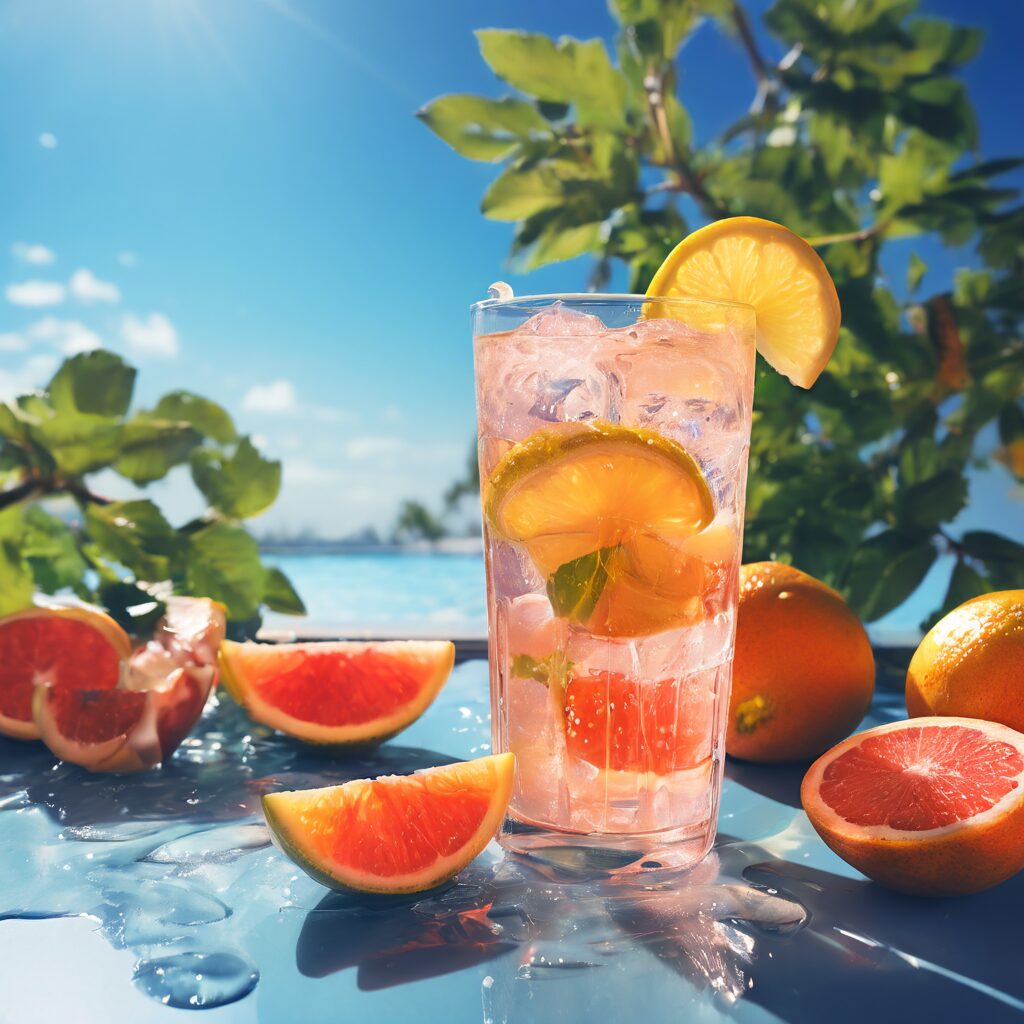
As the temperature rises, staying hydrated becomes more crucial than ever. While drinking water is the most obvious way to stay hydrated, incorporating water-rich foods into your diet can also help keep you cool and refreshed. Here are some of the best water-rich foods to enjoy this summer.
1. Watermelon
Watermelon is the quintessential summer fruit, and for good reason. Composed of about 92% water, it is not only hydrating but also deliciously refreshing. Watermelon is also packed with vitamins A, B6, and C, along with antioxidants and amino acids, making it a healthy and hydrating snack.
2. Cucumber
Cucumbers are incredibly hydrating, consisting of about 96% water. They are low in calories and high in essential nutrients like vitamin K, vitamin C, and potassium. Cucumbers can be added to salads, sandwiches, or enjoyed on their own with a pinch of salt for a quick, hydrating snack.
3. Strawberries
Strawberries are another water-rich fruit, containing about 91% water. They are an excellent source of vitamins, particularly vitamin C, and antioxidants. Enjoy them fresh, add them to smoothies, or use them as a topping for yogurt or cereal to boost your hydration levels.
4. Celery
Celery is not only crunchy and refreshing but also comprises about 95% water. It is rich in fiber, vitamins A, K, and C, and minerals like potassium and folate. Celery can be eaten raw, added to salads, or used as a base for soups and stews to enhance your hydration.
5. Lettuce
Lettuce, especially iceberg lettuce, is composed of around 95% water. It is a versatile ingredient that can be used in salads, wraps, or sandwiches. Incorporating lettuce into your meals is an easy and effective way to stay hydrated throughout the summer.
6. Zucchini
Zucchini contains about 94% water and is a versatile vegetable that can be grilled, steamed, or eaten raw. It is packed with vitamins A and C, fiber, and antioxidants, making it a healthy addition to your summer diet.
7. Bell Peppers
Bell peppers are colorful, delicious, and hydrating, containing about 92% water. They are rich in vitamins A, C, and B6, along with antioxidants. Bell peppers can be eaten raw, added to salads, or grilled for a tasty summer treat.
The Hidden Hydration Power of Stone Fruits
While the previous sections highlighted the heavy hitters of the produce aisle, stone fruits—so named for the large, pit-like seeds at their centers—offer a sophisticated and delicious way to bolster your fluid intake. Peaches, nectarines, and plums are not just seasonal treats; they are botanical reservoirs of structured water. A ripe peach, for instance, consists of approximately 89% water. This high fluid content is bound within a matrix of soluble fiber, specifically pectin, which helps slow the absorption of sugar and ensures that the water is released gradually into your system throughout the afternoon.
When selecting stone fruits for maximum hydration, weight is your most reliable indicator. A peach or nectarine that feels heavy for its size is brimming with juice. If the fruit is light or feels slightly hollow, it may have been picked too early or stored in low-humidity environments, leading to internal dehydration and a mealy texture. To preserve this moisture once you get the fruit home, avoid the refrigerator until the fruit is fully ripe. Cold air in standard refrigerators is notoriously dry and can leach the water content right through the thin skins of plums and apricots. Instead, let them ripen on the counter in a shaded spot, then consume them immediately or chill them briefly just before serving to maintain that refreshing, crisp bite.
Plums are another standout in this category, with a water content hovering around 87%. They are particularly useful for those who struggle with the digestive sluggishness that can sometimes accompany heat-induced dehydration. The combination of high water content and natural sorbitol makes plums a gentle way to keep the digestive tract moving while keeping cells hydrated. For a practical summer application, try slicing plums and nectarines into a pitcher of chilled white tea. The fruit slices will slowly release their juices, flavoring the water and providing a hydrating snack once the tea is finished. This method ensures you are getting both the liquid from the beverage and the cellular water trapped within the fruit’s pulp.
Expanding the Melon Palette: Cantaloupe and Honeydew
While watermelon often steals the summer spotlight, its cousins in the muskmelon family—cantaloupe and honeydew—are equally impressive hydration heroes. Cantaloupe is roughly 90% water, while honeydew follows closely at about 88%. What sets these melons apart from watermelon is their dense concentration of electrolytes, specifically potassium. In the height of summer, you don’t just lose water through sweat; you lose essential salts that govern how your body retains fluid. Cantaloupe provides a significant dose of potassium, which acts as a cellular pump, helping to pull water into your cells where it is needed most.
Honeydew melon offers a slightly different nutritional profile, featuring a higher natural sugar content which can provide a much-needed energy boost during a lethargic, humid afternoon. However, the real secret to honeydew’s hydrating power lies in its vitamin C and copper content, which support skin health. This is an often-overlooked aspect of summer wellness: hydrated skin acts as a better barrier against the sun and heat, preventing the excessive evaporative water loss known as transepidermal water loss. By eating honeydew, you are essentially hydrating from the inside out while reinforcing your body’s natural cooling shield.
To maximize the benefits of these melons, consider their culinary versatility beyond the fruit salad. A classic Mediterranean pairing is cantaloupe wrapped in a thin slice of prosciutto. While it might seem counterintuitive to add salty ham, the sodium in the prosciutto actually aids in the absorption of the melon’s water content. This is the same principle used in medical rehydration salts: a specific ratio of sugar and salt helps the small intestine absorb water more efficiently. For an edge case, if you find yourself with a melon that isn’t quite sweet enough, don’t discard it. Blend the flesh with a squeeze of lime and a pinch of sea salt to create a hydrating “agua fresca” that is far more effective at quenching thirst than plain water alone.
Citrus Fruits: Zesty Fluids and Vitamin C
Citrus fruits like grapefruit and oranges are frequently associated with winter breakfasts, but they are among the most hydrating foods available during the summer months. Grapefruit leads the pack with a water content of about 91%. Oranges are not far behind at 87%. The unique structure of citrus fruits—thousands of tiny, juice-filled vesicles protected by a thick rind—makes them the perfect portable hydration snack for outdoor activities. Unlike a sliced peach or a container of watermelon, an unpeeled orange is self-contained and resistant to drying out in the sun.
The hydration benefits of citrus are amplified by their high citric acid and vitamin C levels. Citric acid can stimulate saliva production, which helps alleviate the sensation of a dry mouth, a common early warning sign of dehydration. Furthermore, the high concentration of flavonoids in citrus fruits has been shown to support vascular health. During hot weather, your blood vessels dilate to help dissipate heat; healthy, responsive vessels are crucial for this thermoregulatory process. By consuming citrus, you are supporting the biological machinery that keeps you cool.
An important edge case to consider is the interaction between grapefruit and certain medications. Grapefruit contains compounds called furanocoumarins, which can interfere with the enzymes that break down medications for blood pressure, cholesterol, and anxiety. If you are on these medications, oranges or tangerines are safer, high-water alternatives. For a refreshing summer preparation, try a citrus and fennel salad. The crunch of the fennel (which is also 90% water) paired with the juicy segments of an orange creates a texturally diverse dish that provides a massive hit of hydration without the heaviness of a traditional meal.
The Surprising Water Content of Cruciferous Vegetables
When we think of hydrating vegetables, we usually picture watery greens or cucumbers, but the cruciferous family—specifically cauliflower and cabbage—contains a surprising amount of fluid. Cauliflower is approximately 92% water by weight. This makes it an incredible tool for summer weight management and hydration because it can be used as a high-volume, low-calorie substitute for drier grains. Replacing a cup of cooked rice (which has absorbed some water but remains relatively dense) with a cup of riced cauliflower can significantly increase your fluid intake during a meal.
Cabbage, particularly the green and Napa varieties, is also a hydration powerhouse, consisting of about 92% to 93% water. The beauty of cabbage lies in its structural integrity; unlike lettuce, which can wilt and lose its water content within minutes of being dressed or exposed to heat, cabbage remains crisp and juicy. This makes it the ideal base for summer coleslaws and outdoor picnics. The sulfur-containing compounds in cruciferous vegetables also support the liver’s detoxification pathways, which can be under extra stress if you are consuming more processed grilled meats or alcoholic beverages during summer festivities.
To get the most hydration out of these vegetables, cooking methods matter immensely. Boiling cauliflower or cabbage can lead to the loss of water-soluble vitamins like C and B-complex into the cooking water. To preserve both the nutrients and the hydrating crunch, try quick steaming or eating them raw. Thinly shaved raw cauliflower seasoned with lemon juice and olive oil makes a refreshing salad that retains every drop of its internal moisture. If you must roast them, keep the temperature high and the time short to caramelize the exterior while leaving the interior succulent and fluid-rich.
Radishes and Jicama: Crunchy Water Sources
For those who crave a satisfying crunch but want to avoid the dehydrating effects of salty chips or crackers, radishes and jicama are the perfect summer alternatives. Radishes are a staggering 95% water, putting them on par with celery and cucumbers. They provide a peppery bite that can be incredibly refreshing in the heat, acting as a sensory wake-up call. The slight heat of a radish comes from isothiocyanates, which can actually promote a very mild sweating response—the body’s natural way of cooling down.
Jicama, a root vegetable native to Mexico, is often described as a cross between an apple and a potato but with a much higher water content (about 90%). It is unique because it stays crunchy even after being sliced and exposed to air, thanks to its high fiber content. This fiber, specifically inulin, is a prebiotic that feeds beneficial gut bacteria. A healthy gut microbiome is essential for maintaining the integrity of the intestinal lining, which in turn ensures that the water you drink and eat is absorbed efficiently into the bloodstream.
Serving these vegetables chilled is key to their summer appeal. Sliced radishes served on a bed of ice with a very light dusting of sea salt are a common snack in many parts of the world for a reason. The salt draws a tiny bit of the 95% water to the surface, creating a juicy mouthfeel. Jicama is best enjoyed when cut into batons and tossed with lime juice and a dash of chili powder. The acid from the lime prevents any oxidation, while the jicama itself provides a cool, watery contrast to the heat of the spice. These are excellent “hand-to-mouth” snacks for long summer afternoons when you might otherwise reach for dehydrating processed foods.
Hydrating Through Chilled Culinary Creations
Beyond individual ingredients, the way we combine water-rich foods can significantly impact our total hydration. Chilled soups, such as gazpacho or strawberry-basil soup, are essentially hydration in a bowl. A traditional Spanish gazpacho utilizes several of the foods mentioned in the existing article—tomatoes (which are 94% water), cucumbers, and bell peppers—blended into a liquid form. Because the vegetables are raw and blended, you are consuming the entire cellular structure of the plant, including the fiber and the “living water” trapped within. This is often more hydrating than drinking a glass of plain water because the nutrients and fiber slow down the transit time through the digestive system, allowing for more thorough absorption.
Another culinary strategy is the use of “agua frescas” or fruit-infused waters. While the existing article mentions adding fruit to yogurt or smoothies, infusing water with slices of citrus, cucumber, and mint creates a beverage that encourages more frequent sipping. Many people find plain water unappealing as they become more dehydrated, but the subtle aromatics of a fruit infusion can bypass this “taste fatigue.” Furthermore, incorporating herbs like mint or cilantro provides a cooling sensation. Mint contains menthol, which tricks the brain’s cold-sensing receptors into feeling a cooling breeze even when the air is still and hot.
Frozen treats are another avenue to explore, provided they are made from whole foods. Pureeing overripe peaches or watermelon and freezing them into popsicles is a far superior hydration strategy than eating commercial dairy-based ice cream. Dairy and high amounts of refined sugar require significant amounts of water for the body to process, which can actually contribute to dehydration. A home-made fruit pop, however, delivers the water content of the fruit directly to your system while providing a literal cooling effect on the mouth and throat, lowering your perceived body temperature instantly.
The Synergy of Electrolytes and Food-Based Hydration
To truly understand why water-rich foods are “perfect for summer,” we must look at the synergy between fluid and electrolytes. Hydration is not just about the volume of liquid in your stomach; it is about the balance of fluids in your cells and bloodstream. Foods like spinach (91% water) and Swiss chard are packed with magnesium and potassium. These minerals act as “osmolyters,” molecules that help regulate the movement of water across cell membranes. If you drink massive amounts of plain distilled water without replenishing these minerals, you run the risk of hyponatremia—a condition where your blood sodium levels become dangerously diluted.
Eating your water through fruits and vegetables provides a built-in safety mechanism. These foods naturally contain the correct ratios of minerals to help the water stay where it’s needed. For example, a salad containing spinach, strawberries, and a few slivers of almond provides water, potassium, and a small amount of healthy fat. The fat is crucial because it further slows the digestion process, ensuring that the hydration is delivered in a steady stream rather than a single flush through the kidneys. This “slow-release” hydration is particularly beneficial during long outdoor events like hikes or beach days where you might not have constant access to a bathroom or a water source.
Finally, consider the role of “metabolic water.” This is the water produced within your body during the metabolism of nutrients. While it only accounts for a small percentage of your daily needs, the process of breaking down the healthy carbohydrates found in water-rich fruits is much more efficient and produces less internal heat than breaking down heavy proteins or fats. By choosing water-rich plant foods, you are essentially reducing your body’s internal workload, which keeps your core temperature lower and preserves your existing fluid levels. This holistic approach—combining direct fluid intake, electrolyte-rich produce, and heat-minimizing digestion—is the most effective strategy for thriving in the summer heat.
FAQ
1. Why is staying hydrated important during summer?
Staying hydrated is essential during summer because the body loses more water through sweating due to higher temperatures. Proper hydration helps regulate body temperature, maintain energy levels, and support overall health.
2. Can I rely solely on water-rich foods to stay hydrated?
While water-rich foods contribute to overall hydration, it is important to drink plenty of water as well. A combination of water intake and water-rich foods is the best way to stay properly hydrated.
3. Are there any other benefits to eating water-rich foods?
Yes, water-rich foods are often low in calories and high in essential nutrients, making them beneficial for weight management, digestion, and overall health. They also provide vitamins, minerals, and antioxidants that support various bodily functions.
4. How much water should I drink daily during summer?
The recommended daily water intake varies depending on factors like age, gender, and activity level. A general guideline is to drink at least 8-10 glasses of water per day, but you may need more if you are very active or exposed to high temperatures.
5. Can these water-rich foods replace sports drinks for hydration?
While water-rich foods and water can provide adequate hydration for most people, athletes or those engaged in intense physical activity may benefit from sports drinks that replace electrolytes lost through sweat. However, for regular daily activities, water-rich foods are a nutritious way to stay hydrated.
Related posts:
 Refreshing Watermelon Spritzer
 The Water Intake Math You’ve Been Getting Wrong Your Entire Life
 Managing Fiber Intake with IBS
 Watermelon: Health Benefits Revealed
 Fiber for Healthy Aging: Nourishing Your Body as You Grow Older
 Foods That Help You Poop
 Ildi Pekar’s DIY Watermelon Face Mask Is Summer Skincare Perfection
 Fresh Watermelon Salsa Recipe