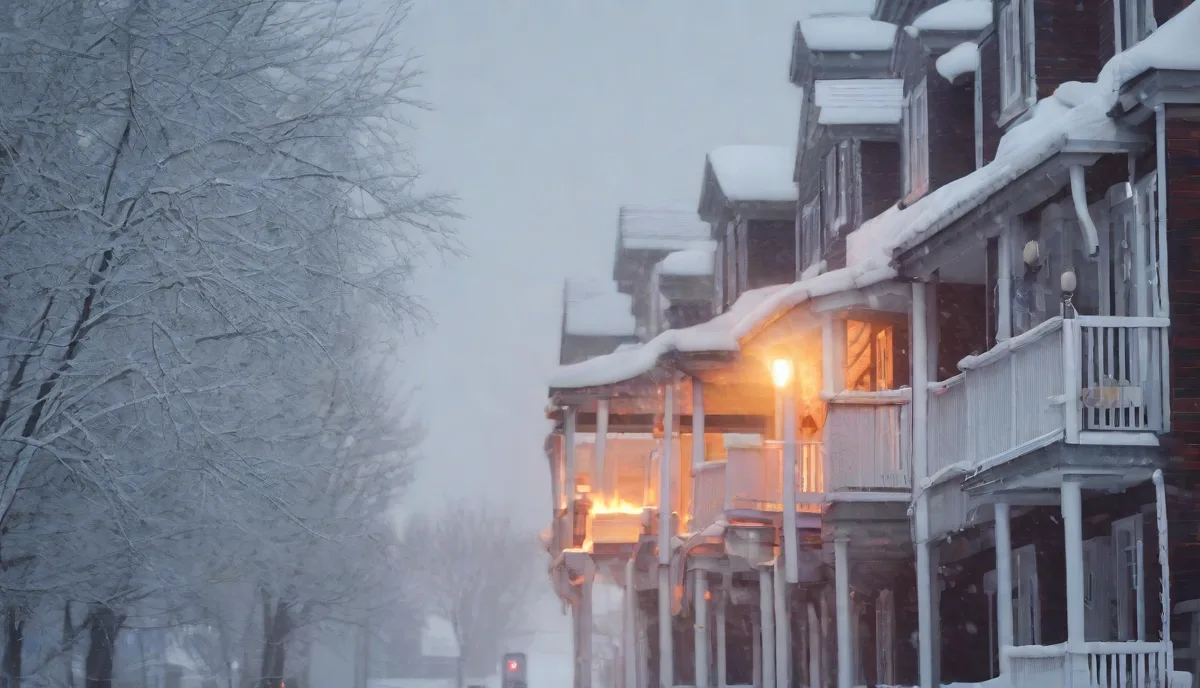
Stay Positive and Support One Another
When the power goes out unexpectedly in cold weather, it can be stressful and inconvenient. However, by banding together and supporting one another, communities can withstand difficult times. Reach out to vulnerable neighbors to ensure they have warm shelter. Share resources and information to help each other through power outages.
Prepare Your Home
Simple preparations can make a cold weather power outage safer and more bearable. Insulate walls and attics, repair drafts around doors and windows, and install storm windows. Have flashlights, batteries, warm blankets, non-perishable food, and alternate cooking devices on hand. If using combustion devices indoors, ensure proper ventilation.
Stay Warm and Conserve Heat
Close off unoccupied rooms, stuff towels against cracks under doors, and cover windows with blankets at night. Layer clothing and limit opening exterior doors. Cook, run faucets, and shower to add humidity and warmth. Turn down thermostat to around 65° F during waking hours if some power remains.
Monitor Local Resources
Listen to news and weather reports for updates on outages and emergency shelters in your area. Many communities open warming shelters where residents can get out of the cold. Contact local services if you or someone you know needs assistance getting to a safe, warm place.
Strategic Thermal Zoning and The “Micro-Climate” Approach
When external power fails, the most effective strategy is to stop viewing your home as a single, large volume of air that needs heating and instead treat it as a collection of smaller, compartmentalized micro-climates. By creating a “tent within a room,” you drastically reduce the cubic footage that your body heat and localized heat sources need to warm. Utilize heavy-duty camping tents pitched in your living room; the small, confined space of a tent traps body heat significantly better than a drafty living room. If you do not have a tent, construct a “fort” using high-backed furniture, heavy comforters, and duct tape. The goal is to build a low-ceilinged structure where body heat accumulates quickly. Within these zones, use sleeping bags rated for cold weather, which are designed to retain warmth far more efficiently than standard household quilts. Always place an insulating layer, such as a yoga mat or foam pad, between your sleeping bag and the floor to prevent the ground from wicking away your core temperature.
Hydration and Metabolic Maintenance
Many individuals overlook the importance of internal heat production during a blackout. Your body acts as a furnace, but it requires fuel to maintain its temperature. Digestion generates heat, so eating small, frequent meals—specifically those rich in healthy fats and complex carbohydrates—will keep your metabolic rate elevated. Avoid alcohol, which dilates your blood vessels and creates a false sense of warmth while actually accelerating heat loss from your core. Instead, prioritize warm water, herbal teas, or broths. Even if you do not have electricity, you can heat water using a camping stove or a fireplace. If you are using a thermos, pre-heat it with boiling water before adding your drink to keep liquids hot for up to 12 hours. Remember that cold air is often dry air; dehydration can impair your body’s thermoregulation, so stay mindful of your intake even if you do not feel thirsty.
The Physics of Preventing Pipe Bursts
Beyond the simple “drip” method, you must understand the path of water through your home to prevent catastrophic plumbing failures. If the power is out for an extended period and temperatures remain below freezing, the water sitting in your pipes is the primary concern. Locate your home’s main water shut-off valve immediately upon realizing a prolonged outage is likely. If you are leaving the home to seek shelter, turn off the main water valve and drain the system by opening all faucets at the lowest point in the house, followed by those on the highest floor. This prevents the pressure buildup that occurs when ice expands in a pipe. For those staying, focus on pipes located in exterior walls, as these are the first to reach freezing temperatures. If you cannot heat these areas, use foam pipe insulation or even layers of duct tape and rags to provide a thermal barrier. Avoid using heat guns or blowtorches on frozen pipes, as the rapid expansion of steam inside a frozen pipe can cause it to explode.
Managing Indoor Air Quality and Carbon Monoxide Risks
The danger of supplemental heating sources is often underestimated during the urgency of a cold snap. Every combustion-based heat source—including propane heaters, kerosene lamps, and charcoal grills—produces carbon monoxide (CO), an odorless, colorless gas that is lethal in enclosed spaces. If you must use an indoor-safe propane heater, ensure it is specifically rated for indoor use and features an Oxygen Depletion Sensor (ODS). Never use a charcoal grill or a gasoline generator inside a garage, basement, or living area, even with windows open. These devices produce CO at rates that can overcome an occupant in minutes. Invest in a battery-operated carbon monoxide detector and mount it at shoulder height in your primary “micro-climate” room. If your detector sounds, do not attempt to “air out” the room; evacuate the building immediately and call emergency services, as CO poisoning symptoms—headache, dizziness, and confusion—are often mistaken for simple cold-weather fatigue.
Optimizing Light and Psychological Well-being
Extended darkness in a cold, powerless home can lead to rapid psychological fatigue and disorientation, which impairs your decision-making ability. Avoid relying solely on candles, which present a severe fire hazard, particularly when you are moving around in heavy, bulky clothing that can easily knock them over. Instead, utilize headlamps; they keep your hands free for necessary tasks like preparing food or tending to the fire, and they focus light exactly where you are looking, reducing eye strain. To improve ambient light without electricity, place reflective surfaces—like mirrors or even aluminum foil—behind your light sources to bounce illumination into the room. During the daylight hours, open curtains on south-facing windows to allow solar gain, but be prepared to seal them tightly with blankets the moment the sun sets to prevent the “cold glass” effect from chilling the room.
Battery Preservation and Communication Redundancy
In a power outage, your smartphone is your lifeline, but cold temperatures are the enemy of lithium-ion batteries. Cold slows down the chemical reactions inside the battery, causing it to drain significantly faster or appear dead even when it retains a charge. Keep your phone and power banks inside your clothing, close to your body heat, rather than leaving them in a cold bag or on a cold table. Disable non-essential background processes, turn on “Low Power Mode,” and switch your device to airplane mode when not actively using it to check for emergency updates. Do not rely exclusively on cellular networks, which can become congested or fail during severe weather. Keep a battery-operated NOAA weather radio on hand; these devices are designed to receive emergency broadcasts even when cellular and internet infrastructure are down, providing you with critical information about the duration of the outage and the location of nearby relief centers.
Protecting Sensitive Electronics and Appliances
A sudden power surge upon restoration of the grid can be as damaging as the outage itself. When the power cuts out, immediately unplug sensitive electronics like computers, televisions, and modern high-efficiency furnaces. If you leave these plugged in, the “re-energization” spike—which often occurs when the grid cycles back on—can fry sensitive circuit boards. Wait until the power has been stable for at least 15 to 30 minutes before plugging your devices back in. For your furnace, turn the thermostat to the “off” position before the power returns to prevent the unit from cycling on and off repeatedly during minor grid fluctuations, which can damage the blower motor or the igniter. By taking these preemptive steps, you ensure that once the heat returns, your home remains functional and your expensive appliances are not rendered useless by a surge.
FAQ
How can I stay warm without power?
Layer clothing, use extra blankets, and gather in the smallest room you can heat effectively. Eat and drink warm fluids, stuff towels against cracks, and raise your thermostat a few degrees if you have limited power.
What should I do if my house gets too cold?
Temperatures below 60°F put you at risk of hypothermia. Seek shelter at a warming center or friend/family member’s home. Call emergency services if you need help getting to a safe location.
How do I keep my pipes from freezing?
Allow indoor faucets to drip slowly, open cabinets under sinks, close vents in unused rooms, and keep your thermostat above 55°F if possible. Use safe alternate heating sources to warm rooms with water pipes.
Can I use my gas oven to stay warm?
Running a gas oven with the door open can help supplement heat, but keep it low (under 200°F) and ensure dangerous fumes vent outside. Do not bring flammable objects near the oven and monitor it continuously.
How long can food stay cold/frozen with no power?
A full freezer can maintain temperature for about 48 hours and a half-full freezer for about 24 hours if the door stays closed. Throw out perishable refrigerated foods after 4 hours without power. When in doubt, remember the saying: “When in doubt, throw it out.”
Related posts:
 The Climate Crisis Is a Public Health Emergency
 Ensuring Food Safety During a Power Outage
 Staying Warm and Well: Tips for Heating Your Home in the Winter
 Blow Drying Hair Without Damage: Expert Tips
 The Best Cold Brew Coffee Makers for a Refreshing Drink
 Emergency Contraception: What You Need to Know
 Freeze Frame: The Food Storage Mistakes That Are Costing You Money
 PHA Bodyweight Workout: Efficient Fitness Anywhere, Anytime