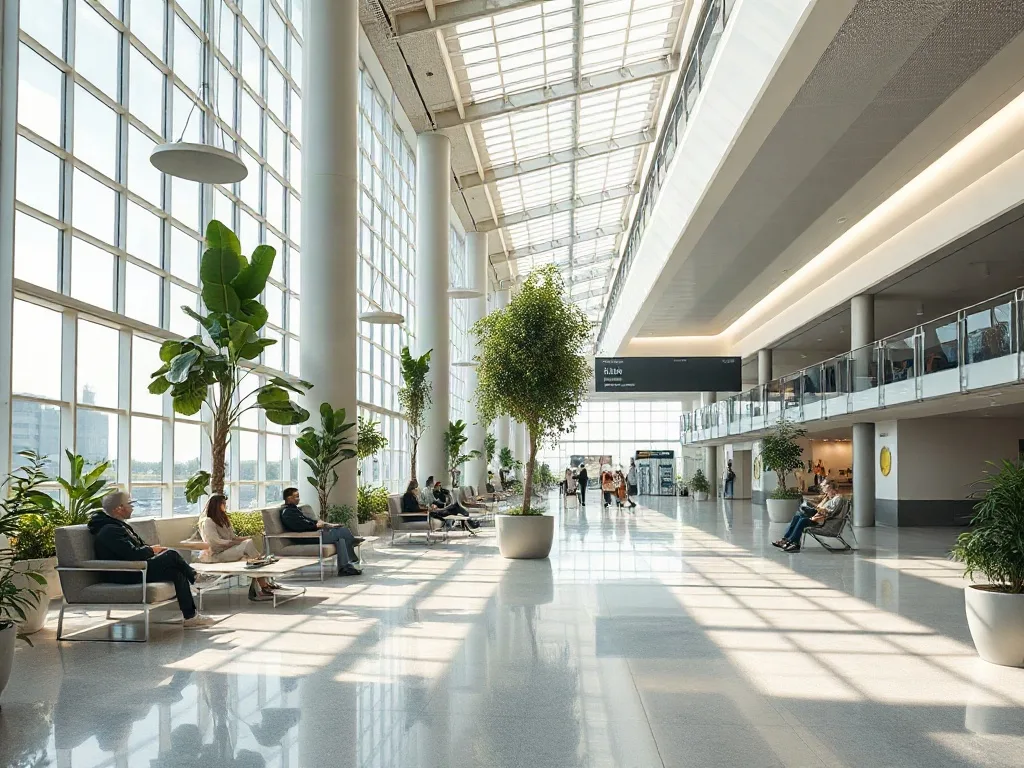
Travel can be exhilarating, but the airport experience often feels like a test of patience. Long lines, confusing signage, and noisy terminals can turn excitement into stress. Fortunately, several airports around the world have deliberately designed their spaces to feel more like lounges than bottlenecks. In this guide we explore what makes an airport truly stress‑free, highlight the best terminals to visit, and give you practical steps to keep calm from curbside to gate.
Key takeaways
- Download airport apps and maps 24 hours before your flight to identify gates and essential amenities ahead of time.
- Utilize trusted-traveler programs like TSA PreCheck or Global Entry to significantly shorten security and immigration wait times.
- Pack electronics and toiletries in accessible, clear containers to speed up security screenings and reduce physical clutter.
- Incorporate pre-flight mindfulness techniques like the 4-7-8 breathing cycle to lower your heart rate before arriving at the gate.
- Contact the airport's accessibility desk at least 48 hours early to arrange personalized assistance or mobility support.
What Makes an Airport Stress‑Free?
A stress‑free airport isn’t just about sleek architecture; it’s a blend of efficient processes, thoughtful amenities, and a calm atmosphere. Key factors include:
- Clear Wayfinding: Simple signage, multilingual directions, and digital maps reduce the mental load of finding check‑in counters, security, and gates.
- Fast Security & Immigration: Dedicated lanes for families, premium passengers, or trusted‑traveler programs keep queues short.
- Comfortable Seating & Quiet Zones: Ergonomic chairs, charging stations, and sound‑absorbing materials let travelers rest without constant background noise.
- Wellness Services: Yoga rooms, meditation pods, and spa treatments give passengers a chance to reset.
- Food Quality & Variety: Healthy, locally sourced options and clear labeling help people eat well without hunting for a menu.
- Technology Integration: Real‑time flight updates, mobile‑check‑in kiosks, and contactless payments streamline the journey.
When these elements work together, the airport becomes a transitional space that supports well‑being rather than a source of anxiety.
Top Stress‑Free Airports in North America
North America offers several terminals that consistently rank high for passenger comfort. Below are three that stand out:
1. Vancouver International Airport (YVR) – Canada
YVR blends natural light with indigenous art, creating a calming visual environment. Highlights include:
- Dedicated Family Check‑in counters that keep children out of the main line.
- Free Wi‑Fi throughout the terminal and ample charging stations.
- Quiet lounges equipped with recliners and low‑light settings for meditation.
- Extensive public‑transport links, so you can avoid traffic‑induced stress before even arriving at the airport.
2. Dallas/Fort Worth International Airport (DFW) – USA
DFW’s Terminal A has undergone a major redesign focused on passenger flow:
- Self‑service bag‑drop and biometric security lanes cut wait times by up to 30%.
- Multiple Wellness Rooms provide space for stretching, yoga, or quiet reflection.
- Clear floor markings guide travelers from curbside to gate, reducing the need to ask for directions.
3. Denver International Airport (DEN) – USA
DEN’s iconic roof mimics the Rocky Mountains, offering a sense of openness. Stress‑relieving features include:
- Free, high‑speed Wi‑Fi and an extensive app that pushes gate changes directly to your phone.
- Air‑conditioned Quiet Zones with plush seating and low‑light environments.
- Pet‑friendly lounges for travelers who don’t want to leave their furry companions behind.
European Airports That Prioritize Calm
Europe’s best‑run airports combine historic charm with modern efficiency. Here are three that consistently deliver low‑stress experiences:
1. Copenhagen Airport (CPH) – Denmark
CPH embraces Scandinavian design principles—clean lines, natural materials, and plenty of daylight. Notable stress‑reduction elements:
- Automated passport control for EU citizens, cutting wait times dramatically.
- Free, well‑stocked Family Rooms with toys and changing tables.
- Multiple Green Spaces where travelers can sit among indoor plants and hear gentle water features.
2. Zurich Airport (ZRH) – Switzerland
ZRH is famed for punctuality and precision. Its stress‑free reputation stems from:
- Clear, bilingual signage (German/English) throughout the terminal.
- Fast‑track security for passengers with Swiss Travel Pass or similar loyalty cards.
- Quiet lounges offering Swiss chocolate, tea, and a dedicated meditation corner.
3. Helsinki Airport (HEL) – Finland
HEL’s “Calm Terminal” concept includes:
- Ambient lighting that mimics natural daylight cycles, reducing jet‑lag symptoms.
- Free sleeping pods with privacy curtains for long layovers.
- Well‑signposted pathways that guide travelers directly to their gates without unnecessary detours.
Asian Hubs Offering Seamless Experiences
Asia’s busiest airports have turned efficiency into an art form. The following hubs excel at minimizing traveler stress:
1. Singapore Changi Airport (SIN) – Singapore
Changi is often called the world’s most enjoyable airport. Stress‑free features include:
- Four themed gardens, a butterfly enclosure, and a rooftop pool that invite spontaneous relaxation.
- Self‑service bag‑drop and facial‑recognition immigration for Singaporean citizens.
- Free city‑wide Wi‑Fi, allowing you to plan your onward journey without hunting for a hotspot.
2. Tokyo Haneda Airport (HND) – Japan
Haneda’s design prioritizes smooth passenger flow:
- Clear floor markings and color‑coded signage that separate domestic and international traffic.
- Quiet “Relaxation Rooms” equipped with reclining chairs, soft lighting, and low‑noise environments.
- Multiple Family Support Desks that provide assistance in several languages.
3. Incheon International Airport (ICN) – South Korea
ICN’s stress‑free reputation rests on:
- Fast‑track immigration for Korean passport holders and trusted‑traveler program members.
- Free cultural performances and art installations that keep passengers engaged while waiting.
- Well‑maintained rest areas with heated floors, perfect for chilly winter layovers.
Airport Amenities That Reduce Anxiety
Even the most efficient terminal can feel overwhelming without the right amenities. Below are five services that make a measurable difference:
- Quiet Rooms or Sleep Pods: Small, sound‑proof cabins where you can nap, meditate, or simply escape the bustle.
- Wellness Centers: On‑site massage chairs, physiotherapy, or short yoga classes help release tension.
- Child‑Friendly Zones: Play areas with age‑appropriate toys and staffed supervision reduce parental worry.
- Pet Relief Areas: Designated spaces for dogs to stretch and hydrate, preventing the stress of leaving them at home.
- Information Kiosks: Interactive touchscreens that answer common questions in multiple languages, eliminating the need to hunt down staff.
Planning Tips for a Smooth Airport Journey
Even the most stress‑free airport can become stressful if your preparation is lacking. Follow these actionable steps before you arrive:
- Check Terminal Maps Early: Download the airport’s official app or PDF map at least 24 hours before departure. Highlight check‑in counters, security lanes, and any amenities you plan to use.
- Enroll in Trusted‑Traveler Programs: Programs like TSA PreCheck, Global Entry, or the local equivalent (e.g., NEXUS, EasyPASS) shave minutes off security and immigration queues.
- Pack Smart: Use a clear, zip‑top toiletry bag and keep electronics accessible for quick inspection. This reduces the chance of a secondary screening.
- Arrive Early, But Not Too Early: For most international flights, a 2‑hour window is sufficient at stress‑free airports with fast security. Arriving earlier than necessary can increase idle waiting time.
- Schedule Buffer Time for Amenities: If you plan to use a lounge, spa, or yoga room, add 30‑45 minutes to your itinerary to enjoy the service without rushing.
- Stay Hydrated & Eat Light: Dehydration and heavy meals can amplify anxiety. Carry a reusable water bottle (refill stations are common) and opt for light, protein‑rich snacks.
How to Use Technology to Stay Zen at the Airport
Modern apps and devices can turn a chaotic terminal into a personal sanctuary. Here are four tech tools you can leverage:
- Airport Apps with Real‑Time Alerts: Receive push notifications for gate changes, security wait times, and weather updates. Examples include the official apps for Changi, Heathrow, and LAX.
- Noise‑Cancelling Headphones: Block ambient announcements and chatter. Pair them with calming playlists or guided meditations from apps like Calm or Insight Timer.
- Digital Boarding Passes with QR Codes: Scan directly at security or gate, eliminating the need to fumble with paper tickets.
- Virtual Queue Services: Some airports let you join a digital line for security or customs, allowing you to sit in a lounge until it’s your turn.
Integrating these tools reduces the mental load of monitoring multiple information sources, freeing you to focus on relaxation.
Sustainable Practices at Low‑Stress Airports
Many stress‑free terminals also prioritize sustainability, which can enhance the overall sense of well‑being. Consider these initiatives:
- Solar‑Powered Terminals: Airports such as San Francisco International use rooftop solar arrays, reducing carbon footprints and providing natural light.
- Zero‑Waste Food Courts: Vendors that serve meals in compostable containers and offer refill stations for water and coffee.
- Green Transportation Links: Direct train or electric‑bus connections that eliminate the need for gasoline‑powered taxis.
- Recycling Stations with Clear Signage: Simple, color‑coded bins for plastics, paper, and organic waste encourage responsible disposal.
When you choose an airport that invests in the environment, you contribute to a calmer planet as well as a calmer travel experience.
Mindful Travel Planning: From Home to Gate
Stress often begins long before you set foot on the tarmac. A mindful approach to the entire journey—starting at home—creates a psychological buffer that can absorb the inevitable hiccups of air travel. Below are concrete steps that go beyond the typical “pack early” advice.
- Digital Declutter: Two hours before departure, close non‑essential apps on your phone and enable “Do Not Disturb” mode. This prevents a flood of notifications that can increase cortisol levels while you navigate the terminal.
- Pre‑flight Breathing Routine: Practice a 4‑7‑8 breathing cycle (inhale for 4 seconds, hold for 7, exhale for 8) while waiting for your ride. Research shows that a single minute of this technique can lower heart rate by up to 10 %.
- Travel‑Specific Packing Cubes: Use color‑coded cubes—one for electronics, another for toiletries, a third for clothing. When you arrive at security, you can hand over the appropriate cube without rummaging through a chaotic bag.
- Micro‑Itinerary Cards: Print a single‑sided card that lists your gate, boarding time, nearest restroom, and the exact location of any amenity you plan to use (e.g., a yoga studio). Holding a physical reminder reduces the cognitive load of scanning a phone screen repeatedly.
- Weather‑Ready Accessories: Pack a lightweight, packable rain jacket and a pair of foldable slippers in your carry‑on. Unexpected rain or a long walk to a remote gate can otherwise force you to make impulsive purchases that add to mental clutter.
By embedding these habits into your pre‑flight routine, you transform the journey from a series of stressors into a series of intentional actions, each with its own calming effect.
Navigating Airports with Disabilities and Special Needs
Airports that truly excel in passenger comfort design inclusive pathways that anticipate the requirements of travelers with mobility, visual, auditory, or cognitive challenges. Below are practical strategies and lesser‑known services that can make a world of difference.
Mobility‑Assisted Navigation
Many major terminals now offer on‑demand mobility bots—small autonomous carts that can be summoned via a QR code placed on a bench. After scanning, the bot arrives within three minutes and can transport a wheelchair user from security to the gate, navigating elevators and ramps automatically.
Assistive Technology Integration
For visually impaired passengers, some airports provide audio‑beacon wayfinding. Small Bluetooth beacons emit location‑specific spoken cues through a paired smartphone app, guiding the user step‑by‑step. Similarly, hearing‑impaired travelers can switch the public‑address system to a text‑only feed displayed on large LED panels throughout the concourse.
Cognitive‑Friendly Design
Passengers with autism spectrum disorder or anxiety disorders benefit from low‑stimulus zones that feature muted colors, soft lighting, and minimal overhead announcements. These zones often include tactile maps and simple pictograms that break down the journey into a clear, visual sequence.
Advanced Service Requests
Beyond the standard wheelchair request, some airports allow you to pre‑schedule a personal escort via their website. The escort meets you at curbside, assists with check‑in, and stays with you through security, ensuring you never feel abandoned in a crowded space.
When planning a trip, always contact the airport’s accessibility desk at least 48 hours in advance. Providing your flight details, required assistance, and any medical equipment you’ll bring (e.g., CPAP machines) enables staff to allocate the right resources without delay.
Leveraging Airport Lounges for Productivity and Wellness
Lounges are no longer exclusive havens for first‑class passengers; many airports now operate pay‑per‑use or membership‑based lounges that cater to business travelers, digital nomads, and wellness‑focused flyers alike. Below are nuanced ways to extract maximum value from these spaces.
Work‑Centric Amenities
- Ergonomic Workstations: Look for lounges that provide height‑adjustable desks, dual monitors, and cable‑management trays. A properly set up workstation can reduce neck strain during a three‑hour layover.
- High‑Speed, Secure Wi‑Fi: Some lounges segregate their network into a guest tier (up to 50 Mbps) and a business tier (up to 500 Mbps with WPA3 encryption). Opt for the business tier if you need to transfer large files or conduct video conferences.
- Printing & Scanning Pods: A compact, self‑service pod can print double‑sided documents, scan passports, or digitize receipts—useful for expense reporting on the fly.
Wellness‑Focused Features
Many premium lounges now incorporate hydro‑therapy stations—foot‑massaging water jets that stimulate circulation and reduce swelling after a long flight. Others provide a selection of adaptogenic teas (e.g., ashwagandha, rhodiola) that help modulate stress hormones.
Strategic Use of Time
Instead of treating a lounge as a static waiting room, schedule micro‑tasks: 15 minutes of email triage, 20 minutes of a language‑learning module, and a final 10‑minute meditation. The structured cadence mirrors a Pomodoro technique, keeping you productive without feeling rushed.
When you book a lounge entry, check the entry cutoff time. Some lounges close their doors to new guests 30 minutes before the last boarding call, which can affect your ability to use the space for a late‑night flight.
Managing Long Layovers: Rest, Recreation, and Remote Work
Layovers longer than four hours often feel like an unplanned mini‑vacation—if you know how to use the airport’s resources wisely. Below are tiered strategies for three common layover goals: sleeping, exploring, and working.
Sleep‑Optimized Strategies
For airports that lack dedicated sleep pods, create a makeshift rest zone:
- Locate a quiet gate area away from high‑traffic security lanes.
- Use a travel pillow, a lightweight blanket, and an eye mask to simulate a dark environment.
- Set a silent alarm on your phone for the time you need to wake up.
If the airport offers day‑use hotel rooms (e.g., a 12‑hour block), book one in advance. Many hotels partner with terminals to provide shuttle service, allowing you to shower, change, and recharge without leaving the airport complex.
Recreational Exploration
Some terminals feature cultural exhibits, art galleries, or even indoor gardens. For example, an airport in the Middle East may host a rotating showcase of traditional crafts that can be explored in 20‑minute intervals. Use the official app’s “Explore” tab to filter attractions by duration, ensuring you can fit them into your layover window.
Remote‑Work Friendly Options
When you need to attend a video call, prioritize spaces with natural light and minimal background noise. Many airports now provide “focus rooms”—small, glass‑walled cabins equipped with acoustic panels, a desk, and a power outlet. Book these rooms via the airport’s app; they usually cost a nominal hourly fee and can be reserved up to 24 hours in advance.
Remember to test the audio quality before joining a call. A quick 30‑second test call can reveal echo issues that you can then mitigate by adding a portable sound‑absorbing blanket or moving to a different room.
Nighttime Flights and Sleep Optimization in Airports
Traveling overnight adds a layer of physiological stress: circadian disruption, reduced lighting, and the temptation to stay awake. Below are evidence‑based tactics to preserve sleep quality while navigating a terminal after dark.
Light Management
Exposure to blue light suppresses melatonin production. If you must use a device, enable “Night Shift” or use a blue‑light‑filtering app. In addition, many airports now install dynamic lighting systems that gradually dim in the late‑night hours, mimicking sunset and helping your body transition to sleep.
Temperature Control
Core body temperature naturally drops during sleep. Seek out lounges or rest zones that allow you to adjust the thermostat. If you cannot control the ambient temperature, wear a breathable, moisture‑wicking base layer and carry a lightweight, zip‑up cardigan to regulate warmth.
Strategic Napping
The optimal nap length for a nighttime layover is 90 minutes—one full sleep cycle—allowing you to wake up feeling refreshed rather than groggy. Set a discreet vibrating alarm on a smartwatch to avoid startling other passengers.
Hydration and Caffeine Timing
Consume a small amount of caffeine (e.g., a 60 ml espresso) no later than 30 minutes before you intend to sleep. The short, intense caffeine spike can improve alertness for the next leg of travel without lingering into the early morning hours.
After you wake, sip water and eat a protein‑rich snack (like a handful of almonds) to stabilize blood sugar and reduce post‑napping fatigue.
Emerging Technologies Shaping the Future of Low‑Stress Airports
Airports are laboratories for cutting‑edge tech that aims to eliminate friction points. While some innovations are already in pilot phases, others are on the horizon. Below are five developments that could redefine the stress‑free paradigm in the next decade.
AI‑Driven Predictive Queuing
Machine‑learning models analyze historical passenger flow, flight schedules, and weather data to forecast security wait times in real time. The airport app then pushes a recommendation: “If you proceed to Terminal B, you’ll likely wait 12 minutes; Terminal C offers a 5‑minute lane.”
Early adopters report a 22 % reduction in average queue length, allowing travelers to allocate time more efficiently.
Biometric Seamless Travel
Beyond facial recognition, next‑generation systems incorporate palm‑vein scanning and gait analysis. Passengers enroll once, and the biometric profile unlocks check‑in, security, and boarding without the need for physical documents. The technology also flags anomalies for security staff, maintaining safety while streamlining flow.
Virtual‑Reality Relaxation Pods
Imagine stepping into a compact pod, slipping on a lightweight VR headset, and being transported to a serene beach or a forest canopy. The pod synchronizes ambient sound, temperature, and subtle scent diffusion to create a multi‑sensory escape lasting 10‑15 minutes. Early trials show a measurable drop in cortisol levels comparable to a short meditation session.
Robotic Luggage Assistance
Autonomous robots equipped with RFID readers can locate your checked bag on the carousel and deliver it to a designated waiting area, eliminating the frantic search for luggage during tight connections. Some prototypes also offer a “hand‑off” service where the robot meets you at the gate and carries the bag to the aircraft.
Blockchain‑Based Travel Documentation
Secure, immutable digital passports stored on a blockchain can be verified instantly by any participating airport. This reduces the paperwork burden for travelers and minimizes the risk of fraudulent documents. Pilots in the EU are testing a system where a traveler’s vaccination record, visa status, and identity are all verified with a single QR scan.
These technologies, when combined with human‑centered design, promise a future where the airport feels less like a checkpoint and more like a seamless extension of your personal space.
Frequently Asked Questions
- 1. How can I find out which airports have quiet rooms before I book a flight?
- Visit the airport’s official website and look for a “Facilities” or “Passenger Services” section. Many airports also list amenities in their mobile apps. Travel forums such as TripAdvisor often have up‑to‑date user reviews that mention quiet rooms.
- 2. Are trusted‑traveler programs worth the cost for occasional flyers?
- For infrequent travelers, the cost‑benefit depends on the airports you use most. If you regularly fly through a hub with long security lines (e.g., JFK or LHR), a program like TSA PreCheck can save 15‑30 minutes per trip, which often justifies the enrollment fee.
- 3. What should I do if my flight is delayed at a stress‑free airport?
- First, use the airport’s app to receive real‑time updates. Then, locate a nearby lounge or quiet room to rest. Many airports provide complimentary meals or vouchers when delays exceed a certain threshold, so ask a customer‑service representative.
- 4. Can I bring my pet into the quiet zones or lounges?
- Policies vary. Some airports, like Denver International, have pet‑friendly lounges, while others restrict animals to designated relief areas. Always check the airport’s pet policy ahead of time to avoid surprises.
- 5. How can I reduce my carbon footprint while traveling through a busy airport?
- Choose airlines that offset emissions, use public transport or electric shuttles to reach the airport, and bring a reusable water bottle and coffee cup. Many stress‑free airports have recycling stations and sustainable food vendors that make eco‑friendly choices easier.
Related posts:
 Travel Hack Genius: How One Trainer Revolutionized Airport Workouts with TRP
 Grounded: Why Smart Luggage Got Banned and What Travelers Need to Know
 How to Fly Safely After Lifted Mask Mandate
 TSA Travel Tips for Lightning-Fast Security
 Revenge Travel: The Ultimate Treat for Wanderlust Souls
 Airport Temperature Screening Guide
 Tips for Planning a Budget Friendly Vacation
 Never Miss Another Flight: Airport Navigation Tips That Actually Work