The transition from a high-intensity workout to a professional meeting or a casual brunch has become the defining aesthetic of modern wellness culture. Taryn Toomey, the visionary behind The Class, has mastered the art of balancing movement-focused utility with high-end, editorial fashion. Achieving this “studio-to-street” look is not merely about wearing leggings all day; it is about intentional layering, high-quality fabrications, and the strategic use of accessories to elevate performance gear into a sophisticated lifestyle ensemble.
Key takeaways
- Prioritize high-quality, matte-finish fabrics in neutral colors to mimic the look of professional trousers.
- Use intentional layering with slim base layers and oversized knits to create a balanced, high-fashion silhouette.
- Swap technical sneakers for leather loafers, mules, or boots to shift your outfit from the gym to the boardroom.
- Maintain garment longevity by washing technical fabrics in cold water on delicate cycles and avoiding fabric softeners.
The Philosophy of Functional Elegance
At the core of the studio-to-street movement is the concept of functional elegance. Toomey’s personal style highlights that clothes designed for movement do not need to look purely athletic. The secret lies in selecting pieces that feature matte finishes, seamless construction, and neutral palettes. When you prioritize structural integrity in your activewear, you gain the ability to pair a bodysuit or a high-performance legging with a structured blazer or a silk trench coat. This approach honors the time you spend in your body while allowing you to move through your day with a polished, intentional silhouette.
Mastering the Art of Layering
Layering is the most critical tool for the transition between environments. A common mistake is relying on bulky sweatshirts that mask your shape. Instead, look for slim-fitting, long-sleeved base layers that act as a second skin. These can be worn during a workout and then layered under a cashmere sweater or a crisp button-down shirt for the street. By keeping the base layer sleek, you maintain a streamlined aesthetic that looks intentionally styled rather than thrown together. Consider oversized knits draped loosely over a sports bra; the contrast between the soft texture of the knit and the technical fabric of the bra creates a balanced, high-fashion appearance.
Selecting Versatile Fabrics
Not all activewear is created equal when it comes to aesthetic versatility. To transition successfully, avoid fabrics with excessive neon colors, overly complicated patterns, or loud logos. High-quality nylon-spandex blends with a compressive, matte finish are the gold standard for studio-to-street fashion. These fabrics mimic the look of traditional trousers or leggings while providing the necessary support for movement. Investing in premium, sustainable fabrics that offer moisture-wicking properties without the “shiny” synthetic look ensures that your clothing remains odor-resistant and breathable throughout the day, even as you switch from a yoga mat to a boardroom chair.
Transitioning with Footwear and Accessories
Your footwear choice often dictates the formality of your outfit. While a crisp, white technical sneaker is perfect for the studio, swapping them for a sleek leather loafer, a minimalist mule, or an ankle boot immediately shifts the look toward street-ready sophistication. Similarly, accessories serve as the bridge between two worlds. A structured leather tote or a crossbody bag can instantly elevate a set of leggings. Don’t underestimate the power of jewelry; a pair of gold hoop earrings or a delicate layered necklace can transform a simple racerback tank into a chic daytime outfit that feels complete and intentional.
The Role of Outerwear in Style Elevation
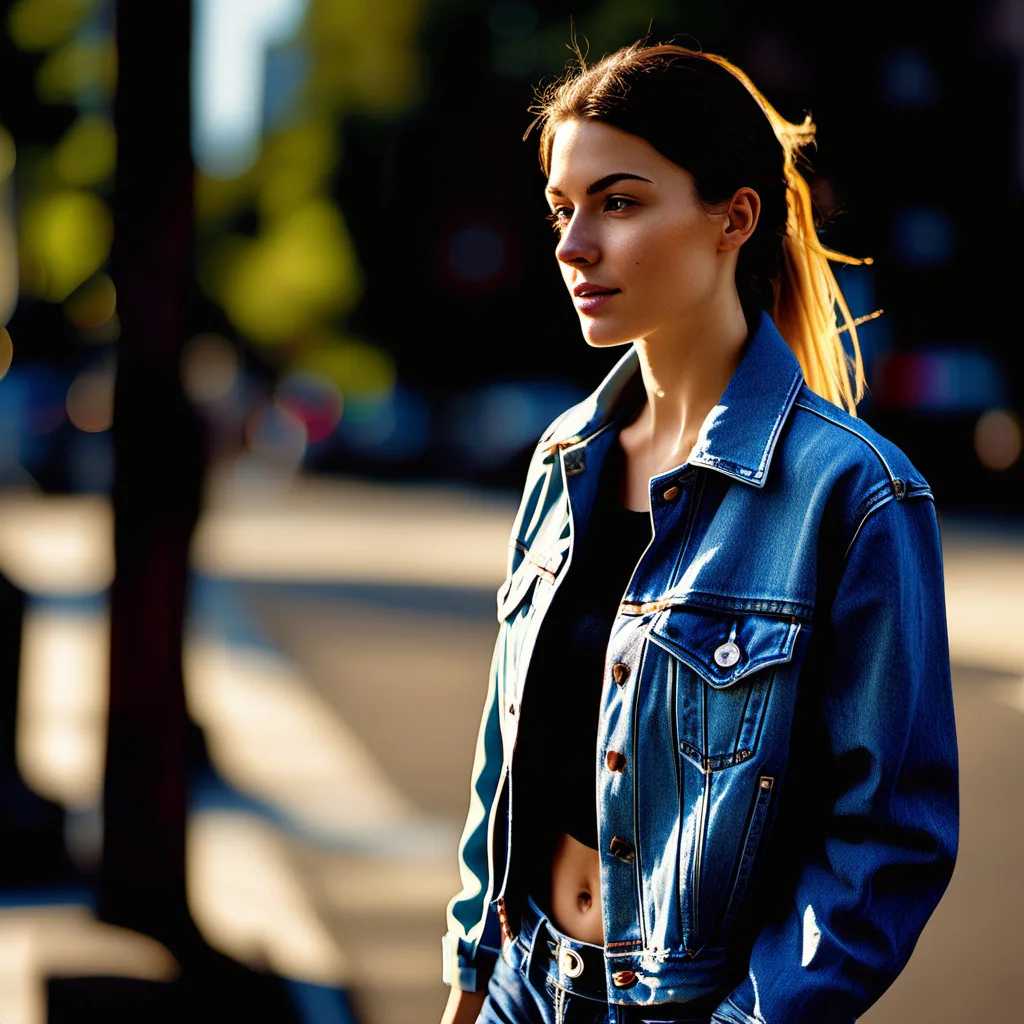
Outerwear is the ultimate equalizer in studio-to-street fashion. A long, tailored wool coat or a structured trench can hide almost any athletic base layer, making the outfit appropriate for a formal lunch or a city commute. When choosing outerwear, look for silhouettes that offer a bit of volume to contrast with the slim fit of your leggings. A denim jacket worn off the shoulders or a leather motorcycle jacket can also provide a “cool factor” that distracts from the utilitarian nature of the clothing underneath, shifting the focus to your overall style profile.
Color Palettes for a Cohesive Look
Toomey often emphasizes the importance of a cohesive color palette. Sticking to monochromatic looks—shades of black, charcoal, taupe, or navy—creates a sophisticated, elongated silhouette that is inherently more formal than a mix of bright colors. A monochromatic outfit allows you to mix textures, such as pairing a ribbed knit top with smooth, matte leggings, which adds depth and interest without the need for loud prints. This approach makes it significantly easier to mix and match pieces from your activewear wardrobe with your casual wardrobe, resulting in a capsule collection that feels both functional and timeless.
Maintaining Your Wardrobe for Longevity
High-performance clothing requires specific care to maintain its shape, color, and technical properties. Because you are wearing these pieces from the studio to the street, they are subjected to more frequent wear and washing than traditional garments. Always wash your technical fabrics in cold water on a delicate cycle and avoid fabric softeners, which can break down the moisture-wicking fibers. Air drying is the best way to preserve the elasticity of your leggings and sports bras. By treating these pieces with care, you ensure they retain the “new” look required to keep your street-style transitions looking sharp and professional.
Confidence as the Final Accessory
Ultimately, the studio-to-street look is about how you carry yourself. Taryn Toomey’s approach is rooted in the belief that movement is a form of self-care. When you feel comfortable and supported in your clothing, that confidence radiates outward. Whether you are coming from a high-intensity class or a restorative session, wearing clothing that respects your body’s need for movement while honoring your desire to look put-together is a powerful form of self-expression. Embrace the versatility of your wardrobe and let your style reflect the balance you seek to maintain in your daily life.
Tactical Fabric Care for High-Frequency Rotation
When your wardrobe serves a dual purpose, the garment lifecycle accelerates significantly. The secret to maintaining a crisp, street-ready appearance lies in the chemistry of your laundry routine. Technical fabrics, specifically those engineered with elastane or Lycra blends, are highly susceptible to heat-induced degradation. High-temperature drying cycles will inevitably cause these fibers to fray, leading to the dreaded “pilling” that immediately signals “gym clothes” rather than “lifestyle attire.” To maintain the matte, opaque finish required for professional environments, invest in a mesh garment bag to prevent abrasion against zippers or buttons from other items. Furthermore, avoid the temptation to use standard detergents which contain optical brighteners; these can leave a residue that dulls the deep, rich pigments of your charcoal or navy pieces over time. By switching to a gentle, pH-neutral athletic wash, you preserve the original color depth and structural integrity that allows a legging to double as a pair of evening trousers.
The Geometry of High-Neck Silhouettes
The visual success of the studio-to-street transition often hinges on the neckline of your base layer. Traditional scoop-neck sports bras can feel overly casual when paired with a blazer or a silk blouse. In contrast, high-neck, racerback-style tops mimic the aesthetic of modern bodysuits. This silhouette provides a sophisticated, architectural focal point under a structured jacket, effectively camouflaging the athletic origin of the garment. When choosing these pieces, look for “clean-finish” construction—meaning the seams are bonded or folded rather than serged—to create a seamless, skin-like fit. This geometry allows you to remove your outer layer in a professional setting without feeling underdressed, as the high neckline provides the coverage and modesty typically associated with high-end knitwear.
Strategic Proportion Play with Oversized Outerwear
To master the transition, one must embrace the tension between tight and loose proportions. If you are wearing a high-compression legging, the most effective way to elevate the look is to introduce a significant volume contrast with your outerwear. A boxy, oversized blazer or a trench coat with exaggerated lapels acts as a frame, drawing the eye toward the tailored structure of the coat rather than the utilitarian nature of the leggings. This technique effectively “hides” the performance features of the pants while highlighting your silhouette. Experiment with draping a heavy wool coat over your shoulders; this “editor-style” styling trick adds an immediate layer of polish, transforming a post-workout look into a deliberate, high-fashion statement that works just as well in a gallery as it does in a studio.
The Role of Texture in Camouflaging Technical Gear
One of the most common pitfalls in studio-to-street styling is the “all-synthetic” look, which can appear one-dimensional or overly clinical. You can neutralize the “gym-only” vibe by introducing natural, organic textures into your ensemble. Pair your nylon-blend leggings with a chunky, cable-knit wool sweater or a heavy, brushed-cotton button-down. The juxtaposition between the high-tech, smooth surface of the activewear and the tactile, rustic texture of the knit creates a visual balance that feels intentional and curated. This contrast is key to successfully wearing technical gear in a professional space; by surrounding your activewear with traditional fashion materials, you successfully recontextualize the garment, making its performance properties feel like a secondary, hidden benefit rather than the defining characteristic of the outfit.
Curating a “Freshening” Kit for Seamless Mobility
The practical reality of wearing the same outfit from a high-intensity session to a social engagement requires a discreet, effective maintenance kit. A studio-to-street look is only as successful as your ability to reset your freshness levels. Beyond standard deodorant, consider carrying a “freshening kit” that includes a travel-sized fabric refresher spray with natural, essential-oil-based scents like cedarwood or lavender, which mask odors without the chemical smell of standard sprays. Additionally, incorporate high-quality, bamboo-based body wipes into your bag to remove surface-level perspiration before re-layering. These small, practical rituals are the unsung heroes of the transition, ensuring that even if you have just completed a rigorous class, your presence remains composed, clean, and entirely appropriate for whatever the rest of your day holds.
The Science of Compression and Silhouette Control
When selecting pieces that must bridge the gap between a high-intensity workout and an afternoon board meeting, the internal structure of the garment is your greatest ally. High-compression fabrics are not just for muscle recovery; they act as a foundational layer that smooths the silhouette, providing a clean canvas for more structured outer garments. Look for pieces labeled with a “second-skin” fit that feature flatlock or bonded seams. These technical details prevent the bunching or visible lines that often occur when layering a blazer over a standard tank. By prioritizing garments with 360-degree stretch and high-density weaves, you ensure that the fabric holds its shape throughout the day, preventing the sagging that often occurs after several hours of wear. This structural integrity is what allows a pair of leggings to function as a tailored pant substitute without compromising on comfort or mobility.
Navigating the Hardware and Branding Dilemma
The most significant aesthetic hurdle in the studio-to-street transition is the presence of heavy branding or loud hardware. To maintain a high-fashion profile, prioritize “stealth activewear”—pieces that feature tonal logos or, ideally, no visible branding at all. If a piece has hardware, such as metallic zippers or plastic toggles, ensure these elements are discreet and placed in areas that won’t interfere with the drape of your outer layers. A bulky zipper on the hip of a legging can ruin the clean lines of an oversized sweater or a long trench coat. When shopping, perform the “blind test”: if you look at the garment from five feet away, does it read as a piece of high-end lounge-wear or a piece of performance equipment? If the answer is the latter, it is likely too technical for a professional setting. Stick to minimalist designs that prioritize the silhouette over the utility of pockets, drawstrings, and reflective strips.
The Role of Monochrome in Visual Continuity
While mixing textures is vital for depth, maintaining a monochromatic color story is the ultimate shortcut to a sophisticated appearance. When your leggings, base layer, and even your sneakers share a similar hue—such as obsidian, slate, or espresso—the eye perceives the outfit as a single, cohesive unit rather than a collection of disparate athletic items. This continuity minimizes the visual “noise” of athletic seams and technical panels. Furthermore, a monochromatic base acts as a blank slate, allowing you to introduce a statement piece of outerwear or a high-contrast accessory without the look feeling chaotic. For instance, a charcoal-on-charcoal set paired with a camel-colored wool duster coat creates a high-fashion look that feels deliberate, expensive, and entirely disconnected from the gym environment, despite being rooted in high-performance comfort.
Strategic Footwear Transitions for Versatility
While the white sneaker is a staple, it is not the only option for the studio-to-street enthusiast. To elevate your look further, consider the “transitional shoe.” A leather Chelsea boot, for example, provides the necessary structure to ground a pair of leggings, transforming them into a sleek, urban ensemble. The key is to select footwear that offers a streamlined profile. Avoid clunky, platform-style athletic shoes that draw attention to the “fitness” aspect of the outfit. Instead, look for slip-on mules in polished leather or suede, which provide the ease of a sneaker but the visual weight of a dress shoe. If you must wear sneakers, opt for retro-inspired silhouettes with clean, monochromatic colorways rather than high-tech running shoes with neon accents. The goal is to choose a shoe that complements the formality of your top layer, ensuring the entire outfit flows from top to bottom.
Managing Fabric Weight for Climate Control
A common mistake in studio-to-street styling is ignoring the heat-regulation properties of your outfit. If you are moving from a heated yoga studio into a climate-controlled office, you are dealing with extreme shifts in temperature. To manage this, curate your outfit around the concept of “breathable layering.” Use base layers that feature moisture-wicking technology, but top them with natural fibers like silk, merino wool, or lightweight cashmere. These materials are excellent at regulating temperature; they provide warmth in the cold but breathe when you are active. By pairing a synthetic, moisture-wicking legging with a long-sleeve merino wool tee, you create a system that keeps you dry during your workout and warm during your commute. Avoid heavy, non-breathable polyester sweaters, as these will trap sweat and lead to discomfort once you have left the studio.
Frequently Asked Questions
Q: How do I choose the right leggings for both working out and going out?
A: Focus on high-rise, matte-finish leggings with minimal seams. Avoid heavy mesh detailing or bright patterns, as these are harder to style for professional or social settings. A solid, deep neutral color is your best bet for versatility.
Q: Can I wear a sports bra under a blazer?
A: Yes, provided the sports bra has a clean, minimalist silhouette and is made of a high-quality, opaque fabric. A high-neck sports bra often looks more like a crop top, making it a perfect, modern choice for layering under a structured blazer.
Q: What is the best way to hide the “sweat factor” after a workout?
A: The key is to carry a change of base layer or a fresh, lightweight top. If you must wear the same clothes, ensure you have a breathable, oversized layer like a cashmere sweater or a linen shirt that allows air circulation, and always have a small freshening kit with natural deodorant and body wipes on hand.
Q: How do I make athletic shoes look appropriate for a professional setting?
A: Keep your sneakers pristine by cleaning them regularly. Choose styles that feature clean lines and neutral colors rather than chunky, high-performance running shoes. Pairing a sleek, low-profile sneaker with cropped trousers or a midi skirt creates a balanced, modern look.
Q: Are there specific fabrics I should avoid for a studio-to-street look?
A: Avoid shiny, thin synthetic fabrics that look like traditional gym gear. These often show imperfections and do not have the structure required for a street-style look. Instead, opt for thicker, double-knit fabrics or those with a brushed, cotton-like feel that offer better coverage and a more premium aesthetic.
Related posts:
 Sweaty Betty x ModelFit Collection
 Sparkly Leggings: The Holiday Fashion Statement That Divided the Internet
 Molly Sims’ Collaboration with Nylora Activewear
 Lululemon’s Fall Leggings Are Finally on Sale and We’re Running
 Spanx Leggings Sale Alert
 The Athleisure Outerwear Taking Over This Fall
 Stylish Blanket Scarves for Leggings
 The Great Leggings Debate That Had United Airlines in Hot Water