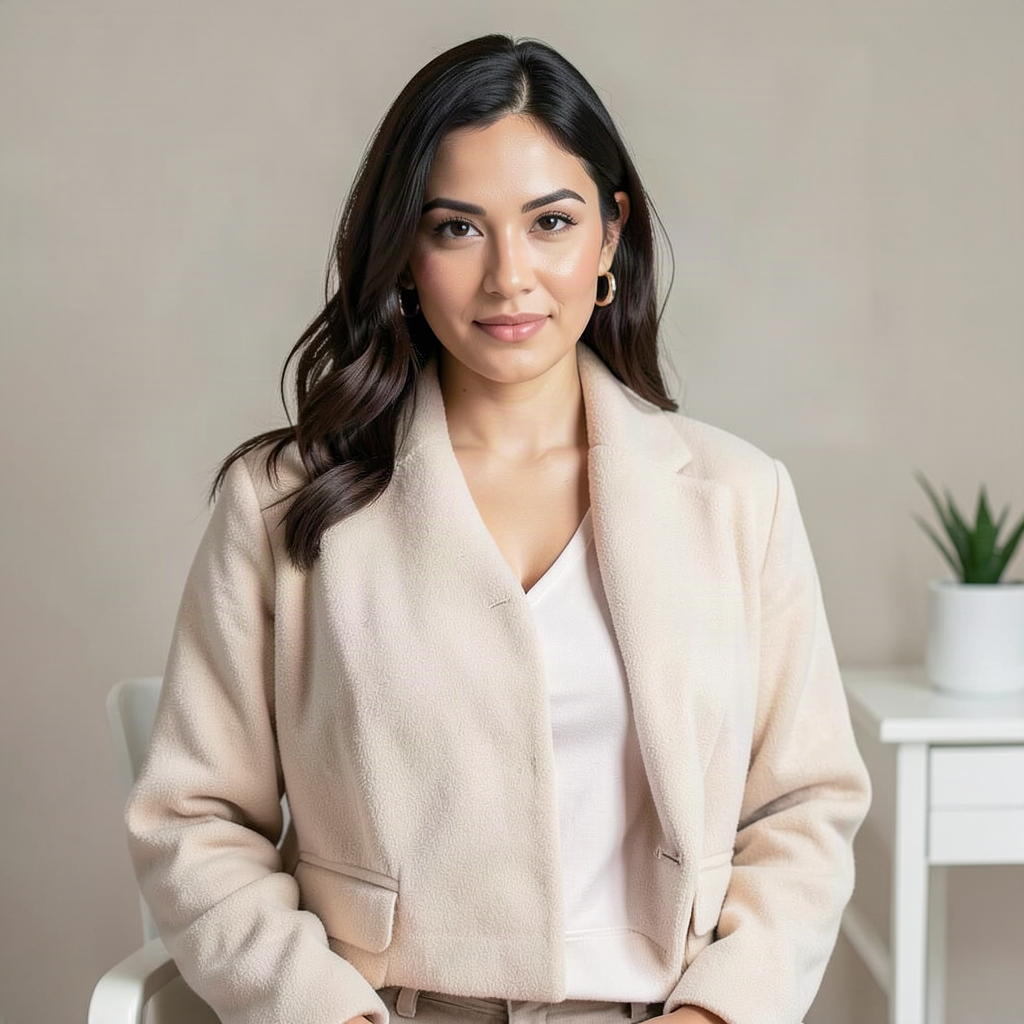
Finding your personal style is not about chasing fleeting trends or spending a fortune on high-end labels. It is about understanding your body, your lifestyle, and the message you want to project to the world. A truly revolutionary wardrobe is built on the foundation of intentionality, versatility, and confidence. When you move away from impulse buying and toward a curated collection of pieces that truly work for you, you stop asking “what should I wear?” and start expressing who you are.
Mastering the Art of the Capsule Wardrobe
The concept of a capsule wardrobe is the ultimate antidote to the “closet full of clothes but nothing to wear” dilemma. To begin, clear out everything that does not fit, flatter, or bring you joy. A functional capsule focuses on a cohesive color palette—usually neutrals like navy, black, camel, or grey—punctuated by a few signature colors. Aim for 30 to 40 high-quality pieces that can be mixed and matched effortlessly. By limiting your choices, you actually increase your creativity, forcing yourself to experiment with layers and textures rather than relying on pre-packaged outfits.
The Power of Proper Tailoring
The difference between an average outfit and a high-end look is almost always a trip to the tailor. Even the most expensive garment will look sloppy if the hem is too long or the shoulders are drooping. A tailor can adjust waistlines, shorten sleeves, and taper trousers to fit your specific frame perfectly. Investing just a small amount of money into tailoring your existing pieces—like that blazer you love but never wear because the sleeves are awkward—can make you feel as though you have an entirely new, bespoke wardrobe.
Understanding Your Body Architecture
Style is a matter of proportions. Instead of trying to force your body into clothes that are designed for a different silhouette, learn to dress for your unique shape. Whether you have an hourglass, pear, rectangular, or inverted triangle physique, the goal is to create balance. If you have broader shoulders, look for wide-leg trousers to add volume to the bottom. If you have a straighter figure, use belts and structured jackets to define your waist. Once you identify the silhouettes that work for you, shopping becomes much more efficient because you can immediately filter out items that don’t suit your proportions.
Investing in High-Quality Basics
Your wardrobe game changes when you stop treating basics as disposable. A crisp white shirt, a perfect pair of dark-wash denim, a well-structured blazer, and a comfortable leather shoe are the pillars of your style. Cheap materials like thin synthetic blends often lose their shape and look worn after only a few washes. Invest in natural fibers such as silk, cotton, wool, and linen. These fabrics breathe better, age more gracefully, and provide a tactile quality that signals luxury and longevity. Think of these items as the foundation upon which your more trendy or expressive pieces sit.
The Psychology of Color and Texture
Most people stick to a safe, monochrome palette because they are afraid of clashing. However, mastering color is one of the fastest ways to elevate your style. Start by learning your skin’s undertones—cool, warm, or neutral—and select colors that brighten your complexion rather than washing you out. Beyond color, consider texture. Wearing an all-black outfit can look incredibly chic if you mix materials: pair a chunky wool sweater with a silk midi skirt and leather boots. Texture adds depth and visual interest without needing loud patterns or flashy logos.
Curating Your Accessories Strategy
Accessories are the punctuation marks of your outfit. A simple jeans-and-tee look transforms into a polished ensemble with the addition of a structured belt, a layered necklace, or a well-chosen watch. The secret is to rotate your accessories to keep your core pieces feeling fresh. A silk scarf tied to a bag, a pair of statement earrings, or a structured hat can completely alter the vibe of an outfit from professional to weekend-ready. Don’t be afraid to invest in high-quality accessories; they often have a much lower cost-per-wear than clothing because they don’t wear out as quickly.
Developing a Signature Uniform
Many of the most stylish people in the world rely on a signature uniform. Think of Steve Jobs and his black turtlenecks or Anna Wintour and her statement necklaces. A uniform doesn’t mean you wear the exact same thing every day; it means you have a reliable formula for getting dressed. For example, your formula might be: high-waisted trousers + tucked-in blouse + loafers. Having a go-to formula reduces decision fatigue and ensures that you look consistently put-together, even on your busiest mornings.
Sustainable Shopping Habits
Revolutionizing your wardrobe also means changing how you consume. Fast fashion is designed to be replaced, which creates a cycle of waste and dissatisfaction. Adopt the “one in, one out” rule: for every new item you buy, one must be donated or sold. Before making a purchase, ask yourself three questions: Can I style this with at least three items I already own? Will I still want to wear this in two years? Is the quality worth the cost? This intentional approach builds a wardrobe that is not only stylish but also environmentally conscious and financially sustainable.
The Science of Fabric Care and Longevity
Your wardrobe is a collection of assets, and like any investment, it requires maintenance to retain its value. The way you wash, dry, and store your clothes dictates their lifespan far more than the brand name on the label. Many people unknowingly sabotage their high-quality garments by over-washing. Unless a garment is stained or has absorbed odors, constant laundering strips fibers of their natural integrity, causes fading, and leads to premature pilling. Adopt a strategy of spot cleaning and airing out garments between wears. For wool and cashmere, invest in a quality fabric shaver to remove surface fuzz, which instantly makes a sweater look brand new. When you do wash, always turn items inside out to protect the surface fibers from friction, use cold water to prevent shrinkage, and skip the dryer whenever possible. Air-drying on a rack or a shaped hanger preserves the structural integrity of your clothes, ensuring that the silhouette you invested in remains intact season after season.
Navigating the World of Second-Hand and Vintage
The most unique wardrobes often incorporate pieces with history. Sourcing clothing from vintage stores or online resale platforms is the ultimate hack for developing a signature style that no one else can replicate. However, the sheer volume of choices can be overwhelming. To shop effectively, treat it like a treasure hunt rather than a chore. Focus on finding high-quality materials—look for vintage silk, heavy-weight denim, or 100% wool coats that simply aren’t produced at the same price point today. When shopping online, prioritize measurements over size tags, as vintage sizing is notoriously inconsistent compared to modern standards. Always factor in the cost of a trip to your tailor; a vintage blazer with the perfect shoulder width but a boxy body can be transformed into a custom-fit masterpiece for a fraction of the price of a new designer jacket. This approach allows you to own high-end pieces that have already stood the test of time.
The Art of Seasonal Transitions
A static wardrobe is a stagnant one, but you do not need to replace your entire collection every time the temperature shifts. Instead, master the art of the “bridge piece.” A lightweight trench coat or a denim jacket is the perfect transition tool; it provides enough weight for a chilly spring morning but layers easily under a heavier coat in the winter. Think in terms of modularity: your summer silk slip dress can easily transition to autumn by layering a chunky knit sweater over it, cinching it with a belt to create a skirt-like silhouette. By keeping your seasonal items organized—storing off-season clothes in breathable garment bags—you free up mental space to focus on the pieces that are currently relevant. This seasonal rotation keeps your wardrobe feeling fresh and prevents the “closet fatigue” that often leads to unnecessary shopping.
Understanding the Impact of Hardware and Trims
Often, the difference between a high-street garment and a luxury piece lies in the details that you might overlook: buttons, zippers, and buckles. If you have a coat or a cardigan that you love but that feels slightly underwhelming, consider upgrading the hardware. Swapping cheap, plastic buttons for high-quality horn, metal, or mother-of-pearl buttons can completely transform the look and feel of the item. This is a subtle “style secret” used by fashion insiders to elevate basic pieces. Furthermore, pay attention to the zippers; a smooth-gliding, heavy-duty metal zipper adds a tactile sense of quality. By investing a small amount of time in these micro-upgrades, you take ownership of the quality of your garments, making them feel more substantial and intentional.
Building a “Hero Piece” Strategy
Every great wardrobe is anchored by a “hero piece”—a statement item that dictates the energy of your look. This could be a bold, architectural coat, a pair of metallic leather boots, or a structured bag in an unexpected color. When you have one strong focal point, the rest of the outfit can remain minimal. For example, a simple pair of black trousers and a basic white tee become an intentional, fashion-forward look when paired with a leopard-print trench or a sculptural pair of loafers. The trick is to avoid over-accessorizing; let the hero piece do the heavy lifting. When you invest in these standout items, you ensure that even your most basic, “lazy” outfits have a clear point of view. This strategy simplifies your morning routine while ensuring you always look like you put significant effort into your presentation.
The Role of Grooming and Presentation
Style does not end at the hem of your trousers; it is intrinsically linked to how you present yourself as a whole. No outfit, no matter how expensive or well-tailored, can overcome a lack of attention to grooming. This includes keeping your footwear polished, ensuring your hair is styled in a way that feels intentional, and maintaining the hygiene of your clothes. A lint roller should be a permanent fixture in your bag or car. If you wear leather shoes, keep them conditioned to prevent cracking. These habits signal that you respect your own aesthetic choices. When you treat your appearance as a complete package, your confidence naturally increases, which is the ultimate accessory. The most stylish people are rarely those with the most clothes, but rather those who understand that attention to detail, from a pressed shirt to clean nails, is what truly separates a polished individual from the crowd.
Frequently Asked Questions
Q: How do I identify my personal style if I feel like I don’t have one?
A: Start by creating a digital mood board on Pinterest. Pin images of outfits that you find yourself consistently drawn to. After a few weeks, look for patterns—are you pinning mostly minimalist outfits, bohemian looks, or professional tailoring? Your collection will reveal your natural aesthetic preferences.
Q: Is it really necessary to spend a lot of money to look stylish?
A: Absolutely not. Style is about fit and curation, not price tags. You can find incredible pieces at thrift stores, consignment shops, or through savvy sales shopping. The key is to spend your budget on the foundational pieces that get the most wear and save on the trend-driven items.
Q: How can I make my wardrobe look more expensive on a budget?
A: The biggest indicator of a budget look is poor fit. Take your thrifted or affordable finds to a local tailor. Additionally, keep your shoes clean and your clothes pressed. A simple, well-fitted, and clean outfit will almost always look more expensive than a poorly maintained designer piece.
Q: How do I stop impulse buying?
A: Implement a 48-hour rule. If you see something you want, wait at least 48 hours before purchasing. Often, the initial excitement fades, and you realize you don’t actually need the item. Also, try to shop with a list of specific needs rather than wandering through stores aimlessly.
Q: What should I do with clothes I don’t wear but can’t bear to get rid of?
A: Store them in a box out of sight for three months. If you don’t find yourself missing them or needing to pull them out during that time, it is a clear sign they no longer serve your wardrobe. You can then donate or sell them with peace of mind, knowing they are not contributing to your daily outfit frustration.
Related posts:
 Old Navy’s Hygge Sock Sale Is the Black Friday Deal Your Feet Need
 Katie Holmes’ Winter Fleece Style
 Art of Wall Hangings: Maryanne Moodie’s Instagram Guide
 Spring Capsule Wardrobe
 Neon Trend Alert: How to Wear Bright Colors Without Looking Like a Highlighter
 Guide to Perfect Trousers
 Decoding Meghan Markle’s Effortlessly Elegant Style Philosophy
 Modern Wedding Outfit Ideas