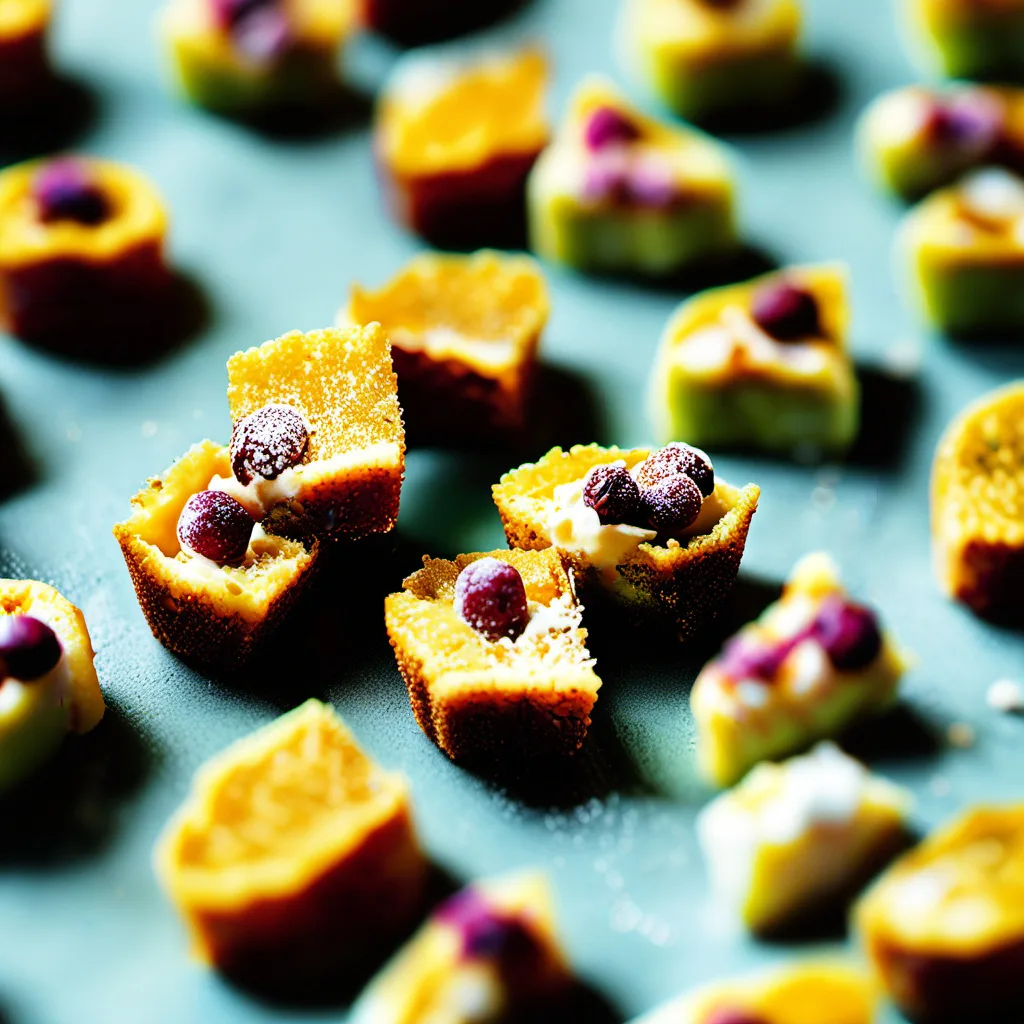
Entering a ketogenic lifestyle often feels like a liberation from the cycle of sugar crashes and energy dips, but for many, there is one persistent challenge: the sweet tooth. That deep, visceral craving for a small, decadent treat after dinner or a mid-afternoon pick-me-up can be the hardest hurdle to clear when transitioning to a low-carb way of eating. The struggle isn’t just about the taste; it is about the texture, the satisfaction, and the psychological comfort that a dessert provides.
The good news is that you do not have to abandon the joy of sweets to maintain ketosis. The secret lies in “dessert bites”—small, nutrient-dense, portion-controlled treats that utilize healthy fats and innovative sugar alternatives to mimic the experience of traditional confectionery. By focusing on high-quality ingredients and understanding the chemistry of sugar-free baking, you can create treats that taste genuinely amazing without compromising your metabolic goals.
Understanding the Chemistry of Keto Sweeteners
The biggest obstacle in creating sugar-free desserts is the “aftertaste.” Many people have tried keto treats that taste metallic, overly cooling, or chemically. To achieve a taste that truly rivals traditional sweets, you must understand which sweeteners to use and when.
Allulose is a game-changer for keto baking. It is a rare sugar found in figs and raisins that behaves remarkably like sucrose. Unlike other sugar alcohols, allulose caramelizes, making it ideal for bites that require a slightly toasted or chewy texture. It has about 70% of the sweetness of table sugar and does not cause the same digestive distress as some other alternatives.
Monk Fruit is prized for its intensity. Derived from a small melon native to Southeast Asia, it provides a clean sweetness without the calories. However, because it is so potent, it is often blended with erythritol. To avoid the “cooling effect” associated with erythritol, look for monk fruit blends that use a powdered form, which integrates more smoothly into fats like butter or coconut oil.
Stevia is a natural, plant-based option, but it can often carry a bitter or licorice-like aftertaste if used in excess. The trick to using stevia in dessert bites is to pair it with a strong flavor profile—such as dark cocoa or zesty lemon—to mask any lingering bitterness.
Essential Pantry Staples for Keto Confections
To build a repertoire of amazing dessert bites, your pantry needs a foundation of ingredients that provide structure and richness without the need for wheat flour or cane sugar. These staples are the building blocks of texture.
- Almond Flour: The gold standard for keto baking. It provides a buttery crumb and a neutral flavor that pairs well with almost anything. Super-fine almond flour is essential for bites to ensure they don’t feel gritty.
- Coconut Flour: Highly absorbent and fiber-rich. Because it absorbs significantly more liquid than almond flour, it is best used in small quantities or in combination with other flours to create a denser, more fudge-like consistency.
- Grass-Fed Butter and Coconut Oil: These provide the essential fats that carry flavor. Coconut oil is particularly useful for no-bake bites because it hardens when chilled, acting as a natural binder.
- Cream Cheese and Mascarpone: These add a tangy richness and a creamy mouthfeel that mimics the indulgence of traditional cheesecake or frosting.
- Pure Vanilla Extract and Cinnamon: These are “flavor enhancers.” They don’t add sweetness, but they trick the brain into perceiving a treat as sweeter than it actually is.
The Art of the No-Bake Method
For many keto enthusiasts, the no-bake method is the most reliable way to ensure a dessert bite tastes amazing. Baking with almond flour can sometimes lead to a dry or “eggy” texture if the ratios are slightly off. No-bake bites, however, rely on the emulsification of fats and sweeteners, resulting in a decadent, truffle-like experience.
The key to a successful no-bake bite is the temperature. When using coconut oil or butter, the mixture should be creamy and well-combined at room temperature, but then rapidly chilled. This “flash-setting” prevents the fats from separating and ensures a smooth, consistent bite. Using a silicone mini-muffin mold or a parchment-lined tray allows you to create uniform shapes that are easy to portion and store.
Another professional tip for no-bake treats is to use a food processor. Pulverizing your sweeteners into a fine powder before mixing them with fats eliminates the graininess often found in home-made keto treats. This creates a luxurious, melt-in-your-mouth sensation that is the hallmark of high-end confectionery.
Recipe Blueprint 1: Velvet Cocoa Nut Butter Truffles
These truffles are the ultimate salvation for chocolate lovers. They combine the richness of nut butter with the intensity of dark cocoa, creating a treat that feels sinful but remains low-carb.
Ingredients:
– 1/2 cup creamy almond butter or cashew butter (unsweetened)
– 1/4 cup melted coconut oil (grass-fed)
– 3 tablespoons unsweetened cocoa powder
– 1/4 cup powdered monk fruit sweetener
– 1 teaspoon vanilla extract
– A pinch of sea salt
Instructions:
1. In a medium bowl, whisk together the melted coconut oil and nut butter until smooth.
2. Sift in the cocoa powder and powdered monk fruit to ensure there are no lumps.
3. Stir in the vanilla extract and sea salt until the mixture forms a thick, glossy paste.
4. Scoop tablespoon-sized portions and roll them into balls using your palms.
5. Place the truffles on a parchment-lined tray and freeze for 20 minutes to set.
6. Optional: Roll the finished truffles in a light dusting of cocoa powder or crushed toasted hazelnuts for added texture.
These bites are rich in healthy monounsaturated fats, making them satisfying in small quantities. The sea salt is crucial here; it cuts through the richness of the fats and enhances the chocolate notes.
Recipe Blueprint 2: Zesty Lemon Cheesecake Bites
When you crave something bright and refreshing, these cheesecake bites are the perfect solution. They offer the creamy tang of a traditional New York cheesecake without the crust of refined flour.
Ingredients:
– 8 oz softened cream cheese (full fat)
– 1/4 cup powdered allulose or monk fruit
– 1 tablespoon fresh lemon zest
– 2 tablespoons fresh lemon juice
– 1/2 teaspoon vanilla extract
– 2 tablespoons melted butter (for the base)
Instructions:
1. Beat the softened cream cheese with the sweetener until light and fluffy.
2. Fold in the lemon zest, lemon juice, and vanilla extract until fully incorporated.
3. To create a simple base, mix 2 tablespoons of melted butter with 2 tablespoons of almond flour and a pinch of sweetener. Press this into the bottom of mini-muffin liners.
4. Pipe or spoon the cheesecake mixture over the base.
5. Refrigerate for at least 4 hours, or overnight, to allow the flavors to meld and the texture to firm up.
6. Top with a single fresh raspberry or a tiny mint leaf for a professional presentation.
The acidity of the lemon works beautifully to balance the heaviness of the cream cheese, making these bites feel light despite their caloric density.
Recipe Blueprint 3: Dark Chocolate Avocado Brownie Bites
Avocado is the secret weapon in keto desserts. It provides a buttery, creamy texture that mimics the fat content of flour and sugar, while adding heart-healthy omega-3s and potassium.
Ingredients:
– 1 ripe medium avocado, pitted and peeled
– 1/2 cup unsweetened cocoa powder
– 1/3 cup maple syrup alternative (like a monk fruit-based syrup)
– 1 teaspoon vanilla extract
– 1/4 teaspoon baking powder (optional, for a slightly lighter lift)
– 1/4 cup mini sugar-free chocolate chips
Instructions:
1. Place the avocado flesh in a food processor and blend until completely smooth—there should be no green lumps remaining.
2. Add the cocoa powder, syrup, and vanilla extract. Process again until the mixture is a deep, dark brown and cohesive.
3. Stir in the sugar-free chocolate chips by hand to maintain their shape.
4. Spoon the mixture into small molds or roll into bite-sized balls.
5. Chill in the refrigerator for 1 hour before serving.
The avocado flavor disappears entirely once combined with the cocoa, leaving behind a rich, fudgy consistency that is remarkably similar to a traditional brownie.
Overcoming Common Texture and Taste Pitfalls
Even with the best recipes, keto desserts can sometimes fall short. Understanding how to troubleshoot these issues will elevate your treats from “good for keto” to “genuinely amazing.”
The Grainy Texture: If your bites feel sandy, it is likely due to the sweetener crystals. To fix this, always use a blender or food processor to turn granulated sweeteners into a powder. Alternatively, switching to allulose can help, as it dissolves more readily in fats.
The “Cooling” Sensation: Erythritol often leaves a cold feeling on the tongue. To neutralize this, introduce “warm” flavors. Cinnamon, nutmeg, ginger, or a touch of almond extract can distract the palate and create a more rounded flavor profile.
The Mushy Consistency: If your bites are too soft to hold their shape, you likely have too much liquid or not enough binder. You can fix this by adding a tablespoon of coconut flour (which absorbs moisture rapidly) or by increasing the amount of coconut oil and chilling the treats for a longer period.
The Bitterness: If the treat tastes too bitter, it is often because the cocoa powder is too strong or the stevia is overpowering. A pinch of salt is the most effective remedy for bitterness, as it suppresses the bitter receptors on your tongue and allows the sweetness to shine through.
Storage, Freezing, and Mindful Consumption
Because keto dessert bites rely on fresh fats and lack the preservatives of store-bought sweets, proper storage is essential to maintain their quality and safety.
Refrigeration: Most keto bites should be stored in an airtight container in the refrigerator. This keeps the fats stable and prevents the treats from softening. They typically stay fresh for 5 to 7 days.
Freezing: One of the best things about these bites is that they freeze beautifully. In fact, many people prefer the texture of a slightly frozen keto truffle. Store them in a freezer-safe bag or container for up to three months. When you’re ready to eat one, let it sit at room temperature for 5-10 minutes for the perfect consistency.
Portion Control: While these ingredients are keto-friendly, they are calorie-dense. The “bite” format is intentional; it allows you to satisfy the craving without consuming an entire batch. To practice mindful consumption, pre-portion your treats into small containers or a divided tray so you can visually see your limit.
Pairing Your Bites for a Balanced Experience
To make your dessert experience feel like a complete occasion, consider how you pair your bites. This not only enhances the flavor but can also help regulate your blood sugar response.
With Beverages: A cup of unsweetened black coffee or a rich espresso pairs perfectly with the Cocoa Nut Butter Truffles, as the bitterness of the coffee complements the sweetness of the chocolate. For the Lemon Cheesecake Bites, a cup of herbal peppermint or chamomile tea provides a soothing contrast.
With Fresh Produce: Pairing a dessert bite with a few fresh raspberries or a slice of strawberry adds a natural tartness and a burst of antioxidants. The fiber in the berries further slows the digestion of the sweetener, making the treat even more metabolic-friendly.
As a Pre-Workout Boost: Because these bites are high in healthy fats, a single nut-butter-based bite can provide a steady source of energy for a low-intensity workout, avoiding the spike and crash associated with sugary pre-workout snacks.
Mastering the Science of Mouthfeel and Emulsification
While taste is the primary focus, the psychological satisfaction of a dessert often comes from its “mouthfeel”—the physical sensation of the food as it interacts with your palate. In traditional confectionery, sugar and gluten provide a specific structure and a slow-melting quality. In keto dessert bites, we must rely on the chemistry of fats to replicate this experience. One of the most common complaints with home-made keto treats is a “waxy” coating that clings to the roof of the mouth, a result of using too much coconut oil or failing to properly emulsify the fats.
To avoid the waxy sensation, focus on the melting point of your fats. Coconut oil has a relatively low melting point, but when used in isolation, it can feel greasy. The solution is to blend it with a saturated fat that has a higher melting point, such as grass-fed butter or cocoa butter. By creating a fat blend, you ensure that the bite remains stable at room temperature but melts smoothly and evenly upon contact with the tongue. A professional ratio often involves a 2:1 mix of butter to coconut oil for a creamy, luxurious texture that doesn’t feel oily.
Emulsification is the second pillar of mouthfeel. When you mix water-based ingredients (like vanilla extract or lemon juice) with fats (like almond butter or cream cheese), they naturally want to separate. This separation leads to a grainy or “broken” texture. To achieve a professional-grade emulsion, use an immersion blender or a high-speed food processor. The high shear force breaks the fat globules into smaller particles, allowing them to be evenly suspended throughout the mixture. If you notice your batter “splitting”—where small beads of oil appear on the surface—slowly whisk in a teaspoon of room-temperature cream cheese or a pinch of xanthan gum to pull the emulsion back together.
Another edge case occurs when using chilled ingredients. If you add cold cream cheese to melted coconut oil, the oil will seize, creating tiny hard clumps of fat. Always ensure your fats are at a consistent temperature before combining. For a truly velvet-like finish, try “tempering” your mixtures: slowly adding your liquid sweeteners to your melted fats in small increments, whisking vigorously between each addition. This ensures a homogenous structure that mimics the density of high-end ganache.
Advanced Binders and Structural Enhancers
Almond and coconut flours are excellent bases, but they lack the cohesive “stretch” and chewiness provided by gluten. If you find your dessert bites are too crumbly or lack a certain structural integrity, it is time to look beyond basic flours and introduce advanced binders. These ingredients act as the “glue” that holds the bite together, allowing for more complex shapes and textures.
Psyllium Husk Powder is an exceptional tool for those craving a chewier, more “doughy” consistency. Because it is a soluble fiber, it absorbs water and creates a gel-like matrix. When added in small amounts (usually 1-2 teaspoons per cup of flour), it gives keto bites a bite-back that resembles a traditional cookie or brownie. The key is to let the dough rest for 10-15 minutes after mixing; this gives the psyllium husk time to fully hydrate, preventing the treats from feeling “sandy” and ensuring they don’t fall apart during the rolling process.
Xanthan Gum is a powerful stabilizer used in commercial low-carb baking. Its primary role is to prevent ingredients from separating and to add a slight viscosity to the mixture. In dessert bites, a tiny pinch of xanthan gum can prevent the “weeping” effect—where moisture seeps out of the treat over time—making your bites last longer in the refrigerator. However, caution is required: using too much xanthan gum can result in a gummy, rubbery texture that is unpleasant. Start with 1/8 of a teaspoon and increase only if necessary.
Chia Seeds and Flax Meal provide a different kind of structure. When ground finely, flax meal adds a nutty depth and a sturdy crumb. Chia seeds, when soaked or blended, create a mucilaginous quality that is perfect for “energy-style” keto bites. For an edge-case scenario where you want a “crispy” exterior without baking, try rolling your chilled bites in a mixture of finely crushed toasted pecans and a hint of cinnamon. The contrast between the soft, bound center and the textured exterior tricks the brain into perceiving a more complex, professionally made confection.
Elevating Flavor Profiles with Botanical and Savory Infusions
To move your keto desserts from “satisfactory” to “gourmet,” you must look beyond the standard vanilla and cinnamon. The goal is to create a multi-dimensional flavor profile that engages different parts of the taste buds—sweet, salty, acidic, and bitter—simultaneously. This complexity prevents the “sweetener fatigue” that often occurs when eating sugar-free treats.
The Power of Umami: Adding a subtle savory element can paradoxically make a dessert taste sweeter and more rich. A tiny pinch of high-quality miso paste or a drop of soy sauce in a chocolate-based bite adds a deep, fermented undertone that mimics the complexity of salted caramel. Similarly, using a smoked sea salt instead of standard table salt can add a sophisticated, campfire-like depth to nut-butter truffles, cutting through the heaviness of the fats.
Botanical Accents: Floral and herbal notes can lift a heavy keto dessert and make it feel lighter. Cardamom is a fantastic pairing for lemon or white chocolate-style bites, offering a citrusy, herbal warmth. Lavender, when used sparingly, adds a sophisticated floral note to blueberry or raspberry-infused bites. For a more daring profile, try infusing your melted butter with fresh rosemary or thyme by simmering them together on low heat and then straining the herbs out. A rosemary-infused dark chocolate bite is an unexpected delight that feels like something from a high-end boutique.
Acidic Brightness: The richness of keto fats can sometimes feel overwhelming. Introducing a bright, acidic element can “reset” the palate. Beyond lemon juice, consider using a reduction of apple cider vinegar (which is low-carb in small amounts) or a touch of cream of tartar. In cheesecake bites, adding a small amount of Greek yogurt or a splash of balsamic glaze to a strawberry-flavored center creates a sharp contrast that prevents the treat from tasting one-dimensional. The secret is the “flavor bridge”: pairing a botanical (like mint) with an acid (like lime) and a fat (like mascarpone) to create a complete sensory experience.
The Precision Toolkit for the Keto Confectioner
Consistency is the hallmark of professional baking. Many home cooks struggle with keto desserts because they rely on volumetric measurements (cups and tablespoons), which are notoriously inaccurate for dense ingredients like almond flour and powdered sweeteners. Because almond flour can be packed tightly or loosely, a “cup” can vary by as much as 20-30 grams, which can be the difference between a perfect bite and a mushy mess.
The Digital Scale: Investing in a digital scale that measures in grams is the single most effective way to improve your results. Weighing your ingredients ensures that your fat-to-dry-ratio is exact every time. This is especially critical when using coconut flour, which is so absorbent that an extra tablespoon can turn a soft truffle into a dry brick. By switching to grams, you remove the guesswork and can precisely scale your recipes up or down.
Instant-Read Thermometers: Temperature control is vital, particularly when working with sugar-free chocolate or tempering cocoa butter. If you overheat sugar-free chocolate, the cocoa solids can burn, and the fats can separate, leading to a grainy texture and a dull appearance. Using a thermometer to keep your chocolate between 88°F and 92°F (31°C to 33°C) ensures a glossy finish and a satisfying “snap” when you bite into the treat. This process, known as tempering, prevents the fat from blooming (forming white streaks) during storage.
The Immersion Blender and Sieve: To achieve a truly smooth texture, a fine-mesh sieve is indispensable. Sifting your cocoa powder and powdered sweeteners removes lumps that are impossible to whisk out later. For the smoothest possible emulsions, an immersion blender (stick blender) is superior to a whisk. It allows you to process the mixture directly in the bowl, ensuring that the fats and sweeteners are perfectly integrated. For an even more refined result, try passing your finished, un-rolled mixture through a fine sieve to remove any remaining grit before chilling.
Nut-Free and Seed-Based Alternatives for Allergen-Friendly Bites
While almond flour is the keto gold standard, many people have nut allergies or prefer to avoid them for dietary reasons. Creating a dessert bite that is both nut-free and keto-friendly requires a shift in how you approach structure and flavor, as seed-based alternatives have different flavor profiles and absorbent properties.
Sunflower Seed Butter: This is the most reliable substitute for peanut or almond butter. However, sunflower seed butter can have a slightly bitter, “earthy” aftertaste that is more pronounced than nut butters. To neutralize this, increase the amount of salt slightly or add a touch of lemon juice. The acidity of the lemon cuts through the seediness, making the flavor profile cleaner. Sunflower butter is equally effective as a binder and provides a similar creamy mouthfeel to almond butter.
Pumpkin Seed Flour: For those needing a flour replacement, pumpkin seed flour (pepita flour) is a nutrient-dense option. It has a deeper, more savory flavor than almond flour, which makes it an excellent base for chocolate or spiced desserts. Because it is slightly more absorbent than almond flour, you may need to increase your fat content (butter or oil) by about 10% to maintain the same softness. It also provides a beautiful natural green tint that works well in “mint chocolate” themed bites.
Coconut-Only Bases: For a completely nut-and-seed-free option, a combination of shredded coconut (finely ground in a processor) and coconut cream can work. The challenge here is the lack of protein, which can make the bites feel too soft. To fix this, incorporate a small amount of collagen peptides or whey protein isolate. This adds the necessary structure and protein without altering the flavor, resulting in a bite that is stable and satisfying. Be mindful of the “coconut-forward” taste; pairing this base with strong flavors like espresso or ginger can help balance the sweetness of the coconut.
Layering and Filling Techniques for Gourmet Presentations
The difference between a simple keto truffle and a gourmet confection often lies in the internal architecture. Adding a center filling creates a “surprise” element and allows you to introduce flavors that wouldn’t blend well into the main dough. This technique transforms a basic snack into a sophisticated dessert.
The “Frozen Core” Method: The most effective way to create a filled bite is the frozen core method. Prepare your filling—such as a tart raspberry reduction (made by simmering frozen raspberries with a bit of allulose and lemon juice until thick) or a creamy peanut butter center—and pipe it into tiny spheres on a parchment-lined tray. Freeze these spheres until they are rock hard. Once frozen, scoop your main dessert dough around the core and roll it into a ball. By the time the bite is chilled and ready to serve, the center will have thawed into a luscious, gooey filling that contrasts beautifully with the outer shell.
The Double-Dip Shell: To achieve a professional, hard-shell exterior, use the double-dip method. Melt sugar-free chocolate with a small amount of coconut oil to create a dipping ganache. Dip the chilled bite into the chocolate, let it set in the refrigerator for 5 minutes, and then dip it a second time. This creates a thicker, more consistent shell that protects the interior from drying out and provides a more satisfying crunch. For an added touch, sprinkle a few flakes of Maldon sea salt on the second dip while the chocolate is still wet.
Creating a “Crust” Layer: For bites like the Lemon Cheesecake, you can elevate the presentation by creating a distinct crust. Instead of mixing the base into the bite, press a mixture of almond flour, melted butter, and cinnamon into the bottom of a mini-mold. Freeze the crust for 10 minutes before piping the creamy filling on top. This creates a sharp, clean line between the crust and the filling, mimicking the look of a full-sized cheesecake. To finish, use a piping bag with a star tip to add a small dollop of mascarpone cream on top, creating a visual height that is appealing for guests.
Seasonal Adaptation and Flavor Rotation
To keep your keto dessert routine from becoming stagnant, it is helpful to adapt your bites to the seasons. Not only does this allow you to use the freshest low-carb produce, but it also aligns the “mood” of the treat with the environment. A heavy, spiced truffle may feel too oppressive in July, while a zesty lemon bite might feel too sharp in December.
Summer Refreshers: In warmer months, focus on “cooling” ingredients and lighter textures. Replace some of the butter with coconut cream and incorporate flavors like lime zest, fresh mint, and cucumber-infused sweeteners. A “Coconut-Lime Breeze” bite, using a base of coconut flour and lime juice, topped with a single fresh blueberry, provides a refreshing sweetness that doesn’t feel heavy. Store these in the freezer and serve them semi-frozen for a treat that mimics a miniature ice cream bonbon.
Autumnal Warmth: As the temperature drops, shift toward “warming” spices. This is the time to experiment with nutmeg, cloves, ginger, and cinnamon. A “Pumpkin Spice Pepita” bite, using pumpkin seed flour and a blend of autumn spices, pairs perfectly with a hot cup of tea. To add a seasonal twist, incorporate a small amount of toasted pumpkin seeds into the dough for a crunch that evokes the feeling of fall.
Winter Decadence: Winter is the season for richness and intensity. Focus on dark chocolates, espresso, and citrus peels. A “Winter Orange Truffle,” combining dark cocoa with finely minced candied orange peel (sweetened with allulose), provides a sophisticated contrast. To make these feel extra indulgent, use a higher ratio of mascarpone to cream cheese in your creamy bites, creating a denser, more luxurious mouthfeel that complements the cozy atmosphere of the season. By rotating your flavors, you treat your sweet tooth to a variety of experiences, making the ketogenic lifestyle feel like a culinary exploration rather than a restriction.
Frequently Asked Questions
Q: Can I use honey or maple syrup if I’m not in strict ketosis but still want a sugar-free feel?
A: Honey and maple syrup are high in sugar and will spike insulin levels, which takes you out of ketosis. If you are following a general low-carb diet rather than strict keto, you can use them, but for the intended results of this guide, we recommend using a monk fruit or allulose-based syrup to keep the glycemic index low.
Q: My bites are too sticky to roll into balls. What should I do?
A: Stickiness usually happens when the fats are too warm or the sweetener ratio is too high. Place the mixture in the freezer for 15-20 minutes to firm up the fats. If it is still too sticky, fold in a teaspoon of almond flour or coconut flour at a time until the dough reaches a pliable, rollable consistency.
Q: Are these desserts safe for children or people not on a keto diet?
A: Yes, these ingredients are generally safe for everyone. However, be cautious with sugar alcohols like erythritol or malitol, as some children or sensitive individuals may experience digestive upset (bloating or gas) if consumed in large quantities. Always introduce new sweeteners gradually.
Q: Can I make these dairy-free or vegan?
A: Absolutely. For the nut butter truffles and brownie bites, simply use coconut oil instead of butter. For the cheesecake bites, you can substitute the cream cheese with a cashew-based vegan cream cheese and use melted coconut oil instead of butter for the base.
Q: Why do some of my keto treats taste like they have a “chemical” flavor?
A: This is usually caused by using a single, highly processed sweetener in a large amount. The secret to a natural taste is “sweetener blending.” By mixing two different types of sweeteners (e.g., monk fruit and allulose), you cover the flavor gaps of each, resulting in a taste that is much closer to real sugar.
Related posts:
 Healthy Frozen Banana Desserts
 Healthy Homemade Peanut Butter Cup Recipe
 Guilt-Free Cinnamon Roll Recipe
 Dark Chocolate Benefits for Memory
 The Coconut Pudding That Tastes Like Dessert But Isn’t
 Zoe Kravitz’s Coconut Oil Hair Care Secret
 Simple Vegan Ice Cream Recipe
 Hu Kitchen’s New Milk Chocolate Adventure