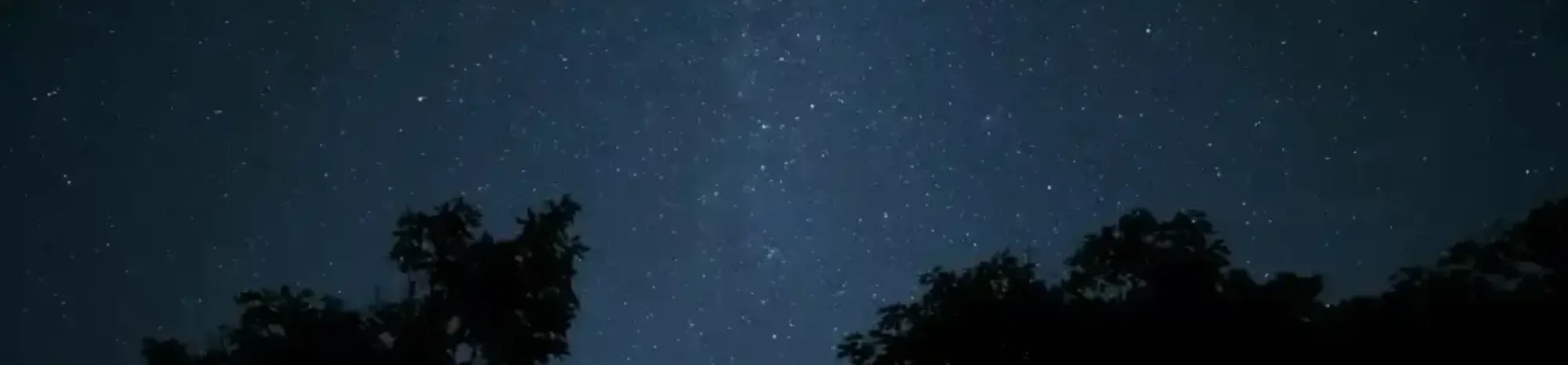

Welcome to the summer solstice, the longest day of the year and a significant moment in many cultures around the world. The summer solstice typically falls on June 20 or June 21 in the Northern Hemisphere, and it marks the beginning of summer. This special day has been celebrated for centuries with various rituals and traditions, which we will explore in this article.
Introduction to Summer Solstice
The summer solstice is an astronomical event that occurs when the Earth’s axis is tilted at its maximum angle of 23.5 degrees towards the Sun. This results in the longest day of the year and the shortest night. The summer solstice has been a significant event in many cultures, often associated with fertility, abundance, and the celebration of the sun.
History of Summer Solstice Celebrations
The summer solstice has been celebrated by various cultures throughout history. In ancient Greece, the summer solstice was associated with the festival of Kronia, which honored the god Cronus. In ancient Rome, the summer solstice was celebrated with the festival of Saturnalia, which honored the god Saturn. In many Native American cultures, the summer solstice is still celebrated with traditional dances, music, and feasting.
Modern Summer Solstice Rituals
Today, many people around the world celebrate the summer solstice with modern rituals and traditions. Some common practices include meditation, yoga, and outdoor activities such as hiking, swimming, and gardening. Many people also celebrate the summer solstice with feasting, bonfires, and music.
Creating Your Own Summer Solstice Ritual
Celebrating the summer solstice can be a meaningful and enriching experience. To create your own summer solstice ritual, start by setting an intention for what you want to achieve or celebrate. This could be a personal goal, a gratitude practice, or a way to connect with nature. Next, choose a location for your ritual, such as a park, beach, or mountain. You can also create a sacred space in your home or backyard.
Summer Solstice Ritual Ideas
Here are some ideas for summer solstice rituals: write a letter to yourself or a loved one, release balloons or lanterns, create a vision board or collage, have a bonfire or candlelight ceremony, practice a seasonal yoga or meditation sequence, or host a summer solstice party or potluck.
Connecting with Nature on the Summer Solstice
The summer solstice is a great opportunity to connect with nature and appreciate its beauty. Spend time outdoors, whether it’s hiking, gardening, or simply sitting in a park or backyard. Take a moment to appreciate the sunlight, the flowers, and the trees. You can also try your hand at outdoor activities such as kayaking, rock climbing, or cycling.
Summer Solstice and Personal Growth
The summer solstice can also be a time for personal growth and reflection. Take some time to reflect on your goals and aspirations, and think about what you want to achieve in the coming months. You can also use the summer solstice as an opportunity to let go of negative patterns or habits, and to cultivate positive ones.
Practical Tips for Hosting a Summer Solstice Gathering
Hosting a summer solstice gathering can be a wonderful way to connect with friends and family while celebrating the longest day of the year. To make your gathering a success, consider the following practical tips: choose a location that is easily accessible and has plenty of outdoor space, plan a variety of activities that cater to different interests and ages, and prepare a seasonal menu that incorporates fresh fruits, vegetables, and herbs. You can also create a playlist with music that evokes the feeling of summer, such as upbeat folk or world music.
Summer Solstice Rituals for Families with Children
The summer solstice is a great opportunity to teach children about the importance of nature, community, and celebration. Here are some summer solstice ritual ideas that are suitable for families with children: create a sun wheel or sundial using natural materials like sticks, stones, and flowers, have a picnic or barbecue in a park or backyard, and make a wish or intention for the coming months by writing it on a piece of paper and tying it to a balloon or lantern. You can also create a scavenger hunt that takes children on a journey through nature, where they can observe the sights, sounds, and smells of the season.
The Significance of Fire in Summer Solstice Rituals
Fire has long been a symbol of purification, transformation, and celebration in many cultures. In the context of summer solstice rituals, fire can be used to represent the light and warmth of the sun, as well as the passion and energy of the season. Here are some ways to incorporate fire into your summer solstice ritual: light a bonfire or candles, use fire to purify and cleanse a space or object, or create a fire ceremony where participants can write down things they want to release or let go of and burn them in the fire. You can also use fire to cook a seasonal meal or make s’mores with friends and family.
Summer Solstice and Astrology: Understanding the Cosmic Significance
The summer solstice is not only an astronomical event, but also a significant moment in the astrological calendar. Here are some ways to understand the cosmic significance of the summer solstice: learn about the astrological sign of Cancer, which is associated with the summer solstice, explore the themes of nurturing, protection, and community that are tied to the energy of Cancer, and reflect on how the summer solstice can be a time for personal growth and transformation. You can also use the summer solstice as an opportunity to set intentions and make wishes for the coming months, using the energy of the sun and the cosmos to guide and support you.
Summer Solstice Rituals for Urban Dwellers
Just because you live in a city doesn’t mean you can’t celebrate the summer solstice. Here are some summer solstice ritual ideas that are suitable for urban dwellers: find a rooftop or community garden where you can connect with nature, create a sacred space in your home or apartment using plants, candles, and other natural elements, and take a walk or hike in a nearby park or nature reserve. You can also use the summer solstice as an opportunity to connect with your community, whether it’s by attending a local event or festival, or by hosting a potluck or gathering with friends and neighbors.
Summer Solstice FAQ
Here are some frequently asked questions about the summer solstice:
Q: What is the summer solstice? A: The summer solstice is an astronomical event that occurs when the Earth’s axis is tilted at its maximum angle of 23.5 degrees towards the Sun, resulting in the longest day of the year and the shortest night.
Q: When does the summer solstice occur? A: The summer solstice typically falls on June 20 or June 21 in the Northern Hemisphere.
Q: How is the summer solstice celebrated? A: The summer solstice is celebrated with various rituals and traditions, including meditation, yoga, outdoor activities, feasting, bonfires, and music.
Q: What is the significance of the summer solstice? A: The summer solstice is significant because it marks the beginning of summer and is often associated with fertility, abundance, and the celebration of the sun.
Q: Can I create my own summer solstice ritual? A: Yes, you can create your own summer solstice ritual by setting an intention, choosing a location, and incorporating meaningful practices such as meditation, yoga, or outdoor activities.
Related posts:
 How to Handle a Grease Fire
 Your Holiday Horoscope: What the Stars Have in Store for Christmas Week
 Hosting a Summer Solstice Circle
 December’s Most Astrologically Significant Day
 How Your Zodiac Sign Matches Up In Relationships
 Why the Summer Solstice Is Considered the Luckiest Day of the Year
 Your Perfect Summer Reading List Based on Your Zodiac Sign
 Summer Romance Compatibility Guide