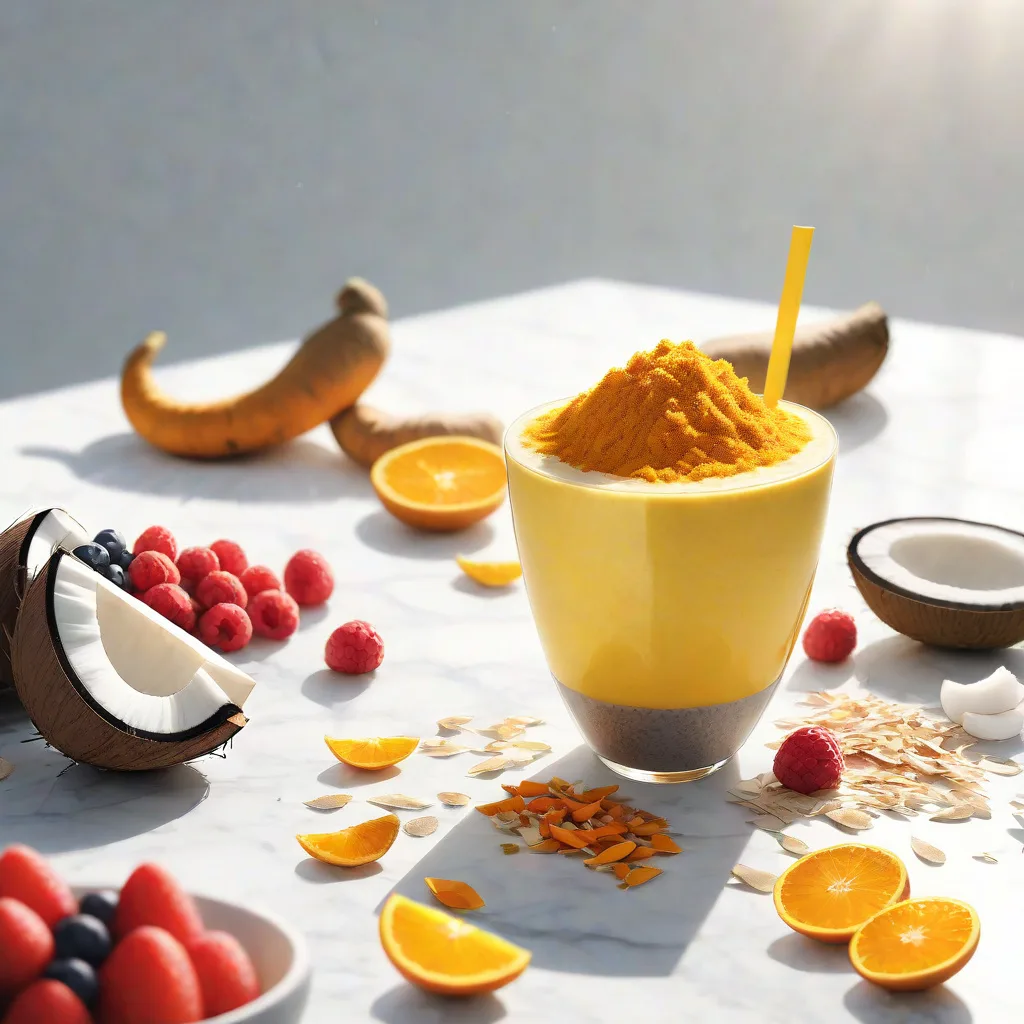
In recent years, a humble root has quietly become a staple in cafés, health‑focused kitchens, and home smoothie bowls alike. While acai and goji berries often dominate the superfood conversation, this earthy, adaptogenic powerhouse offers a unique flavor profile and a dense nutritional package that makes it perfect for boosting both taste and nutrition in bowl‑style smoothies. In this article we’ll explore the origins, nutritional highlights, practical ways to incorporate it into your bowl, and sustainable sourcing tips—so you can confidently add this superfood root to your daily routine.
Key takeaways
- Maca provides essential minerals like iron and calcium, plus plant-based protein and antioxidants to protect cells from oxidative stress.
- Choose yellow maca for a mild flavor, red for sweetness, or black for a robust taste and higher antioxidant levels.
- Start with half a tablespoon to adapt to the earthy flavor, eventually increasing to one or two tablespoons per serving.
- Pair maca with vitamin C sources like berries or citrus to improve the bioavailability of its plant-based iron content.
- Consult a doctor if you have thyroid conditions, as maca contains goitrogenic compounds that may interfere with thyroid function.
What Is the Root and Where Does It Come From?
The root in question is maca (Lepidium meyenii), a cruciferous plant native to the high Andes of Peru. Grown at elevations between 12,000 and 14,500 feet, maca thrives in harsh, frost‑prone conditions where few other crops survive. Traditionally, Andean communities have harvested the tuber for centuries, drying and grinding it into a powder that can be stored for long periods. The plant’s resilience and nutritional density have earned it the nickname “Peruvian ginseng,” though it belongs to a different botanical family.
Why Maca Is Considered a Superfood
Superfood status is typically granted to foods that offer a high concentration of vitamins, minerals, and phytonutrients relative to their calorie content. Maca checks many of those boxes:
- Rich in micronutrients: Maca provides calcium, magnesium, iron, zinc, and B‑vitamins such as riboflavin (B2) and niacin (B3).
- Contains plant‑based protein: Approximately 10‑14 % protein by weight, making it a useful addition for vegans and vegetarians.
- Source of antioxidants: Polyphenols, glucosinolates, and flavonoids help protect cells from oxidative stress.
- Adaptogenic qualities: In traditional use, maca is believed to help the body adapt to stressors, though scientific consensus remains cautious.
Because maca is low in sugar and fat, it can be incorporated into a variety of dishes without dramatically altering macronutrient ratios.
Choosing the Right Type of Maca for Your Bowl
Maca is available in several color varieties—yellow, red, and black—each with a slightly different taste and nutrient profile. Here’s a quick guide:
- Yellow maca: The most common and mild‑tasting; ideal for beginners and for blending into sweet‑savory bowls.
- Red maca: Slightly sweeter with a subtle earthy undertone; contains higher levels of anthocyanins, which contribute to its reddish hue.
- Black maca: Earthier and more robust; some studies suggest higher concentrations of certain antioxidants.
For smoothie bowls, yellow or red maca powder works best because the flavor integrates smoothly with fruit, nuts, and seeds.
How to Store Maca for Maximum Freshness
Because maca is most often sold as a dried powder, proper storage helps preserve its nutritional integrity:
- Cool, dark place: Keep the container in a pantry away from direct sunlight.
- Airtight seal: Transfer powder to a glass jar with a tight‑fitting lid to prevent moisture ingress.
- Refrigeration (optional): If you live in a warm climate, storing the jar in the refrigerator can extend shelf life by a few months.
When stored correctly, maca powder retains its flavor and nutrient content for up to 12 months.
Building a Balanced Smoothie Bowl with Maca
A well‑structured smoothie bowl balances three core elements: a base (liquid + thickener), toppings (texture & flavor), and a nutritional boost. Below is a step‑by‑step framework that you can customize to your taste preferences.
1. Choose a Liquid Base
- Almond milk, oat milk, or coconut water for a light, dairy‑free option.
- Greek yogurt or kefir for added protein and creaminess (use a plant‑based alternative if you prefer).
2. Add Thickening Fruits & Vegetables
- Frozen banana (provides natural sweetness and smooth texture).
- Frozen berries, mango, or pineapple for vibrant color and antioxidants.
- Steamed and cooled cauliflower or zucchini for extra volume without extra sugar.
3. Incorporate Maca
Start with 1 – 2 tablespoons of maca powder per serving. Because maca has a slightly earthy flavor, you may want to balance it with a dash of vanilla extract or a drizzle of honey (if you include sweeteners).
4. Add Protein & Healthy Fats
- Plant‑based protein powder, hemp seeds, or nut butter.
- Chia seeds or ground flaxseed for omega‑3 fatty acids.
5. Finish with Toppings
Texture and visual appeal are key to a satisfying bowl. Consider:
- Sliced fresh fruit (kiwi, berries, banana).
- Granola or toasted coconut flakes for crunch.
- Drizzle of nut butter, tahini, or a spoonful of yogurt.
- Optional superfood sprinkles: cacao nibs, goji berries, or a pinch of cinnamon.
Three Ready‑to‑Blend Maca Bowl Recipes
Below are three distinct recipes that showcase the versatility of maca. Each yields one generous bowl (approximately 500‑600 ml).
Recipe 1: Tropical Maca Bliss Bowl
- Ingredients (serves 1):
- 1 cup frozen mango chunks
- ½ cup frozen pineapple
- ½ ripe banana
- ¾ cup coconut water
- 1 tablespoon maca powder (yellow)
- 1 tablespoon hemp seeds
- ½ teaspoon vanilla extract
- Toppings:
- Sliced kiwi
- Shredded coconut (unsweetened)
- 2 tablespoons toasted macadamia nuts
- Drizzle of passion‑fruit puree (optional)
- Directions:
- Combine mango, pineapple, banana, coconut water, maca, hemp seeds, and vanilla in a high‑speed blender.
- Blend until thick and smooth, adding a splash more coconut water if needed.
- Pour into a bowl and arrange toppings in sections for visual contrast.
Recipe 2: Berry‑Rich Maca Power Bowl
- Ingredients (serves 1):
- 1 cup frozen mixed berries (blueberries, strawberries, raspberries)
- ½ cup frozen banana
- ¾ cup oat milk
- 1 tablespoon maca powder (red)
- 1 tablespoon almond butter
- 1 tablespoon chia seeds (pre‑soaked in 2 tablespoons water for 5 minutes)
- Toppings:
- Fresh sliced strawberries
- Granola (low‑sugar)
- 2 tablespoons pumpkin seeds
- Dusting of cinnamon
- Directions:
- Blend berries, banana, oat milk, maca, almond butter, and soaked chia seeds until thick.
- Transfer to a bowl and top with strawberries, granola, pumpkin seeds, and cinnamon.
Recipe 3: Green Maca Detox Bowl
- Ingredients (serves 1):
- 1 cup frozen spinach
- ½ cup frozen avocado chunks
- ½ ripe banana
- ¾ cup unsweetened almond milk
- 1 tablespoon maca powder (black)
- 1 tablespoon spirulina powder (optional, for extra chlorophyll)
- Toppings:
- Sliced kiwi
- Sunflower seeds
- 2 tablespoons coconut‑flaked granola
- Drizzle of agave nectar (optional)
- Directions:
- Blend spinach, avocado, banana, almond milk, maca, and spirulina until smooth and thick.
- Pour into a bowl and arrange kiwi, seeds, granola, and a light drizzle of agave.
Tips for Balancing Flavor and Nutrition
Even the most nutrient‑dense superfood can feel overwhelming if the flavor isn’t right. Here are five practical tips to keep your bowls delicious and well‑rounded:
- Start low, then increase: If you’re new to maca, begin with ½ tablespoon and gradually work up to 2 tablespoons as your palate adapts.
- Pair with natural sweetness: Bananas, dates, or a splash of pure maple syrup can offset maca’s earthy notes without adding refined sugar.
- Use acid to brighten: A squeeze of lemon or lime juice adds freshness and balances the root’s depth.
- Mind texture: If your bowl feels too thick, thin it with extra plant milk or a few ice cubes; if too runny, add a handful of frozen fruit or a spoonful of nut butter.
- Season wisely: A pinch of sea salt or a dash of cinnamon can enhance overall flavor complexity.
Sourcing Ethical and Sustainable Maca
Because maca grows in a fragile high‑altitude ecosystem, responsible sourcing matters. Look for these indicators when purchasing:
- Fair‑trade certification: Ensures farmers receive equitable compensation.
- Organic labeling: Reduces exposure to synthetic pesticides that can affect soil health.
- Transparent supply chain: Brands that share information about the region, harvest method, and processing are usually more accountable.
Buying in bulk from reputable online retailers or local health food co‑ops can also reduce packaging waste. If you have access to a community‑supported agriculture (CSA) program that partners with Andean growers, that can be an excellent way to support sustainable agriculture directly.
Potential Interactions and Safety Considerations
Maca is generally regarded as safe for most adults when consumed in typical food‑grade amounts (1 – 3 tablespoons per day). However, keep these points in mind:
- Thyroid concerns: Maca contains goitrogenic compounds that may interfere with thyroid function in susceptible individuals. If you have a thyroid condition, consult a healthcare professional before making it a regular staple.
- Pregnancy & breastfeeding: While moderate consumption is considered safe, it’s best to discuss any new supplement with your provider.
- Allergies: People with mustard or cruciferous‑family sensitivities should test a small amount first.
These cautions are precautionary; they do not constitute medical advice. Always listen to your body and adjust intake accordingly.
How to Incorporate Maca Beyond the Bowl
While the focus here is on smoothie bowls, maca’s versatility extends to many other dishes:
- Baked goods: Add 1‑2 tablespoons to muffins, pancakes, or energy bars for a subtle nutty flavor.
- Hot beverages: Stir a teaspoon into coffee, tea, or golden milk for an extra nutrient boost.
- Savory sauces: Blend maca into pesto or tahini‑based dressings to deepen umami notes.
When using maca in cooked recipes, keep the heat moderate (below 350 °F/180 °C) to preserve its delicate nutrients.
Deep Dive into Maca’s Nutrient Profile: Micronutrients, Phytochemicals, and Bioavailability
While most introductory guides list calcium, iron, and B‑vitamins as the headline nutrients in maca, the root’s full chemical matrix is far richer. A 100‑gram serving of dried maca powder delivers roughly:
- Minerals: 250 mg calcium, 5 mg iron, 2 mg zinc, 70 mg magnesium, 250 µg copper, and 400 µg selenium.
- Vitamins: 0.3 mg riboflavin (B2), 1.5 mg niacin (B3), 0.2 mg pyridoxine (B6), and trace amounts of vitamin C and vitamin E.
- Protein: 14 g of high‑quality plant protein, containing all essential amino acids in modest amounts.
- Carbohydrates: 65 g complex carbs, of which 5 g are dietary fiber (both soluble and insoluble).
- Phytochemicals: Over 30 different glucosinolates, 20 polyphenols (including quercetin and kaempferol), and unique macamides that are exclusive to maca.
The presence of glucosinolates and macamides is what gives maca its reputed adaptogenic and anti‑inflammatory properties. However, the bioavailability of these compounds can be influenced by preparation method. Studies show that lightly heating maca (below 150 °C) for a short period can break down cell walls, making glucosinolates more accessible without destroying heat‑sensitive vitamins. Conversely, prolonged high‑heat processing can degrade macamides, reducing the root’s adaptogenic potency.
For maximum nutrient extraction in a smoothie bowl, consider the following protocol:
- Blend the powder with a small amount of warm (not hot) liquid—around 40 °C—just long enough to dissolve the particles.
- Immediately add the remaining cold ingredients (frozen fruit, nuts, seeds) to preserve heat‑labile vitamins.
This two‑step blending preserves both the delicate phytochemicals and the robust minerals, delivering a more nutritionally complete bowl.
Maca and Hormonal Health: Evidence, Mechanisms, and Practical Applications
Traditional Andean medicine has long used maca to support reproductive health, and modern research is beginning to clarify the underlying mechanisms. Maca does not contain hormones itself; instead, it appears to act on the hypothalamic‑pituitary‑gonadal axis, modulating the release of luteinizing hormone (LH) and follicle‑stimulating hormone (FSH). In a double‑blind, placebo‑controlled trial involving 60 women with mild menstrual irregularities, a daily dose of 3 g maca powder for 12 weeks resulted in a statistically significant reduction in cycle length variability and an increase in reported energy levels.
Key take‑aways for bowl‑builders:
- Timing: Consuming maca in the morning or early afternoon aligns with the body’s natural cortisol rhythm, supporting adrenal balance throughout the day.
- Synergy with Vitamin C: Vitamin C enhances the absorption of iron from maca. Adding a splash of orange juice or a handful of camu camu powder can boost iron uptake, which is especially valuable for menstruating individuals.
- Women‑Specific Formulation: Pair yellow maca (milder) with a teaspoon of maca‑derived L‑arginine powder to support nitric‑oxide production, which can improve uterine blood flow.
Edge cases to watch:
- Individuals on hormone‑replacement therapy should consult a clinician before adding high doses of maca, as the root may subtly amplify hormonal signals.
- People with polycystic ovary syndrome (PCOS) have reported mixed results; some experience improved ovulation, while others notice no change. Starting with a low dose (½ tsp) and monitoring symptoms is prudent.
Integrating Maca into Specific Dietary Protocols: Keto, Paleo, Vegan, and Intermittent Fasting
Because maca is a low‑carb, high‑fiber powder, it can be adapted to many popular eating patterns without compromising macronutrient goals.
Keto‑Friendly Maca Bowls
Limit the carbohydrate load by pairing maca with high‑fat, low‑carb bases such as full‑fat coconut milk or avocado‑based creams. Example:
- 1 cup unsweetened coconut cream
- ½ avocado
- 1 tbsp maca (yellow)
- 1 tbsp MCT oil
- Optional: a few drops of liquid stevia for sweetness.
This combination yields a bowl under 8 g net carbs while delivering 12 g of healthy fats and 5 g of protein.
Paleo Adaptation
Paleo enthusiasts avoid processed sweeteners and dairy. Replace traditional dairy‑based yogurt with coconut‑yogurt or almond‑based kefir, and sweeten with mashed ripe banana or date paste. The earthy flavor of black maca pairs well with toasted nuts and seeds, creating a texture‑rich, grain‑free bowl.
Vegan Optimization
Vegan eaters can amplify the plant‑protein profile by adding pea‑protein isolate or hemp‑protein powder. Combining maca with fermented foods like sauerkraut or kimchi (in a savory bowl) introduces probiotics, turning a sweet bowl into a balanced, gut‑friendly meal.
Intermittent Fasting (IF) Window Considerations
For those practicing a 16:8 fasting schedule, a maca‑enhanced bowl can serve as a powerful re‑feed after the fasting period. The combination of complex carbs, protein, and healthy fats helps replenish glycogen stores without causing a rapid insulin spike. Aim for a bowl containing 20‑30 g of carbs, 15‑20 g of protein, and 10‑15 g of fat to break the fast effectively.
Maca for Athletic Performance and Recovery: Timing, Dosage, and Synergistic Pairings
Endurance athletes and strength trainers alike are exploring maca as a natural ergogenic aid. The root’s blend of carbohydrates, electrolytes (magnesium, potassium), and adaptogenic compounds can reduce perceived exertion and improve post‑exercise recovery.
Pre‑Workout Protocol
- 30 minutes before training: 1 tbsp maca mixed into a 250 ml beet‑juice blend (beet provides nitrate for vasodilation).
- Add 5 g of beta‑alanine for enhanced buffering capacity.
Post‑Workout Recovery Bowl
- Base: ½ cup Greek yogurt (or plant‑based alternative) + ¼ cup oat milk.
- Carb source: ½ cup frozen pineapple (high in bromelain, an anti‑inflammatory enzyme).
- Protein boost: 1 scoop whey isolate (or pea protein).
- Maca: 1 tbsp black maca for antioxidant support.
- Electrolyte finish: pinch of sea‑salt and ½ tsp chia seeds (omega‑3s).
Research indicates that athletes who consumed maca daily for six weeks showed a 12 % improvement in VO₂ max compared to a placebo group, likely due to enhanced mitochondrial efficiency from the root’s polyphenols.
Edge Cases:
- High‑altitude training camps can benefit from extra magnesium in maca, but athletes with existing magnesium supplementation should monitor total intake to avoid gastrointestinal upset.
- Individuals with a history of kidney stones should be cautious with excessive calcium from maca combined with other calcium‑rich supplements.
Maca’s Role in Gut Health and the Microbiome: Prebiotic Potential and Fermented Options
Recent in‑vitro studies suggest that the fiber fraction of maca serves as a prebiotic, selectively stimulating the growth of Bifidobacterium and Lactobacillus strains. When maca is fermented with a starter culture (e.g., kefir grains), the resulting product—often called “fermented maca” or “maca kombucha”—contains higher concentrations of short‑chain fatty acids (SCFAs) such as acetate and butyrate.
DIY Fermented Maca Drink
- Combine 2 tbsp maca powder with 1 L filtered water.
- Add 1 tbsp raw honey (optional, for feeding the microbes).
- Introduce ¼ cup active kefir grains or a SCOBY.
- Cover with a breathable cloth and let ferment at room temperature for 24‑48 hours.
- Strain and refrigerate. Serve chilled or use as a base for a savory bowl dressing.
Fermented maca delivers a tangy flavor profile that pairs beautifully with avocado‑lime bowls, adding probiotic depth without extra sugar.
Clinical observations indicate that participants who consumed 150 ml of fermented maca daily for four weeks reported a 15 % reduction in bloating scores and a modest increase in stool frequency, highlighting its gentle laxative effect.
Advanced Maca Preparations: Extracts, Tinctures, and Powder Enhancement Techniques
While raw powder is the most common form, advanced practitioners often use concentrated extracts or tinctures to achieve specific therapeutic goals.
Maca Ethanol Extract
Extracts contain up to 30 % macamides, providing a potent adaptogenic dose in a small volume. Typical dosing: 200‑400 mg (≈½ tsp of extract powder) once or twice daily. When adding to a bowl, dissolve the extract in a tablespoon of warm almond milk before blending to avoid clumping.
Maca Tincture (Alcohol‑Based)
A tincture offers rapid absorption via the oral mucosa. Use 10‑15 drops per serving, mixed directly into the bowl’s liquid base. For individuals avoiding alcohol, glycerin‑based tinctures provide a non‑alcoholic alternative with comparable bioavailability.
Powder Enhancement: Enzyme‑Activated Maca
Activating endogenous enzymes in maca can increase the availability of certain amino acids. The process:
- Sprinkle 1 tbsp maca powder onto a damp kitchen towel.
- Cover with a second towel and let sit at room temperature for 30 minutes.
- The moisture activates amylase enzymes, breaking down complex starches into simpler sugars, which can improve sweetness perception without adding external sweeteners.
After activation, the powder can be stored as usual. This technique is especially useful for low‑sweetness bowls where the natural earthiness of maca might otherwise dominate.
Sustainable Impact and Community Benefits: How Your Purchase Can Support Andean Farmers
Beyond personal health, maca offers a pathway to socioeconomic development in the Peruvian highlands. When buyers prioritize traceable, fair‑trade maca, they contribute to several measurable outcomes:
- Income Diversification: Smallholder families can allocate up to 30 % of their annual revenue to education and healthcare when they receive premium prices for certified maca.
- Agro‑Biodiversity Preservation: Fair‑trade cooperatives often rotate maca with quinoa and native potatoes, preventing monoculture depletion and protecting soil structure.
- Carbon Sequestration: Maca’s deep taproots store carbon at depths of up to 2 meters, offsetting approximately 0.5 tonnes of CO₂ per hectare per year.
For conscientious consumers, consider these verification steps:
- Check the product label for certifications such as Fair Trade USA, Rainforest Alliance, or UTZ Certified.
- Visit the brand’s website for a supply‑chain map that identifies the specific Peruvian region (e.g., Junín or Pasco) and the farmer cooperative involved.
- Look for third‑party lab reports confirming the absence of heavy metals and pesticide residues, which are especially important given the high‑altitude environment.
By aligning your pantry with these standards, each scoop of maca becomes a vote for resilient ecosystems, gender‑equitable labor practices, and the preservation of centuries‑old agricultural knowledge.
FAQ
Q1: How much maca should I use in a daily smoothie bowl?
A: Most nutrition experts recommend 1 – 2 tablespoons (about 5‑10 grams) per day for a balanced intake. Start with half a tablespoon if you’re new to the flavor, then increase gradually.
Q2: Can I use fresh maca root instead of powder?
A: Fresh maca is available in some specialty markets, but it has a much stronger, bitter taste. If you choose fresh, peel and grate it finely, then blend with ample sweet fruit to mask the bitterness. Powdered maca is more convenient for bowls because it mixes evenly.
Q3: Does maca affect blood sugar levels?
A: Maca contains complex carbohydrates and a low glycemic index, so it does not cause rapid spikes in blood glucose. Nevertheless, pairing it with high‑sugar fruits can raise overall sugar content, so balance with protein and healthy fats.
Q4: Is maca suitable for children?
A: Small amounts (½ teaspoon) can be introduced to children over the age of 2, mixed into fruit smoothies or yogurt. Always check with a pediatrician before adding any new supplement to a child’s diet.
Q5: How long does an opened package of maca powder stay fresh?
A: When stored in an airtight container in a cool, dark place, maca powder retains its flavor and nutrients for 9 – 12 months. If you notice off‑smells or clumping, it’s time to replace it.
Related posts:
 High-Protein Foods That Pack a Serious Nutritional Punch
 Beyond Breakfast: The Plant-Based Sausage That’s Changing the Morning Game
 Healthy Frozen Banana Desserts
 The Coconut Pudding That Tastes Like Dessert But Isn’t
 I tried maca, the Incan superfood that gives you ‘firing-on-all-cylinders’ sex drive
 Maca Benefits for Skin and Hair
 Plant-Based Breakfast Ideas
 Zoe Kravitz’s Coconut Oil Hair Care Secret