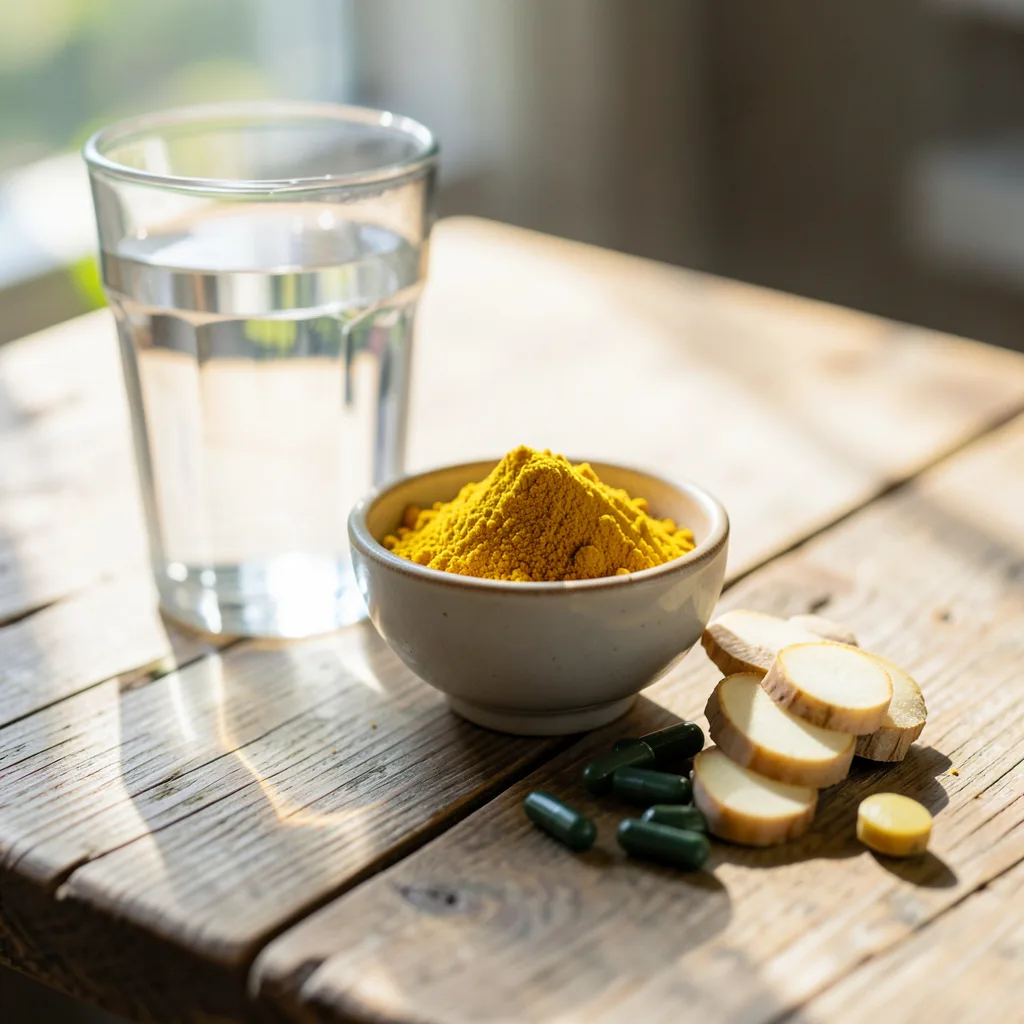
Inflammation is a natural defense mechanism, but when it lingers it can contribute to joint discomfort, digestive issues, skin flare‑ups, and even long‑term disease risk. While a balanced diet, regular movement, and adequate sleep remain the foundation of any anti‑inflammatory plan, many people turn to supplements for an extra edge. This guide reviews the most researched botanical and nutrient compounds that have demonstrated measurable anti‑inflammatory effects in human studies, explains how they work, and offers practical tips for selecting high‑quality products and integrating them safely into daily life.
Key takeaways
- Omega-3 fatty acids, curcumin, Boswellia, and ginger are well-researched nutrients that help lower markers like CRP and ease joint discomfort.
- Always choose supplements standardized to active compounds, such as 95% curcuminoids or 30% boswellic acids, to ensure clinical efficacy.
- Take fat-soluble supplements like fish oil and curcumin with meals to improve absorption and reduce the risk of digestive upset.
- Support the gut-immune axis using prebiotics and specific probiotic strains to dampen inflammation originating in the digestive tract.
- Consult a healthcare professional before starting new supplements, especially if you take blood thinners or have chronic health conditions.
1. What Is Inflammation and Why It Matters
Inflammation is the body’s response to perceived threats—injury, infection, or chemical irritation. In its acute form, it triggers redness, heat, swelling, and pain, helping to isolate and repair damaged tissue. Chronic inflammation, however, persists at low levels and can subtly alter cellular signaling pathways, contributing to conditions such as arthritis, cardiovascular disease, metabolic syndrome, and neurodegeneration.
Key biomarkers that researchers track include C‑reactive protein (CRP), interleukin‑6 (IL‑6), and tumor necrosis factor‑alpha (TNF‑α). Elevated levels of these markers often correlate with lifestyle factors—high sugar intake, sedentary behavior, chronic stress, and insufficient sleep. While lifestyle changes are the most powerful lever, certain nutrients can modulate the same pathways, lowering biomarker levels and easing symptoms.
2. Omega‑3 Fatty Acids (EPA & DHA)
Long‑chain omega‑3s—eicosapentaenoic acid (EPA) and docosahexaenoic acid (DHA)—are perhaps the most consistently supported anti‑inflammatory nutrients. They compete with arachidonic acid (an omega‑6 fatty acid) for the same enzymatic pathways, leading to the production of less inflammatory eicosanoids and specialized pro‑resolving mediators (SPMs) such as resolvins and protectins.
Clinical trials involving 1,000+ participants with rheumatoid arthritis, psoriasis, and even mild cognitive impairment have shown that daily EPA/DHA doses of 1,000–3,000 mg can reduce CRP by 10–30 % and improve joint tenderness scores. For most adults, a combined EPA/DHA intake of 1,000 mg is a practical starting point.
How to choose: Look for products that guarantee a specific EPA/DHA ratio (e.g., 180 mg EPA/120 mg DHA per softgel) and are certified free of heavy metals and PCBs. Molecularly distilled fish oil, krill oil, and algae‑derived EPA/DHA are all viable options; algae oil is especially suitable for vegans.
3. Curcumin – The Golden Anti‑Inflammatory
Curcumin, the polyphenol that gives turmeric its bright hue, modulates inflammation by inhibiting NF‑κB, a transcription factor that drives the expression of many pro‑inflammatory cytokines. In vitro studies show curcumin can suppress IL‑1β, IL‑6, and TNF‑α, while human trials have reported reductions in joint pain and CRP when participants consume 500–2,000 mg of standardized curcumin daily.
One challenge is curcumin’s low oral bioavailability. Modern formulations address this with piperine (black‑pepper extract), lipid‑based nanomicelles, or phospholipid complexes (e.g., Meriva®). A typical effective dose is 500 mg of a 95 % curcuminoid extract combined with 5 mg piperine, taken with a meal containing some fat.
How to choose: Verify the label states the percentage of curcuminoids (≥ 95 %) and includes a proven absorption enhancer. Third‑party testing for contaminants such as lead and aflatoxins is also essential.
4. Boswellia Serrata (Frankincense) Resin
Boswellia serrata yields boswellic acids, especially acetyl‑11‑keto‑β‑boswellic acid (AKBA), which directly inhibit 5‑lipoxygenase—a key enzyme in leukotriene synthesis. In randomized controlled trials with osteoarthritis patients, 300–500 mg of Boswellia extract (standardized to ≥ 30 % boswellic acids) taken twice daily lowered pain scores and improved joint function comparable to non‑steroidal anti‑inflammatory drugs (NSAIDs) but with fewer gastrointestinal side effects.
Because AKBA is poorly absorbed, many manufacturers combine Boswellia with ginger or use a “bio‑enhanced” formulation that includes phospholipids. A daily dose of 600 mg of a high‑AKBA extract is a common therapeutic range.
How to choose: Look for extracts standardized to a minimum of 30 % total boswellic acids, with at least 2 % AKBA. Independent lab testing for microbial contamination and heavy metals is advisable.
5. Ginger (Zingiber officinale)
Ginger contains gingerols and shogaols, phenolic compounds that suppress NF‑κB and COX‑2 activity, both central to inflammatory cascades. A meta‑analysis of six randomized trials involving patients with knee osteoarthritis found that 1,000 mg of ginger extract taken three times daily reduced pain and stiffness similarly to ibuprofen.
Fresh ginger can be incorporated into meals, but for consistent dosing, a standardized extract (5 % gingerols) is preferable. Typical dosing ranges from 500 mg to 1,500 mg per day, divided across meals.
How to choose: Verify the extract is standardized to gingerols and that the product is free from added sugars or fillers. Look for GMP‑certified facilities.
6. Green Tea Extract (EGCG)
Epigallocatechin‑3‑gallate (EGCG) is the most potent catechin in green tea and exerts anti‑inflammatory effects by inhibiting MAPK and NF‑κB pathways. Human studies with doses of 300–500 mg EGCG per day have demonstrated modest reductions in CRP and improved endothelial function, especially when combined with a Mediterranean‑style diet.
Because EGCG can affect iron absorption, it is best taken between meals. A daily dose of 400 mg of a decaffeinated green tea extract (standardized to ≥ 50 % EGCG) provides a balance of efficacy and tolerability.
How to choose: Choose a product that lists the exact EGCG content and is tested for pesticide residues. Avoid extracts that exceed 800 mg per serving, as higher doses may increase liver‑enzyme activity in susceptible individuals.
7. Vitamin D – Immune Modulation and Inflammation
Vitamin D receptors are present on most immune cells. Sufficient vitamin D status (serum 25‑OH‑D ≥ 30 ng/mL) is associated with lower circulating inflammatory markers. Randomized trials in overweight adults have shown that supplementing 2,000–4,000 IU of vitamin D₃ daily for 12 weeks can reduce CRP by 15 % on average.
Because sunlight exposure varies seasonally, many people benefit from a daily supplement. The Endocrine Society recommends 1,500–2,000 IU for adults with limited sun, but individuals with low baseline levels may need higher doses under medical supervision.
How to choose: Opt for vitamin D₃ (cholecalciferol) over D₂, and select a product that provides a clear IU amount without added calcium unless needed for bone health. Look for third‑party verification of potency.
8. Magnesium and Vitamin C – Supporting Anti‑Oxidant Networks
Magnesium acts as a co‑factor for enzymes that regulate inflammatory signaling, while vitamin C scavenges reactive oxygen species that can amplify inflammation. A double‑blind study of 200 adults with metabolic syndrome found that a combined supplement of 300 mg magnesium (as magnesium citrate) and 500 mg vitamin C taken for six months lowered fasting insulin and CRP more than placebo.
Both nutrients are widely available and well‑tolerated. Magnesium citrate is preferable to oxide because of its higher bioavailability, and vitamin C in a buffered form (e.g., calcium ascorbate) reduces gastrointestinal upset at higher doses.
How to choose: Verify the magnesium source and ensure the product provides at least 300 mg elemental magnesium per serving. For vitamin C, look for a label that lists the exact amount of ascorbic acid and any additional bioflavonoids that may enhance absorption.
9. Putting It All Together: A Practical Supplement Blueprint
Below is a sample daily regimen that incorporates the evidence‑based supplements discussed, balanced with food sources and lifestyle habits. Adjust dosages based on personal health status, existing medical conditions, and any medications you take.
- Morning (with breakfast): 1,000 mg fish oil (providing at least 300 mg EPA + 200 mg DHA), 500 mg curcumin‑piperine complex, 400 IU vitamin D₃, 300 mg magnesium citrate.
- Mid‑day (with lunch): 600 mg Boswellia extract (standardized to 30 % boswellic acids), 500 mg ginger extract.
- Afternoon snack: 200 mg green‑tea extract (≥ 50 % EGCG) taken between meals.
- Evening (with dinner): 500 mg vitamin C (buffered) if not already met through diet.
Key points to remember:
- Start with one or two new supplements and monitor how you feel; gradually add others.
- Take fat‑soluble nutrients (omega‑3s, curcumin) with meals containing healthy fats to improve absorption.
- Space out high‑dose vitamin C and green‑tea extract to avoid potential interference with iron absorption.
- Maintain a food diary for at least two weeks to track symptom changes and any gastrointestinal reactions.
- Consult a healthcare professional before beginning a regimen, especially if you are on blood thinners, anticoagulants, or have chronic kidney disease.
Probiotics and Prebiotics: Harnessing the Gut‑Immune Axis
The gastrointestinal tract houses roughly 70 % of the body’s immune cells, making the composition of the microbiome a decisive factor in systemic inflammation. Certain bacterial strains produce short‑chain fatty acids (SCFAs) such as butyrate, propionate, and acetate, which act as signaling molecules that dampen NF‑κB activation and reinforce the intestinal barrier. When the barrier becomes “leaky,” endotoxins like lipopolysaccharide (LPS) can enter circulation, triggering a cascade that elevates C‑reactive protein (CRP) and other cytokines.
Key probiotic strains with documented anti‑inflammatory activity
- Faecalibacterium prausnitzii – A dominant butyrate producer; lower levels are observed in patients with Crohn’s disease. Although not yet widely available in capsule form, fermented foods such as raw sauerkraut or kefir can boost its presence.
- Lactobacillus rhamnosus GG – Clinical trials in children with atopic dermatitis showed a 20 % reduction in IL‑4 and IL‑5 after eight weeks of 10 billion CFU daily.
- Bifidobacterium longum subsp. infantis – Shown to decrease serum TNF‑α by 12 % in adults with metabolic syndrome when taken at 5 billion CFU for 12 weeks.
- Streptococcus thermophilus – Often paired with Lactobacillus strains; contributes to lactase production and may lower post‑prandial inflammation after dairy meals.
Prebiotic fibers act as “food” for these microbes. Inulin, fructooligosaccharides (FOS), and galactooligosaccharides (GOS) have the strongest evidence for increasing SCFA output. A typical daily dose ranges from 3 g to 10 g, split between meals to avoid bloating.
Practical integration
- Start with a single‑strain probiotic (e.g., 10 billion CFU of L. rhamnosus GG) taken on an empty stomach, preferably 30 minutes before breakfast.
- Introduce a prebiotic powder (inulin or FOS) mixed into a morning smoothie; begin with 2 g and gradually increase to 5 g.
- Monitor stool consistency and any transient gas; if discomfort arises, reduce the prebiotic dose and increase water intake.
- For athletes or individuals with high‑intensity training, consider a post‑exercise probiotic that includes Saccharomyces boulardii, which can help preserve gut integrity under physical stress.
Edge cases and cautions
- Immunocompromised patients: Live‑culture probiotics may pose a risk; opt for heat‑inactivated (paraprobiotic) formulations that retain immunomodulatory cell wall components without viable bacteria.
- Small‑intestine bacterial overgrowth (SIBO): High‑dose prebiotics can exacerbate symptoms; a low‑FODMAP fiber source such as partially hydrolyzed guar gum is preferable.
- Antibiotic use: Begin probiotic supplementation within two hours of completing the antibiotic course and continue for at least four weeks to restore diversity.
By aligning probiotic and prebiotic intake with meals that already contain anti‑inflammatory foods (e.g., a salad topped with fermented kimchi), you create a synergistic environment where the microbiome reinforces the body’s own regulatory pathways.
Adaptogenic Herbs for Inflammation Management
Adaptogens are a class of botanicals that help the body maintain homeostasis under stress. While they are best known for modulating cortisol and the hypothalamic‑pituitary‑adrenal (HPA) axis, many also possess direct anti‑inflammatory actions through inhibition of MAPK, COX‑2, and NF‑κB. Their dual role makes them valuable adjuncts when chronic psychosocial stress is a driver of systemic inflammation.
Evidence‑backed adaptogens
- Ashwagandha (Withania somnifera) – Standardized root extracts containing 5 % withanolides have been shown in a 12‑week trial to lower CRP by 18 % and improve perceived stress scores. A typical dose is 300‑600 mg twice daily, taken with food to improve absorption of the lipophilic withanolides.
- Rhodiola rosea – The “golden root” contains rosavins and salidroside; a 200‑mg dose of a 3 % rosavin extract taken in the morning reduced IL‑6 levels in shift‑workers after eight weeks.
- Siberian ginseng (Eleutherococcus senticosus) – Not a true ginseng, but its eleutherosides act on beta‑adrenergic receptors and have modest COX‑2 inhibition. Studies in elderly populations report a 10 % reduction in TNF‑α after 10 weeks of 400 mg daily.
- Holy basil (Ocimum sanctum) – Contains eugenol and ursolic acid; a 400‑mg standardized leaf extract (15 % ursolic acid) lowered fasting glucose and CRP in a 16‑week trial with pre‑diabetic adults.
Formulation considerations
- Standardization is critical; look for extracts that specify a percentage of the active marker (e.g., withanolides, rosavins).
- Many adaptogens are best taken in the morning or early afternoon; taking them late in the evening may interfere with sleep, especially Rhodiola, which can be stimulating.
- Combining two adaptogens can be synergistic, but start with a low dose of each to gauge tolerance.
Special populations
- Pregnant or nursing women: Ashwagandha and Rhodiola have limited safety data; consult a provider before use.
- Thyroid patients: Siberian ginseng may modestly increase T3 levels; monitor thyroid function if you have hypothyroidism.
- Individuals on anticoagulants: Holy basil has mild antiplatelet activity; keep dosage below 400 mg daily unless advised otherwise.
Incorporating adaptogens as part of a broader stress‑reduction strategy—mindfulness, adequate sleep, and moderate exercise—creates a holistic buffer against inflammation that originates from the nervous system.
Polyphenolic Powerhouses: Resveratrol, Quercetin, and Beyond
Polyphenols are plant‑derived antioxidants that influence inflammation through multiple mechanisms, including activation of the sirtuin‑1 (SIRT1) pathway, inhibition of oxidative enzymes, and modulation of gut microbiota composition. While many polyphenols are abundant in whole foods, their low bioavailability often necessitates supplemental forms for therapeutic dosing.
Resveratrol
Found in grape skins and Japanese knotweed, resveratrol activates SIRT1, which in turn deacetylates the p65 subunit of NF‑κB, reducing transcription of pro‑inflammatory cytokines. A double‑blind study of 120 adults with metabolic syndrome reported a 22 % drop in CRP after 12 weeks of 500 mg trans‑resveratrol taken with a meal containing 10 g of fat (to enhance absorption).
Quercetin
Quercetin is a flavonol present in onions, apples, and berries. It stabilizes mast cells, curbs histamine release, and directly inhibits the PI3K/Akt pathway. Clinical evidence shows that 500 mg of a phytosome‑bound quercetin preparation taken twice daily reduces exercise‑induced IL‑6 spikes in endurance athletes.
Other notable polyphenols
- Curcumin‑derived tetrahydrocurcumin – A metabolite with superior water solubility; 250 mg twice daily in a liposomal formulation lowered joint pain scores in a small osteoarthritis cohort.
- Epicatechin (dark chocolate) – 100 mg of a cocoa flavanol concentrate improved endothelial function and modestly reduced TNF‑α after six weeks.
- Berberine – An isoquinoline alkaloid from goldenseal; 500 mg three times daily improves insulin sensitivity and reduces IL‑1β, but it can interact with cytochrome P450 enzymes.
Optimizing absorption
- Co‑administer polyphenols with a small amount of healthy fat (e.g., 1 tsp olive oil) to facilitate micelle formation.
- Use delivery systems such as phospholipid complexes (e.g., “phytosome”) or micronized powders; these increase plasma concentrations by 2‑3‑fold.
- Avoid taking high‑dose polyphenols on an empty stomach, as they can cause transient nausea.
Potential interactions and contraindications
- Berberine may potentiate the hypoglycemic effect of metformin; monitor blood glucose closely.
- Quercetin can inhibit the metabolism of certain antibiotics (e.g., fluoroquinolones), potentially raising serum levels.
- Resveratrol may have mild estrogenic activity; women on hormone‑replacement therapy should discuss dosage with a clinician.
When selecting a polyphenol supplement, prioritize products that disclose the exact amount of the active compound (e.g., 500 mg trans‑resveratrol) and provide evidence of third‑party testing for contaminants such as mycotoxins.
Targeted Amino Acids and Peptides: Collagen, Glycine, and L‑Carnosine
Amino‑acid‑based supplements can influence inflammation by providing substrates for tissue repair, supporting antioxidant defenses, or directly modulating immune signaling. Unlike broad‑spectrum nutrients, these agents target specific structural or enzymatic needs.
Hydrolyzed Collagen Peptides
Collagen is the most abundant protein in connective tissue. Hydrolyzed peptides (typically 2‑5 kDa) are readily absorbed and provide glycine, proline, and hydroxyproline—amino acids essential for cartilage matrix synthesis. A 24‑week double‑blind trial in adults with mild knee osteoarthritis demonstrated a 15 % improvement in WOMAC pain scores after daily ingestion of 10 g of type II collagen peptides, alongside a 9 % reduction in serum MMP‑3, an enzyme that degrades collagen.
Glycine
Glycine is a simple, non‑essential amino acid that serves as a co‑factor for glutathione synthesis and acts as an inhibitory neurotransmitter in the spinal cord, reducing nociceptive signaling. Supplementation of 3 g glycine before bedtime improved sleep quality and lowered morning CRP by 8 % in a pilot study of 50 overweight adults.
L‑Carnosine
Carnosine (β‑alanine + histidine) chelates metal ions and scavenges reactive carbonyl species, thereby limiting advanced glycation end‑product (AGE) formation—a driver of chronic inflammation. A 12‑week regimen of 500 mg L‑carnosine twice daily reduced IL‑6 concentrations in patients with diabetic nephropathy.
Implementation strategy
- Mix 10 g of hydrolyzed collagen powder into a morning coffee or smoothie; no heating is required as the peptides are already denatured.
- Take 3 g of glycine (e.g., 1 tsp of powdered glycine) with a small snack in the evening to support nocturnal repair processes.
- If you engage in high‑intensity interval training, consider a pre‑workout dose of 2 g beta‑alanine (the precursor to carnosine) to boost intramuscular carnosine stores over a 4‑week loading phase.
Special considerations
- Individuals with phenylketonuria (PKU) should avoid beta‑alanine supplementation because it can interfere with phenylalanine metabolism.
- People with a history of kidney stones should monitor total protein intake; excessive collagen may increase urinary calcium excretion.
- Pregnant women can safely consume collagen peptides up to 20 g per day, but should discuss any additional amino‑acid supplements with their obstetrician.
Pairing these amino‑acid supplements with anti‑inflammatory foods rich in vitamin C (which aids collagen cross‑linking) maximizes their reparative potential.
Micronutrients that Modulate Inflammatory Pathways: Selenium, Zinc, and Vitamin K2
Trace minerals often receive less attention than macronutrients, yet they are pivotal cofactors for antioxidant enzymes and immune regulation. Deficiencies, even if subclinical, can tilt the balance toward a pro‑inflammatory state.
Selenium
Selenium is incorporated into glutathione peroxidases (GPx) and thioredoxin reductases, which neutralize hydrogen peroxide and lipid hydroperoxides. A meta‑analysis of 15 randomized trials found that supplementing 200 µg of selenomethionine daily for 12 weeks lowered CRP by an average of 12 % in populations with baseline serum selenium < 100 µg/L.
Because selenium exhibits a narrow therapeutic window, it is essential to test serum levels before initiating high‑dose supplementation. Organic forms (selenomethionine, selenocysteine) are better retained than inorganic sodium selenite.
Zinc
Zinc acts as a structural component of the zinc‑finger domains in many transcription factors, including those that regulate NF‑κB. A 6‑week trial with 30 mg elemental zinc (as zinc picolinate) reduced IL‑1β by 18 % in older adults with low‑grade inflammation. Zinc also supports the barrier function of the intestinal epithelium, complementing probiotic strategies.
High doses (> 40 mg/day) can impair copper absorption and lead to anemia; therefore, a balanced approach is advisable.
Vitamin K2 (Menaquinone‑7)
Vitamin K2 is best known for directing calcium to bones and away from soft tissue. Emerging evidence suggests that K2 also modulates inflammatory cytokine production by activating the SXR (steroid‑and xenobiotic‑responsive) receptor, which down‑regulates NF‑κB signaling. In a 24‑week study of post‑menopausal women, 180 µg of MK‑7 daily reduced serum IL‑6 by 10 % and improved arterial stiffness.
Dosage and timing guidelines
- Selenium: 100‑200 µg/day, taken with meals containing fat to improve absorption.
- Zinc: 15‑30 mg elemental zinc per day, preferably with dinner; avoid concurrent high‑dose iron supplements.
- Vitamin K2 (MK‑7): 100‑200 µg daily, taken with a fat source; synergistic with vitamin D3, so co‑supplementation can be considered.
Safety notes
- Individuals with autoimmune thyroid disease should monitor selenium intake, as excess selenium can exacerbate antibody production.
- Zinc can cause a metallic taste and occasional nausea; taking it with food mitigates these effects.
- Vitamin K antagonists (e.g., warfarin) are contraindicated with high‑dose K2; patients on anticoagulant therapy must consult their physician before adding K2.
Integrating these trace minerals into a broader anti‑inflammatory protocol fills biochemical gaps that larger‑molecule supplements cannot address.
Personalizing Your Anti‑Inflammatory Stack: Biomarker Testing, Genetics, and Timing
While the supplements described above have robust population‑level data, individual response can vary dramatically based on genetics, baseline nutrient status, gut microbiome composition, and medication profile. Tailoring the stack to personal data maximizes efficacy and minimizes risk.
Step 1: Baseline biomarker panel
Order a comprehensive blood test that includes high‑sensitivity CRP, IL‑6, TNF‑α, ferritin, serum 25‑OH‑vitamin D, selenium, zinc, and a complete metabolic panel. Many functional‑medicine labs also provide a “cytokine profile” that quantifies a broader set of inflammatory mediators.
Interpretation guidelines:
- CRP < 1 mg/L – low systemic inflammation; focus on maintenance.
- CRP 1‑3 mg/L – moderate; consider adding one or two targeted supplements.
- CRP > 3 mg/L – high; a more comprehensive stack plus lifestyle intensification is warranted.
Step 2: Genetic insights
Direct‑to‑consumer genotyping (e.g., 23andMe, AncestryDNA) can reveal polymorphisms that affect nutrient metabolism:
- FADS1/2 variants – Influence conversion of ALA to EPA/DHA; carriers may benefit from pre‑formed EPA/DHA rather than plant‑based omega‑3.
- GST (glutathione‑S‑transferase) deletions – Reduce capacity to detoxify oxidative metabolites; higher doses of selenium and N‑acetylcysteine may be advantageous.
- TCF7L2 rs7903146 – Associated with impaired insulin secretion; combining resveratrol with magnesium can improve glycemic control.
When a relevant variant is present, adjust the dosage upward by 20‑30 % or select a more bioavailable formulation.
Step 3: Chronobiology – timing for maximal impact
The body’s inflammatory rhythm follows a circadian pattern, peaking in the early morning and dipping in the evening. Aligning supplement intake with these fluctuations can amplify benefits:
- Morning (07:00‑09:00): Fat‑soluble agents (EPA/DHA, curcumin, vitamin K2) – the post‑breakfast rise in bile aids emulsification.
- Mid‑day (12:00‑14:00): Probiotic and prebiotic blends – the gastrointestinal tract is most active after lunch, supporting colonization.
- Late afternoon (16:00‑18:00): Adaptogens (ashwagandha, rhodiola) – they modulate cortisol before the evening dip.
- Evening (20:00‑22:00): Glycine, magnesium, and L‑carnosine – promote restorative sleep and nocturnal tissue repair.
Step 4: Monitoring and adjustment
Re‑test the inflammatory panel after 8‑12 weeks. Look for a ≥ 15 % reduction in CRP or a meaningful decline in IL‑6/TNF‑α. If markers remain elevated, consider:
- Increasing the dose of the most effective supplement by 25 %.
- Adding a complementary agent that targets a different pathway (e.g., if CRP improved but IL‑6 stayed high, introduce quercetin).
- Re‑evaluating gut health; persistent dysbiosis may blunt the effect of systemic nutrients.
Document subjective outcomes (pain scores, energy levels, sleep quality) alongside lab values to capture the full picture.
Practical checklist for a personalized anti‑inflammatory protocol
- Obtain baseline labs and, if possible, a nutrigenomic report.
- Choose high‑quality, standardized supplements that match your lab‑identified deficiencies.
- Schedule intake according to the circadian guide above.
- Track symptoms, side effects, and any medication interactions in a digital health journal.
- Re‑assess labs after three months and iterate the stack accordingly.
By treating inflammation as a dynamic, measurable parameter rather than a vague feeling, you can fine‑tune supplementation with the same rigor you apply to exercise or diet, leading to sustainable, evidence‑backed health gains.
Frequently Asked Questions
- 1. Can supplements replace an anti‑inflammatory diet?
- No. Supplements are meant to complement, not replace, a diet rich in fruits, vegetables, whole grains, lean protein, and healthy fats. Whole foods provide fiber, phytonutrients, and synergistic compounds that work together in ways isolated supplements cannot fully replicate.
- 2. How long should I expect to take these supplements before noticing benefits?
- Most clinical trials report measurable changes in inflammatory markers after 8–12 weeks of consistent dosing. Symptom relief (e.g., reduced joint stiffness) may appear sooner for some individuals, but patience and adherence are essential for lasting results.
- 3. Are there any safety concerns or side effects?
- When taken at recommended doses, the supplements highlighted are generally safe for healthy adults. Possible issues include mild gastrointestinal upset with high‑dose fish oil or vitamin C, and rare allergic reactions to botanical extracts. People on anticoagulant medication should discuss omega‑3 and Boswellia use with their provider because of potential additive blood‑thinning effects.
- 4. Is it okay to combine multiple anti‑inflammatory supplements?
- Yes, many of the compounds act on different pathways and can be synergistic. The sample blueprint above shows a balanced approach. However, avoid excessive duplication (e.g., taking two separate high‑dose curcumin products) and watch total intake of fat‑soluble nutrients to stay within safe upper limits.
- 5. What should I look for on supplement labels to ensure quality?
- Key quality indicators include: (a) clear standardization of active constituents (e.g., 95 % curcuminoids, 30 % boswellic acids); (b) third‑party testing symbols such as NSF, USP, or ConsumerLab; (c) transparent sourcing (e.g., wild‑caught fish, sustainably harvested algae); and (d) absence of unnecessary fillers, artificial colors, or excessive added sugars.
Related posts:
 Omega-3 Benefits for Skin Health
 Safe and Natural Ways to Boost Your Vitamin D Levels
 Dragon’s Blood Extract: The Ultimate Hair and Skin Remedy
 Understanding Emotional Inflammation
 Daily Anti-Inflammatory Tips
 Can Your Sleep Supplement Double as a Fountain of Youth?
 Heartbreak and Inflammation
 Why a Little Inflammation Might Actually Be Your Body’s Best Friend