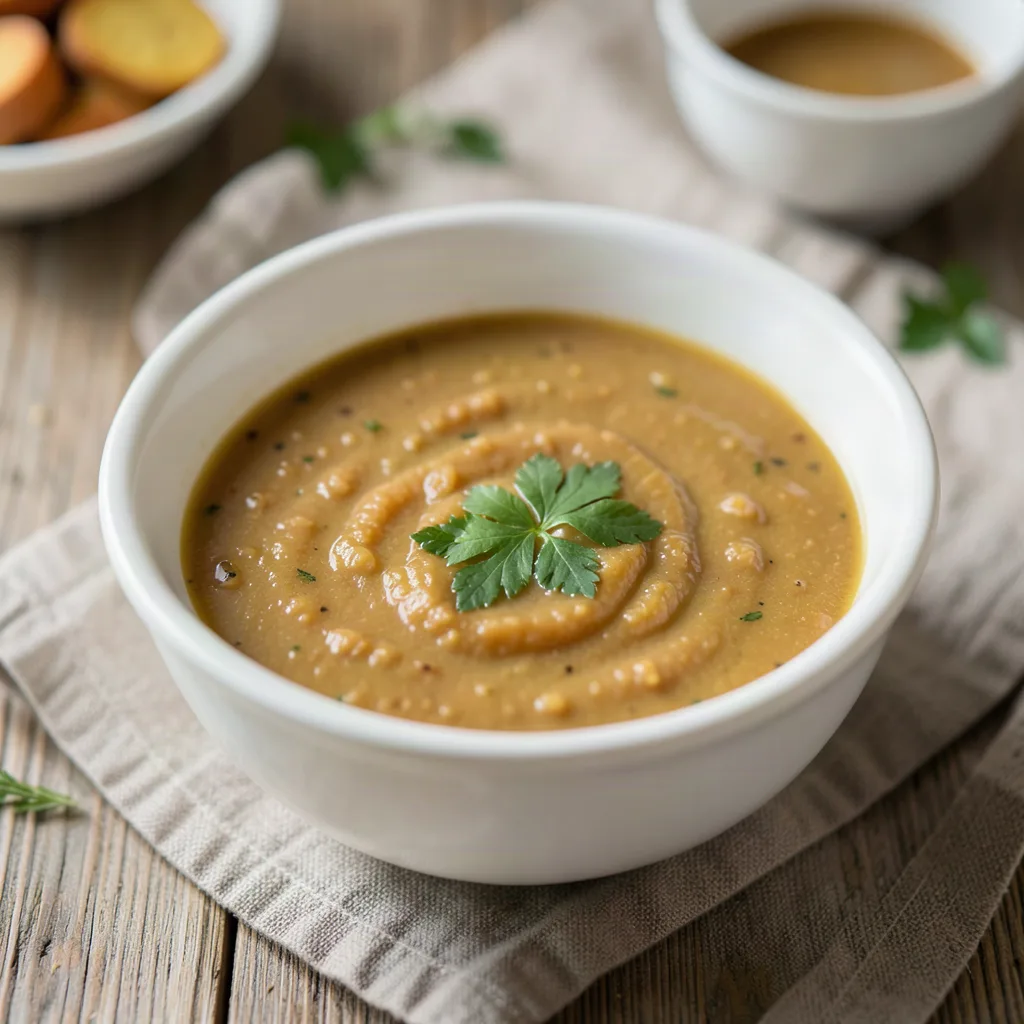
Sweet potatoes bring natural sweetness, vibrant color, and a dose of vitamins to any bowl. When they are blended into a silky soup, they become a comforting centerpiece that works for lunch, dinner, or a nourishing snack. This recipe focuses on simplicity without sacrificing depth of flavor, making it suitable for beginners and seasoned cooks alike. You’ll learn how to balance spices, achieve the perfect texture, and customize the dish for dietary preferences, all while keeping the preparation time reasonable. The result is a bowl of warm, creamy soup that feels both indulgent and wholesome, perfect for chilly evenings or a quick weekday lunch.
Ingredients
- 2 large sweet potatoes (about 1.5 lb total), peeled and cubed
- 1 medium onion, diced
- 2 cloves garlic, minced
- 1 carrot, peeled and diced (optional for extra sweetness)
- 1 stalk celery, diced (optional for savory depth)
- 4 cups low‑sodium vegetable broth
- 1 cup coconut milk or full‑fat dairy milk (choose based on dietary preference)
- 2 tablespoons olive oil
- 1 teaspoon ground cumin
- ½ teaspoon smoked paprika
- ¼ teaspoon ground ginger
- Salt and freshly ground black pepper to taste
- Fresh herbs for garnish – cilantro, parsley, or chives (optional)
- Juice of half a lemon or lime (optional, adds brightness)
Equipment
- Large soup pot or Dutch oven
- Sharp chef’s knife and cutting board
- Wooden spoon or silicone spatula
- Immersion blender or countertop blender (handle hot liquids carefully)
- Measuring spoons and cups
- Heat‑proof bowl for blending (if using a countertop blender)
Step‑by‑Step Preparation
1. Prepare the vegetables. Start by peeling the sweet potatoes and cutting them into uniform 1‑inch cubes. This ensures even cooking. Dice the onion, carrot, and celery, then mince the garlic.
2. Sauté aromatics. Heat the olive oil in the pot over medium heat. Add the onion, carrot, and celery. Cook, stirring occasionally, for 5‑7 minutes until the vegetables soften and the onion turns translucent. Add the garlic, cumin, smoked paprika, and ginger; stir for another 30 seconds until fragrant.
3. Add sweet potatoes and broth. Toss the cubed sweet potatoes into the pot, stirring to coat them with the spices. Pour in the vegetable broth, ensuring the potatoes are fully submerged. Increase the heat to bring the mixture to a gentle boil, then reduce to a simmer.
4. Simmer until tender. Cover the pot and let the soup simmer for 20‑25 minutes, or until the sweet potatoes are fork‑tender. Check occasionally and stir to prevent sticking.
5. Blend the soup. Remove the pot from heat. Using an immersion blender, puree the soup directly in the pot until smooth. For a velvety texture, blend in batches with a countertop blender, allowing steam to escape between batches to avoid pressure buildup.
6. Incorporate the milk. Return the blended soup to low heat. Stir in the coconut milk or dairy milk, adjusting the amount to reach your desired creaminess. Heat gently—do not boil—so the milk does not separate.
7. Season and finish. Taste the soup and add salt, pepper, and a squeeze of lemon or lime juice if desired. The acidity brightens the natural sweetness and balances the richness.
8. Serve. Ladle the soup into bowls, garnish with fresh herbs, and optionally drizzle a tiny swirl of extra coconut milk for visual appeal. Serve hot.
Flavor Variations and Customizations
The base recipe is versatile. Below are a few proven tweaks you can try without compromising the core texture.
- Spicy kick: Add ½‑1 teaspoon of cayenne pepper or a diced jalapeño when sautéing the aromatics.
- Earthy depth: Replace half of the vegetable broth with mushroom broth or add 1 cup of cooked lentils for protein.
- Herbal infusion: Stir in 1 teaspoon of fresh thyme or rosemary during the simmer stage; remove the stems before blending.
- Nutty finish: Blend in ¼ cup of toasted pumpkin seeds or a tablespoon of almond butter after the soup is pureed.
- Asian twist: Replace smoked paprika with 1 teaspoon of Chinese five‑spice, and finish with a drizzle of sesame oil and sliced green onions.
Feel free to combine compatible variations—such as spicy and nutty—for a personalized bowl.
Nutritional Insights
Sweet potatoes are a source of beta‑carotene, vitamin C, potassium, and dietary fiber. A typical serving (about 1 cup) of this soup provides roughly 180‑220 calories, depending on the type of milk used. The coconut milk adds healthy medium‑chain triglycerides, while the vegetable broth contributes minimal calories but adds minerals. If you opt for dairy milk, you gain additional calcium and protein. For a lower‑fat version, substitute half‑and‑half with unsweetened almond milk.
Because the soup is blended, the fiber from the sweet potatoes remains intact, supporting digestive health. Pairing the soup with a side of whole‑grain toast or a mixed greens salad can create a balanced meal that includes protein, healthy fats, and complex carbohydrates.
Storage, Reheating, and Freezing
Refrigeration: Transfer leftover soup to an airtight container and store in the refrigerator for up to 4 days. Reheat gently on the stovetop over low heat, stirring frequently, and add a splash of broth or milk if the consistency has thickened.
Freezing: This soup freezes well. Allow it to cool completely, then portion into freezer‑safe bags or containers, leaving headspace for expansion. Freeze for up to 3 months. To thaw, place the container in the refrigerator overnight, then reheat on the stovetop, adding liquid as needed.
Tip: If you used a high‑fat coconut milk, the soup may separate slightly after freezing. A quick blend after reheating restores smoothness.
Serving Suggestions and Pairings
While the soup shines on its own, thoughtful accompaniments can turn it into a complete meal.
- Crunchy topping: Toasted pepitas, crushed cornflakes, or crumbled goat cheese add texture.
- Protein boost: A side of grilled tempeh, a hard‑boiled egg, or a scoop of chickpea salad provides satiety.
- Bread options: Warm sourdough, rye crispbreads, or a simple garlic toast complement the creamy consistency.
- Salad side: A simple arugula salad with lemon vinaigrette balances the soup’s richness.
These pairings are optional but can elevate the dining experience, especially when serving guests.
Practical Tips for Success
- Uniform cuts: Cutting sweet potatoes into similar sizes speeds up cooking and ensures even texture.
- Don’t over‑blend: Blend until smooth, but avoid turning the soup into a frothy puree; a gentle hand yields a velvety mouthfeel.
- Adjust thickness: If the soup is too thick after adding milk, thin it with extra broth or water, one tablespoon at a time.
- Season gradually: Add salt in stages—after simmering and again after blending—to avoid over‑salting.
- Safety with hot liquids: When using a countertop blender, let the soup cool for 5‑10 minutes and vent the lid to release steam.
Ingredient Selection and Seasonal Sourcing
Choosing the right sweet potatoes can dramatically affect the final flavor profile. In the United States, two primary cultivars dominate the market: the deep orange Beauregard and the pale‑gold Hannah. Beauregard offers a higher beta‑carotene content and a naturally sweeter bite, making it ideal when you want the soup to lean toward dessert‑like richness. Hannah, on the other hand, provides a milder, earthier taste that pairs well with bold spices such as cumin or smoked paprika. If you have access to a farmer’s market, look for potatoes that are firm, unblemished, and have a uniform color. A quick “sniff test” – the flesh should smell faintly of corn or nutmeg – can help you weed out specimens that have begun to deteriorate.
Beyond sweet potatoes, the broth base can be customized for depth without adding extra sodium. Homemade vegetable broth, simmered with mushroom stems, leeks, and a splash of soy sauce (or tamari for gluten‑free), yields an umami‑rich canvas. For a coastal twist, replace half of the broth with a light fish stock; the subtle brine will accentuate the soup’s sweetness while keeping the dish pescatarian‑friendly.
Milk alternatives deserve a closer look. Coconut milk contributes a buttery mouthfeel and tropical aroma, but the fat level can vary widely between brands. Full‑fat canned coconut milk creates a luxurious silk, whereas the carton version (often 2 % fat) behaves more like dairy milk and may require an extra teaspoon of oil to prevent a thin texture. Nut milks such as cashew or macadamia provide a creamy backdrop without the coconut flavor, but they can curdle if boiled; therefore, add them at the very end of cooking and keep the heat low.
Spice sourcing also matters. Whole cumin seeds, toasted lightly in a dry pan before grinding, release a deeper, nutty aroma than pre‑ground powder. Smoked paprika made from Spanish pimentón de la Vera imparts a genuine wood‑smoke note, whereas regular sweet paprika only adds color. When possible, purchase spices from a bulk bin and store them in airtight containers away from light to preserve potency for months.
Finally, consider storage life. Sweet potatoes keep best in a cool, dark place (55‑60 °F) with good ventilation. If you buy in bulk, store them in a breathable sack rather than a sealed plastic bag to avoid moisture buildup, which leads to mold. For long‑term planning, peel and cube the potatoes, flash‑freeze them on a tray, then transfer to a freezer bag; this prevents oxidation and shortens prep time on busy weeknights.
Understanding the Chemistry: How Sweetness and Creaminess Develop
The silky texture of a blended sweet potato soup is the result of several concurrent chemical processes. First, the starch granules within the sweet potato absorb water and swell during simmering – a phenomenon known as gelatinization. When the temperature reaches roughly 140 °F (60 °C), the granules rupture, releasing amylose and amylopectin molecules that act as natural thickeners. This is why the soup thickens naturally without the need for flour or roux.
Second, the Maillard reaction, though subtle at the low simmer temperatures used for soup, can still occur on the surface of sautéed aromatics (onion, garlic, carrot). The brief high‑heat sauté creates browned compounds that deepen flavor and add a faint nutty sweetness, complementing the inherent sugars of the sweet potatoes.
Third, the emulsification of milk (or coconut milk) with the starch‑laden puree creates a stable, creamy emulsion. Fat molecules coat the starch particles, preventing them from clumping and giving the soup a glossy finish. To maximize this effect, add the milk gradually while whisking constantly over low heat; rapid temperature changes can cause the fat to separate, resulting in a grainy texture.
Acidity is another hidden player. A splash of lemon or lime juice at the end not only brightens the palate but also helps to stabilize the emulsion by slightly lowering the pH, which keeps protein structures from aggregating. However, too much acid can cause the starch network to break down, leading to a watery consistency. Aim for a balance – roughly one teaspoon of juice per quart of soup – and adjust to taste.
Understanding these mechanisms empowers you to troubleshoot on the fly. If the soup feels overly thick, you are likely seeing excess gelatinized starch; thin it with warm broth, not cold water, to avoid shocking the emulsion. Conversely, if the soup separates after reheating, gently re‑emulsify with a whisk and a drizzle of oil or a spoonful of cream.
Batch Cooking and Freezer‑Friendly Meal Planning
When feeding a family or preparing meals for a busy week, scaling the sweet potato soup efficiently saves both time and money. The recipe scales linearly: double every ingredient for a 2‑quart batch, triple for 3 quarts, and so on. Use a large stockpot (at least 6 quarts) to avoid crowding, which can cause uneven cooking.
After blending, portion the soup into individual‑serving containers. Glass jars with wide mouths (e.g., Mason jars) are ideal because they allow you to see the level of liquid and reduce the need for additional packaging. Leave about ½ inch of headspace to accommodate expansion during freezing. For ultra‑convenient grab‑and‑go meals, freeze the soup in silicone ice‑cube trays; once solid, transfer the cubes to a zip‑lock bag. This method lets you thaw exactly the amount you need without defrosting an entire batch.
Label each container with the date, portion size, and any special additions (e.g., “with lentils” or “coconut milk”). A simple label maker or a waterproof marker works well. Remember that the quality of spices degrades over time; if you plan to store the soup for more than a month, consider adding a fresh pinch of ground cumin or smoked paprika after reheating to revive the aroma.
When reheating frozen soup, avoid the microwave if possible, as it can cause uneven heating and lead to separation. Instead, place the frozen portion in a saucepan over low‑medium heat, stirring gently. Add a splash of broth or milk once the soup thaws to restore the desired consistency. If you are in a hurry, a stovetop microwave‑safe bowl covered with a vented lid works, but stop every 30 seconds to stir.
For those who like to prep ahead but want a fresh‑tasting garnish, keep toppings (toasted pepitas, chopped herbs, crumbled feta) in separate small containers. Assemble the soup just before serving to preserve crunch and visual contrast.
Creative Plating, Garnishes, and Visual Appeal
Even a humble bowl of soup can become a centerpiece with thoughtful plating. Choose a vessel that highlights color: a matte black stone bowl makes the orange‑gold hue of sweet potato pop, while a white porcelain bowl offers a clean canvas for vibrant toppings.
Layering textures adds excitement. Start with a thin swirl of extra‑virgin olive oil or a drizzle of chili‑infused oil for a glossy finish. Follow with a sprinkle of toasted pumpkin seeds (pepitas) for crunch, then add a dollop of Greek yogurt or a swirl of cashew cream for tang. Finish with microgreens – such as radish sprouts or cilantro micro‑herbs – that provide a burst of fresh flavor and a pop of green.
For color contrast, consider adding a few julienned pickled carrots or thin ribbons of beet‑infused oil. The acidity of pickled vegetables cuts through the soup’s richness and introduces a subtle sour note.
If you want a more theatrical presentation, use a spoon to create a “ripple” pattern on the surface, then carefully pipe a thin line of pesto or harissa across the ripple. The sauce will glide, creating a marbled effect that looks restaurant‑grade.
Don’t overlook edible flowers. A few petals of nasturtium or calendula add a delicate floral aroma and a splash of orange‑red that harmonizes with the sweet potato’s hue. Place them just before serving to prevent wilting.
Finally, consider the accompaniment on the plate. A small side of toasted sourdough points, a crisp cucumber‑mint salad, or a handful of roasted chickpeas can transform the soup from a starter into a complete, balanced meal.
Adapting the Soup for Specific Dietary Needs
While the base recipe is already flexible, certain health conditions call for precise modifications. For a low‑sodium version, start with a no‑salt vegetable broth or make your own by simmering carrots, celery, and onion in water, then strain. Add a pinch of potassium chloride (a salt substitute) if you need a mineral boost without sodium.
For a ketogenic approach, replace the milk with full‑fat coconut cream and increase the fat ratio by adding a tablespoon of MCT oil after blending. Reduce the carrot and celery, which contribute hidden carbs, and consider swapping the sweet potatoes for a lower‑glycemic root such as rutabaga (though this changes flavor slightly).
Diabetic‑friendly adjustments focus on glycemic load. Use a 1:1 ratio of sweet potato to cauliflower florets; cauliflower adds volume and fiber while lowering overall carbohydrate content. Blend the cauliflower with the sweet potatoes for a seamless texture.
Low‑FODMAP diners must avoid onions and garlic. Substitute the aromatics with the green parts of scallions and a pinch of asafoetida powder (hing) to mimic the onion‑garlic umami without triggering symptoms. Additionally, ensure the broth is certified low‑FODMAP, as many commercial broths contain onion powder.
Allergy‑aware cooks can swap toasted pumpkin seeds for toasted sunflower seeds or omit nuts entirely. For dairy‑free guests, use unsweetened oat milk, which adds a mild oat flavor and a creamy mouthfeel without the coconut’s distinct taste.
Finally, for those on a plant‑based, high‑protein diet, stir in a scoop of unflavored pea‑protein powder after blending. The powder dissolves easily and boosts protein without altering the soup’s flavor profile.
Global Inspirations: Turning Sweet Potato Soup into World‑Café Classics
Sweet potatoes are a culinary bridge across continents. By swapping a few core ingredients, you can travel the globe without leaving your kitchen.
Caribbean Callaloo Twist: Replace the vegetable broth with a light chicken broth seasoned with all‑spice, thyme, and a splash of rum‑infused stock. Finish the soup with a drizzle of coconut cream, a handful of sautéed callaloo (or spinach), and a pinch of Scotch bonnet pepper for heat. Serve with a side of fried plantains.
Moroccan Harira‑Style: Add a teaspoon of ras el hanout, a handful of cooked chickpeas, and a spoonful of tomato paste during the simmer stage. Garnish with fresh cilantro and a squeeze of preserved lemon. The soup gains a fragrant, slightly tangy profile reminiscent of traditional harira.
Japanese Miso‑Infused Soup: After blending, whisk in a tablespoon of white miso paste and a splash of mirin. Top with thinly sliced nori, toasted sesame seeds, and a few slivers of pickled ginger. The umami depth of miso balances the sweet potato’s natural sweetness.
Indian Sweet Potato Dal: Incorporate red lentils (masoor dal) into the simmering broth, along with turmeric, mustard seeds, and curry leaves. Once blended, finish with a tempering of ghee, cumin seeds, and dried red chilies poured over the surface. This creates a hearty, protein‑rich bowl.
Mexican Chipotle‑Lime Variation: Stir in a chipotle pepper in adobo sauce and a tablespoon of lime zest during blending. Garnish with crumbled cotija cheese, avocado cubes, and a handful of roasted corn kernels. The smoky heat and citrus brighten the sweet base.
Each of these global takes respects the core technique of the original recipe while introducing region‑specific aromatics, proteins, and toppings. Feel free to experiment by mixing elements – a Moroccan‑inspired spice blend with a Japanese miso finish can yield surprising harmony.
Troubleshooting Common Issues and Adjustments
Problem: Soup is too thick or clumpy after blending. This usually indicates that the starches have over‑gelatinized. Remedy by reheating the soup gently and whisking in warm broth or water, one tablespoon at a time, until the desired consistency returns. If clumps persist, run the soup through a fine‑mesh sieve before serving.
Problem: Soup separates after refrigeration. Fat separation is common when using high‑fat coconut milk. Re‑emulsify by whisking vigorously over low heat and adding a teaspoon of lecithin powder or a splash of neutral oil (such as grapeseed). Alternatively, blend the cold soup for 10‑15 seconds to recombine the layers.
Problem: Bitter aftertaste. Over‑cooking garlic or spices can produce bitterness. If you notice this after blending, balance it with a teaspoon of honey, maple syrup, or a pinch of brown sugar. Acid (lemon juice) also helps neutralize bitterness.
Problem: Soup is watery. This may happen if too much broth was added or if the sweet potatoes were not fully cooked before blending. Simmer the soup uncovered for an additional 10‑15 minutes to reduce liquid, or blend in a small amount of cooked quinoa or barley to absorb excess moisture while adding texture.
Problem: Lack of depth in flavor. Often the result of under‑seasoning or insufficient sauté time for aromatics. Boost flavor by adding a splash of soy sauce, a pinch of smoked sea salt, or a dash of umami‑rich mushroom powder. For a fresh lift, finish with a handful of chopped fresh herbs right before serving.
Problem: Soup is too sweet for your palate. Counterbalance sweetness with acidity (additional lemon or a splash of apple cider vinegar) or heat (a pinch of cayenne or fresh minced chilies). Adding a small amount of roasted garlic puree can also introduce a savory note that tempers the sugar.
By keeping these troubleshooting strategies at hand, you can confidently adjust the soup on the fly, ensuring each bowl meets your desired texture and flavor profile.
Frequently Asked Questions
1. Can I use canned sweet potatoes instead of fresh?
Canned sweet potatoes are softer and may contain added sodium. If you choose them, rinse well, reduce added salt, and blend a bit longer to achieve a smooth texture. Fresh sweet potatoes give the best flavor and nutrient profile.
2. How can I make this soup vegan and gluten‑free?
The base recipe is already vegan when you use coconut milk and vegetable broth. Ensure the broth is labeled gluten‑free, and avoid any garnish that contains dairy or gluten. All other ingredients are naturally gluten‑free.
3. I don’t have an immersion blender—what’s the best alternative?
A regular countertop blender works well. Blend the soup in small batches, covering the lid with a kitchen towel to allow steam to escape. Let the soup cool slightly before blending to reduce the risk of splatter.
4. Is it possible to add more protein without changing the flavor?
Yes. Stir in a half‑cup of cooked white beans, lentils, or a scoop of unflavored Greek yogurt after blending. These options increase protein while keeping the soup’s sweet‑savory balance.
5. What’s the best way to reheat frozen soup without losing creaminess?
Thaw the soup in the refrigerator, then reheat gently over low heat, stirring constantly. Add a splash of broth or milk toward the end of reheating to restore the desired consistency.
Related posts:
 Zoe Kravitz’s Coconut Oil Hair Care Secret
 Is Starbucks Almond Milk Healthy?
 Surprising Sweet Potato Dishes
 Bone Broth Gets a Coffee Shop Makeover
 The Ultimate Green Soup Recipe for Detox and Health
 Smoky Sweet Potato Soup: The Cozy Recipe That Warms Body and Soul
 The Best Non-Dairy Milk for Your Coffee
 The Coconut Pudding That Tastes Like Dessert But Isn’t