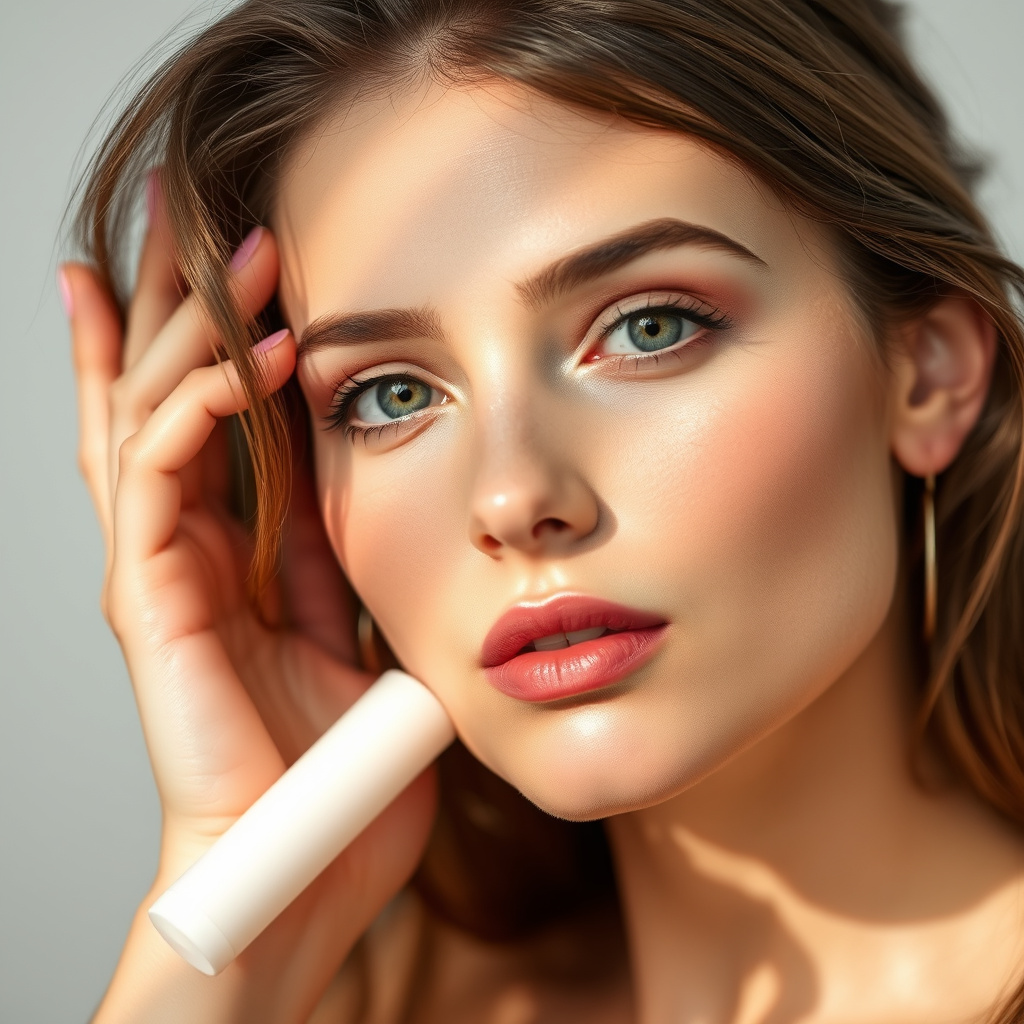
When we think of Swiss beauty, images of pristine alpine air, glacial waters, and a minimalist yet uncompromising approach to skincare often come to mind. Switzerland has long been considered the epicenter of luxury skincare, blending centuries-old botanical wisdom with cutting-edge biotechnology. The Swiss philosophy is not about masking imperfections but about fostering skin health through cellular vitality, high-quality ingredients, and a disciplined daily routine.
Key takeaways
- Adopt a consistent, minimalist routine focusing on double cleansing, targeted serums, and daily SPF application.
- Use thermal cycling by alternating warm and cool water to boost circulation and enhance product absorption.
- Practice daily lymphatic drainage massage to reduce puffiness and maintain facial structure.
- Rotate active ingredients with recovery nights to prevent irritation and support the skin's natural barrier.
The Philosophy of Alpine Purity
The foundation of Swiss beauty lies in the environment. Switzerland is home to some of the cleanest water sources on the planet, including glacial springs that are rich in minerals like magnesium, calcium, and potassium. In Swiss skincare, water is not just a base; it is an active ingredient. The belief is that by using water sourced from high altitudes, you are applying a substance that is free from environmental pollutants and uniquely structured to hydrate the skin at a cellular level. This commitment to purity extends to the sourcing of botanicals, which are often harvested from protected alpine meadows where the harsh climate forces plants to develop resilient, nutrient-dense profiles.
Harnessing Cellular Science
Switzerland is the birthplace of cellular therapy, a practice that gained global recognition in the mid-20th century. Today, this legacy manifests in skincare through the use of peptides, plant stem cells, and bio-identical ingredients that communicate with skin cells to encourage repair and renewal. Unlike conventional beauty products that may only provide surface-level hydration, Swiss-inspired formulations focus on the skin’s biological rhythm. By supporting the skin’s natural barrier and accelerating turnover, these products help maintain a youthful appearance without relying on aggressive chemical peels or harsh exfoliants.
The Ritual of Consistency
If there is one secret to the Swiss complexion, it is consistency. In Switzerland, skincare is treated as a non-negotiable ritual rather than a chore. This routine is typically minimalist but highly effective. It focuses on the ‘Double Cleanse’ method, which involves an oil-based cleanser to remove makeup and environmental pollutants, followed by a gentle water-based cleanser to purify the pores. This ensures that the skin’s microbiome remains balanced, preventing the inflammation and dryness that often lead to premature aging. Following this, Swiss routines almost always include a high-quality serum, a dense moisturizer, and a dedicated sun protection factor (SPF), regardless of the season.
Botanical Potency and Phytotherapy
Switzerland’s long history of phytotherapy—the use of plant extracts for healing—informs its modern beauty standards. Iconic ingredients like Edelweiss, a hardy flower that thrives at high altitudes, are staples in many Swiss formulations. Edelweiss is prized for its extreme antioxidant properties, which help protect the skin from UV-induced damage and oxidative stress. Other common ingredients include Rose Hip oil for cell regeneration, and Mallow flower for its soothing, anti-inflammatory effects. The extraction process is just as vital; Swiss laboratories utilize cold-press methods to ensure that the volatile oils and active enzymes remain intact and potent, delivering the maximum benefit to the user.
Nutrition from Within
The Swiss approach to beauty is holistic, recognizing that external products can only do so much if the body is not nourished from within. The ‘Swiss Diet’ often emphasizes locally sourced, seasonal whole foods. High consumption of fermented dairy (like yogurt and kefir), which supports gut health, is a common practice. A healthy gut is linked to a clearer complexion and reduced systemic inflammation. Additionally, the inclusion of mineral-rich alpine herbs in teas and daily meals is a traditional practice that helps detoxify the body and maintain internal balance, which inevitably reflects on the skin’s surface.
The Importance of Environmental Protection
Living in a country with extreme seasonal changes has taught the Swiss how to adapt their skincare to the environment. During the winter, the focus shifts to lipid-rich creams that create a protective barrier against the biting alpine wind and dry radiator heat. In the summer, the focus turns to lightweight, hydrating emulsions that allow the skin to breathe while providing high-level antioxidant protection. This ‘seasonal adaptation’ is a core Swiss secret. By listening to how the skin reacts to changes in humidity, temperature, and light, one can prevent the chronic irritation that often leads to fine lines and hyperpigmentation.
Minimalism and Quality Over Quantity
Walk into a typical Swiss bathroom, and you will rarely find a cabinet overflowing with dozens of different products. The Swiss beauty ethos is defined by minimalism. It is better to have three high-quality products that contain clinically proven ingredients than ten products filled with fillers and fragrances. This approach reduces the risk of allergic reactions and sensory overload for the skin. By simplifying the routine, you allow the skin to function as it was meant to, without being smothered by too many layers. It is about investing in quality—finding a serum that targets your specific needs and a moisturizer that maintains your barrier integrity.
The Art of Professional Treatments
While home care is essential, the Swiss also prioritize professional skin maintenance. Monthly or seasonal facials are considered a form of preventative healthcare. These treatments often include lymphatic drainage massage, which helps reduce puffiness and improves circulation, and oxygen infusions that brighten the complexion. The goal of these sessions is to stimulate the skin’s natural healing capabilities. Learning to perform a simple facial massage at home using a Gua Sha tool or your fingertips can mimic these benefits, promoting lymphatic flow and keeping the facial muscles toned and relaxed.
The Role of Micro-Circulation and Thermal Therapy
Beyond topical application, Swiss skincare integrates the concept of thermal stimulation to boost blood flow. Much like the tradition of the Swiss spa, where one transitions between hot saunas and cold plunges, the skin benefits from temperature-based circulation hacks. At home, this is best achieved through “thermal cycling” during your evening cleanse. Start by using a warm, damp microfiber cloth to gently steam the pores for thirty seconds. This softens the sebum and increases the absorption capacity of your subsequent serums. Follow this immediately with a splash of cool, filtered water to constrict blood vessels and reduce puffiness. This contrast therapy mimics the invigorating effect of the Alpine climate, effectively “waking up” the skin’s metabolic rate and ensuring that active ingredients penetrate deeper than they would on a static, room-temperature surface.
Understanding the pH Balance of Alpine Formulations
A frequently overlooked aspect of Swiss beauty is the obsessive focus on maintaining the skin’s acid mantle. Swiss laboratories design products with a “buffer system,” ensuring that even highly active ingredients like AHAs or concentrated Vitamin C do not disrupt the skin’s natural pH of approximately 4.7 to 5.5. When the acid mantle is compromised by overly alkaline soaps or harsh toners, the skin becomes a breeding ground for bacteria and moisture loss. Swiss-inspired routines prioritize balancing toners that act as a bridge between cleansing and treatment. These toners are rarely astringent; instead, they are infused with soothing alpine minerals that recalibrate the skin’s surface, creating an optimal environment where the microbiome can flourish, thereby preventing the “tight” feeling often associated with deep cleansing.
The Science of Chronobiology in Nighttime Repair
The Swiss understand that the skin operates on a circadian rhythm, with cell regeneration peaking between 11:00 PM and 4:00 AM. While Western beauty often focuses on immediate, visible results, the Swiss approach is deeply rooted in chronobiology. Nighttime is viewed as the “restorative phase” where the skin’s permeability is highest. This is why Swiss night creams are often distinct from day creams, not just in texture, but in molecular structure. They are formulated to be “chronobiological,” meaning they provide a slow-release of active ingredients throughout the night. By applying these treatments at the same time every evening, you align your skincare with your body’s natural repair cycle, allowing for a more profound recovery of the skin barrier compared to erratic, sporadic application.
Integrating Lymphatic Drainage as a Daily Habit
In Switzerland, facial massage is not considered a luxury, but a functional necessity for maintaining facial structure. The facial muscles, like those in the body, benefit from movement and tension release. A daily three-minute lymphatic drainage routine is standard in many households. Using upward, sweeping motions starting from the center of the face and moving toward the lymph nodes behind the ears, this practice encourages the drainage of stagnant fluid. This is particularly effective for those prone to morning puffiness or “tech neck,” where fluid accumulates along the jawline. By manually stimulating the lymphatic system, you reduce the underlying congestion that can make the face appear tired, effectively sculpting the contours of the face without the need for invasive procedures.
The “Layering Logic” of Swiss Textures
The Swiss approach to layering is governed by the principle of molecular weight: always apply products from the thinnest to the thickest consistency. However, there is a nuance: the “emulsion technique.” Rather than applying a thick layer of moisturizer, the Swiss prefer multiple thin, lightweight emulsions that absorb completely before the next is applied. This creates a “sandwich” effect that locks in hydration at different depths of the epidermis. For instance, a water-based hyaluronic acid serum provides surface-level plumpness, followed by a lipid-rich botanical oil that seals the moisture, and finally a protective cream. This method prevents the “pilling” of products and ensures that the skin remains breathable, preventing the clogging that often results from applying heavy, occlusive creams onto dry, thirsty skin.
Sustainable Beauty and the “Zero-Waste” Ethos
Swiss beauty is inextricably linked to the preservation of the landscape that provides its ingredients. This has led to a “zero-waste” philosophy that is gaining traction in modern Swiss beauty routines. This involves choosing products with glass, recyclable, or refillable packaging and prioritizing brands that use wild-harvested botanicals sourced through ethical, regenerative practices. The Swiss believe that if you are putting ingredients on your skin that come from nature, you have a responsibility to protect that source. By choosing brands that value transparency in their supply chain—often listing the exact region in the Alps where their Edelweiss or Alpine Rose was harvested—you are not only supporting environmental sustainability but also ensuring that the raw materials have not been degraded by long-term storage or mass-industrial processing.
Navigating the “Active Ingredient” Paradox
A common pitfall for those trying to adopt a Swiss routine is over-stimulating the skin with too many “active” ingredients. The Swiss philosophy suggests that less is more when it comes to potent actives like retinols or exfoliating acids. Instead of daily use, these are often rotated in a cycle. For example, a “recovery night” might be scheduled after two nights of active treatment, where the focus is entirely on barrier repair using ceramides and soothing botanical lipids. This “rest and reset” approach prevents the chronic inflammation that can lead to “retinoid dermatitis” or barrier damage. By respecting the skin’s need for downtime, you achieve a more consistent glow and avoid the peaks and valleys of irritation that often plague those who use too many aggressive products simultaneously.
Frequently Asked Questions
Q: Why is Swiss skincare often more expensive than other brands? A: The cost often reflects the investment in biotechnology, the sourcing of rare alpine ingredients, and the stringent quality control standards in Swiss laboratories. Many Swiss brands prioritize clinical trials and sustainable, ethical extraction methods, which add to the production cost compared to mass-produced skincare.
Q: Can I achieve a Swiss-style glow if I don’t live in a cold climate? A: Absolutely. The Swiss beauty philosophy is about principles rather than geography. You can adapt these methods by focusing on high-quality hydration, protecting your skin from UV radiation, prioritizing gut health, and keeping your routine consistent regardless of where you live.
Q: What is the most important step in a Swiss-inspired routine? A: Protection and cleansing are tied for the most critical steps. Cleansing ensures your skin is a clean canvas, while protecting the skin barrier with SPF and antioxidants is essential for preventing long-term damage. Without these two, other treatments are far less effective.
Q: Are plant stem cells actually effective in skincare? A: Emerging research suggests that plant stem cell extracts can help protect human skin stem cells from environmental stress and support the skin’s natural repair process. They are a staple in Swiss skincare because of their ability to provide antioxidant benefits and promote a more youthful-looking texture.
Q: How often should I change my skincare routine? A: Instead of changing your entire routine, consider seasonal adjustments. For example, swap a light gel moisturizer for a thicker, oil-based cream in the winter. The core of your routine—a gentle cleanser and a reliable serum—should remain consistent to allow your skin to benefit from the active ingredients over time.
Related posts:
 Proper Use of Exfoliating Mitts
 Too Clean for Comfort: Why Being Squeaky Clean Might Be Bad for Your Skin
 How Teeth Grinding Changes Your Face
 Gemstones in Skincare
 TooD Beauty’s Nonbinary Approach
 The Best Natural Tools for Silky Smooth Skin
 The Slow Beauty Movement’s Secret Hydration Recipes
 Foundation’s Impact on Skin