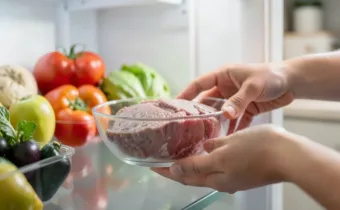
Learn to safely defrost food using refrigerator, cold water, and microwave methods to prevent bacterial growth and preserve the texture of meat, dairy, and produce.
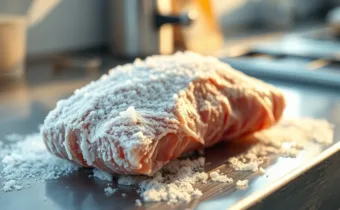
Freezer burn is a quality issue caused by moisture loss and oxidation, not bacterial growth. It is safe to eat, though texture and flavor may be compromised.
Learn how to clean, sanitize, and oil your cutting boards to prevent bacteria, extend their lifespan, and maintain a safe, efficient kitchen workspace.
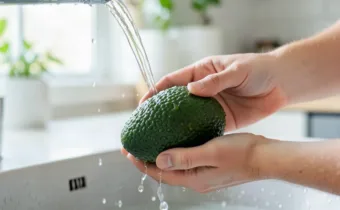
Washing avocados is essential because their bumpy skins can harbor harmful bacteria like Listeria. Learn why you should scrub them before cutting into the flesh.
Azodicarbonamide is a common dough conditioner used in industrial baking and plastic manufacturing. Learn about its health risks and how to identify it on food labels.
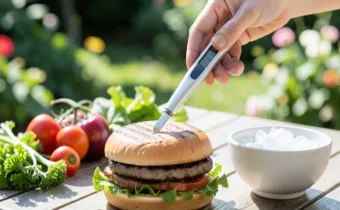
Prevent summer food poisoning by mastering the temperature danger zone, safe thawing methods, and internal cooking requirements for meats and outdoor gatherings.
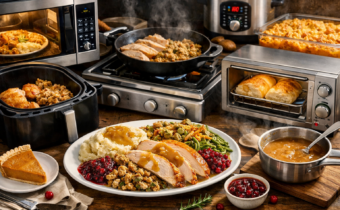
Restore the texture of Thanksgiving leftovers by using specific reheating techniques for turkey, sides, and gravy while following essential food safety guidelines.
Select healthy deli meats by checking sodium levels, ingredient lists, and freshness indicators. Learn to identify lean proteins and proper storage techniques.
Learn the pros and cons of storing ketchup in the pantry versus the refrigerator. Discover expert advice on food safety and maintaining optimal quality.
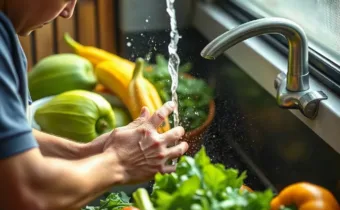
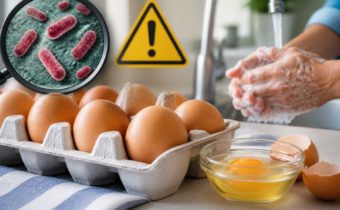
This guide explains the causes of rising foodborne illness rates and provides essential safety tips, including proper handwashing, temperature control, and storage.
We use analytics cookies (Google Analytics) to understand which articles are useful. They are only set if you accept. Privacy Policy