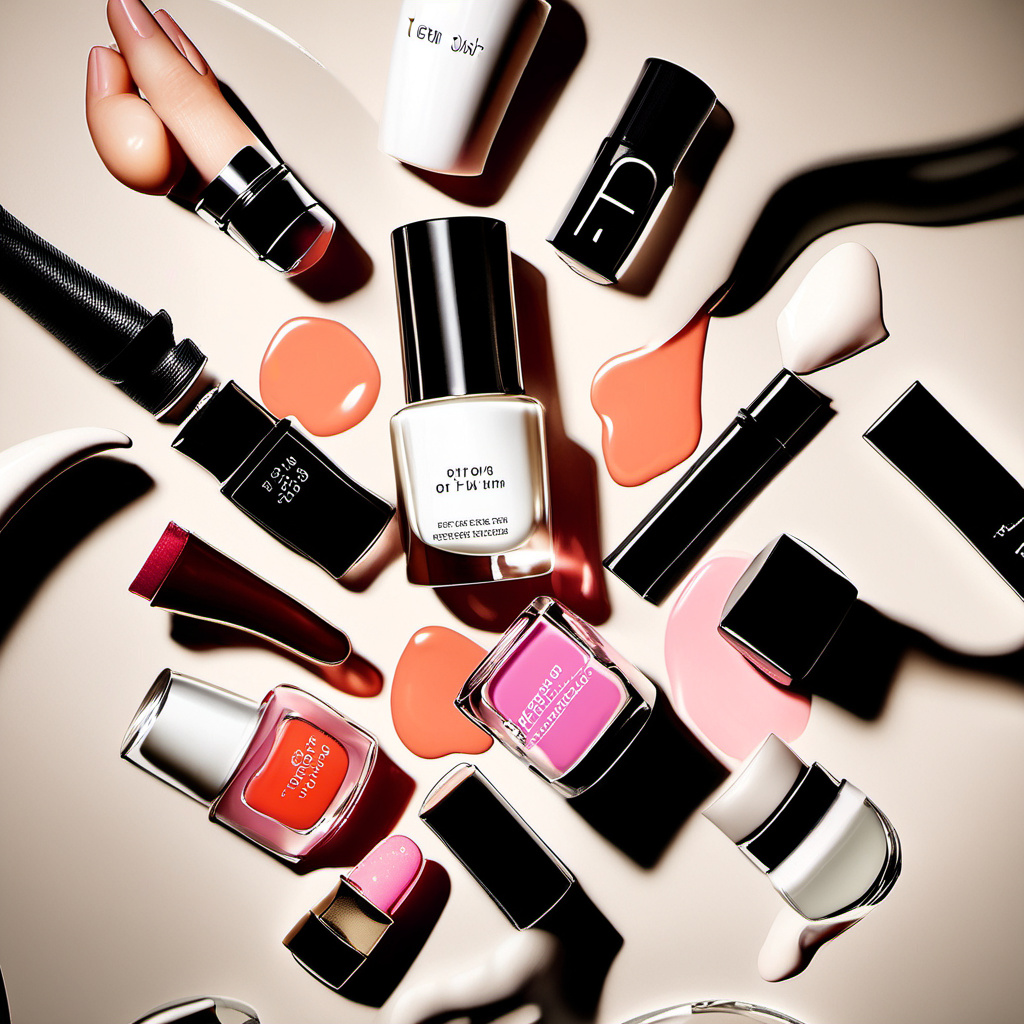
There is a specific, quiet joy that comes with a fresh manicure. It is more than just a splash of color on your fingertips; it is a ritual of self-care, a moment of stillness in a chaotic week, and a small but visible signal to the world—and yourself—that you are polished and prepared. However, for many of us, this pleasure has long been shadowed by a lingering concern: the chemistry. For decades, the pungent, chemical scent of nail polish was accepted as a necessary evil. We ignored the dizziness and the harsh fumes, assuming that beauty required a certain amount of toxicity.
The rise of the “clean beauty” movement has fundamentally shifted this narrative. We are no longer content with simply looking good; we want to feel good about the ingredients touching our skin and entering our respiratory systems. This is where Ten Out of Ten enters the conversation. Not just another entry in the crowded market of non-toxic cosmetics, Ten Out of Ten has positioned itself as the gold standard for those who refuse to compromise between safety and performance. While the price point is higher than your average drugstore find, the investment pays dividends in nail health, environmental ethics, and a professional-grade finish that rivals the most expensive salons.
What Exactly is “Clean” Nail Polish?
To understand why a brand like Ten Out of Ten is worth the splurge, we first have to demystify the term “clean.” In the beauty industry, “clean” is not a legally regulated term, which can lead to confusion. However, in the context of nail lacquer, it generally refers to the removal of known toxins, carcinogens, and endocrine disruptors. You will often see this described as “X-Free,” where X is a number representing the specific harmful chemicals omitted from the formula.
Traditionally, nail polishes relied heavily on a “toxic trio”: formaldehyde, toluene, and dibutyl phthalate (DBP). Formaldehyde is a known carcinogen often used as a hardener; toluene is a solvent that helps the polish dry smoothly but can affect the central nervous system; and DBP is a plasticizer that prevents chipping but is linked to reproductive issues. Most modern “clean” brands are at least 3-free, but Ten Out of Ten pushes the boundaries further, adhering to a strict 10-free (and often higher) standard.
Beyond the toxic trio, Ten Out of Ten eliminates camphor, triphenyl phosphate (TPHP), and various synthetic fragrances that can trigger allergies or sensitivities. By replacing these harsh chemicals with plant-derived solvents and safer resins, the brand ensures that the act of painting your nails doesn’t come at the cost of your long-term wellness. When you choose a clean polish, you are reducing your exposure to volatile organic compounds (VOCs), which are the gases emitted by traditional polishes that can irritate the eyes, nose, and throat.
The Ten Out of Ten Difference: Ingredients and Ethics
What sets Ten Out of Ten apart from other non-toxic brands is its holistic approach to formulation. Many brands remove the “bad” ingredients but replace them with fillers that result in a streaky application or a polish that peels within forty-eight hours. Ten Out of Ten has invested heavily in research and development to create a formula that mimics the viscosity and durability of traditional lacquer without the chemical baggage.
The brand utilizes sustainably sourced pigments and bio-based polymers. Instead of relying on petroleum-derived plastics, they incorporate ingredients derived from corn, sugarcane, and other renewable resources. This ensures that the polish adheres firmly to the nail plate while remaining flexible enough to prevent cracking. Furthermore, the brand is uncompromisingly vegan and cruelty-free. In an industry where animal testing is still prevalent in certain global markets, Ten Out of Ten maintains a transparent supply chain, ensuring that no animal was harmed in the creation of their vibrant hues.
Compassion extends beyond the animals to the people who make the products. Ten Out of Ten emphasizes fair-trade sourcing for its minerals, ensuring that the mica and other pigments used in their shimmers are not sourced from mines employing child labor. This ethical backbone transforms a simple beauty product into a conscious choice, allowing the user to feel a sense of alignment between their aesthetic desires and their moral values.
Performance Review: Does it Actually Last?
The biggest skepticism surrounding clean nail polish is usually centered on performance. The common narrative is that “natural” means “temporary.” Many users report that non-toxic polishes chip faster or require four or five coats to achieve full opacity. Ten Out of Ten challenges this stereotype through high-pigment saturation and an advanced drying agent that doesn’t rely on toxic solvents.
In practical application, the pigmentation is remarkable. Most shades achieve full coverage in just two thin coats, which is the gold standard for any high-end polish. This efficiency not only saves time but also prevents the polish from becoming too thick, which is the primary cause of bubbling and slow drying times. The brush design is another area where the “splurge” becomes evident; the wide, rounded brush allows for a seamless sweep across the nail, minimizing the need for multiple strokes and reducing the likelihood of streaks.
As for longevity, Ten Out of Ten utilizes a flexible resin system. Traditional polishes often become brittle as they dry, leading to those frustrating micro-chips at the tips of the fingers. Because the clean formula remains slightly more pliable, it moves with the natural nail, significantly extending the wear time. When paired with their matching non-toxic base and top coats, many users find their manicures lasting seven to ten days without significant wear—a feat previously thought impossible for a “clean” brand.
Comparing the Cost: Why it’s Worth the Splurge
At first glance, the price tag of Ten Out of Ten may cause a moment of hesitation. When a drugstore polish costs five dollars and a bottle of Ten Out of Ten costs twenty or thirty, it feels like a steep jump. However, the value of a beauty product should be measured by its cost-per-use and its long-term impact on health.
First, consider the volume of product used. Because of the high pigment load, you use less polish per manicure than you would with a sheerer, cheaper alternative. A single bottle of Ten Out of Ten lasts significantly longer, meaning you aren’t replacing it every few months. Second, there is the “hidden cost” of traditional polish. Many low-cost polishes strip the nail plate of its natural oils and weaken the keratin structure, leading to peeling nails that require expensive treatments or professional repairs to fix.
Moreover, by investing in a high-quality clean polish, you are effectively bringing the salon experience home. A professional gel manicure can cost fifty dollars or more per session, not to mention the potential damage caused by UV lamps and acetone-heavy removal processes. Ten Out of Ten provides a similar aesthetic result with a fraction of the chemical stress. When you factor in the peace of mind knowing you aren’t inhaling endocrine disruptors, the price difference becomes a small premium to pay for your health and the health of the planet.
How to Get a Salon-Quality Finish at Home
Even the best polish in the world can look mediocre if the application is rushed. To truly maximize your investment in Ten Out of Ten, it is essential to follow a professional preparation and application process. The secret to a long-lasting manicure isn’t just the polish; it’s the canvas.
Step 1: Preparation. Start by removing all traces of old polish with a non-acetone remover. Acetone is harsh and dehydrates the nail, making the new polish more likely to lift. Gently push back your cuticles with a wooden orange stick and lightly buff the surface of the nail to remove oils. This creates a slightly textured surface that the polish can grip onto.
Step 2: The Base Coat. Never skip the base coat. Ten Out of Ten’s base coat acts as a double-sided adhesive, bonding to the nail and providing a smooth surface for the color. It also prevents staining, especially when using deep reds or dark blues.
Step 3: Thin Layers. Apply the color in thin, even strokes. Start in the center of the nail and sweep toward the edges. It is always better to do two thin coats than one thick one. Thick coats trap solvents, leading to bubbles and a manicure that remains “squishy” for hours.
Step 4: Capping the Edge. This is the professional secret. After painting the surface of the nail, run the brush horizontally across the very tip of the nail edge. This “caps” the polish, creating a seal that prevents water and friction from lifting the color from the front.
Step 5: The Top Coat. Apply a generous layer of the non-toxic top coat. This protects the color from UV fading and scratches while adding a high-gloss finish. Allow the top coat to cure fully before engaging in heavy activity.
Pairing Colors for Every Mood and Occasion
One of the joys of the Ten Out of Ten collection is the curated palette. They don’t just offer colors; they offer moods. Choosing the right shade can actually influence your psychological state and how you are perceived in professional or social settings.
The Power Neutrals: For the workplace or a minimalist aesthetic, look toward the taupes, soft nudes, and sheer pinks. These colors convey a sense of cleanliness, organization, and understated elegance. They are forgiving—meaning a small chip is barely noticeable—making them perfect for high-stress weeks.
The Confidence Bolds: Deep crimson, royal navy, and forest green are the “power colors.” These shades are ideal for presentations, first dates, or whenever you need an extra boost of confidence. They draw attention to your hands and signal a bold, decisive personality.
The Serenity Pastels: Lavender, mint, and pale lemon are perfect for spring and summer, or simply when you want to feel a sense of lightness and playfulness. These colors evoke a feeling of optimism and softness, making them great for weekend retreats or creative projects.
The Modern Metallics: Champagne gold and holographic silvers add a touch of luxury to any look. These are excellent for evening events or as accent nails to add visual interest to a more neutral manicure.
The Environmental Impact of Traditional vs. Clean Polish
When we talk about “splurging” on a brand like Ten Out of Ten, we are also talking about an investment in the earth. The beauty industry is one of the largest contributors to plastic waste and chemical runoff. Traditional nail polishes are not only toxic to the user but also to the water systems they eventually enter.
Many conventional polishes use solvents that are hazardous to aquatic life. When these chemicals are washed down the drain or leak from landfills, they contribute to the chemical load in our oceans. Ten Out of Ten prioritizes biodegradable ingredients and minimizes the use of synthetic polymers that break down into microplastics. Their commitment to sustainability extends to their packaging, utilizing recyclable glass bottles and sustainably sourced wood or bamboo for their caps.
Furthermore, the brand’s focus on carbon-neutral shipping and reduced plastic wrapping demonstrates a commitment to the entire lifecycle of the product. By choosing a brand that views sustainability as a core requirement rather than a marketing trend, you are supporting a business model that values the planet’s future over short-term profit margins. This systemic change is how the beauty industry evolves—through the collective choices of consumers who demand better.
Caring for Your Natural Nails Between Manicures
While Ten Out of Ten is designed to be gentle, the health of your nails depends on what happens between the polish applications. The goal is to maintain a strong, hydrated nail plate so that the polish has a healthy foundation to cling to.
The most important step in nail health is hydration. Nails are made of keratin, but they require moisture to remain flexible. A daily application of a high-quality cuticle oil—ideally one containing jojoba or almond oil—penetrates the nail plate and the surrounding skin, preventing hangnails and splitting. Apply the oil at night and massage it in to stimulate blood flow to the nail matrix, which encourages faster, stronger growth.
Avoid the temptation to use aggressive nail hardeners. Many traditional hardeners use formaldehyde to create a rigid bond, but this can actually make nails *too* hard, causing them to snap rather than bend under pressure. Instead, focus on nourishment. A weekly soak in warm olive oil or a gentle exfoliating scrub for the hands can keep the skin supple and the nails glowing.
Finally, give your nails a “breathing period.” While clean polishes are non-toxic, it is still beneficial to leave your nails bare for a few days every month. This allows you to monitor the health of the nail bed and ensures that you aren’t over-processing the surface with constant layers of product. During this time, focus on deep hydration and gentle filing to maintain a clean, natural shape.
Troubleshooting Common Application Hurdles
Even with a premium formula like Ten Out of Ten, the chemistry of a nail is an individual variable. Some users may encounter specific issues that aren’t caused by the product itself, but by the interaction between the polish and the unique biology of their nail plate. Understanding how to diagnose and fix these issues is the difference between a frustrating experience and a professional-grade result.
One of the most common complaints with clean polishes is “shrinkage,” a phenomenon where the polish seems to pull away from the edges of the nail shortly after drying, leaving a tiny gap of bare nail at the cuticle or the tip. This usually occurs when the top coat is applied too quickly after the color coat has partially dried, or when the color coat was applied too thinly. To prevent shrinkage, ensure your color coats are evenly distributed and allow them to set for about two minutes before applying the top coat. If shrinkage occurs, don’t strip the whole nail; simply use a fine detail brush to fill in the gaps and re-seal with a final swipe of top coat.
Streaking is another hurdle, particularly with lighter, creamier shades. Streaks often happen when the brush is pressed too firmly into the nail, “plowing” the polish rather than letting it float. The secret is to use a lighter touch, allowing the bead of polish to glide across the surface. If you notice streaks appearing, avoid the instinct to keep brushing over the same spot, as this will drag the polish and create more lines. Instead, let the layer dry completely and use the second coat to fill in the gaps. For those with deep nail ridges, a ridge-filling base coat (often available in the Ten Out of Ten professional line) can create a leveled surface, eliminating the physical dips that cause streaks.
Finally, there is the issue of premature peeling, which differs from chipping. While chipping happens at the tips, peeling is when the polish lifts in sheets from the base. This is almost always a sign of residual oils or moisture on the nail plate. Even if you have washed your hands, natural oils can linger. A professional tip to combat this is to swipe each nail with a lint-free wipe soaked in 70% isopropyl alcohol immediately before the base coat. This “dehydrates” the surface momentarily, creating a high-friction environment that allows the bio-based polymers in Ten Out of Ten to bond more aggressively to the keratin.
Navigating the Transition from Gel to Natural Nails
For many, the switch to Ten Out of Ten isn’t just a brand change, but a lifestyle shift away from the cycle of gel manicures and acrylic overlays. This transition period can be psychologically and physically challenging, as the nails often enter a “recovery phase.” When you stop using UV-cured gels, you may notice that your natural nails feel thin, soft, or prone to peeling. This is not caused by the clean polish, but is the result of the previous mechanical and chemical stress of gel removal.
During the first four to eight weeks of this transition, the goal is not just aesthetic, but restorative. It is common to experience “lamellar peeling,” where the top layers of the nail plate flake off. During this time, Ten Out of Ten serves as a protective shield. Because the formula is flexible and non-toxic, it prevents the weakened nail from snagging or tearing further, acting as a temporary artificial barrier while the nail grows out. The key is patience; you cannot “fix” a damaged nail overnight, but you can support its growth.
To accelerate the healing process, integrate a keratin-boosting serum between your manicures. Apply the serum to bare nails, let it absorb, and then follow with the Ten Out of Ten system. This provides the nail with the necessary building blocks to strengthen the nail matrix. Many users find that their nails feel “too soft” for traditional polish during this phase. In such cases, applying three very thin layers of the Ten Out of Ten base coat before the color can provide additional structural rigidity without the brittleness associated with formaldehyde-based hardeners.
The psychological shift is equally important. Gel users are accustomed to a “bulletproof” manicure that lasts three weeks. Transitioning to a clean lacquer means accepting a seven-to-ten-day window. However, the trade-off is the elimination of the “gel hangover”—that period of extreme fragility and thinning that follows a professional soak-off. By embracing a more frequent, gentler ritual, you are trading a short-term convenience for long-term nail integrity.
Seasonal Strategies for Long-Lasting Wear
Environmental factors play a significant role in how nail polish behaves. The same application technique that works in the humid peak of July may fail in the dry chill of January. Because Ten Out of Ten utilizes bio-based solvents and resins, it is more sensitive to temperature fluctuations than traditional, petroleum-heavy polishes.
In the winter, the primary enemy is dehydration. Cold air and indoor heating strip moisture from both the skin and the nail plate, making the nail more prone to contracting and expanding. This movement can cause the polish to crack or lift. To counter this, increase your cuticle oil application to twice daily. Furthermore, avoid applying polish in a freezing room; if the bottle is too cold, the viscosity increases, leading to thicker application and longer drying times. Warm the bottle gently between your palms for a minute before use to ensure the pigments are well-distributed and the flow is smooth.
Conversely, summer presents the challenge of humidity and UV exposure. High humidity can slow the evaporation of solvents, leading to a “tacky” finish that is prone to smudging. In these conditions, a fan or a cool-air dryer can be an invaluable tool, but avoid using high heat, which can cause the polish to bubble. UV rays can also fade certain pigments, particularly the vibrant neons or deep reds. To protect your color, ensure you are using a top coat with UV inhibitors. If you spend a significant amount of time in the sun or salt water, re-apply a thin layer of top coat every three days to refresh the protective seal and maintain the high-gloss finish.
Transitioning your color palette with the seasons also has practical benefits. In autumn and winter, deeper, more saturated tones like burgundy or forest green are not only aesthetically appropriate but are often more forgiving of the minor wear and tear associated with gloves and heavy knitwear. In spring and summer, the lighter pastels and sheers are ideal, as they make the inevitable growth at the cuticle less apparent, allowing you to stretch the life of your manicure a few extra days before needing a refresh.
Tailoring Your Routine to Your Nail Type
Not all nail beds are created equal. Some people possess naturally oily nail plates, while others struggle with extreme dryness. A one-size-fits-all approach to application often leads to inconsistent results. By identifying your nail type, you can tweak the Ten Out of Ten process to maximize longevity.
The Oily Nail Bed: If you find that your polish consistently lifts in one piece or “slides” off the nail, you likely have a higher concentration of natural oils. For you, the preparation phase is the most critical. Beyond the alcohol swipe, avoid applying any lotions or oils to your hands for at least two hours before your manicure. When applying the base coat, focus on the perimeter of the nail; the edges are where oil typically accumulates, causing the polish to lift. A “double-base” technique—applying two thin layers of base coat—can provide a more secure anchor for the color.
The Dry/Brittle Nail: If your nails are prone to splitting or feel “chalky,” your primary goal is flexibility. Brittle nails snap under pressure, taking the polish with them. For this nail type, the hydration step is paramount, but the timing is key. Apply a heavy dose of jojoba-based oil the night before your manicure. On the day of application, cleanse the nail thoroughly to remove the oil, but avoid overly harsh dehydrators. The Ten Out of Ten flexible resin system is particularly beneficial here, as it bends with the nail rather than cracking. Avoid using any additional “hardening” products, as these often increase brittleness.
The Soft/Peeling Nail: For those whose nails bend easily or peel in layers, the focus should be on structural reinforcement. Use the “sandwich method”: a layer of base coat, a thin layer of a sheer strengthening polish (if using a compatible clean brand), another layer of base coat, and then your Ten Out of Ten color. This creates a reinforced composite structure that mimics the strength of a gel without the damage. Be extra diligent about capping the free edge, as soft nails are more likely to flex at the tip, which is where peeling usually begins.
Creative Artistry with Clean Lacquer
One of the misconceptions about clean beauty is that it is purely functional and lacks the versatility of professional salon products. However, Ten Out of Ten’s high pigment load and smooth consistency make it an excellent medium for nail art, provided you use the right non-toxic tools.
For those looking to move beyond a solid color, the “gradient sponge” technique is a highly effective way to use the collection. Select two complementary shades—such as a deep navy and a shimmering silver. Apply a base color to the nail, then apply small strips of both colors onto a clean makeup sponge. Gently dab the sponge onto the nail in a patting motion, blending the colors where they meet. Because Ten Out of Ten dries slightly slower than traditional polishes, you have a wider window to blend the transition for a seamless ombre effect. Always follow this with a generous layer of top coat to smooth out the texture left by the sponge.
For more precise detailing, such as dots or thin lines, a professional dotting tool or a simple toothpick can be used. To create a “negative space” look—which is highly modern and professional—apply your color to only a portion of the nail, leaving a crescent moon at the base or a thin vertical stripe down the center. This not only looks sophisticated but is a practical choice for those who want to minimize the amount of product on their nails. The high opacity of the brand means that even a tiny dot of color remains vivid and distinct against the natural nail.
Mixing colors is another way to customize your splurge. By mixing a drop of a metallic shade into a cream shade on a palette, you can create a custom “shimmer-cream’ that is unique to your look. When experimenting with nail art, the most important rule is to work in thin layers. Adding too much product in the pursuit of a design can lead to “pooling,” where the polish gathers in the center of the nail and takes hours to dry. If you make a mistake, use a clean-up brush dipped in non-acetone remover to sharpen the edges around the cuticle for that crisp, salon-finished look.
Maximizing Product Lifespan and Storage
Because Ten Out of Ten avoids the harsh stabilizers and petroleum-based preservatives found in drugstore brands, the way you store and handle your bottles can significantly impact the shelf life and consistency of the polish. Proper maintenance ensures that your twenty-dollar investment lasts for years rather than months.
The most critical factor is temperature stability. Extreme heat can cause the bio-polymers to break down, leading to a “thickened” or “stringy” consistency that is impossible to apply smoothly. Conversely, extreme cold can cause the pigments to separate or the polish to become too viscous. The ideal storage location is a cool, dark place—a bedroom drawer or a dedicated beauty fridge is perfect. Avoid storing your polishes in the bathroom, where the constant fluctuation in temperature and humidity from the shower can compromise the seal of the bottle and degrade the formula over time.
Separation is a natural occurrence in clean polishes because they don’t use aggressive emulsifiers to force the pigments to stay suspended. When you see a clear layer of solvent at the top of the bottle, resist the urge to shake it vigorously. Shaking introduces thousands of tiny air bubbles into the liquid, which will then transfer to your nail, resulting in the dreaded “bubble manicure.” Instead, use the “rolling technique”: place the bottle between your palms and roll it back and forth for thirty seconds. This gently reintegrates the pigments and solvents without aerating the formula.
Frequently Asked Questions
1. How long does a Ten Out of Ten manicure typically last compared to traditional polish?
Because Ten Out of Ten uses a flexible resin system rather than a brittle chemical structure, many users find it lasts as long as, or longer than, traditional polish. With the proper use of a base and top coat, you can expect 7 to 10 days of wear. The key is “capping the edge” of the nail to prevent lifting.
2. Can I use a traditional top coat over a clean nail polish?
Yes, you can, but it is not recommended. Traditional top coats often contain the very chemicals (like toluene or DBP) that you are trying to avoid by using a clean polish. To maintain the non-toxic integrity of your manicure and ensure the best chemical compatibility, it is best to use the Ten Out of Ten top coat.
3. Is clean nail polish safe for use during pregnancy?
While Ten Out of Ten removes many of the endocrine disruptors and carcinogens found in traditional polishes, you should always consult with your healthcare provider during pregnancy. Many women find clean polishes a safer alternative, but individual sensitivities vary, and a doctor can provide guidance based on your specific health needs.
4. How do I remove clean polish without damaging my nails?
Avoid using 100% pure acetone, which can be incredibly drying. Instead, use a non-acetone remover or a soy-based remover. Soak a cotton ball, press it onto the nail for a few seconds to break the bond, and then wipe away. Follow up immediately with cuticle oil to restore moisture to the nail plate.
5. What should I do if the polish bubbles during application?
Bubbling is usually caused by shaking the bottle (which introduces air) or applying coats that are too thick. To prevent this, roll the bottle between your palms instead of shaking it. Ensure you are applying very thin layers and avoid blowing on the nails to dry them, as this can push air bubbles into the wet polish.
Related posts:
 Mindful Manicures: How to Finally Stop Biting Your Nails for Good
 Spring Fling Fingers: The Nail Colors That Scream New Season Energy
 Brush Stroke Genius: The Nail Art Technique Anyone Can Master
 How to Apply Color Street Nails Like a Pro
 Drugstore Nail Kit Must-Haves
 The Avocado Oil Nail File That’s Changing Everything
 One Simple Oil Trick That Will Make Your Manicure Last Forever
 Clean Manicure Essentials