Introduction
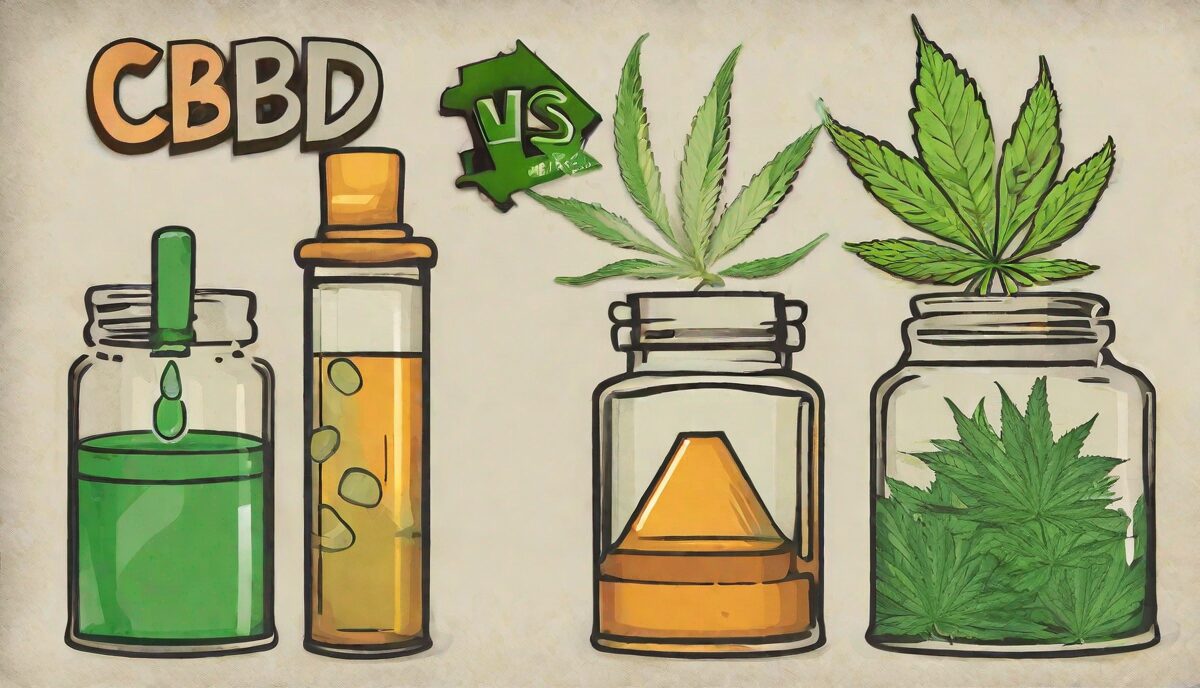
Both THC and CBD have therapeutic benefits, and choosing between them depends on your wellness goals and lifestyle. This guide explores key differences to inform your decision with care and wisdom.
What is THC?
THC, or tetrahydrocannabinol, is the main psychoactive compound in cannabis responsible for the “high” feeling. THC binds to cannabinoid receptors in the brain and central nervous system, altering mood, perception, and cognition.
What is CBD?
CBD, or cannabidiol, is another prominent cannabinoid in cannabis and hemp plants. Unlike THC, CBD is non-intoxicating and provides therapeutic effects without euphoria or impairment.
Therapeutic Uses
Both THC and CBD offer therapeutic benefits. THC is often used to treat pain, insomnia, and lack of appetite. CBD is most commonly used to treat anxiety, inflammation, seizures, and neurodegenerative issues.
Intoxicating Effects
THC causes intoxicating effects varying from mild euphoria to intense perceptual changes. CBD is non-intoxicating regardless of dosage but may promote relaxation and improve mood.
Legal Status
While laws are evolving, THC products often have stricter legal regulations due to psychoactive properties. CBD sourced from hemp is legal at the federal level.
Understanding Dosage Precision and the “Start Low, Go Slow” Methodology
For a beginner, the most critical factor is not just choosing between THC and CBD, but mastering the art of titration. Unlike traditional pharmaceuticals, cannabis products often lack standardized dosing, making personal experimentation essential. When starting with CBD, beginners should aim for a “micro-dose” range of 5mg to 10mg. Observe how your body reacts over a 48-hour period before increasing the dose. Because CBD is lipophilic, consuming it alongside a healthy fat—such as avocado, yogurt, or a spoonful of peanut butter—can significantly improve its bioavailability and efficacy.
With THC, the threshold for a beginner is much lower. A standard “starting dose” for a novice is typically 1mg to 2.5mg. Many beginners make the mistake of consuming a standard 10mg edible, which is often considered a full dose for experienced users, leading to an overwhelming and unpleasant experience. Always check the packaging for the total cannabinoid content per serving, and remember that edibles can take anywhere from 45 minutes to three hours to take full effect due to the digestive process. Patience is the primary tool for a safe introduction to THC.
The Entourage Effect: Why Combining Cannabinoids Matters
While isolating CBD or THC provides specific effects, many researchers and users argue that the “Entourage Effect” is where the true therapeutic value lies. This theory suggests that cannabinoids, terpenes, and flavonoids work synergistically to produce a more potent and balanced effect than any single compound alone. For instance, CBD can actually mitigate some of the anxiety-inducing side effects of THC, such as rapid heart rate or paranoia. By utilizing a balanced 1:1 ratio product—containing equal parts CBD and THC—beginners can enjoy the therapeutic benefits of both while keeping the psychoactive intensity manageable.
When shopping for these products, look for “full-spectrum” labels rather than “isolates.” Full-spectrum products contain a wider range of the plant’s natural compounds, providing a more holistic experience. However, beginners should be aware that full-spectrum products do contain trace amounts of THC (usually less than 0.3% in hemp-derived products). If you are subject to regular drug testing, this is a crucial distinction, as full-spectrum CBD could theoretically result in a positive test for THC metabolites.
Navigating Delivery Methods: Oils, Edibles, and Topicals
The method of delivery determines how quickly you feel the effects and how long they last. Sublingual tinctures (oils placed under the tongue) offer a middle ground: they bypass the digestive system to enter the bloodstream more quickly than edibles, usually within 15 to 30 minutes, and provide a measurable way to track exact milligram doses. This is arguably the best starting point for a beginner who wants control and consistency.
Topicals, such as lotions, salves, and balms, offer a unique pathway because they generally do not enter the bloodstream at all. When applied to the skin, cannabinoids interact with local receptors in the muscles and joints. This makes topicals an ideal choice for localized pain or inflammation without any psychoactive risk, regardless of whether the product contains THC or CBD. If you are nervous about the “high” or internal consumption, starting with a high-quality topical is a low-risk way to assess how your body responds to cannabis-derived compounds.
The Role of Terpenes in Shaping Your Experience
Terpenes are the aromatic oils that give cannabis its distinct scent, but they do much more than smell pleasant; they influence the physiological impact of the cannabinoids. For a beginner, understanding two primary terpenes—myrcene and limonene—can help in selecting the right product. Myrcene, often found in earthy or musky strains, is known for its sedative properties and can enhance the “couch-lock” effect of THC, making it useful for insomnia.
Conversely, limonene, which provides a bright citrus aroma, is often associated with mood elevation and stress relief. If you are using CBD for anxiety, look for products that include limonene or pinene to help lift your mood. By paying attention to the terpene profile listed on the lab testing certificate (often found via a QR code on the packaging), you can move beyond the THC vs. CBD binary and begin to curate an experience that aligns with your specific needs, whether that be focus, relaxation, or physical recovery.
Reading Lab Certificates: Ensuring Quality and Safety
The cannabis industry is still largely unregulated, making the Certificate of Analysis (COA) your most important document. A COA is a report from an independent, third-party laboratory that verifies the contents of the product. Never purchase a product that does not provide a COA, as it is the only way to confirm that the product contains what the label claims and is free from harmful contaminants.
When reviewing a COA, check for three things: potency, heavy metals, and pesticides. Potency verification ensures that the THC or CBD levels match the packaging. Heavy metal and pesticide testing are vital for safety; because cannabis is a “bio-accumulator” (meaning it absorbs nutrients and toxins from the soil), it can easily pull lead, mercury, or harsh fertilizers into the plant material. A clean COA is the hallmark of a reputable brand and should be considered a non-negotiable requirement for any beginner looking to prioritize their health.
Interactions and Contraindications: When to Consult a Professional
Before integrating CBD or THC into your routine, it is essential to consider how these compounds interact with other medications. CBD, in particular, inhibits the cytochrome P450 enzyme system in the liver, which is responsible for metabolizing a vast array of common medications, including blood thinners, antidepressants, and anti-seizure drugs. By blocking these enzymes, CBD can cause other medications to remain in your system longer or at higher concentrations than intended, potentially leading to adverse effects.
If you are currently on any prescription medication, consult with a pharmacist or physician who is knowledgeable about cannabis medicine. They can help you determine if a “grapefruit test” applies to your medications (if a medication carries a warning to avoid grapefruit, it may also interact with CBD). While THC has different metabolic pathways, it can still interact with sedatives or blood pressure medications. Approaching cannabis as a supplement rather than a benign herb is the safest way to ensure your wellness journey remains productive and free of complications.
Consistency and Journaling: Tracking Your Personal Success
Because the body’s endocannabinoid system is unique to every individual, the “best” approach is the one that produces the best results for you personally. Beginners are highly encouraged to keep a simple journal for the first 30 days of use. Record the date, time of day, the specific product (brand, strain, or ratio), the dosage in milligrams, and the subjective effect you felt an hour later.
Over a few weeks, patterns will emerge. You might find that 5mg of CBD in the morning helps with focus, but 10mg is required to quiet racing thoughts at night. You might discover that a specific 5:1 CBD-to-THC ratio provides the perfect amount of physical relief without any cognitive fog. This data-driven approach removes the guesswork and helps you transition from a nervous beginner to a confident user who understands exactly how to utilize these plants to support their health and lifestyle goals.
FAQ
What are the side effects of THC vs CBD?
THC may cause side effects like impaired coordination, memory issues, increased heart rate, anxiety, and panic. CBD is well tolerated but can cause tiredness, diarrhea, and changes in appetite and weight.
Can you take too much CBD?
It’s unlikely taking too much CBD will cause harm or overdose, but very high doses may increase the risk of side effects like drowsiness and nausea without added benefits.
Is CBD a better choice for beginners?
CBD is often preferred for those new to cannabis products mainly because it’s non-intoxicating. However, low THC doses can be appropriate for novices seeking therapeutic effects without strong impairment.
What is better for sleep – THC or CBD?
Both can promote sleep in different ways. THC is often more sedating, while CBD can help calm the mind and relieve anxiety with less impairment the next day.
What is better for pain – THC or CBD?
Both THC and CBD effectively relieve certain types of pain. However, THC seems to have greater efficacy for sharp, shooting pain while CBD may work better for dull, throbbing pain.
Related posts:
 CBD Coffee: The Perfect Blend for Focus and Relaxation
 Beauty Meets Wellness: The CBD Oil Mascara That’s Breaking All the Rules
 Mandy Moore’s CBD Oil Secret for High Heels
 Dirty Little Secret: The CBD Drink That’s Surprisingly Clean
 Prima’s Hemp Education Guide
 The Best National CBD Day Sales to Shop Right Now
 The CBD Product Guide That Cuts Through the Overwhelming Hype
 Testing Aceso Cannabis Drink Powders