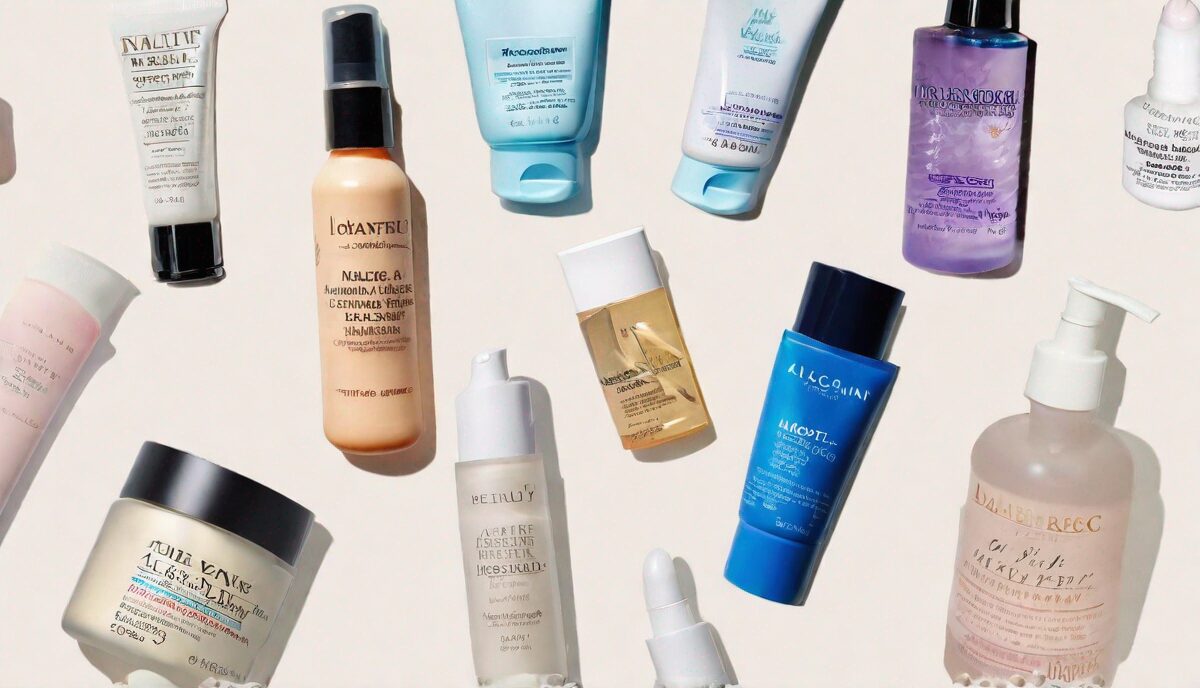
Choosing the Right Moisturizer
Finding the best daily moisturizer for your skin can make a big difference in how healthy, smooth, and radiant it looks. However, with so many products on the market, it can be tricky to know which one is right for you.
Focus on Ingredients
When comparing moisturizers, read the ingredient lists first. Look for hydrating ingredients like hyaluronic acid, glycerin, ceramides, and plant oils. Avoid alcohol and fragrance, which can be irritating for many skin types.
Consider Your Skin Type
The best moisturizers for dry skin tend to be thicker creams and ointments that create a protective seal over the skin. If you have oily skin, gel-based moisturizers are lightweight and less likely to clog pores.
Test New Products Carefully
Before switching your moisturizer, test any new product on a small patch of skin first to check for irritation or breakouts. Even products marketed as “non-comedogenic” (not pore-clogging) can cause issues for some people.
The Science of Occlusives, Humectants, and Emollients
To truly master your skincare routine, you must understand the “three pillars” of moisturizing: humectants, emollients, and occlusives. Humectants (such as hyaluronic acid, glycerin, and urea) act like sponges, pulling water from the air or the deeper layers of your skin into the epidermis. However, if used in a dry climate without an occlusive, they can actually draw moisture out of your skin. Emollients (like squalane, fatty acids, and cholesterol) fill in the gaps between skin cells, smoothing the surface and improving texture. Occlusives (such as petrolatum, dimethicone, and lanolin) form a physical barrier that prevents transepidermal water loss (TEWL). A high-quality daily moisturizer usually balances all three. For example, a heavy winter cream might rely heavily on petrolatum, while a summer-appropriate lotion focuses on glycerin and light silicones to provide hydration without the heavy “film” feeling.
Strategic Layering: The Sandwich Method
If you find that your moisturizer isn’t providing enough relief, the issue may be your application technique. The “moisture sandwich” method is a professional-grade approach: start by applying a hydrating serum or toner containing humectants to damp skin. Follow immediately with your chosen moisturizer while the skin is still slightly tacky. If you live in a particularly dry environment or suffer from severe dehydration, consider adding a facial oil as the final step. Because oil is an occlusive, it traps the water-based hydration beneath it. Always apply products from thinnest consistency to thickest to ensure maximum absorption; otherwise, a dense cream can block lighter, water-based serums from penetrating effectively.
Navigating Seasonal Transitions
Your skin’s needs are not static; they fluctuate based on humidity, temperature, and indoor heating. During the winter, the drop in ambient humidity causes your skin to lose moisture rapidly, necessitating a switch to creams rich in ceramides and lipids. Conversely, during summer months, high humidity and increased sweat production can make heavy creams feel suffocating and lead to “heat rash” or acne mechanica. A pro tip is to keep two moisturizers: a lightweight gel-cream for the humid months and a richer, lipid-replenishing barrier cream for the colder, drier months. Pay attention to how your skin feels at the three-hour mark post-application; if it feels tight, you need more occlusives; if it feels greasy, you may need a formula with a higher water-to-oil ratio.
The Hidden Impact of pH Levels
The skin’s acid mantle—a thin, protective film on the surface—has a slightly acidic pH, typically between 4.5 and 5.5. Many traditional soaps and some overly alkaline moisturizers can disrupt this balance, leaving the skin vulnerable to bacteria and dehydration. When shopping for a daily moisturizer, look for brands that explicitly state their pH-balanced status. If a product causes a stinging sensation upon application, it is often a sign that your skin barrier is already compromised or that the product’s pH is incompatible with your skin’s chemistry. In such cases, opt for products labeled “barrier repair” or “pH-optimized” to help recalibrate your skin’s natural defenses over time.
Decoding “Non-Comedogenic” and Pore Health
The term “non-comedogenic” is not strictly regulated by the FDA, meaning brands can use it on their packaging without rigorous clinical testing. To take control of your pore health, learn to identify common pore-clogging culprits. Ingredients like isopropyl myristate, coconut oil (for some), and certain heavy esters can sit on the skin and trap debris, leading to “closed comedones” or tiny white bumps. If you are acne-prone, prioritize moisturizers that feature “oil-free” or “water-based” labeling and look for ingredients like niacinamide, which helps regulate sebum production while providing hydration. Always cross-reference the ingredient list against online comedogenicity databases if you have a history of frequent breakouts.
Environmental Protection Beyond Hydration
Modern daily moisturizers are increasingly acting as multi-taskers. Since environmental stressors—such as blue light from screens, air pollution, and UV radiation—contribute to premature aging, look for moisturizers that incorporate antioxidants. Ingredients like Vitamin C, Vitamin E, ferulic acid, and green tea extract provide a secondary line of defense against free radicals. While a moisturizer should never replace your dedicated SPF, choosing a daily cream that includes antioxidants can significantly boost the efficacy of your overall routine. By neutralizing environmental damage at the surface level, you help your skin maintain its elasticity and prevent the dullness associated with oxidative stress.
Addressing Compromised Skin Barriers
If you have over-exfoliated with acids or retinoids, your skin barrier may be “compromised,” characterized by redness, stinging, and tight, shiny skin. In this state, standard moisturizers might not be enough. Look for “cica” (Centella Asiatica), colloidal oatmeal, or panthenol (Vitamin B5) in your moisturizer. These ingredients are clinically proven to accelerate the healing of the skin barrier and reduce inflammation. During a barrier repair phase, simplify your routine to only three steps: a gentle cleanser, a soothing, fragrance-free barrier cream, and high-factor sun protection. Avoid all active ingredients like AHAs, BHAs, and retinol until the skin returns to its baseline, as these will only exacerbate the irritation.
FAQ
What is the best daily moisturizer for sensitive skin?
Some top options for sensitive skin include CeraVe Moisturizing Cream, Cetaphil Moisturizing Cream, and Vanicream Moisturizing Skin Cream. These fragrance-free moisturizers soothe easily irritated skin.
When should you moisturize?
Apply moisturizer while your skin is still damp after cleansing, to help seal in hydration. You can moisturize again whenever your skin is feeling dry throughout the day.
Should you moisturize oily skin?
Yes, even oily skin needs hydration from a lightweight, oil-free moisturizer. Skipping moisturizer can cause your skin to overproduce oil and lead to more shine.
How do you choose an organic moisturizer?
Look for the USDA Organic seal to ensure a moisturizer is certified organic. Check the ingredient list for hydrators like aloe vera, shea butter, and plant oils while avoiding parabens, sulfates, and synthetic fragrance.
Do men need to use a separate moisturizer?
Not necessarily. Some moisturizers are marketed specifically to men, but any non-comedogenic, fragrance-free moisturizer appropriate for your skin type can work great for men.
Related posts:
 Foundation’s Impact on Skin
 Proper Order of Skincare Application
 The Slow Beauty Movement’s Secret Hydration Recipes
 The Best Drugstore Body Products Worth Your Money
 Spring Awakening: The Hydrating Serums Your Winter Skin Is Craving
 The Best Toners for Acne-Prone Skin That Won’t Strip Your Face
 Moisture Sandwich Technique
 The Key Differences Between Serums, Oils, Moisturizers, and Balms