For decades, the activewear industry operated within a rigid, binary framework. Pink for girls, blue for boys. Form-fitting for women, baggy for men. Marketing campaigns often reinforced stereotypical ideals, dictating not just what we wore to sweat, but how we were expected to move, look, and even feel. Yet, a quiet revolution has been brewing, and today, a growing number of activewear brands are finally getting gender parity right. This isn’t just about offering more colors; it’s a profound shift towards inclusivity, performance for all, and a compassionate understanding of diverse human experiences. It’s about recognizing that strength, movement, and the desire for comfortable, functional clothing transcend traditional gender lines.
The journey towards gender parity in activewear is more than a trend; it’s a fundamental re-evaluation of design, marketing, and corporate philosophy. These pioneering brands are dismantling outdated norms, creating spaces where everyone feels seen, valued, and empowered to pursue their fitness goals without the constraints of gendered expectations. They are proving that true innovation lies in universal design, authentic representation, and a commitment to serving every body, every identity, and every aspiration.
Beyond Pink and Blue: Redefining Aesthetics
One of the most immediate and visible changes in the pursuit of gender parity is the radical rethinking of activewear aesthetics. The days of strictly gendered color palettes and design motifs are fading, replaced by a refreshing spectrum of options that appeal to a broader range of personal styles. Brands are moving away from the simplistic “pink for her, blue for him” mentality, embracing versatile, sophisticated colorways that are neither inherently masculine nor feminine. Think earthy tones, vibrant jewel shades, and minimalist monochromes that allow individual expression to shine through.
Beyond color, the cut and silhouette of activewear are also evolving. Instead of prescriptive fits, we’re seeing more adaptable designs – pieces that offer comfort and performance without clinging to narrow body ideals. This includes relaxed-fit joggers, versatile tops that can be styled in multiple ways, and outerwear designed for universal comfort and protection. The focus is shifting from what a garment “should” look like on a specific gender to how it empowers the wearer to move freely and confidently, regardless of their identity. This redefinition of aesthetics is a powerful statement: activewear is for every body, and every body deserves to look and feel great.
Performance for All: Engineering Without Bias
At the heart of activewear lies its fundamental purpose: performance. Historically, the engineering of activewear often started with gendered assumptions about body shape, sweat patterns, and activity types. This led to disparities in material science, support structures, and overall functionality. Brands committed to gender parity are challenging these biases, engineering activewear with a universal approach to performance.
This means prioritizing advanced fabric technologies that offer breathability, moisture-wicking, and durability for all users. It involves designing garments with adaptable fits that accommodate various body shapes and sizes, ensuring comfort and freedom of movement. For instance, instead of separate “men’s” and “women’s” compression, brands are developing universal compression technologies that provide targeted support where needed, regardless of gender. The focus is on the biomechanics of movement and the physiological needs of an active body, rather than superficial gender markers. This commitment ensures that everyone has access to high-quality, high-performing gear that helps them achieve their peak potential, fostering an environment where performance is truly equitable.
Marketing with Authenticity: Inclusive Campaigns
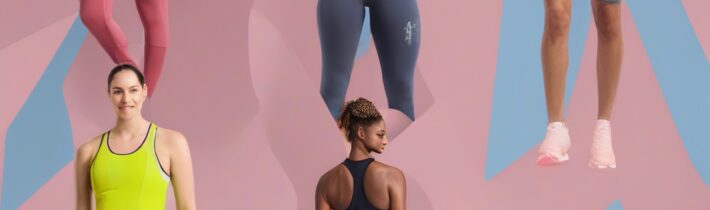
Perhaps nowhere is the shift towards gender parity more evident and impactful than in activewear marketing. Traditional campaigns often perpetuated narrow, often unattainable, ideals of beauty and athleticism, heavily segmented by gender. Today, leading brands are embracing authenticity and diversity, crafting campaigns that reflect the rich tapestry of human experience.
This means featuring a diverse cast of models representing various body types, ages, ethnicities, and gender identities. It’s about showcasing real people engaging in real activities, celebrating the joy and challenge of movement rather than idealized perfection. These inclusive campaigns tell stories of empowerment, resilience, and community, resonating with a broader audience. By moving away from hyper-sexualized or hyper-masculine portrayals, brands are creating a more welcoming and relatable narrative. This authentic representation not only broadens their market reach but also sends a powerful, compassionate message: everyone belongs in the world of active living, and their journey is valid and celebrated.
The Rise of Gender-Neutral Collections: A New Frontier
A significant milestone in the journey towards gender parity is the explicit launch of gender-neutral or ‘unisex’ activewear collections. These collections are not merely an afterthought; they are thoughtfully designed from the ground up to transcend traditional gender categories, offering true versatility and inclusivity. The design philosophy behind these ranges often prioritizes adaptable fits, functional silhouettes, and universal sizing systems that focus on measurements and comfort rather than arbitrary gender labels.
These collections often feature adjustable elements, such as drawstrings, elasticated waistbands, and relaxed cuts, allowing individuals to customize the fit to their preference. The emphasis is on comfort, utility, and a clean aesthetic that allows the wearer’s personality to shine through. This approach challenges the very notion of gendered clothing, suggesting that performance and style do not need to be confined by outdated classifications. Gender-neutral activewear represents a bold step forward, providing options that genuinely serve anyone who desires comfort, quality, and freedom in their movement, fostering a more fluid and accepting approach to personal style and athleticism.
Brands Leading the Charge: A New Blueprint
While specific brand names are less important than the principles they embody, it’s worth highlighting the characteristics of companies truly excelling in gender parity. These are the brands setting a new blueprint for the industry, demonstrating that inclusivity is not just a buzzword but a core value woven into every aspect of their operation. They understand that activewear should empower, not restrict, and that true innovation comes from listening to and serving all communities.
These forward-thinking brands distinguish themselves by:
- Extensive Sizing and Fit Adaptability: Offering a wide range of sizes that genuinely accommodate diverse body shapes, often with explicit measurements and adaptable designs rather than just S, M, L.
- Diverse Representation: Consistently featuring a broad spectrum of models in their campaigns – different genders, body types, ages, abilities, and ethnicities – making their brand feel accessible and welcoming to everyone.
- Universal Color Palettes and Designs: Moving beyond traditional gendered aesthetics to offer versatile colors and timeless designs that appeal across the board, allowing individuals to choose based on personal preference, not prescribed gender.
- Performance-Driven Inclusivity: Engineering products based on universal physiological needs and movement patterns, ensuring that technical fabrics and ergonomic designs benefit all users equally.
- Community Engagement: Actively seeking feedback from diverse communities to inform product development and marketing strategies, ensuring their offerings are truly resonant and supportive.
These brands aren’t just selling clothes; they’re fostering a culture of acceptance, celebrating individuality, and demonstrating that the future of activewear is one where everyone belongs and thrives.
The Future of Activewear: Beyond Binary Boundaries
The movement towards gender parity in activewear is not a destination but an ongoing evolution. The future promises an even more fluid, personalized, and inclusive landscape. We can anticipate further innovation in design that blurs traditional lines, with more customizable options and modular pieces that adapt to individual needs and preferences. Technology will likely play a role, allowing for even more precise, non-gendered fit solutions and performance tracking that focuses on the individual’s unique physiology.
Moreover, the conversation will continue to deepen, moving beyond just binary gender considerations to encompass a broader spectrum of identities and abilities. Activewear will increasingly be seen as a tool for self-expression and empowerment, free from societal expectations. This compassionate approach to design and marketing will not only benefit consumers but also elevate the industry as a whole, proving that when we design for everyone, we design better for all. The future of activewear is bright, open, and undeniably inclusive.
Frequently Asked Questions About Gender Parity in Activewear
Here are some common questions about this exciting shift in the activewear industry:
- Q: What does ‘gender parity’ mean in activewear?
- A: Gender parity in activewear means moving beyond traditional gendered designs and marketing to create products that are equally accessible, functional, and appealing to people of all genders. It’s about designing for universal human needs and expressions rather than binary categories.
- Q: Why is gender parity important in activewear?
- A: It’s important because it promotes inclusivity, breaks down harmful stereotypes, and ensures that everyone has access to comfortable, high-performing gear that supports their active lifestyle. It fosters a more welcoming and empowering environment for all individuals.
- Q: Are gender-neutral activewear options truly for everyone?
- A: Yes, gender-neutral options are designed with universal fit and function in mind, making them suitable for anyone who finds them comfortable and aesthetically pleasing. The goal is to provide choices that aren’t restricted by gender labels.
- Q: How can I identify brands committed to gender parity?
- A: Look for brands that feature diverse models in their campaigns, offer extensive sizing, provide adaptable or “gender-neutral” collections, use inclusive language, and focus on universal performance benefits rather than gender-specific claims.
- Q: What impact does this shift have on the broader fashion industry?
- A: The activewear industry’s move towards gender parity sets a powerful precedent for the broader fashion world, encouraging other sectors to re-evaluate their own gendered practices, embrace inclusivity, and design for a more diverse and authentic consumer base.
Conclusion
The activewear industry is undergoing a transformative and deeply compassionate evolution. The brands finally getting gender parity right are not just selling clothes; they are selling empowerment, belonging, and the freedom to move and express oneself authentically. By dismantling outdated norms and embracing universal design, inclusive marketing, and thoughtful engineering, they are paving the way for a future where activewear truly serves every body, every identity, and every dream. This shift is a testament to the power of progress, reminding us that when we design with empathy and inclusivity at the forefront, we create a better, more vibrant world for all.