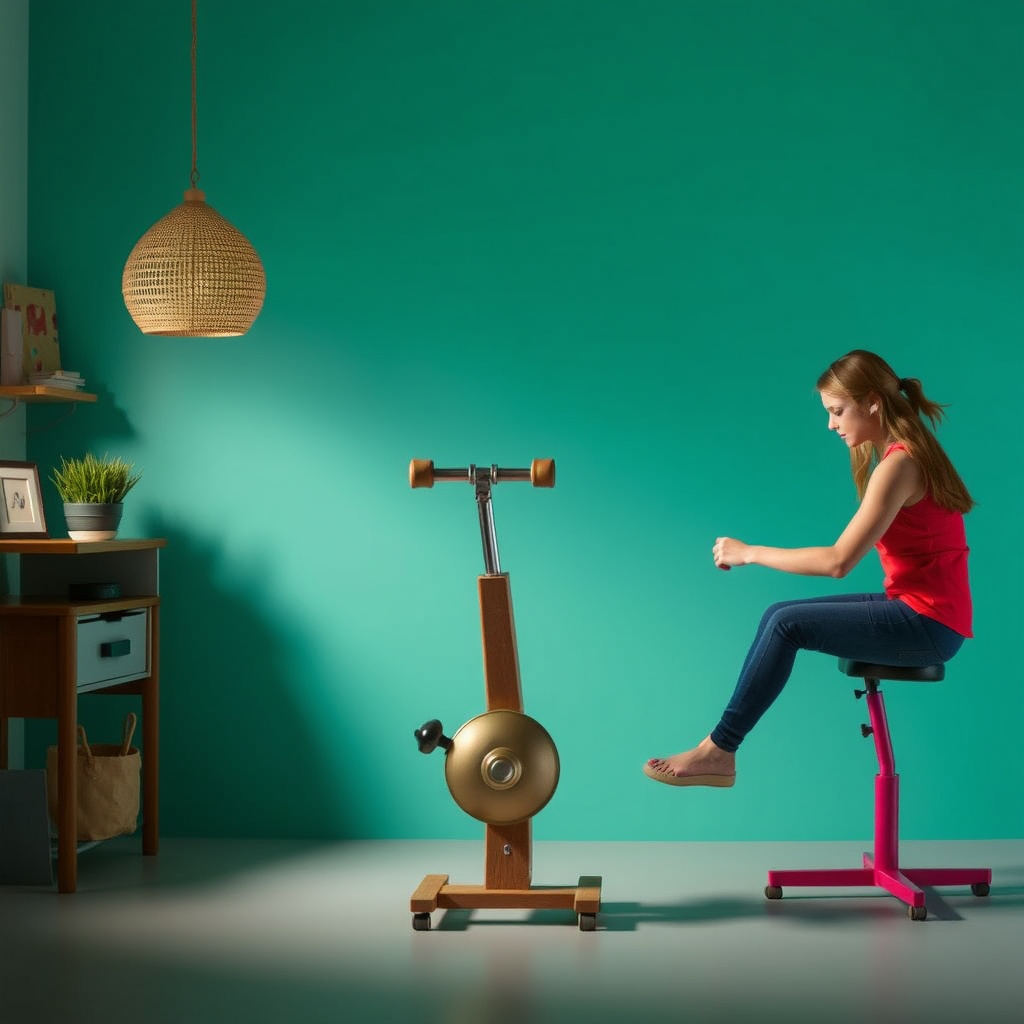
The surge of indoor cycling has turned living rooms into personal studios, offering a flexible, low‑impact way to boost cardiovascular health without stepping foot in a gym. As home workouts become a staple of modern life, the at‑home spinning revolution is reshaping how people stay active, connect with community, and integrate fitness into daily routines.
The Rise of Indoor Cycling: From Spin Classes to Living Rooms
Indoor cycling, once confined to boutique studios and large‑scale spin classes, has migrated to private spaces where individuals can control intensity, schedule, and environment. The practice originated in the early 1990s when cyclists sought a way to train year‑round, and it quickly gained popularity as a high‑energy cardio option. Today, the market offers a spectrum of equipment ranging from basic stationary bikes to immersive smart trainers that connect to virtual worlds. This accessibility has democratized the experience, allowing anyone with a modest budget to replicate the intensity of a group class at home. Moreover, the rise of streaming platforms and on‑demand video libraries means that users can follow certified instructors, explore scenic routes, or join live sessions without leaving their house. The result is a personalized fitness ecosystem that adapts to varying fitness levels, time constraints, and motivation cycles, making indoor cycling a cornerstone of contemporary home exercise routines.
Choosing the Right Spin Bike for Your Space and Budget
Selecting a spin bike involves balancing physical dimensions, noise level, resistance mechanisms, and price. For small apartments, compact models with a foldable frame or a low‑profile design minimize footprint while still delivering a solid ride. Magnetic resistance bikes tend to operate quietly and require less maintenance than friction‑based models, making them ideal for shared living spaces. Budget‑friendly options often feature manual resistance knobs, whereas premium smart bikes incorporate Bluetooth connectivity, interactive touchscreens, and automatic resistance adjustments that respond to virtual terrain. When evaluating cost, consider additional expenses such as heart‑rate monitors, cadence sensors, or subscription fees for virtual classes. A practical approach is to list essential features, measure the intended workout area, and set a realistic price ceiling before narrowing choices. Reading user reviews and testing the bike in store, if possible, can reveal hidden comfort issues like saddle comfort or pedal stability. Ultimately, the right bike aligns with your space, noise tolerance, and financial plan while supporting consistent, enjoyable workouts.
Setting Up Your Home Studio: Layout, Noise Control, and Safety
Creating a dedicated workout zone enhances consistency and reduces distractions. Position the bike near a window for natural light, but avoid direct sunlight that can cause glare on screens. Use a non‑slip mat beneath the bike to protect flooring and absorb vibration, which also dampens noise for neighbors. If space is limited, consider a wall‑mounted bike or a fold‑away model that can be stored when not use. Ensure adequate ventilation; a small fan or open window helps circulate air, especially during high‑intensity intervals. Safety basics include checking tire pressure (if using a road bike setup), securing the bike to prevent tipping, and keeping water within reach to stay hydrated. Wearing appropriate footwear, such as cycling shoes or supportive sneakers, reduces the risk of foot slippage on pedals. Finally, establish a pre‑workout routine that includes a brief warm‑up, posture check, and equipment inspection to minimize strain and maximize performance. A sturdy water bottle holder mounted on the frame ensures easy access without interrupting cadence. Additionally, using a heart‑rate monitor can help maintain safe intensity zones, especially for beginners who may over‑exert. Recording workout metrics through built‑in sensors or a companion app provides valuable data for tracking progress over weeks and months. Consider integrating a small speaker or headphones to play motivating playlists, which can sustain energy levels during longer sessions. For those who prefer structured programs, many platforms offer 4‑week progressive plans that gradually increase duration and resistance, helping to build endurance without overwhelming the body.
Structuring Effective At-Home Spin Workouts
An effective spin session balances warm‑up, main work, and cool‑down while respecting individual fitness levels. Begin with a 5‑minute easy pedal at a comfortable cadence to raise heart rate gradually. Follow with a 20‑minute segment that alternates between steady‑state riding at zone 3 (moderate intensity) and higher‑intensity intervals in zone 4 or 5, such as 1‑minute sprints followed by 2‑minute recoveries. This interval pattern improves cardiovascular capacity and burns calories efficiently. Mid‑session, incorporate a short 2‑minute standing climb to engage lower‑body muscles differently and increase calorie expenditure. Conclude with a 5‑minute cool‑down, gradually lowering resistance and cadence while focusing on deep breathing. For beginners, start with shorter intervals and lower resistance, then progress as confidence builds. Tracking metrics such as cadence, power output, and perceived exertion helps fine‑tune each workout, ensuring progressive overload without risking injury. Consistency, rather than occasional marathon sessions, drives long‑term fitness gains. Varying resistance types—such as using a magnetic trainer for smooth feel or a friction knob for tactile feedback—keeps the training stimulus fresh and prevents plateauing. Scheduling workouts on a calendar, setting reminders, and aligning sessions with personal goals, like weight loss or race preparation, reinforces adherence and makes the routine feel purposeful.
Leveraging Technology: Apps, Virtual Rides, and Community Features
The integration of digital tools has amplified the appeal of home spinning, turning solitary rides into interactive experiences. Popular platforms such as Peloton, Zwift, and Rouvy offer live‑streamed classes, simulated routes, and leaderboards that foster a sense of competition and community. Users can join virtual rides that replicate famous climbs or scenic countryside, adjusting resistance automatically based on on‑screen terrain. Many apps provide personalized training plans, real‑time performance analytics, and the ability to schedule sessions with friends, creating a social element that mimics group cycling. Wearable devices like heart‑rate monitors and power meters sync with these platforms, delivering precise data for performance tracking. Additionally, subscription services often include on‑demand libraries, allowing users to select music‑driven workouts or themed rides that match personal preferences. Leveraging these technologies not only adds motivation but also provides measurable progress, helping individuals stay accountable and achieve fitness milestones. Furthermore, many platforms integrate with smart home assistants, enabling voice‑controlled start/stop commands and personalized music playlists that sync with cadence. This seamless connectivity reduces friction, encouraging users to start a session without hesitation, and enhances the overall workout experience by tailoring content to individual tastes.
Integrating Spinning Into a Holistic Lifestyle: Nutrition, Recovery, and Mental Health
Spinning works best when paired with balanced nutrition, adequate recovery, and mental well‑being practices. Prior to a ride, consume a light carbohydrate‑rich snack such as a banana or whole‑grain toast to fuel muscles without causing gastrointestinal discomfort. Hydration is essential; sip water throughout the session and consider an electrolyte drink for rides longer than 60 minutes. Post‑workout, prioritize protein‑rich foods—like Greek yogurt, eggs, or plant‑based alternatives—to support muscle repair, and replenish glycogen with a small portion of fruit or a recovery shake. Sleep quality also influences performance; aim for 7‑9 hours of restful sleep and incorporate stretching or foam‑rolling routines to alleviate muscle tightness. Mentally, spinning can serve as a moving meditation, reducing stress and boosting mood through endorphin release. Setting realistic short‑term goals, such as increasing cadence by 5 % each week, fosters a sense of achievement and sustains motivation. By treating the bike as part of a broader health strategy, individuals experience synergistic benefits that extend beyond the stationary ride. Additionally, tracking nutrition via a simple app can help align caloric intake with training demands, while scheduling rest days prevents overtraining and promotes long‑term adherence.
Overcoming Common Challenges: Motivation, Space Constraints, and Equipment Maintenance
Many newcomers encounter obstacles that can hinder consistent participation. Motivation often wanes when progress feels slow; setting clear, measurable targets—such as completing three 30‑minute rides per week or achieving a specific power output—creates tangible milestones. To address space limitations, consider a compact bike with a vertical frame or a recumbent model that fits under a desk, and use a foldable mat that can be rolled away after each session. Noise concerns are mitigated by placing a thick rug beneath the bike and selecting a model with magnetic resistance, which operates more quietly than friction‑based systems. Regular maintenance, including cleaning the chain, checking tire pressure, and tightening bolts, extends equipment lifespan and ensures a smooth ride. If a bike malfunctions, consult the manufacturer’s manual or online tutorials before seeking professional repair, as many issues are solvable with basic tools. Finally, joining online communities or local spin groups provides social accountability, shared tips, and encouragement, turning isolated effort into a supportive network. Additionally, using a timer or interval app can structure workouts, preventing boredom and ensuring balanced intervals, while tracking performance metrics provides objective feedback that fuels motivation.
The Environmental Impact: Sustainable Fitness Choices
The at‑home spinning movement aligns with broader sustainability goals by reducing the need for commuting, gym electricity consumption, and single‑use workout gear. Selecting a bike built from recyclable materials or sourced from manufacturers with eco‑friendly production practices minimizes environmental footprint. Energy‑efficient smart trainers draw minimal power and often feature auto‑shutoff functions, lowering electricity use compared to traditional treadmills. Moreover, home workouts eliminate the carbon emissions associated with travel to fitness centers, contributing to lower overall greenhouse gas output. Users can further enhance sustainability by opting for reusable water bottles, eco‑friendly cleaning products, and clothing made from recycled fibers. Some brands now offer trade‑in programs that recycle old equipment into new components, supporting a circular economy. By integrating these conscious choices, individuals can enjoy high‑intensity cardio while actively reducing their ecological impact, demonstrating that personal fitness and planetary health can progress together. Additionally, many platforms now highlight carbon‑offset options, allowing users to offset the energy used during virtual rides, further reinforcing environmentally responsible habits.
Mastering Cadence and Power Zones: The Physics Behind the Pedal Stroke
Understanding cadence and power output transforms casual pedaling into purposeful training. Cadence, measured in revolutions per minute (RPM), typically ranges from 60 to 110 for most riders, with lower cadences emphasizing muscular strength and higher cadences favoring cardiovascular endurance. Power, measured in watts, combines force and speed to quantify work done. By pairing a cadence sensor with a power meter, riders can identify their optimal pedal stroke efficiency and avoid over-relying on resistance alone. For example, a rider generating 200 watts at 90 RPM experiences a different physiological demand than one producing 200 watts at 70 RPM. Smart trainers and premium bikes display real-time metrics, allowing users to stay within target zones during structured intervals. Beginners often unknowingly spin too slowly with excessive resistance, leading to joint strain. Coaching cues such as u201ctall and smooth pedal circlesu201d or u201cpush down and pull upu201d help develop neuromuscular coordination. Advanced users can analyze left-right balance and torque effectiveness through platforms like Stages or Wahoo, refining technique to eliminate dead spots in the pedal stroke. Integrating these metrics into weekly training plans ensures progressive overload while minimizing injury risk. Additionally, monitoring cadence variability across different ride types—sprints, climbs, and endurance spins—helps riders develop a versatile skill set that translates to outdoor cycling confidence.
Customizing Resistance Profiles: Matching Workouts to Real-World Terrain
One of the most compelling aspects of modern smart bikes is their ability to simulate outdoor terrain through dynamic resistance adjustments. Platforms like Zwift and The Sufferfest map virtual courses to corresponding resistance changes, so when a rider approaches a steep climb, the electromagnetic trainer increases load automatically. This feature allows users to practice gear-shifting strategies, pacing techniques, and climbing positioning without leaving home. For instance, simulating Alpe d’Huez requires sustained power output over 21 switchbacks, teaching riders how to manage fatigue across a long ascent. Similarly, virtual flat time trials help develop aerodynamic positioning and consistent power delivery. Users can also manually adjust resistance to mimic specific scenarios, such as drafting in a peloton or tackling cobblestone sections. Customizing these profiles enhances neuromuscular adaptation and prepares cyclists for races or gran fondos. Some advanced setups even integrate with smart fans that increase airflow during virtual descents, adding an immersive layer of realism. By replicating terrain-specific demands, indoor training becomes a bridge between structured fitness and functional cycling performance.
Building a Sustainable Training Calendar: Periodization for Home Athletes
Without the structure of a gym class schedule, home spinners must intentionally design their training calendars to avoid burnout and ensure balanced progression. Periodization divides training into phases—base, build, peak, and recovery—with each targeting specific physiological adaptations. During the base phase, riders focus on low-intensity steady rides that build aerobic capacity and connective tissue resilience. The build phase introduces higher-intensity intervals, such as threshold efforts at 85-95% of maximum heart rate, to improve lactate clearance. Peak weeks consolidate fitness gains with race simulations or personal best attempts, while recovery weeks reduce volume and intensity to allow adaptation. A sample four-week block might include three endurance rides, one tempo session, and one interval workout per week. Tracking metrics like resting heart rate, sleep quality, and perceived exertion helps identify when to adjust training load. For busy professionals, embedding shorter 20-minute rides during lunch breaks can maintain consistency without overwhelming schedules. Digital calendars with color-coded workout types and automatic reminders reinforce adherence, making long-term goals like completing a century ride or qualifying for a triathlon feel achievable.
Nutrition Timing Around Indoor Cycling Sessions
Fueling before and after indoor cycling sessions significantly impacts performance and recovery outcomes. Pre-ride nutrition should emphasize easily digestible carbohydrates consumed 30 to 60 minutes prior to exercise. A banana with a tablespoon of almond butter provides quick energy without gastrointestinal distress. For longer rides exceeding 90 minutes, cyclists benefit from sipping electrolyte drinks or consuming sports gels every 20 to 30 minutes to maintain blood glucose levels. Post-ride recovery nutrition ideally follows the 3:1 or 4:1 carbohydrate-to-protein ratio within 30 minutes of finishing. Chocolate milk, Greek yogurt with berries, or a plant-based smoothie with banana and pea protein offer convenient options. Hydration strategies extend beyond water intake; monitoring urine color and body weight changes before and after rides helps quantify fluid needs. Electrolyte supplementation becomes crucial during sweat-heavy sessions, particularly in heated rooms or during summer months. Athletes aiming for weight management should consider time-restricted eating windows that align with training schedules, ensuring adequate fuel availability without compromising caloric goals. Experimentation with different pre-workout snacks and post-exercise meals helps individualize timing for optimal results.
Recovery Strategies Specific to Stationary Bike Training
While indoor cycling is low-impact, repetitive motion and sustained positioning can lead to muscle tightness and mental fatigue if recovery practices are neglected. Active recovery sessions at 50-60% of maximum heart rate promote blood flow and nutrient delivery to fatigued muscles. These easy spins should last 20 to 30 minutes and avoid structured intervals or competitive pacing. Post-ride stretching routines targeting the quadriceps, hamstrings, hip flexors, and calves prevent compensatory movement patterns. Foam rolling the IT band, glutes, and lower back alleviates tension accumulated during seated climbs and sprint efforts. Sleep hygiene plays a critical role in recovery; maintaining a consistent bedtime routine and limiting screen exposure before sleep enhances restorative processes. For athletes experiencing persistent soreness, contrast showers alternating hot and cold water stimulate circulation and reduce inflammation. Mental recovery includes mindfulness practices such as meditation or breathing exercises that lower cortisol levels and improve focus. Some premium platforms now incorporate guided cooldowns and mobility flows, integrating recovery directly into the training experience. Treating recovery as an integral part of the training cycle, rather than an afterthought, ensures sustained progress and long-term enjoyment of indoor cycling.
Expanding Social Connectivity: Beyond Virtual Classes
The communal aspect of indoor cycling extends far beyond scheduled virtual classes, offering numerous avenues for social engagement and accountability. Many platforms host monthly challenges where users compete individually or form teams to accumulate mileage, elevation gain, or workout completion streaks. Leaderboards reset weekly, creating fresh opportunities for friendly rivalry and goal-setting. Social features like photo sharing, achievement badges, and comment threads foster a sense of belonging among geographically dispersed riders. Some communities organize virtual meetups where participants ride simultaneously while connected via video chat, simulating group rides with real-time encouragement. Local cycling clubs often partner with indoor trainers to host winter training sessions, combining digital platforms with in-person camaraderie. Gamification elements such as unlocking new routes, earning virtual jerseys, or progressing through difficulty tiers keep motivation high. For families, setting up multiple bikes in the same room allows parents and children to train together, turning fitness into quality time. Advanced users can mentor newcomers through structured buddy systems, reinforcing knowledge retention while building lasting relationships within the global cycling community.
Adaptive Training: Modifying Workouts for Injury Rehabilitation and Limitations
Indoor cycling offers remarkable versatility for individuals recovering from injuries or managing physical limitations, provided modifications are implemented thoughtfully. Riders with lower-back issues should prioritize an upright riding position, adjusting saddle height and handlebar reach to minimize spinal compression. Those with knee concerns benefit from reducing resistance and maintaining a cadence above 80 RPM to decrease joint loading. Physical therapists increasingly prescribe stationary bikes as part of rehabilitation protocols due to their controlled resistance and non-weight-bearing nature. For example, post-ACL surgery patients begin with passive pedaling and gradually increase resistance under supervision. Users with cardiovascular conditions can monitor heart rate continuously through integrated sensors, ensuring exercise remains within physician-approved zones. Seated climbs and standing sprints can be replaced with flat-terrain intervals to accommodate joint sensitivity. Adaptive equipment such as pedal assist devices or hand cycles enable participation for individuals with limited lower-body function. Platforms like Zwift offer adaptive settings that adjust difficulty curves and provide visual cues tailored to reduced mobility. Collaborating with healthcare providers to customize training parameters ensures safe progression while maintaining motivation. These adaptations demonstrate how indoor cycling can serve not only elite athletes but also individuals seeking accessible, scalable fitness solutions.
Frequently Asked Questions
How often should I spin at home to see results?
Consistency is key; aim for three to five sessions per week, each lasting between 30 and 60 minutes. Beginners can start with two shorter rides and gradually increase duration and intensity as fitness improves. Listening to your body and incorporating rest days prevents overtraining. Measurable goals, such as adding five minutes to each session or increasing cadence by 5 % weekly, help track progress and maintain motivation. Including a warm‑up and cool‑down, monitoring heart‑rate zones, and using a timer for intervals can enhance effectiveness and ensure safe training. Tracking these metrics in a simple spreadsheet or app provides objective feedback and helps adjust future workouts for continued improvement.
Can I use a regular stationary bike instead of a dedicated spin bike?
While a standard upright bike can provide a cardio workout, a dedicated spin bike offers a more authentic cycling experience with a heavier flywheel, adjustable seat height, and integrated resistance controls that better simulate outdoor riding. If you already own a sturdy stationary bike, you can still achieve effective results by adding a cadence sensor, ensuring proper saddle positioning, and following structured interval plans. However, the lack of a robust frame and specialized pedals may limit comfort and performance over longer sessions. For optimal safety and efficiency, a bike designed for indoor cycling is recommended, especially for high‑intensity training. Additionally, using a heart‑rate monitor or power meter can provide real‑time feedback, helping you stay within target zones and avoid overexertion.
What are the best ways to stay motivated during long spinning sessions?
Maintaining motivation during extended rides involves mixing up content, setting micro‑goals, and creating a supportive environment. Rotate between different virtual routes, music playlists, or instructor‑led classes to prevent monotony. Break the session into intervals with short rest periods, and celebrate each completed segment. Visual cues such as a progress tracker on the screen or a timer that announces milestones can reinforce a sense of achievement. Inviting a friend to join via video call adds social accountability, while post‑workout rewards like a favorite smoothie or a relaxing shower reinforce positive behavior. Consistently reviewing personal records and adjusting goals keeps the experience fresh and purposeful. Use a timer app that announces each interval, and consider playing upbeat music that matches your cadence to sustain energy levels. Scheduling regular sessions on a calendar, setting reminders, and tracking weekly mileage or calories burned provide tangible evidence of progress, which fuels ongoing commitment. Finally, celebrating milestones with a photo journal or sharing achievements on social media creates a feedback loop that reinforces dedication. Even short 5‑minute cooldowns after each ride help the body recover and keep motivation high for the next session.
How can I integrate spinning into a busy schedule without sacrificing other responsibilities?
Balancing spin workouts with a demanding lifestyle requires strategic planning and realistic expectations. Identify short time slots—such as early mornings, lunch breaks, or evenings—when you can fit a 20‑ to 30‑minute ride, and treat them as non‑negotiable appointments. Combine errands with exercise by riding while listening to podcasts or audiobooks, which maximizes productivity. Prepare your bike the night before, set up music or a class in advance, and minimize transition time. If family obligations arise, involve them by using a child‑friendly bike or scheduling family‑friendly rides together. Remember that consistency, even in brief sessions, yields cumulative benefits, so prioritize quality over length and keep a flexible mindset.
What are the health benefits of regular indoor cycling compared to other cardio activities?
Indoor cycling provides a low‑impact, high‑intensity cardiovascular workout that improves heart health, lung capacity, and blood flow while minimizing stress on joints. Compared to running, it reduces impact‑related injuries and allows longer sessions at higher intensities. Unlike treadmill walking, spinning engages the lower‑body muscles more dynamically, increasing calorie burn and muscular endurance. The controlled environment also supports consistent heart‑rate zones, which can enhance aerobic conditioning and aid weight management. Additionally, the rhythmic pedaling can promote mental relaxation and improve mood, making it a holistic choice for overall well‑being. Furthermore, regular sessions also support metabolic health by improving insulin sensitivity and can contribute to lower blood pressure, further underscoring its value as a comprehensive fitness tool. Additionally, many platforms now highlight carbon‑offset options, allowing users to offset the energy used during virtual rides, further reinforcing environmentally responsible habits.
Related posts:
 This Full-Body Resistance Band Workout Will Transform Your Home Gym
 Spinning and Rhabdomyolysis Risk
 SoulCycle’s Home Bike That Brings Studio Energy to Your Living Room
 Beginner’s Guide to Cycling
 Understanding Gym Equipment
 Paris’s Indoor Cycling Revolution
 The Best Spin Bike Accessories That Make Indoor Cycling Way More Fun
 Preventing Spin Class Discomfort