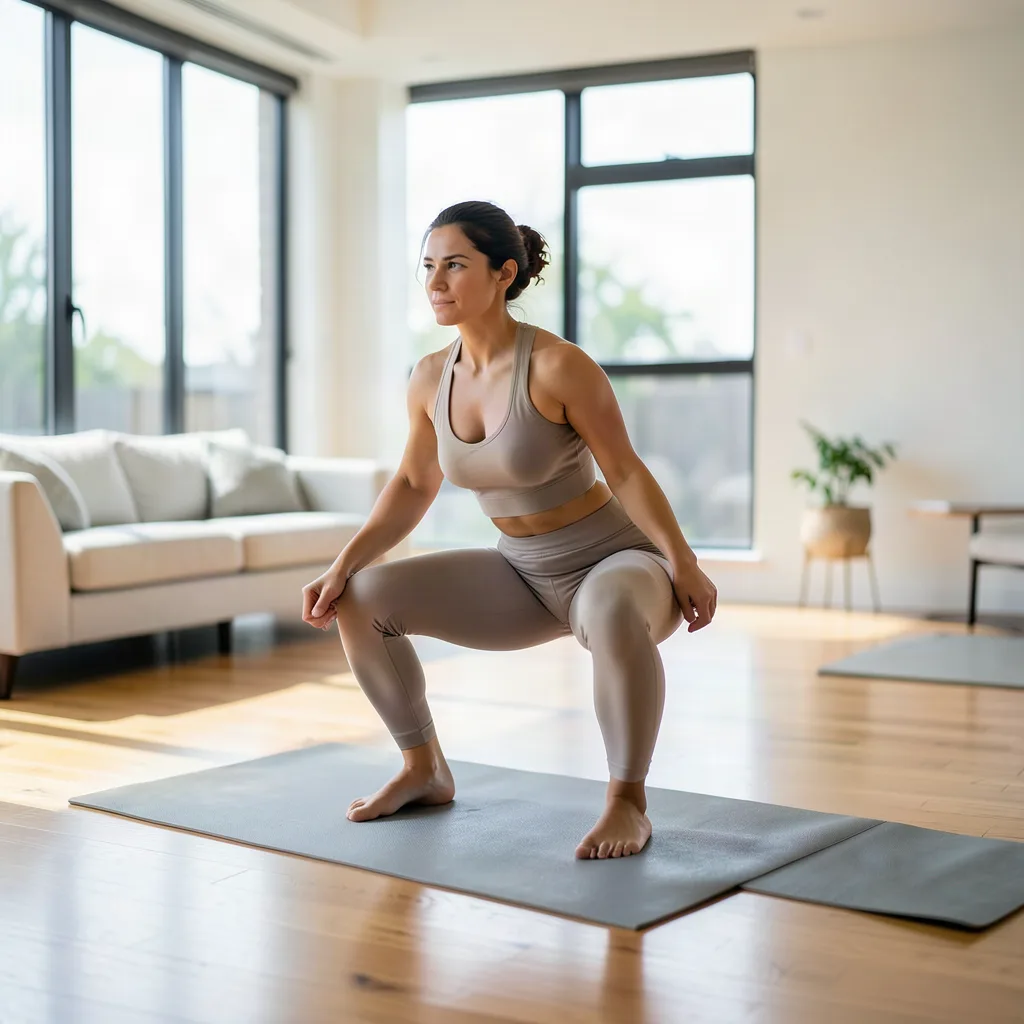
Introduction: Strength Training for All
When we think of supermodels, we often envision sleek physiques strutting down runways. But behind those glamorous images are real people who work hard to stay fit and healthy. Many supermodels have discovered the transformative power of at-home strength training – not just for maintaining their figures, but for boosting overall wellbeing and confidence. The good news is that these simple yet effective moves can benefit anyone looking to build strength, regardless of body type or fitness level. Let’s explore some accessible strength exercises that supermodels and everyday heroes alike swear by for feeling strong and empowered.
Bodyweight Basics: No Equipment Needed
One of the most appealing aspects of at-home strength training is that it requires little to no equipment. Many supermodels rely on bodyweight exercises that can be done anytime, anywhere. Some favorites include:
- Squats: This lower body powerhouse move engages multiple muscle groups while improving balance and mobility.
- Push-ups: A classic exercise that strengthens the chest, shoulders, and core. Modifications make it accessible for all fitness levels.
- Lunges: Great for toning the legs and glutes while enhancing stability.
- Planks: An isometric hold that builds core strength and improves posture.
The key is to focus on proper form rather than speed or repetitions. Quality movements build strength more effectively and safely than rushed, sloppy ones.
Resistance Band Magic
For those looking to add a bit more challenge without investing in bulky equipment, resistance bands are a supermodel secret weapon. These lightweight, portable tools can dramatically increase the difficulty of bodyweight exercises. Some popular resistance band moves include:
- Banded squats: Place the band just above your knees to engage the outer thighs and glutes even more.
- Lateral walks: Great for targeting the often-neglected side hip muscles.
- Bicep curls and tricep extensions: Build arm strength without the need for heavy weights.
- Banded rows: Improve posture and back strength by mimicking a rowing motion.
Resistance bands come in various strengths, allowing you to progress as you build strength over time.
Pilates-Inspired Core Work
Many supermodels incorporate Pilates-inspired moves into their routines for a strong, stable core and improved flexibility. These exercises focus on controlled movements and proper breathing:
- The Hundred: A challenging abdominal exercise that also improves breath control.
- Single-leg stretches: Targets the lower abs while improving hip flexibility.
- Scissor kicks: Engages the entire core while working on leg strength and control.
- Roll-ups: A full-body move that strengthens the abs and improves spinal flexibility.
Remember, the goal of these exercises isn’t to achieve a particular body type, but to build core strength that supports overall health and wellbeing.
Mindful Movement and Recovery
Strength training isn’t just about pushing your muscles to the limit. Many supermodels emphasize the importance of mindful movement and proper recovery in their routines. This might include:
- Yoga flows: Combining strength, flexibility, and mindfulness.
- Foam rolling: To release muscle tension and improve mobility.
- Stretching sessions: Dedicated time to improve flexibility and prevent injury.
- Meditation: Building mental strength alongside physical strength.
These practices not only complement strength training but also promote overall wellbeing and body awareness.
Embracing Strength for Confidence and Health
While supermodels may inspire us with their dedication to fitness, it’s important to remember that strength training is about so much more than aesthetics. Regular strength training can:
- Boost metabolism and support healthy weight management
- Improve bone density, reducing the risk of osteoporosis
- Enhance mood and reduce symptoms of anxiety and depression
- Increase energy levels and improve sleep quality
- Build confidence and a positive body image
By incorporating these simple yet effective moves into your routine, you’re not just working towards a stronger body – you’re investing in your overall health and wellbeing. Remember, every body is different, and the most important thing is to find a routine that makes you feel good, both physically and mentally.
FAQ: At-Home Strength Training
1. How often should I do these strength exercises?
Aim for 2-3 strength training sessions per week, allowing at least one day of rest between sessions for muscle recovery. Listen to your body and adjust as needed.
2. Do I need to do all these exercises in one session?
Not necessarily. You can mix and match exercises to create varied workouts, or focus on different areas each session. The key is consistency over time.
3. How long should each strength training session last?
Start with 20-30 minutes and gradually increase as you build strength and endurance. Quality is more important than quantity.
4. Can strength training help me lose weight?
While strength training can support weight management by boosting metabolism, it’s most effective when combined with a balanced diet and cardiovascular exercise.
5. I’m a beginner. How do I know if I’m doing the exercises correctly?
Start with basic forms of each exercise and focus on controlled movements. Consider working with a fitness professional initially to ensure proper form. Many online resources also offer detailed form guides and video tutorials.
Related posts:
 Hardest Pilates Moves to Master
 Margot Robbie’s Golden Globes Ab Workout Secrets Revealed
Vanessa Hudgens’ Resistance Band Workout for Glutes and Legs
Margot Robbie’s Golden Globes Ab Workout Secrets Revealed
Vanessa Hudgens’ Resistance Band Workout for Glutes and Legs
 Resistance Bands Training Guide
The Full-Body Resistance Band Workout That Rivals Any Gym Session
Resistance Bands Training Guide
The Full-Body Resistance Band Workout That Rivals Any Gym Session
 Shay Mitchell Masters Resistance Band Pull-ups
 Resistance Band Glute Workouts
 The Best Peloton-Style Resistance Bands for Pilates At Home