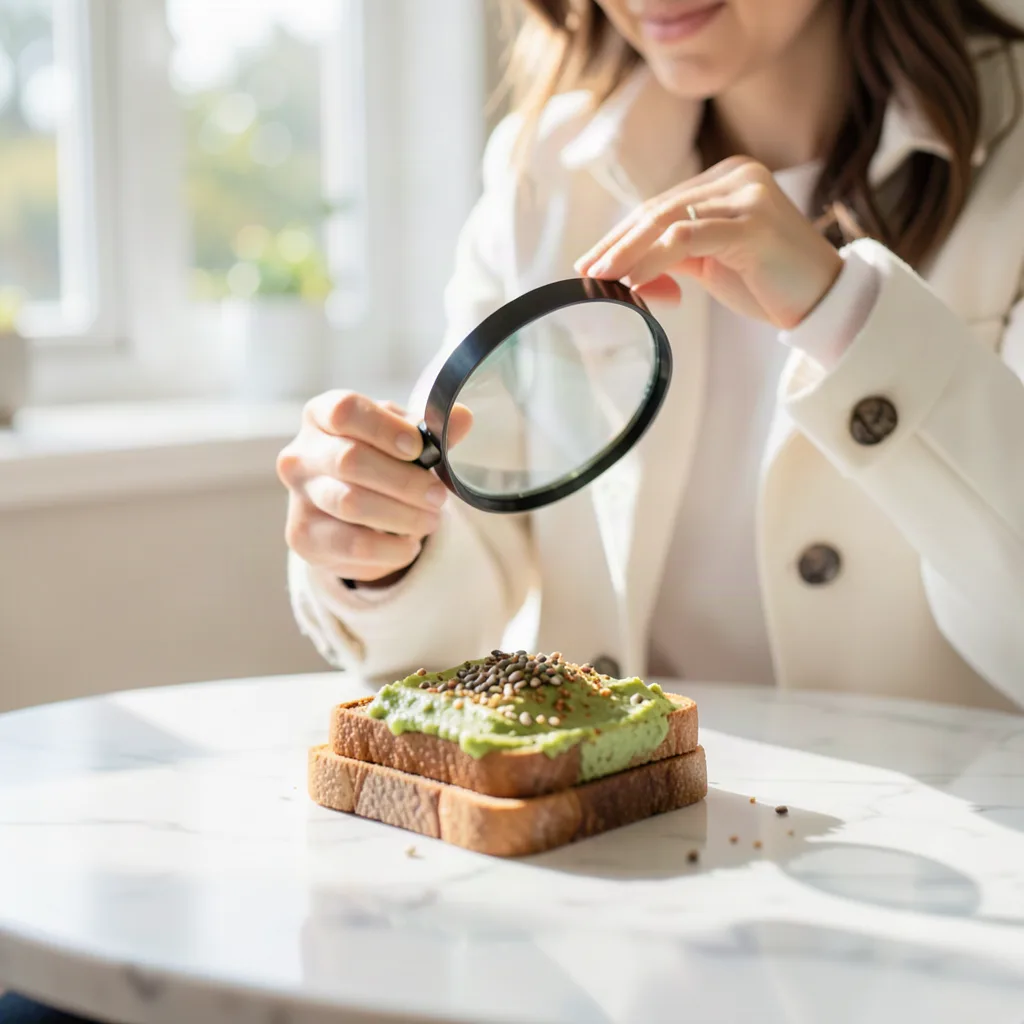
Avocado toast has transcended its status as a simple breakfast dish to become a cultural phenomenon. While often dismissed as a millennial trend or a symbol of lifestyle choices, the sustained popularity of this meal is rooted in a unique intersection of nutritional science, sensory psychology, and evolutionary biology. Understanding why this combination of sourdough and smashed avocado remains a global staple provides insight into how our brains and bodies respond to the composition of our food.
Key takeaways
- The lipid-carb synergy provides a steady glucose release, preventing energy crashes associated with sugary breakfast options.
- Textural and thermal contrasts, along with auditory feedback from toasted bread, keep the brain engaged and prevent sensory fatigue.
- Avocado fats enhance the absorption of fat-soluble vitamins found in vegetable toppings like microgreens or spinach.
- The ritual of preparation and the visual aesthetic of the dish trigger positive psychological responses and aid digestive efficiency.
- Smashing avocado maximizes lipid exposure and flavor distribution, creating a more rewarding eating experience than plain slices.
The Nutritional Synergy of Healthy Fats and Complex Carbohydrates
At the core of the avocado toast experience is the macronutrient balance between the monounsaturated fats found in avocados and the complex carbohydrates in bread. Avocados are rich in oleic acid, a heart-healthy fat that slows gastric emptying. When paired with the fiber-dense structure of high-quality sourdough or sprouted grain bread, this creates a sustained energy release. Unlike sugary breakfast options that lead to rapid insulin spikes and subsequent energy crashes, the lipid-carb pairing provides a steady glucose supply to the brain, which many consumers report as a feeling of mental clarity and satiety.
The Sensory Appeal of Texture Contrast
From a food science perspective, the “crunch-factor” is a primary driver of food enjoyment. The textural contrast between the crisp, toasted crust of the bread and the creamy, buttery consistency of ripe avocado triggers a positive sensory response in the brain. This is known as the “sensory-specific satiety” phenomenon; we are evolutionarily programmed to enjoy foods that offer complex mouthfeel. The bread provides the acoustic feedback of a crunch, while the avocado coats the palate, creating a satisfying experience that feels more substantial than a singular texture would provide.
The Role of Glutamates and Savory Satisfaction
Avocados contain natural levels of glutamates, the amino acids responsible for the fifth taste, umami. When avocado is seasoned with sea salt, the sodium ions amplify these glutamates, creating a savory depth that is highly rewarding to the human palate. This chemical reaction mimics the satisfaction we get from meat or aged cheeses, making avocado toast a surprisingly effective plant-based alternative for those seeking savory, comfort-food profiles without the need for animal products.
Psychological Comfort and the Ritual of Preparation
Beyond the chemistry, the ritual of preparing avocado toast serves as a grounding mental exercise. The act of slicing, mashing, and seasoning—often followed by the addition of colorful toppings like microgreens, chili flakes, or poached eggs—engages the brain in a mindful task. In an era of high-stress convenience eating, the assembly of this meal acts as a micro-ritual. This small investment of time in food preparation has been linked to higher levels of satisfaction with one’s diet, as the consumer feels a sense of agency and creativity in their nutritional intake.
The Impact of Micronutrient Density on Mood
Avocados are a potent source of folate, Vitamin K, and Vitamin E. Folate, in particular, plays a critical role in the synthesis of neurotransmitters like serotonin, dopamine, and norepinephrine, which regulate mood and sleep. While no single meal can act as a substitute for mental health support, the consistent consumption of nutrient-dense whole foods supports the gut-brain axis. Many individuals find that starting the day with a meal that supports stable blood sugar and provides essential vitamins contributes to a more balanced emotional baseline throughout the morning.
The Evolution of Toppings as Nutrient Boosters
The versatility of avocado toast allows for the integration of diverse food groups, which enhances its overall nutritional profile. By adding protein sources like hemp seeds, pumpkin seeds, or smoked salmon, the meal shifts from a snack to a complete, balanced breakfast. This adaptability is key to its longevity; the “base” of toast and avocado remains constant, but the ability to customize it based on seasonal availability or personal nutritional needs prevents the dietary boredom that causes many healthy routines to fail.
Addressing the Satiety Index
The Satiety Index is a measurement of how full a person feels after consuming a specific food. Because avocado toast combines high-fiber carbohydrates with high-fat lipids, it ranks significantly higher on the satiety scale than low-fat, high-carbohydrate breakfasts like cereal or bagels. This biological feedback loop encourages people to return to the meal repeatedly because the body registers it as a high-value, high-reward energy source that keeps hunger pangs at bay for several hours.
The Sustainability of the Avocado Habit
While the avocado trade has faced environmental scrutiny, the shift toward regenerative agriculture and conscious sourcing allows consumers to align their dietary choices with their values. When we choose to consume plant-based fats over animal-derived fats, we generally lower our individual carbon footprint. This alignment between personal health and environmental responsibility provides a psychological benefit, as the consumer feels their breakfast choice is contributing to a larger, positive impact on the planet.
The Chemistry of Maillard Reaction and Bread Toasting
The culinary appeal of avocado toast begins long before the fruit hits the bread. The process of toasting sourdough triggers the Maillard reaction, a chemical transformation between amino acids and reducing sugars that occurs under heat. This reaction creates hundreds of different flavor compounds, contributing to the complex, toasted profile that serves as the perfect aromatic foundation for the avocado. Beyond flavor, the heat changes the starch structure of the bread. By partially gelatinizing the starches, the toast becomes more resistant to becoming soggy when topped with avocado. This structural integrity is vital; it ensures that the physical experience of the meal remains consistent from the first bite to the last, preventing the dreaded “collapse” of ingredients that occurs with lower-quality bread.
Lipid Solubilization and Nutrient Bioavailability
The health benefits of avocado toast are significantly amplified by the principle of lipid-dependent nutrient absorption. Many essential vitamins found in accompaniments—such as Vitamin A in microgreens, Vitamin K in spinach, or carotenoids in tomatoes—are fat-soluble. When consumed in isolation, these nutrients are poorly absorbed by the human digestive system. However, the monounsaturated fats in avocado act as a delivery vehicle. By coating these micronutrients in healthy lipids, the avocado facilitates their transport across the intestinal wall. Effectively, the avocado functions as a culinary “key,” unlocking the nutritional density of any vegetable topping added to the toast, making the meal exponentially more potent than the sum of its individual parts.
The Role of Electrolytes and Osmotic Balance
A frequently overlooked aspect of the avocado toast experience is the precise balance of minerals. Avocados are an exceptional source of potassium, containing more per gram than bananas. Potassium is an essential electrolyte that works in tandem with the sodium added during seasoning to regulate fluid balance and nerve signaling. When an individual consumes a meal that is slightly salty and rich in potassium, it helps maintain proper osmotic pressure within cells. This physiological state is often interpreted by the body as a feeling of “proper hydration” and metabolic efficiency, which contributes to the sustained sense of well-being experienced after the meal. For those who exercise in the morning, this electrolyte profile serves as a mild, natural recovery aid.
Sensory Mapping and the Visual Aesthetics of Plating
The modern obsession with the visual presentation of avocado toast is not merely a social media trend; it is rooted in the “cephalic phase” of digestion. The brain begins the digestive process through sight and smell before the first bite is even taken. Vibrant green avocado, contrasted with the deep brown of toasted grain and the bright pops of color from toppings like radish, chili, or pomegranate, stimulates the production of digestive enzymes and saliva. This visual anticipation signals the parasympathetic nervous system to shift into a “rest and digest” state. By engaging the visual cortex, the aesthetic preparation of the dish enhances the efficiency of the subsequent metabolic processing, effectively making the meal easier for the body to assimilate.
Microbiome Diversity and Prebiotic Fiber Interactions
The combination of sourdough bread and avocado creates a powerful prebiotic synergy for the gut microbiome. Sourdough, specifically when made with wild yeast and lactic acid bacteria, serves as a source of diverse microbial cultures. When paired with the specific types of soluble and insoluble fiber found in avocados, it provides fuel for beneficial gut bacteria. These bacteria ferment the fiber into short-chain fatty acids (SCFAs) like butyrate, which are known to improve gut barrier integrity and reduce systemic inflammation. Regular consumption of this fiber-rich combination helps cultivate a more resilient gut environment, which is increasingly linked to improved immune function and even long-term metabolic health.
The Impact of Temperature Differentials on Palatability
One of the more subtle sensory drivers of avocado toast is the thermal contrast. The juxtaposition of hot, toasted bread and cool, creamy avocado creates a “thermal shock” that prevents the palate from becoming habituated to a single sensation. This is a common technique used by chefs to maintain interest throughout a dish. By keeping the avocado at room temperature or slightly chilled while the bread is freshly toasted, the contrast remains sharp. If both components were the same temperature, the brain would perceive the meal as more monotonous, leading to faster sensory fatigue. This thermal dynamic ensures that every mouthful remains engaging, keeping the eater focused on the sensory experience rather than mindlessly consuming the food.
Technological Adaptation: The Evolution of the “Smashed” vs. “Sliced” Paradigm
The choice between smashing and slicing avocado is more than a stylistic preference; it changes the surface area-to-volume ratio of the lipid exposure. Smashing the avocado breaks down the cellular walls of the fruit, releasing more of its natural oils and allowing the seasoning to penetrate deeper into the flesh. This creates a uniform consistency that ensures a balanced distribution of fats across every square millimeter of the toast. Conversely, slicing preserves the structural integrity of the avocado, offering a different mouthfeel that highlights the fruit’s natural creaminess. The “smashed” method is scientifically superior for flavor delivery, as it maximizes the contact point between the salt, the avocado lipids, and the bread surface, creating a cohesive, integrated flavor profile that is more rewarding to the taste receptors than simply placing slices atop the bread.
The Role of Polyphenols and Antioxidant Synergy
Beyond macronutrients, the avocado-toast combination is a delivery system for potent phytochemicals. Avocados contain carotenoids like lutein and zeaxanthin, which are essential for ocular health and cognitive protection. When you incorporate whole-grain or sourdough bread, you are adding phenolic acids, which act as antioxidants to combat oxidative stress. Research suggests that the interaction between the polyphenols in the bread and the lipids in the avocado creates a protective matrix that preserves these compounds during the transit through the upper gastrointestinal tract. This means the antioxidants are more likely to reach the colon, where they exert their most beneficial effects on cellular health, effectively turning a simple breakfast into a functional food delivery system.
The Acoustic Feedback Loop and Neural Reward Pathways
The auditory experience of eating is often underestimated, yet the ‘crunch’ provided by toasted bread is a critical component of the dopamine-driven feedback loop. This phenomenon, known as ‘sonic seasoning’, influences how we perceive the freshness and quality of our food. When we bite into a perfectly toasted piece of sourdough, the high-frequency sound waves travel through our jawbone to the inner ear, signaling ‘freshness’ to the brain. This auditory signal acts as a biological indicator of high-quality, non-spoiled food. By combining this acoustic ‘snap’ with the soft, yieldable resistance of the avocado, the brain receives two conflicting but complementary sensory signals, which keeps the reward centers of the brain highly engaged throughout the meal, preventing the rapid habituation that occurs with softer, monochromatic foods.
The Impact of Acidification on Enzyme Activity
A common culinary technique—adding a splash of lemon or lime juice to mashed avocado—is actually a sophisticated chemical intervention. Beyond preventing oxidation, the citric acid lowers the pH of the avocado mash. This acidification facilitates the work of digestive enzymes in the stomach, specifically pepsin, which requires an acidic environment to function efficiently. By pre-acidifying the meal, the diner assists the body in the initial stages of protein and fat breakdown. Furthermore, the ascorbic acid (Vitamin C) in the citrus helps stabilize the iron found in the bread’s grains, increasing its bioavailability. This small addition transforms the toast into an optimized biochemical environment for nutrient absorption.
The Influence of Salt-Induced Salivation on Flavor Perception
The application of sea salt is not merely about taste; it is a physiological trigger for the salivary glands. Salt acts as a solute that draws out the moisture from the avocado cells, creating a natural ‘sauce’ that coats the bread fibers. This process of osmosis increases the surface area contact between the flavor compounds (lipids and glutamates) and the taste buds on the tongue. Increased saliva production also ensures that the food is thoroughly masticated before swallowing. Proper mastication is essential for the mechanical breakdown of fiber, which in turn allows the gut microbiome easier access to the prebiotic components of the bread. Thus, the salt acts as a catalyst for both sensory pleasure and mechanical digestion.
Addressing the Chronobiology of Breakfast
From a chronobiological perspective, the timing of our meals influences how we metabolize nutrients. Consuming high-fat, high-fiber meals like avocado toast in the morning aligns with the body’s natural circadian rhythm for insulin sensitivity, which is typically highest early in the day. During the morning hours, the body is primed to utilize dietary fats for sustained cellular energy rather than storing them as adipose tissue. By providing the brain with a steady source of energy via the slow-burning lipids in avocado, we avoid the ‘circadian misalignment’ that occurs when we consume high-glycemic index foods that disrupt our internal clocks. This meal supports the morning rise in cortisol, providing the necessary fuel to manage the day’s stressors without the need for excessive stimulants like caffeine.
The Structural Integrity of the ‘Crust-Crumb’ Ratio
The architecture of the bread itself plays a role in the ‘satiety-to-effort’ ratio of the meal. A dense, high-quality sourdough has a specific ‘crust-to-crumb’ ratio that requires more mechanical force to chew than soft, processed breads. This increased chewing time—a concept known as ‘masticatory effort’—has been shown in behavioral studies to influence the release of satiety hormones like PYY and GLP-1. Because the brain takes roughly 20 minutes to register fullness, the extra time spent processing the dense, fibrous structure of artisanal bread allows the body’s hormonal signals to catch up with the caloric intake. This prevents the ‘overeating trap’ common with ‘easy-to-consume’ breakfast items, making avocado toast a self-limiting, psychologically satisfying portion.
Frequently Asked Questions
Is avocado toast actually healthy, or is it just high in calories? Avocados are energy-dense, meaning they contain a high amount of calories per gram due to their fat content. However, these are heart-healthy monounsaturated fats. When consumed in appropriate portion sizes—typically half an avocado—it provides essential nutrients and fiber that promote long-term satiety, which can actually prevent overeating later in the day.
Why does avocado toast make me feel better than sugary breakfasts? Sugary breakfasts cause a rapid spike in blood glucose followed by a sharp drop, often leading to irritability and brain fog. The fiber and fat in avocado toast slow down the absorption of glucose into the bloodstream, providing a steady, consistent release of energy that supports cognitive function.
Does the type of bread I use really matter? Yes. Using refined white bread can negate some of the benefits by causing a spike in blood sugar. Opting for sourdough, sprouted grain, or rye bread provides complex carbohydrates and prebiotics that are beneficial for gut health and ensure the energy release from the meal remains stable.
Can I prepare avocado toast in advance? Avocados oxidize and turn brown when exposed to air, which can be unappealing. To mitigate this, keep the avocado in its skin until you are ready to eat, or add a squeeze of lemon or lime juice to the mashed avocado. The acidity slows the oxidation process, keeping the meal fresh for several hours.
Is it okay to eat avocado toast every day? Variety is essential in any healthy diet to ensure a wide range of micronutrients. While avocado toast is a nutritious option, it is best to rotate your breakfast choices throughout the week. If you enjoy it daily, try to vary your toppings—such as using different seeds, nuts, or vegetables—to ensure you are getting a diverse intake of vitamins and minerals.
Related posts:
 Mini Avocados at Trader Joe’s
 Why Avocado Toast Dominated Breakfast Trends in 2017
 Golden Turmeric Deviled Eggs Meet Avocado Toast in This Genius Mashup
 The Hidden Magnesium Power of Avocados Will Blow Your Mind
 Are We Really Too Busy for Breakfast?
 Managing Fiber Intake with IBS
 Fiber for Healthy Aging: Nourishing Your Body as You Grow Older
 How Avocados Actually Help You Lose Stubborn Belly Fat