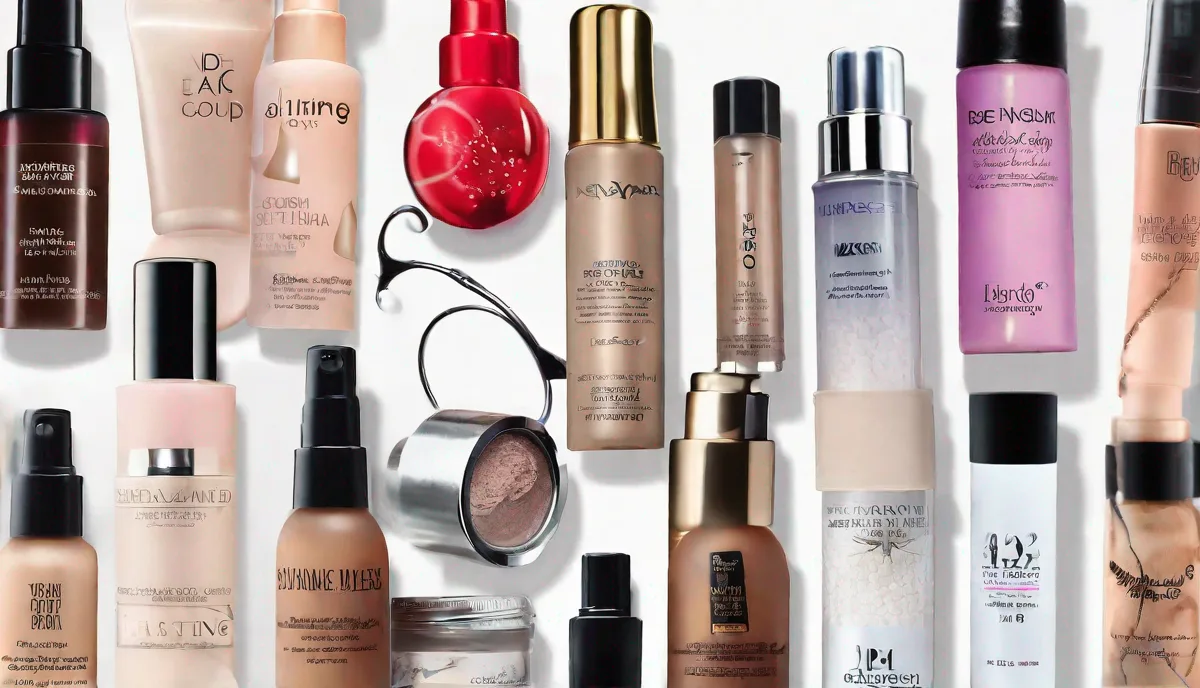
Finding the Perfect Setting Spray for Your Skin
A good setting spray can make all the difference when it comes to keeping your makeup looking fresh. As we go about our busy days, setting sprays help lock in makeup and prevent fading and transferring. But with so many options on the market, how do you choose the right one for your skin type?
What to Look for in a Setting Spray
- Non-comedogenic (won’t clog pores)
- Works well with your skin type (oily, dry, combination)
- Provides long-lasting hold without feeling sticky or tacky
- Refreshing scent that isn’t overpowering
Tips for Applying Setting Spray
Once you’ve found the perfect setting spray for your skin, make sure you apply it properly to get the best results:
- Apply your makeup as usual and let it fully dry first
- Hold the bottle 10-12 inches away and mist face with 1-2 pumps
- Don’t oversaturate – a light mist is all you need
- Allow the spray to dry completely before applying other products
- For extra hold and longevity, apply another light coat after 5 minutes
Reviews of the Best Setting Sprays
From budget drugstore picks to luxury brand splurges, here are our top recommended setting sprays for keeping your makeup flawless from morning to night:
1. NYX Professional Makeup Matte Finish Setting Spray
The NYX Matte Finish is a top pick for oily and acne-prone skin types. It smooths skin, controls shine, and keeps makeup locked in place for up to 12 hours.
2. Urban Decay All Nighter Long-Lasting Makeup Setting Spray
This cult classic setting spray delivers serious staying power without feeling sticky or crunchy. It’s also great for use on all skin types.
3. e.l.f. Makeup Mist & Set
For an affordable, cruelty-free option, the lightweight e.l.f. Makeup Mist & Set keeps makeup vibrant while hydrating skin.
4. Charlotte Tilbury Airbrush Flawless Setting Spray
The Charlotte Tilbury Airbrush Flawless Finish hydrates dry skin while blurring imperfections. It gives a soft, airbrushed effect.
5. MAC Prep + Prime Fix+ Finishing Mist
This iconic primer and setting spray hydrates skin for a healthy, radiant glow. It also melds layers of makeup together beautifully.
The Chemistry of Film-Formers: Understanding How Longevity Works
To truly master your makeup routine, it is essential to understand the science behind why a setting spray functions. The magic lies in polymers—specifically film-forming agents like PVP (polyvinylpyrrolidone) or VP/VA copolymers. These molecules are designed to create a microscopic, breathable mesh over your face once the liquid base evaporates. Think of this as a flexible shield that traps your foundation, concealer, and contour in place, preventing them from migrating into fine lines or breaking down due to natural facial oils.
However, not all film-formers are created equal. Some sprays prioritize a “hard lock” finish, which is excellent for stage makeup or humid environments but might feel slightly tight on the skin. Others use a more flexible, elastic polymer that allows the skin to move naturally without cracking. If you find your foundation looks “caked” by 4:00 PM, you may be using a formula with a film-former that is too aggressive for your skin type; switching to one with glycerin or hyaluronic acid alongside these polymers can provide that necessary “give” while maintaining the hold.
The Sandwich Method: Layering for Maximum Durability
While the standard application calls for a final mist, professional makeup artists often employ the “sandwich method” for bridal or long-wear events. This technique involves prepping the skin with a light mist of setting spray before you apply any primer or foundation. By misting the bare skin, you create an adhesive base that helps liquid products grip better.
After your base is applied but before you powder, mist the face again. This helps the foundation and cream products fuse together, reducing the powdery, artificial look that can occur after applying setting powder. Finally, once your entire look is complete—including blush, bronzer, and highlighter—apply the final “lock” mist. This creates a multi-layered barrier that is significantly more resistant to sweat and friction than a single final application. Be sure to use a fine-mist nozzle for this process to avoid “puddling,” which can lead to streaks in your foundation.
Troubleshooting Common Application Pitfalls
Have you ever noticed white spots or “speckling” on your face after using a setting spray? This is usually caused by holding the bottle too close to your face or failing to shake the bottle sufficiently. Many high-performance setting sprays contain light-reflecting pigments or active ingredients that can separate in the bottle. If you don’t shake the container for at least ten seconds, you may be spraying concentrated droplets that dry into visible dots.
Another common issue is “beading,” where the spray sits on top of your makeup rather than absorbing into it. This often happens if you are in a high-humidity environment or if you have applied too much product at once. If this happens, take a clean, damp beauty sponge and gently press (do not rub) the skin to help the spray settle evenly. This “bouncing” motion forces the spray into the skin, reinforcing the bond without disturbing the pigment underneath.
Customizing Your Finish: Beyond Matte and Dewy
The beauty industry has moved beyond the simple dichotomy of matte versus dewy. Today, you can curate your finish by choosing sprays with specific optical enhancers. For those who want a “soft-focus” look, look for sprays that contain silica or mica powders in the formula; these act like a real-life Instagram filter by scattering light and blurring the appearance of large pores and texture.
Conversely, if you prefer a “glass skin” look, seek out sprays that feature nourishing oils like rosehip or jojoba. These oils don’t just add a sheen; they help prevent the makeup from looking flat or “dead” as the day progresses. If you find yourself in a situation where you need a matte look for a meeting but a dewy look for dinner, you can actually mix your sprays. Apply a matte-locking spray in the T-zone and a hydrating, luminous spray on the high points of the cheeks to achieve a multidimensional, professional finish that lasts.
Managing Climate-Specific Challenges
Your environment plays a massive role in how setting sprays behave. In high-humidity climates, your enemy is excess moisture; using a water-based setting spray can sometimes cause your makeup to slide off because the atmosphere is already saturated. In these cases, look for alcohol-denat based sprays. While alcohol can be drying, it is an excellent solvent that evaporates rapidly, leaving behind a “waterproof” film that is much better at standing up to humidity.
In contrast, if you live in a dry, arid climate or spend your day in climate-controlled offices, alcohol-heavy sprays will suck the life out of your skin, leading to premature creasing. For dry environments, opt for alcohol-free “fixing sprays.” These are often water-based or glycerin-based and are designed to lock in hydration. They won’t provide the same industrial-strength hold as a humidity-resistant spray, but they will prevent your makeup from flaking or settling into dry patches, which is a far more common problem in desert-like conditions.
The Role of Setting Sprays in Sensitive Skin Routines
If you have sensitive or reactive skin, the ingredient list of a setting spray is just as important as your foundation. Many popular long-wear sprays rely on high concentrations of alcohol, fragrance, and essential oils to create that “locked-in” feel. These are common irritants that can lead to redness or breakouts by the end of the day. When shopping, prioritize labels that explicitly state “alcohol-free” and “fragrance-free.”
Additionally, pay attention to the propellant used in the aerosol cans. Some individuals are sensitive to specific chemical propellants. Switching to a pump-action spray (non-aerosol) can significantly reduce the risk of irritation, as these formulas are generally cleaner and contain fewer additives. If you are prone to acne, verify that the product is “non-comedogenic” and check the ingredients for common pore-cloggers like isopropyl myristate or certain heavy silicones, which can trap bacteria against the skin when sealed in by a setting spray.
Extending the Life of Your Spray Bottle
The nozzle of a setting spray is often the first thing to fail. Because these products contain polymers and binding agents, they tend to dry out and crystallize at the tip of the nozzle, leading to an uneven, “spitting” spray pattern. To ensure a consistent, fine mist throughout the life of the product, keep a small cup of warm water nearby. After every few uses, run the nozzle under warm water or soak it for a few minutes to dissolve any hardened residue.
FAQ
What does setting spray do?
Setting spray is used as the last step after applying makeup. It contains polymers that create a barrier on the skin to prevent makeup from transferring or fading. It also melds powder products into the skin for a seamless look.
When should I apply setting spray?
Let your makeup fully dry first before spraying it with setting spray. If applied too soon, it can shift, smear, or alter your makeup. Wait 5-10 minutes after finishing your makeup before setting it.
Can I use setting spray on bare skin?
Yes! Many people use hydrating setting sprays like MAC Fix+ as the first step after skincare to prep and hydrate the skin before makeup application.
How often can I use setting spray?
Setting spray is safe to use once or twice per day as needed. Those with oily skin may need to reapply it during the day if they notice makeup fading or transferring.
Does setting spray work on all makeup products?
Setting spray works to keep powder, liquid, and cream makeup products locked in place. The only exception is products like eyeliner and mascara, which need to stay flexible on the skin rather than fully set.
Related posts:
 Touchland Power Mist: Portable Sanitizing Solution
 Foundation’s Impact on Skin
 Proper Order of Skincare Application
 Tatcha Dewy Mist Review
 The Makeup Tricks That Will Change Your Entire Face
 Budget Beauty Beat: Creating a Full Makeup Look with Drugstore Products
 Finally, Real Answers to Your Most Embarrassing Concealer Questions
 The Salt Spray Secret to Perfect Beach Hair Every Time