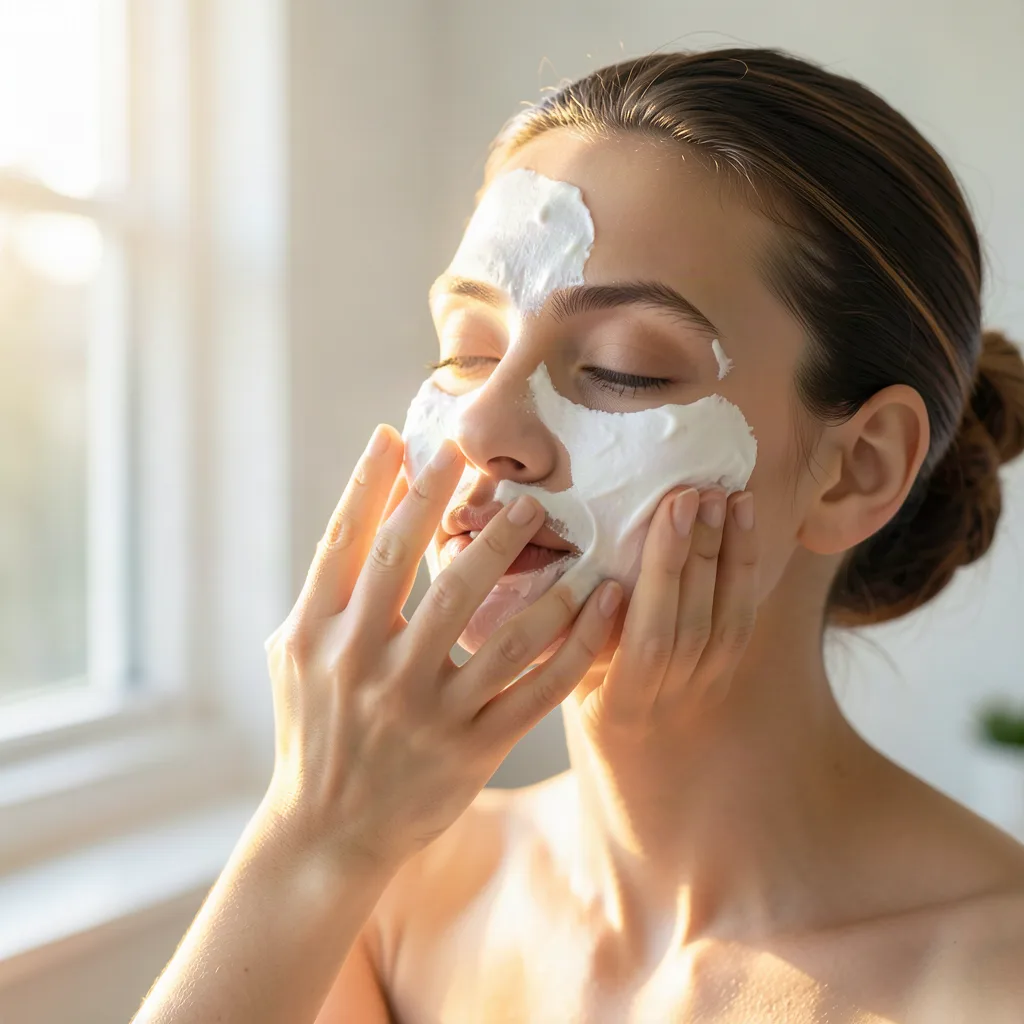
Finding a sunscreen that protects your skin without causing irritation can feel like searching for a needle in a haystack, especially if you have sensitive skin. Dermatologists agree that the right combination of ingredients, formulation, and application technique can make a big difference. This guide walks you through the science behind sensitive skin, the ingredients to seek and avoid, how professionals evaluate products, and a curated list of dermatologist‑recommended sunscreens that are gentle yet effective.
Key takeaways
- Opt for mineral filters like zinc oxide and titanium dioxide, which reflect UV rays without irritating the skin barrier.
- Avoid products containing synthetic fragrances, denatured alcohol, and chemical filters like oxybenzone to reduce the risk of allergic reactions.
- Apply sunscreen as the final step in your morning routine, using gentle patting motions instead of vigorous rubbing.
- Look for soothing additives such as niacinamide, panthenol, and ceramides to help restore and protect a compromised skin barrier.
- Reapply every two hours and use supplemental protection like UPF clothing and wide-brimmed hats during peak UV hours.
What Makes Skin Sensitive to the Sun?
Sensitive skin isn’t a diagnosis; it describes a tendency to react more intensely to external triggers such as heat, friction, chemicals, or UV radiation. Common characteristics include redness, stinging, burning, or a rash after exposure to a new product or the sun. The underlying reasons can include:
- Compromised barrier function: A weakened stratum corneum loses moisture more quickly, allowing irritants to penetrate.
- Higher levels of inflammatory mediators: Some people naturally produce more cytokines that amplify redness and itching.
- Underlying conditions: Eczema, rosacea, or a history of allergic contact dermatitis can increase reactivity.
Because UVB and UVA rays can exacerbate inflammation, protecting sensitive skin from the sun is essential—not only to prevent sunburn but also to avoid triggering flare‑ups of existing conditions.
Essential Sunscreen Ingredients for Sensitive Skin
When dermatologists evaluate sunscreens for sensitive skin, they look for ingredients that provide broad‑spectrum protection while being low‑irritant. The following components are generally well‑tolerated:
- Zinc oxide: A mineral filter that sits on the skin’s surface, reflecting and scattering UV radiation. It is inert, non‑comedogenic, and rarely causes allergic reactions.
- Titanium dioxide: Another mineral filter that works best for UVB protection. When coated and micronized, it is less likely to leave a white cast.
- Niacinamide (Vitamin B3): Soothes inflammation, improves barrier function, and can reduce post‑inflammatory hyperpigmentation.
- Panthenol (Pro‑Vitamin B5): Provides moisturizing benefits and helps calm irritated skin.
- Aloe vera extract: Known for its soothing properties, it can reduce the stinging sensation some users experience.
- Dimethicone: A silicone that creates a smooth, protective film without clogging pores.
Look for products that list these ingredients near the top of the ingredient list, indicating a higher concentration.
Ingredients to Avoid in Sunscreens for Sensitive Skin
Some common sunscreen components can trigger irritation, especially for those with a compromised barrier. Dermatologists typically advise steering clear of:
- Fragrance (synthetic or natural): Even “unscented” formulas may contain masking fragrances.
- Alcohol denat. (denatured alcohol): Can dry out the skin and increase redness.
- Oxybenzone and octinoxate: Chemical filters that have a higher incidence of allergic contact dermatitis.
- Parabens and formaldehyde‑releasing preservatives: Potential irritants for sensitive individuals.
- Essential oils: While natural, many can be sensitizing (e.g., lavender, citrus oils).
If you’re unsure whether a product contains any of these, check the full ingredient list or contact the manufacturer for clarification.
Dermatologist‑Recommended Sunscreens for Sensitive Skin
Based on clinical experience, patient feedback, and ingredient transparency, the following sunscreens consistently receive high marks from dermatologists for sensitive skin. All provide at least SPF 30 and broad‑spectrum protection.
- EltaMD UV Physical Broad‑Spectrum SPF 41
Key features: 100% mineral (zinc oxide + titanium dioxide), fragrance‑free, includes niacinamide and hyaluronic acid for hydration. Suitable for daily wear under makeup. - La Roche‑Posay Anthelios Mineral Sunscreen SPF 50
Key features: Zinc oxide base, antioxidant‑rich thermal spring water, fragrance‑free, non‑greasy texture. Ideal for outdoor activities. - Neutrogena Sheer Zinc Face Dry‑Touch Sunscreen SPF 50
Key features: 100% zinc oxide, dry‑touch finish, added vitamin E for antioxidant support. Budget‑friendly option. - CeraVe Hydrating Mineral Sunscreen SPF 30
Key features: Zinc oxide, ceramides, and niacinamide to restore barrier function. Fragrance‑free and suitable for eczema‑prone skin. - Blue Lizard Australian Sunscreen Sensitive SPF 30+
Key features: Mineral filters only, free of fragrance and parabens, water‑resistant for up to 80 minutes. Popular for both face and body. - Vanicream Sunscreen Sport SPF 35
Key features: Zinc oxide, free of dyes, fragrance, and parabens. Designed for active lifestyles, it stays on skin during light sweating.
When selecting a product, consider your typical environment (e.g., beach vs. office), preferred texture (cream vs. gel), and any additional skin concerns such as acne or rosacea.
How to Choose the Right SPF and Formulation
SPF (Sun Protection Factor) measures protection against UVB rays, the primary cause of sunburn. For sensitive skin, dermatologists recommend a minimum of SPF 30, which blocks about 97% of UVB radiation. Higher SPFs (50‑70) block slightly more UVB but do not replace proper application.
Beyond SPF, consider the following factors:
- Broad‑spectrum labeling: Guarantees protection against both UVB and UVA rays (UVA contributes to deeper skin damage and can aggravate conditions like rosacea).
- Water resistance: If you’ll be swimming or sweating, choose a sunscreen labeled “water‑resistant 80 minutes.” Reapply after swimming or heavy perspiration.
- Formulation type: Creams and lotions are typically more moisturizing; gels and sprays may feel lighter but can contain alcohol or propellants that irritate sensitive skin.
- Finish: A “dry‑touch” or “matte” finish reduces shine for oily or acne‑prone skin, while a “hydrating” finish adds moisture for dry, barrier‑compromised skin.
Testing a small amount on a discreet area of skin for 24‑48 hours can help you confirm tolerance before full‑face use.
Application Tips to Minimize Irritation
Even the gentlest sunscreen can cause stinging if applied incorrectly. Follow these dermatologist‑approved steps:
- Cleanse first: Use a mild, fragrance‑free cleanser to remove any residue that could trap irritants.
- Pat skin dry: Gently blot with a soft towel; avoid rubbing, which can disrupt the barrier.
- Apply a thin, even layer: For the face, a pea‑sized amount is typically sufficient. For the body, aim for about 1 ounce (a shot‑glass full) to cover all exposed areas.
- Use gentle motions: Instead of vigorous rubbing, smooth the product with light tapping or patting motions.
- Allow absorption time: Wait 10‑15 minutes before applying makeup, sunscreen over makeup, or clothing. This reduces the chance of pilling and irritation.
- Reapply every two hours: Even on cloudy days, UV rays penetrate clouds. Reapplication is especially important after swimming, sweating, or towel‑drying.
For individuals prone to breakouts, consider a sunscreen formulated as “non‑comedogenic” and apply it after any topical acne medication to avoid mixing potentially irritating ingredients.
Additional Sun‑Smart Habits for Sensitive Skin
Sun protection extends beyond sunscreen. Incorporating these habits can further reduce the risk of irritation and UV‑related skin stress:
- Seek shade during peak hours: UV intensity peaks between 10 am and 4 pm. Wearing a wide‑brimmed hat or staying under an umbrella can lower exposure.
- Wear UPF clothing: Fabrics with an Ultraviolet Protection Factor (UPF) of 30 or higher act as a physical barrier.
- Use sunglasses with 100% UV protection: Protects the delicate skin around the eyes, which is often more sensitive.
- Stay hydrated: Adequate water intake supports overall skin health and barrier function.
- Moisturize after sun exposure: A fragrance‑free moisturizer with ceramides or hyaluronic acid can help restore any lost moisture.
Combining these practices with a suitable sunscreen creates a comprehensive strategy that respects the needs of sensitive skin.
Mineral vs. Chemical UV Filters: What Sensitive Skin Needs
While the previous guide listed a handful of mineral filters, many readers still wonder how the chemistry behind UV protection actually influences irritation risk. In short, mineral filters—zinc oxide and titanium dioxide—stay on the skin’s surface and reflect or scatter photons, whereas chemical filters absorb UV energy and transform it into heat through a series of photochemical reactions. For people with a compromised barrier, the extra energy conversion step can generate low‑level oxidative stress that aggravates redness or a flare‑up of rosacea.
Below is a practical decision‑tree you can use when evaluating a new sunscreen:
- Identify the filter type: Check the ingredient list for the words “zinc oxide,” “titanium dioxide,” or any of the newer mineral hybrids (e.g., “micronized zinc oxide”). If you see names like avobenzone, homosalate, or octocrylene, you are dealing with a chemical filter.
- Assess filter concentration: Mineral filters are often listed toward the top of the list when they make up at least 10‑15% of the formula. Chemical filters can be effective at 2‑5% but may still be irritating because of the sensitizing potential of the organic molecules.
- Consider additional stabilizers: Some chemical sunscreens require stabilizers such as octocrylene or oxybenzone to prevent breakdown. These stabilizers are precisely the ingredients many dermatologists advise avoiding for sensitive skin.
- Check for hybrid or “broad‑spectrum” claims: A product that blends mineral and chemical filters can offer higher SPF with less white cast, but the presence of any chemical component re‑introduces a risk of contact dermatitis. If you are prone to reactions, stick to 100% mineral formulas.
Edge cases matter. For example, individuals with melasma often benefit from UVA protection that mineral filters provide, yet they may also need the higher UVA‑PF numbers that some newer chemical filters (like bemotrizinol) can deliver. In such scenarios, a dermatologist might prescribe a low‑concentration chemical filter layered under a mineral sunscreen to achieve both high UVA protection and minimal irritation.
Finally, remember that the particle size of mineral filters influences both cosmetic acceptability and safety. Non‑coated, micronized particles can appear chalky, prompting users to apply a thicker layer that feels heavy. Coated or “nano” particles are less visible but have been scrutinized for potential penetration. The consensus among regulatory bodies is that coated mineral particles remain on the surface and are safe, but if you are extremely cautious, choose a product that explicitly states “non‑nano” and “coated.”
Layering Sunscreen with Skincare: A Step‑by‑Step Routine for Fragile Barriers
Applying sunscreen is not an isolated step; it belongs to a larger regimen that either reinforces or undermines a delicate skin barrier. Below is a detailed morning routine designed for people who experience stinging, burning, or flare‑ups after product use.
- Gentle cleanse (pH‑balanced, sulfate‑free): Opt for a cleanser containing glycerin or panthenol. Avoid foaming agents that strip lipids. Example: a cream‑based cleanser with a pH of 5.5‑6.0.
- Hydrating toner (optional): If you like a light mist, choose a toner that is essentially a water‑based serum with hyaluronic acid and no alcohol. Apply with a patting motion using clean palms.
- Barrier‑repair serum: Look for niacinamide (5% or less) combined with ceramide‑NP or ceramide‑AP. Apply 2‑3 drops and let it absorb for 30‑60 seconds.
- Lightweight moisturizer: Choose a product that contains dimethicone, squalane, or oat extract. The goal is to lock in moisture without creating a greasy film that can interfere with sunscreen adherence.
- Sunscreen (the final layer): Use a mineral sunscreen with at least SPF 30. Apply a pea‑size amount for the face, then gently press it into the skin rather than rubbing. For the neck and décolletage, use a slightly larger dollop and extend the same gentle patting motion.
Special tip for acne‑prone, sensitive skin: apply any topical acne medication (e.g., benzoyl peroxide or salicylic acid) **after** sunscreen has fully set. This prevents the medication from breaking down the sunscreen’s UV filters and reduces the chance of a burning sensation.
Evening routine reversal is equally important. Remove sunscreen with a double‑cleansing method—first an oil‑based cleanser to dissolve the mineral particles, followed by a gentle water‑based cleanser. Finish with a barrier‑supporting night cream that contains peptides or madecassoside to promote repair while you sleep.
Sun Protection on the Go: Choosing and Applying Sunscreen for Travel, Sports, and Outdoor Work
When you’re away from home, the convenience of a product often outweighs its ideal composition. However, you don’t have to sacrifice safety for speed. Here are three scenarios with product recommendations and application hacks tailored for sensitive skin.
- Travel (airports, city tours): Spray sunscreens are popular for their ease, but many contain propellants and alcohol. Look for “spray‑on mineral” formulas that list zinc oxide as the first ingredient and are labeled “alcohol‑free.” Apply by holding the can 6‑8 inches away, spraying a thin veil, then patting the product into the skin with a clean hand. This reduces the risk of inhalation and minimizes the stinging that can occur when the spray lands on fresh cuts or irritated areas.
- High‑intensity sports (running, cycling): A stick sunscreen eliminates the need for hands that might be sweaty. Choose a stick that combines zinc oxide with a silicone‑based carrier (e.g., dimethicone) to provide a water‑resistant, non‑greasy finish. Reapply every 80 minutes, especially after heavy sweating. If you wear a helmet or goggles, use a small dab of sunscreen on the edges of the visor to prevent UV‑induced eye irritation.
- Outdoor labor (construction, gardening): For prolonged exposure, a “sport” formulation with a high SPF (50‑70) and a water‑resistant claim is essential. Vanicream Sunscreen Sport, mentioned earlier, is a good baseline. Pair it with a protective UPF shirt and a wide‑brimmed hat. In environments with dust or sand, a mineral sunscreen with added titanium dioxide helps reflect particulate matter away from the skin.
Edge‑case tip: if you must wear a mask for work, apply a thin layer of a fragrance‑free, silicone‑based sunscreen on the bridge of the nose and cheekbones before putting on the mask. This prevents the mask’s friction from pulling at the skin while still delivering UV protection.
Decoding Sunscreen Labels: Understanding Broad‑Spectrum, UVA‑PF, and Independent Testing
Marketing language can be confusing, especially when you’re trying to avoid irritants. Below is a quick‑reference guide to the most common claims and what they truly mean for sensitive skin.
| Label | What It Means | Relevance to Sensitive Skin |
|---|---|---|
| Broad‑Spectrum | Meets FDA criteria for UVA and UVB protection | Essential; ensures deeper skin layers are shielded, reducing inflammation triggers |
| UVA‑PF / PPD | Specific measurement of UVA protection (higher = better) | Look for a value of 20+; many mineral sunscreens list this separately |
| Water‑Resistant (80 min) | Product retains SPF after 80 minutes of water immersion or sweating | Important for outdoor activities; however, water‑resistant formulas sometimes contain polymers that can feel sticky—test on a small area first |
| Non‑Comedogenic | Formulated not to clog pores | Beneficial for acne‑prone, sensitive skin but not a guarantee of irritation‑free |
| Dermatologist‑Tested | Product has been evaluated by a dermatologist, not necessarily clinically proven | Provides some reassurance but still verify ingredient list for known irritants |
Independent testing seals are another layer of trust. Look for certifications from organizations such as the Environmental Working Group (EWG) Verified, U.S. Pharmacopeia (USP) Verified, or the International Organization for Standardization (ISO) 24444. These indicate that the sunscreen’s SPF and broad‑spectrum claims have been confirmed by a third party, reducing the chance of false advertising.
When a product claims “reef‑safe,” it usually means it omits oxybenzone and octinoxate—both known to cause coral bleaching. While this is an environmentally friendly choice, it does not automatically guarantee suitability for sensitive skin; you still need to check for fragrance, alcohol, and other potential irritants.
Targeted Sunscreen Strategies for Specific Skin Conditions
Sensitive skin is a broad category, but certain dermatologic conditions have unique sun‑related needs. Below are customized recommendations for three common concerns.
Eczema (Atopic Dermatitis)
Eczema sufferers often have a severely compromised barrier. A mineral sunscreen that doubles as a barrier‑enhancing moisturizer works best. Look for products that combine zinc oxide with ceramides, colloidal oatmeal, or shea butter. Apply a generous layer after each moisturization session—this creates a protective “second skin” that reduces transepidermal water loss.
Rosacea
Rosacea flares are triggered by UVA‑induced vasodilation. A sunscreen with a high UVA‑PF (≥30) and soothing ingredients like niacinamide, bisabolol, or feverfew extract can calm the micro‑vascular response. Avoid any sunscreen that contains menthol, camphor, or high concentrations of alcohol, as these can exacerbate flushing.
Post‑Inflammatory Hyperpigmentation (PIH) and Melasma
For hyperpigmentation, both UVB and UVA‑II (320‑340 nm) are culprits. Choose a mineral sunscreen fortified with titanium dioxide (for UVB) and a small percentage of a stable, low‑irritant chemical filter such as bemotrizinol (if tolerated) to close the UVA‑II gap. Pair sunscreen with a daily antioxidant serum containing vitamin C or ferulic acid—these help neutralize free radicals that can deepen pigment.
Edge‑case example: patients undergoing laser resurfacing need immediate, high‑SPF protection without any fragrance. A post‑procedure protocol often includes a silicone‑gel sunscreen (e.g., a medical‑grade zinc oxide gel) applied every 2‑3 hours for the first 48 hours.
When DIY Meets Sensitive Skin: Homemade Sunscreen Myths and Safe Alternatives
Internet recipes for “DIY sunscreen” often tout coconut oil, zinc oxide powder, and essential oils. While the idea of controlling every ingredient is appealing, the reality is that homemade blends rarely achieve reliable SPF or UVA protection. Moreover, the addition of essential oils re‑introduces the very irritants we aim to avoid.
If you still wish to create a supplemental barrier, follow these safety‑first guidelines:
- Use only non‑nano, coated zinc oxide: Purchase a cosmetic‑grade zinc oxide that is labeled “USP” and “coated.” Uncoated particles can leave a white film and may pose inhalation risks.
- Maintain a precise ratio: Research shows that a 20% zinc oxide concentration yields approximately SPF 15, while 30% can reach SPF 30. Anything less is insufficient for sensitive skin.
- Avoid oil‑heavy carriers: Coconut oil and shea butter have high comedogenic ratings and can clog pores, leading to breakouts that mimic irritation.
- Skip fragrance and essential oils: Even “skin‑safe” essential oils like lavender have documented cases of contact dermatitis.
- Test for stability: Homemade emulsions separate after a few hours, reducing uniform coverage. Store the mixture in a dark, airtight container and discard after 30 days.
Instead of a full DIY sunscreen, consider a hybrid approach: use a dermatologist‑approved mineral sunscreen as your primary protection, and create a soothing after‑sun balm with aloe vera gel, panthenol, and a tiny amount of zinc oxide for extra comfort on already irritated patches. This method preserves the reliability of a tested sunscreen while still giving you the tactile satisfaction of a homemade product.
Adapting Sun Protection to Climate and Season: Winter Sun, High Altitude, and Tropical Environments
Many people assume that sunscreen is only a summer necessity, but UV radiation behaves differently across latitude, altitude, and reflective surfaces. For sensitive skin, the margin for error is even smaller.
Winter and Snow‑Covered Landscapes
Snow reflects up to 80% of UV rays, effectively doubling exposure. In high‑latitude cities, a cloudy day can still deliver a UVA dose comparable to a sunny summer afternoon. Choose a broad‑spectrum mineral sunscreen with SPF 30‑50 and reapply after every 60‑90 minutes of outdoor activity, especially after wiping sweat or snow off your face.
High Altitude (Mountains, Ski Resorts)
UV intensity increases roughly 4% for every 300 meters (1,000 feet) of elevation. At 2,500 meters, you’re receiving about 30% more UV than at sea level. Pair sunscreen with UV‑blocking goggles and a lip balm that contains zinc oxide. For the lips, a “sun‑kissed” balm with 15% zinc oxide offers both protection and a non‑irritating texture.
Tropical and Equatorial Zones
Near the equator, the sun’s angle is more direct, and UVB intensity peaks. In addition, humidity can cause sunscreen to feel sticky. Opt for a gel‑cream hybrid that contains zinc oxide and a lightweight humectant like glycerin. A “dry‑touch” mineral sunscreen formulated for tropical climates often includes a small amount of silica to absorb excess moisture without compromising protection.
Edge‑case scenario: sailors or fishermen spend hours on water where both UV and salt can degrade sunscreen. A water‑resistant mineral sunscreen with a silicone‑based film (e.g., dimethicone) provides a barrier against both UV and salt crystals, reducing the likelihood of a stinging reaction when the product mixes with seawater.
Seasonal adjustments also include indoor considerations. UVA can penetrate windows, so if you work near large glass panes, apply sunscreen to your hands, forearms, and neck even on overcast days. A lightweight, fragrance‑free mineral sunscreen in a pump bottle is ideal for quick indoor touch‑ups without leaving a visible residue.
Frequently Asked Questions
- 1. Can I use a chemical sunscreen if I have sensitive skin?
- While some people tolerate certain chemical filters, many dermatologists recommend mineral sunscreens (zinc oxide or titanium dioxide) for sensitive skin because they sit on the surface and are less likely to cause allergic reactions. If you prefer a chemical option, choose a fragrance‑free formula with a low concentration of filters and patch‑test first.
- 2. How often should I reapply sunscreen on a normal day?
- Even on cloudy or indoor days, reapply every two hours if you are outdoors, and at least once in the morning if you remain inside but near windows, as UVA can penetrate glass.
- 3. Is it safe to use sunscreen on infants and toddlers?
- For babies under six months, the American Academy of Dermatology advises using protective clothing and shade instead of sunscreen. After six months, a mineral sunscreen formulated for children—free of fragrance and with a gentle base—can be applied in small amounts.
- 4. Will a sunscreen labeled “for sensitive skin” guarantee no irritation?
- No product can guarantee zero irritation for every individual. “For sensitive skin” indicates that the formula is designed to minimize common irritants, but patch‑testing remains the best way to confirm compatibility.
- 5. Can I apply sunscreen over my moisturizer, or should I do the reverse?
- Apply moisturizer first to seal in hydration, then layer sunscreen on top. This order ensures the sunscreen forms an even protective film without being diluted by the moisturizer.