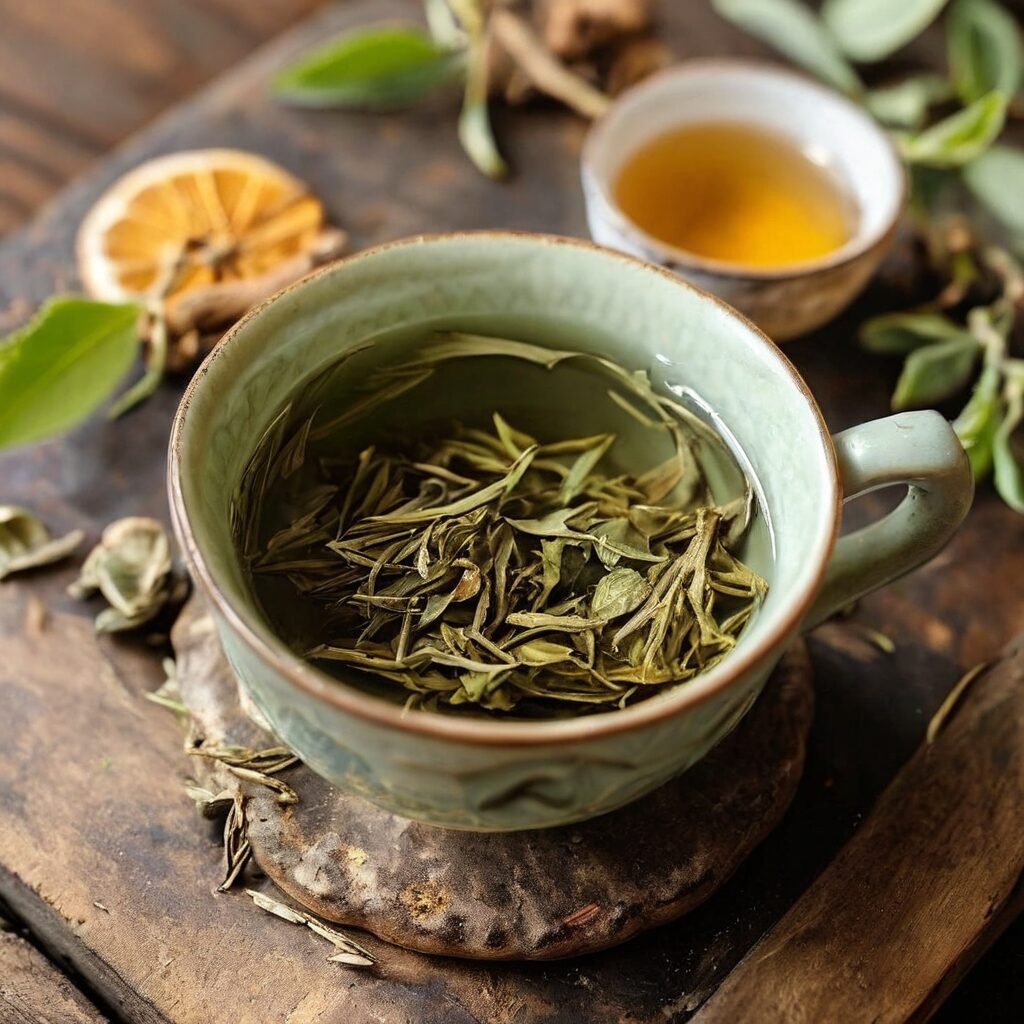
Experiencing gas and bloating can be uncomfortable and sometimes painful. While there are various remedies, natural solutions like herbal teas can be incredibly effective. In this article, we will explore the best teas for gas relief and how they can help soothe your digestive system.
Key takeaways
- Peppermint tea uses menthol to relax digestive muscles, allowing gas to pass more easily.
- Ginger and fennel teas have carminative properties that help reduce gas formation and expel gas.
- Chamomile and lemon balm teas provide soothing, anti-inflammatory effects to calm the digestive system.
- Drink these teas 2-3 times daily and consider blending them for comprehensive digestive relief.
- Consult a healthcare provider if symptoms persist or if you are taking medications.
1. Peppermint Tea
Peppermint tea is one of the most popular herbal teas for relieving gas and bloating. The menthol in peppermint has antispasmodic properties that help relax the muscles in your digestive tract, allowing gas to pass through more easily.
Benefits of Peppermint Tea
- Reduces bloating and gas
- Relieves stomach cramps
- Improves overall digestion
2. Ginger Tea
Ginger tea is another excellent choice for gas relief. Ginger has natural anti-inflammatory and carminative properties that help reduce gas formation and promote the expulsion of gas from the digestive system.
Benefits of Ginger Tea
- Reduces inflammation
- Enhances digestion
- Alleviates nausea
3. Chamomile Tea
Chamomile tea is known for its calming effects, but it also works wonders for digestive issues including gas and bloating. Its anti-inflammatory and antispasmodic properties help relax the digestive muscles, making it easier for gas to move through the intestines.
Benefits of Chamomile Tea
- Calms the digestive system
- Reduces bloating and gas
- Promotes relaxation
4. Fennel Tea
Fennel tea is often recommended for digestive problems, including gas and bloating. The compounds in fennel seeds have carminative properties, which help expel gas from the digestive tract.
Benefits of Fennel Tea
- Reduces gas and bloating
- Improves digestion
- Relieves stomach cramps
5. Lemon Balm Tea
Lemon balm tea is another great herbal remedy for gas relief. It has carminative properties that help reduce gas and bloating, and its soothing effects can help relax the digestive tract.
Benefits of Lemon Balm Tea
- Reduces gas and bloating
- Soothes the digestive system
- Promotes relaxation
Optimizing Infusion Times and Water Temperatures
The efficacy of your herbal tea depends significantly on how you prepare it. While many people simply pour boiling water over a bag and walk away, the volatile oils responsible for relieving gas are delicate. For roots like ginger, a longer steep is required to extract the anti-inflammatory gingerols; aim for 10 to 15 minutes with a cover on your mug to prevent these aromatic compounds from escaping with the steam. Conversely, delicate leaves like peppermint or lemon balm can become bitter if steeped too long, releasing excessive tannins. For these, a 5-to-7-minute steep in water that has cooled slightly off the boil (around 190°F) is optimal. Always cover your tea while it steeps. This simple step traps the essential oils, which are the primary “carminative” agents that work to soothe your gut. If you let the steam escape, you are literally letting the relief evaporate into the air.
The Role of Fiber and Tea Synergy
While tea acts as a catalyst for movement in the digestive tract, it works best when paired with a balanced approach to fiber intake. Many people experience gas because they increase their fiber intake too quickly, leading to fermentation in the colon. If you are currently adjusting your diet, sipping fennel or ginger tea alongside high-fiber meals can mitigate the “bloating period” often associated with dietary changes. Think of the tea as a digestive lubricant. For example, if you are consuming a meal rich in cruciferous vegetables—which are notorious for causing gas due to their raffinose content—drinking a cup of fennel-infused water during or immediately after the meal can help break down these complex sugars more efficiently before they reach the lower intestine where gas typically builds up.
Understanding Contraindications and Medication Interactions
While herbal teas are natural, they are pharmacologically active and can interfere with conventional medications. Peppermint tea, for instance, relaxes the lower esophageal sphincter, which is beneficial for gas but can actually worsen acid reflux or GERD in some individuals. If you take blood thinners, use caution with ginger, as it possesses mild anti-platelet properties. Furthermore, chamomile is a member of the ragweed family; individuals with severe seasonal allergies may experience cross-reactivity. It is also vital to note that herbal infusions can alter the metabolism of medications processed by the liver. If you are on prescribed heart medication, blood pressure regulators, or hormone replacement therapy, always verify with your pharmacist that your chosen herbal blend will not accelerate or inhibit the breakdown of your pills.
Crafting Digestive Blends for Specific Symptoms
Not all gas is created equal. Some gas is trapped in the upper stomach, while other forms cause lower abdominal distension. You can tailor your “tea pharmacy” to address the specific location of your discomfort. For upper GI gas, which often feels like pressure under the ribs, a blend of ginger and peppermint is superior because both herbs target the upper digestive muscles directly. If you are struggling with lower abdominal bloating, which is often related to slow transit time or constipation, consider adding a pinch of dried dandelion root or licorice root to your fennel tea. Dandelion acts as a gentle diuretic and digestive bitter, helping to move contents through the intestines more effectively, while licorice root provides a mucosal coating that protects the gut lining from irritation caused by trapped gas pockets.
Temperature Matters: Hot vs. Cold Consumption
There is a persistent debate regarding whether hot or cold tea is better for gas. Generally, warm liquids are superior for digestive relief because they encourage vasodilation, which increases blood flow to the stomach and intestines, thereby speeding up the digestive process. Cold water can sometimes cause the digestive muscles to contract or “shock” the system, potentially trapping gas. If you prefer iced tea, consume it slowly and ensure it is at room temperature rather than ice-cold. However, for acute, painful cramping, skip the ice entirely. The warmth of the tea serves as a form of internal heat therapy, mimicking the effect of a heating pad applied to the abdomen, which helps to relax the spasming muscles that are locking gas in place.
The Importance of Quality Sourcing and Organic Certification
When purchasing herbal teas, the quality of the raw material is paramount. Many commercial tea bags contain “fannings” or “dust,” which are the lowest grade of tea particles. These often lack the potency of whole-leaf herbs. Furthermore, non-organic herbs are frequently treated with pesticides that can irritate an already sensitive digestive tract. When shopping, look for “whole herb” or “cut and sifted” varieties sold in bulk or high-quality sachets. If you are buying peppermint, look for a vibrant green color; if the leaves look brown or gray, the essential oils have likely oxidized, and the tea will be ineffective for gas relief. Storing your herbs in airtight, opaque containers away from direct sunlight will preserve their carminative potency for up to six months.
FAQ
1. How often should I drink these teas for gas relief?
Most herbal teas can be consumed 2-3 times a day for optimal results. However, it’s essential to listen to your body and consult with a healthcare professional if you have any concerns.
2. Can I mix different types of teas for better results?
Yes, you can blend different herbal teas to enhance their effects. For example, a combination of peppermint and ginger tea can provide comprehensive digestive relief.
3. Are there any side effects associated with these teas?
While these herbal teas are generally safe, some individuals may experience allergic reactions or interactions with medications. Always consult your healthcare provider before starting any new herbal remedy.
4. Can I use these teas as a long-term solution for gas relief?
Using herbal teas for gas relief is generally safe for long-term use. However, if you experience persistent symptoms, it’s crucial to consult a healthcare professional to rule out any underlying conditions.
5. Where can I buy these herbal teas?
These teas are widely available in grocery stores, health food stores, and online retailers. Look for organic varieties to ensure you are getting the highest quality.
Related posts:
 Digestive-Boosting Tonics
 Brain-Healthy Teas
 Sea Fennel: The Superfood You Need to Know About
 Fennel Pollen Is the Secret Ingredient Your Kitchen Has Been Missing
 Why Your Bloating Might Have Nothing to Do with What You’re Eating
 Buxom Power-Full Plump Lip Balm
 Your Cold-Fighting Starbucks Order According to Wellness Experts
 The Best Spices for Better Digestion and Gut Health