Introduction
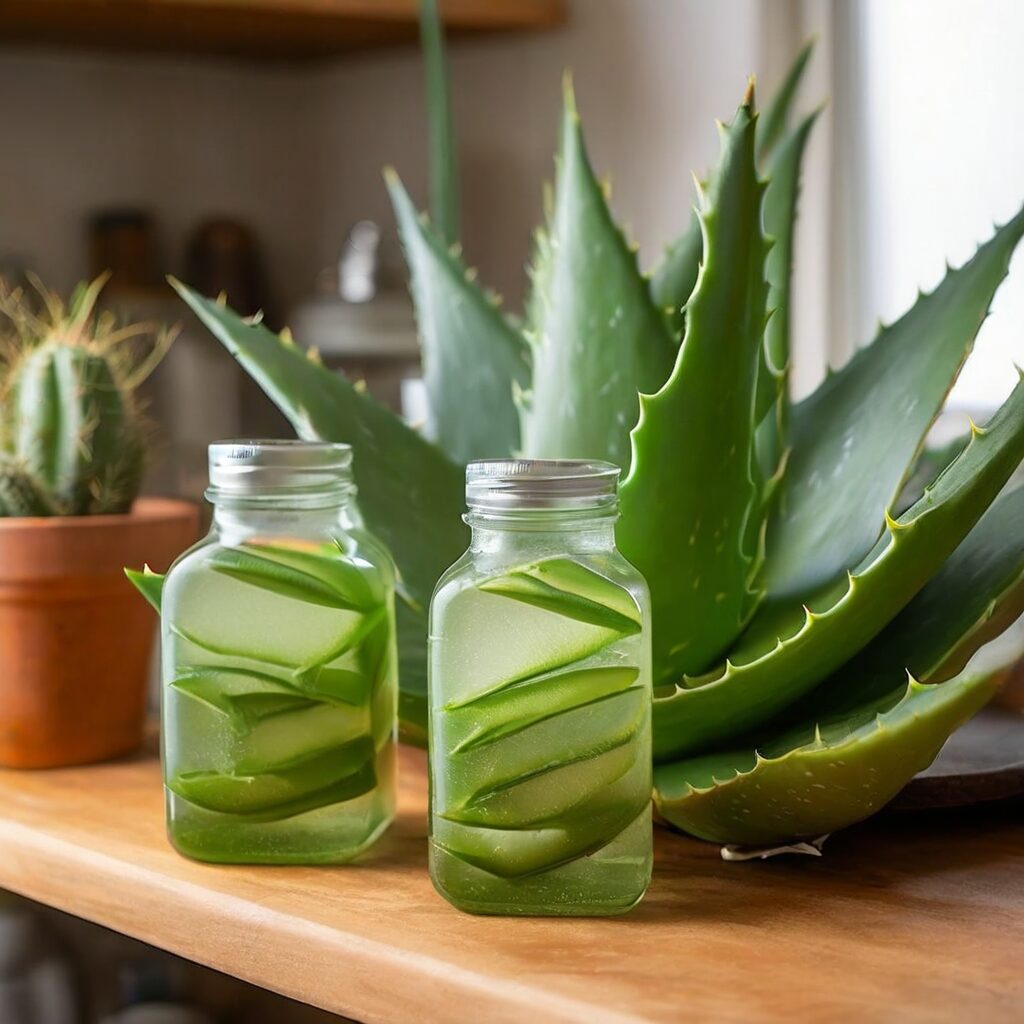
Aloe vera is renowned for its healing properties and diverse uses, ranging from skincare to digestive health. However, to reap the full benefits of aloe vera, proper storage is essential. In this guide, we’ll explore the best ways to store aloe vera to maximize its shelf life and maintain its potency.
Why Proper Storage of Aloe Vera is Important
Aloe vera contains numerous vitamins, minerals, and enzymes that can degrade over time if not stored correctly. Improper storage can lead to the loss of these beneficial compounds, making the aloe vera less effective. Additionally, storing aloe vera properly helps prevent the growth of bacteria and mold.
Methods for Storing Aloe Vera
1. Refrigeration
Refrigeration is one of the most effective ways to extend the shelf life of aloe vera. Place the aloe vera in an airtight container and store it in the fridge. This method can keep the gel fresh for up to a week.
2. Freezing
If you need to store aloe vera for a longer period, freezing is a great option. Scoop the gel into ice cube trays and freeze it. Once frozen, transfer the cubes to a resealable plastic bag. This method can preserve aloe vera for several months.
3. Using Preservatives
Adding natural preservatives like vitamin C (ascorbic acid) or vitamin E can help extend the shelf life of aloe vera. Mix the gel with a few drops of these vitamins before storing it in the refrigerator.
Preparing Aloe Vera for Storage
Proper preparation is crucial for effective storage. Here are the steps to prepare aloe vera for storage:
- Harvesting: Cut a healthy, mature leaf from the aloe vera plant.
- Cleaning: Wash the leaf thoroughly to remove any dirt or debris.
- Extracting the Gel: Slice the leaf open and scoop out the gel using a spoon.
- Blending: Blend the gel to achieve a smooth consistency.
- Storing: Use one of the storage methods mentioned above.
Signs That Aloe Vera Has Gone Bad
It’s important to recognize when aloe vera is no longer good to use. Here are some signs to look out for:
- Discoloration: Fresh aloe vera gel is clear or slightly green. If it turns brown or yellow, it’s time to discard it.
- Odor: Aloe vera should have a mild, fresh scent. A strong, unpleasant odor indicates spoilage.
- Texture: Spoiled aloe vera gel may become slimy or develop an unusual texture.
The Critical Aloin Drainage Process for Long-Term Stability
Before any storage method can be effectively implemented, a specialized step known as aloin drainage must be performed. While basic cleaning removes surface dirt, it does not address the yellow latex, or aloin, found between the outer rind and the inner clear gel. Aloin is a powerful laxative and skin irritant, but from a storage perspective, it is a primary catalyst for spoilage. If left in contact with the clear gel, these anthraquinones oxidize rapidly, turning the entire batch brown and significantly shortening its shelf life.
To properly drain the aloin, place your harvested leaves vertically in a tall glass or jar with the cut ends facing downward. Allow them to sit for 15 to 30 minutes. You will notice a dark yellow or reddish liquid seeping out. This liquid is highly unstable and prone to fermentation. Once the drainage has slowed, discard the liquid and trim an additional half-inch from the base of the leaf to ensure no residual latex remains. This process creates a “clean” starting point for the gel, ensuring that the enzymatic activity within the clear pulp isn’t compromised by the reactive compounds in the latex.
Furthermore, the temperature during this drainage phase matters. If you are working in a particularly hot environment (above 80°F), perform the drainage in a cool, shaded area. Heat accelerates the oxidation of the aloin, which can bleed into the clear gel if the leaf is left in the sun. For those planning to store the gel for more than a few days, this pre-treatment is the difference between a product that stays fresh for a week and one that begins to smell like fermented onions within 48 hours.
Specialized Container Selection: Protecting Gel from Molecular Degradation
The material of the storage container plays a pivotal role in maintaining the bioactivity of aloe vera. While many people reach for standard plastic containers, the high acidity of aloe vera (typically a pH between 4.5 and 5.5) can interact with certain low-grade plastics. Over time, chemicals such as Bisphenol A (BPA) or phthalates can leach from the plastic into the gel, especially if the gel is stored in the refrigerator where it undergoes subtle temperature shifts. For maximum purity, pharmaceutical-grade amber glass is the gold standard.
Amber glass serves a dual purpose: it is chemically inert, meaning it won’t react with the aloe’s enzymes, and it filters out harmful ultraviolet (UV) and blue light. Even inside a refrigerator, every time the door opens, the gel is exposed to light that can trigger photo-oxidation. If you must use plastic, ensure it is high-density polyethylene (HDPE), which is more resistant to acidic degradation. Avoid metal containers at all costs; the organic acids in aloe can cause micro-corrosion in stainless steel or aluminum, leading to metallic contamination and a rapid breakdown of the gel’s polysaccharide structure.
Edge cases involve the use of silicone. Food-grade silicone molds are excellent for the freezing method mentioned previously, but they are gas-permeable. If you freeze aloe cubes in silicone trays, transfer them to a glass vacuum-sealed jar once solid. Leaving them in silicone for months will lead to “freezer burn” and the absorption of odors from other foods in the freezer, such as garlic or onions, which the porous structure of the aloe gel will hold onto tenaciously.
Advanced Natural Preservatives and pH Balancing
To push the shelf life of refrigerated aloe vera beyond the standard one-week mark, one must understand the relationship between pH and microbial growth. Most bacteria and molds that spoil aloe thrive in a neutral pH. By slightly lowering the pH and adding specific antioxidants, you create a hostile environment for pathogens while stabilizing the gel’s delicate vitamins. While Vitamin C and E are common, the ratio and form used are critical for success.
For every cup of blended aloe gel, adding 1,000 mg of Vitamin C (ascorbic acid) and 400 IU of Vitamin E (alpha-tocopherol) is a standard baseline. However, for professional-level preservation, adding a half-teaspoon of citric acid powder is more effective at stabilizing the pH. Citric acid acts as a chelating agent, binding to trace minerals that would otherwise facilitate oxidation. When using Vitamin E, it is important to note that it is oil-soluble, while aloe gel is water-based. To prevent the Vitamin E from simply floating on top, you must blend the mixture at high speed to create a temporary emulsion, or use a natural solubilizer like gum arabic.
Another potent natural preservative is raw honey. Because of its low moisture content and natural hydrogen peroxide production, honey can extend the life of aloe gel significantly. A 1:1 ratio of aloe gel to honey can stay shelf-stable in a cool, dark pantry for several weeks, and even longer in the fridge. This is particularly useful for those using aloe for internal health or as a throat-soothing syrup, as the honey complements the aloe’s medicinal profile while acting as a barrier against atmospheric oxygen.
Dehydration and Freeze-Drying: Converting Gel to Shelf-Stable Powder
When long-term storage (measured in years rather than months) is the goal, removing the water content is the most effective strategy. Aloe vera gel is approximately 99% water. By dehydrating the gel, you eliminate the medium required for microbial life to flourish. This can be done at home using a standard food dehydrator, though it requires a specific technique to avoid destroying the heat-sensitive enzymes like bradykinase and amylase.
To dehydrate aloe, spread the clear, unblended fillets onto non-stick dehydrator sheets. Set the temperature to no higher than 115°F (46°C). This “raw food” temperature preserves the integrity of the long-chain polysaccharides (acemannan) that give aloe its healing power. The process can take 24 to 48 hours depending on humidity. Once the fillets are brittle and translucent, they can be ground into a fine powder using a high-speed blender or spice grinder. This powder, when stored in a vacuum-sealed glass jar with a desiccant packet, can remain potent for up to two years.
For those with access to a home freeze-dryer, the results are even better. Freeze-drying (lyophilization) involves freezing the gel and then reducing the surrounding pressure to allow the frozen water to sublimate directly from the solid phase to the gas phase. This preserves the cellular structure of the aloe perfectly. Reconstituting the powder is as simple as adding distilled water in a 1:99 ratio, allowing you to have “fresh” gel on demand without the need for constant harvesting.
Storage Protocols for Edible Aloe Vera and Homemade Juices
Storing aloe vera for consumption requires stricter hygiene standards than storing it for topical use. When making aloe juice, the surface area of the gel increases significantly, making it more susceptible to rapid fermentation. If you are blending aloe with citrus juices or water, the shelf life drops to approximately 48 hours in the refrigerator unless specific stabilization steps are taken. The introduction of sugars from other fruits provides an immediate food source for wild yeasts.
To maximize the life of edible aloe juice, consider a light pasteurization process. While high heat is detrimental, heating the juice to 150°F (65°C) for exactly 20 minutes can kill most active yeasts without fully denaturing the beneficial compounds. Immediately after heating, the juice should be placed in a glass bottle and subjected to an ice bath to bring the temperature down rapidly. This “cold shock” helps maintain the crisp flavor and prevents the development of a cooked, vegetable-like taste.
If you prefer to keep the juice raw, storage in a vacuum-sealed carafe is essential. Oxygen is the enemy of the antioxidants found in aloe. By using a vacuum pump to remove air from the bottle, you can prevent the juice from turning a dull, brownish-gray color. For daily users, it is more efficient to store the undiluted gel in the freezer as cubes and drop a single cube into a fresh glass of water or juice each morning, rather than making a large batch of juice that sits in the fridge losing potency every hour.
Infusion Storage: Using Oil and Alcohol as Carriers
An often-overlooked method for preserving the essence of aloe vera is through maceration or infusion. Since raw gel is prone to rot, infusing it into a stable carrier like oil or alcohol can preserve its properties for six months to a year. This is particularly useful for creating salves, lotions, or tinctures. To create an aloe-infused oil, you must first partially dehydrate the aloe fillets to remove about 50% of their water content. If you use fresh, wet gel, the oil will likely develop mold due to the water trapped at the bottom.
Place the partially dried aloe pieces into a jar of stable carrier oil, such as fractionated coconut oil or jojoba oil. Store the jar in a cool, dark place for 4 to 6 weeks, shaking it daily. The oil will extract the lipid-soluble components of the aloe. Once strained, this oil is shelf-stable at room temperature. This method is ideal for those who want the soothing benefits of aloe in a form that doesn’t require refrigeration or constant monitoring for spoilage.
Similarly, an aloe tincture can be made using high-proof alcohol (at least 25% ethanol). The alcohol acts as a powerful preservative, extracting the active compounds and preventing any bacterial growth. Tinctures are the most shelf-stable liquid form of aloe, often lasting 3 to 5 years. However, because alcohol can be drying to the skin, this storage method is generally reserved for specific medicinal applications or as a base for complex cosmetic formulations where the alcohol will be diluted by other ingredients.
Climate Control and the Impact of Photo-Oxidation
The environment outside the container is just as important as the container itself. Many people store their aloe products on bathroom counters or windowsills, which are the two worst locations for shelf life. Bathrooms experience frequent fluctuations in humidity and temperature, which can cause condensation inside the storage container, leading to localized mold growth. Windowsills expose the aloe to direct sunlight, which causes photo-oxidation of the chlorophyll and acemannan molecules.
If you do not have space in a refrigerator, the next best option is a “cellar environment”—a location that is consistently between 55°F and 65°F with low humidity. A kitchen pantry located away from the stove and dishwasher is usually sufficient. In these conditions, undiluted aloe gel treated with citric acid can last about 3 to 4 days, whereas untreated gel will likely spoil within 24 hours.
For those living in tropical or high-humidity climates, refrigeration is not optional; it is a necessity. High ambient humidity can penetrate even seemingly airtight plastic lids over time through a process called vapor transmission. This is why glass with a rubber-gasketed lid (like a Fido jar) is superior in humid regions. If you notice moisture beads forming on the inside of your aloe container, it is a sign that the temperature is fluctuating too much, and you should move the container to a more stable part of the refrigerator, such as the back of the middle shelf, rather than the door where the temperature drops every time the fridge is opened.
Frequently Asked Questions (FAQ)
1. How long can fresh aloe vera gel be stored?
Fresh aloe vera gel can be stored in the refrigerator for up to a week. If frozen, it can last for several months.
2. Can I store aloe vera in a plastic container?
Yes, you can store aloe vera in a plastic container as long as it is airtight. Glass containers are also a good option.
3. Is it safe to use aloe vera gel that has turned brown?
No, if aloe vera gel has turned brown, it is best to discard it as it indicates spoilage.
4. Can I add essential oils to aloe vera for storage?
Yes, adding a few drops of essential oils like tea tree oil can help preserve aloe vera gel and add additional benefits.
5. What is the best way to thaw frozen aloe vera gel?
To thaw frozen aloe vera gel, transfer the required amount from the freezer to the refrigerator and let it thaw overnight.
Related posts:
 Zoe Kravitz’s Coconut Oil Hair Care Secret
 Liquid Gold: The Surprising Health Benefits of Drinking Aloe Vera Juice
 Nicole Cogan’s Refrigerator Look Book Tour
 Second Life Magic: Turn Finished Candles Into Morning Coffee Companions
 Creating a Plastic-Free Home
 The Slow Beauty Movement’s Secret Hydration Recipes
 Aloe Vera: F***ing Awesome Succulent
 DIY Natural Acne Treatment