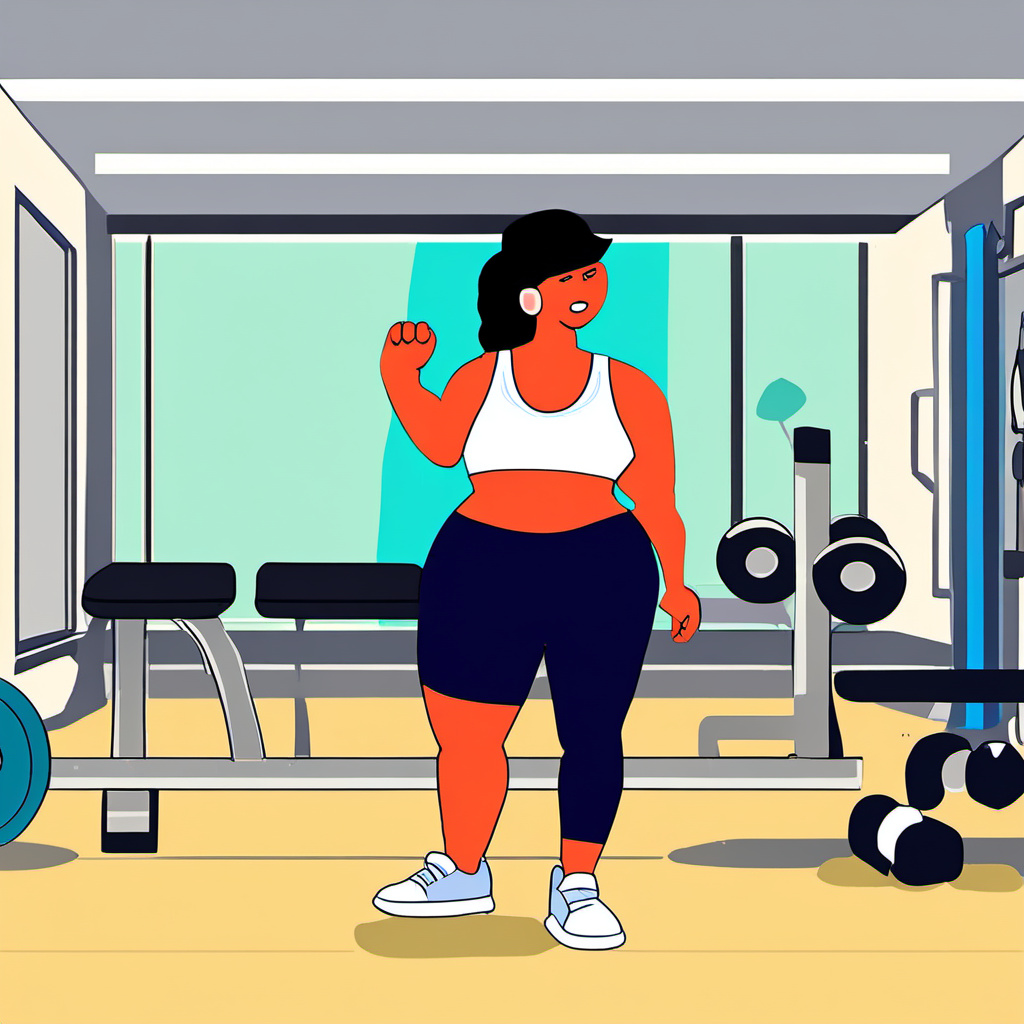
For many, the decision to join a gym or hire a personal trainer is born from a desire for longevity, strength, and mental clarity. However, for a significant portion of the population, the threshold of the gym feels less like a gateway to health and more like an entrance to a courtroom where their body is the defendant. Despite the rise of the body positivity movement, a profound tension remains between the philosophy of self-acceptance and the commercial machinery of the fitness industry.
The core of the problem lies in the historical framing of fitness as a means to an end—specifically, the end of achieving a particular aesthetic. When the primary goal of a gym is weight loss or “toning,” the environment naturally shifts toward a culture of deficit and correction rather than one of empowerment and addition. This creates a paradoxical experience where individuals go to the gym to feel better about themselves, only to be reminded of everything they believe is “wrong” with their appearance.
The Paradox of Health at Every Size in a Weight-Loss Industry
The concept of Health at Every Size (HAES) suggests that health is a multifaceted outcome of various behaviors—such as intuitive eating and joyful movement—rather than a number on a scale. However, the fitness industry is largely built on the monetization of insecurity. From membership brochures featuring airbrushed physiques to the ubiquitous “weight loss challenge,” the underlying message is often that your current body is a problem to be solved.
When trainers and gym owners lean heavily into weight-centric goals, they inadvertently signal that health is only attainable once a certain body shape is achieved. This approach is not only psychologically taxing but can be counterproductive. When exercise is framed as a punishment for what one ate or a tool to shrink the body, it ceases to be a source of joy and becomes another chore in a long list of self-improvement demands. The result is often a cycle of burnout, where the individual abandons fitness entirely because the emotional cost of the environment outweighs the physical benefits of the exercise.
The Psychological Toll of “Before and After” Culture
Few things are as pervasive in the fitness world as the “Before and After” photo. While these images are intended to serve as proof of a trainer’s efficacy, they often reinforce a narrow and harmful narrative: that the “Before” version of a person was unhappy, unhealthy, or less valuable than the “After” version.
This binary creates an unrealistic expectation of linearity. In reality, health is cyclical. Bodies change due to age, hormones, injury, and life stress. By presenting fitness as a destination—a final, static image of perfection—the industry ignores the lived experience of the human body. For a client, seeing these photos can trigger a sense of failure if their progress doesn’t mirror a curated social media post. It shifts the focus from internal milestones, such as increased energy or better sleep, to external validation, which is inherently unstable and often unattainable.
Subtle Bias and the Experience of Personal Training
Bias in personal training is rarely overt, but it is frequently felt. It manifests in the way trainers interact with clients based on their size. For example, a leaner client might be praised for their “discipline,” while a larger client is praised for “finally starting” or “having the courage to come in.” While the latter may seem supportive, it often stems from a subconscious assumption that the larger person is inherently less disciplined or more struggled.
Furthermore, there is often a discrepancy in the types of goals trainers suggest. A person in a larger body is frequently pushed toward high-intensity cardio and caloric deficits, regardless of whether they actually enjoy those activities or if they are the most sustainable options for their joint health. Conversely, leaner clients are more often encouraged to focus on strength and muscle hypertrophy. When a trainer’s approach is dictated by the client’s current size rather than their personal preferences and functional goals, the relationship becomes one of “fixing” rather than “supporting.”
Gym Intimidation and the Architecture of Exclusion
“Gymtimidation” is a well-documented phenomenon, but it is not merely a result of individual anxiety; it is often a byproduct of gym design and culture. The prevalence of floor-to-ceiling mirrors, for instance, encourages constant self-surveillance. While mirrors are useful for checking form, they also serve as a constant reminder of how one compares to the perceived “ideal” reflected around them.
Beyond the physical layout, the social hierarchy of the gym can be alienating. There is often an unspoken divide between the “regulars”—those who fit the fitness aesthetic—and the novices. When gym staff or long-term members treat the space as an exclusive club, those who feel they don’t “belong” are more likely to avoid certain areas of the gym, such as the free-weight section, out of fear of judgment. This limits their access to the very tools that could help them build strength and confidence, creating a cycle of exclusion that reinforces the idea that fitness is only for a specific type of person.
Shifting the Metric: From Aesthetics to Performance
To solve the body positivity problem in fitness, there must be a fundamental shift in how we measure success. When the scale is the only metric of progress, any plateau is viewed as a failure. However, when we shift the focus to performance and functional capability, the narrative changes from subtraction to addition.
Performance-based metrics are inherently more inclusive and motivating. Examples include:
- Strength Milestones: Being able to lift a heavier weight than last month or performing the first full push-up.
- Mobility and Flexibility: Reaching further in a stretch or feeling less stiffness when getting out of bed.
- Endurance and Energy: Walking up a flight of stairs without becoming winded or having more energy to play with children.
- Mental Well-being: Noticing a decrease in anxiety levels after a workout or an improvement in sleep quality.
These are known as “Non-Scale Victories” (NSVs). By prioritizing NSVs, trainers can help clients build a positive relationship with their bodies, viewing their physical self as a capable instrument rather than an object to be molded.
How to Find a Truly Inclusive Trainer
Finding a trainer who respects body positivity and prioritizes holistic health requires a proactive approach. It is important to vet potential coaches not just by their certifications, but by their philosophy. During an initial consultation, consider asking the following questions to gauge their approach:
- “How do you define and measure success for your clients?” If the answer focuses solely on weight loss or body measurements, they may not be aligned with a body-positive approach. Look for answers that mention strength, energy, and mental health.
- “How do you handle days when a client feels discouraged by their appearance?” A compassionate trainer will have strategies to pivot the focus back to what the body can do rather than how it looks.
- “What is your philosophy on nutrition?” Be wary of trainers who push restrictive diets or label foods as “good” and “bad.” Look for those who advocate for balanced nutrition and intuitive eating.
Red Flags to Watch For:
- The use of shame as a motivational tool (e.g., “Do this so you don’t look like that”).
- An obsession with caloric counting or strict macros without considering the client’s relationship with food.
- Ignoring the client’s expressed discomfort or pushing through pain in the name of “no pain, no gain.”
Creating a Body-Positive Gym Experience for Yourself
While we wait for the industry to change, there are practical steps you can take to protect your mental health and reclaim your gym experience. The goal is to create a “psychological bubble” that allows you to focus on your movement without being consumed by the environment.
1. Curate Your Sensory Environment: Use noise-canceling headphones and a playlist that makes you feel powerful and confident. By controlling what you hear, you reduce the impact of the external noise and the perceived judgments of others.
2. Prioritize Comfort Over Trends: Wear clothing that makes you feel secure and comfortable. If “athleisure” trends make you feel self-conscious, opt for oversized tees or fabrics that don’t cling. When you aren’t worrying about whether your clothes are shifting or if you’re “dressed correctly,” you can dedicate more mental energy to your workout.
3. Limit Mirror Time: Use mirrors for form correction, but avoid using them for self-critique. If you find yourself spiraling into negative thoughts while looking in the mirror, consciously turn away and focus on the internal sensation of your muscles working.
4. Find Your Community: Look for “low-pressure” environments. This might mean attending classes specifically marketed as inclusive, joining a hobby-based fitness group (like a hiking club), or finding a workout buddy who shares your values regarding body positivity.
The Role of Gym Management in Fostering Inclusivity
Ultimately, the burden of inclusivity should not fall solely on the client. Gym management has the power to change the culture of their facilities through intentional policy and design. True inclusivity goes beyond having a few larger sizes of equipment; it requires a cultural overhaul.
Management can start by diversifying the imagery used in their marketing. When a gym’s walls and social media only feature one body type, they are implicitly telling everyone else that they don’t belong. By showcasing people of all sizes, ages, and abilities performing fitness activities, they normalize the presence of diverse bodies in the space.
Additionally, staff training is crucial. Front-desk employees and trainers should be trained in weight-neutral language and sensitivity. This includes avoiding comments on a client’s weight—even “compliments” about weight loss—as these often reinforce the idea that the person’s value is tied to their size. When the staff leads with empathy and a focus on wellness, the entire atmosphere of the gym shifts from one of judgment to one of support.
Adaptive Fitness and the Gap in Inclusive Design
While much of the conversation around body positivity centers on weight and size, true inclusivity must extend to adaptive fitness—the practice of making exercise accessible to people with physical disabilities, chronic illnesses, and neurodivergent needs. For many, the “body positivity problem” is not just about how they look in a mirror, but whether the equipment and the environment are physically designed to accommodate their existence. The fitness industry frequently treats adaptive needs as an afterthought, offering “modifications” that are often reductive or patronizing rather than truly inclusive.
The gap often begins with the hardware. Many gym machines are designed for a narrow range of body mechanics, assuming a specific level of grip strength, balance, and limb length. For a person using a wheelchair or someone with limited mobility, the lack of accessible machines can make a gym feel like a series of obstacles rather than a place of empowerment. When a trainer suggests a “modified” version of an exercise that removes the primary challenge or intensity, they may inadvertently signal that the client’s goals are less important or that their body is “broken” and needs a watered-down experience. Inclusive training requires a shift toward the social model of disability, which posits that people are disabled by barriers in society (like poorly designed gyms) rather than by their impairments.
Furthermore, the sensory environment of a gym can be a significant barrier for neurodivergent individuals, particularly those with autism or sensory processing disorders. The combination of clanging weights, flashing lights, loud music, and the smell of cleaning chemicals can lead to sensory overload, making the gym a place of high anxiety rather than stress relief. A truly body-positive and inclusive gym recognizes that “fitness” includes the mental comfort of the client. This might involve offering “low-sensory hours,” providing noise-canceling equipment, or allowing clients to use visual schedules to navigate their workouts. When trainers ignore the sensory needs of their clients, they reinforce the idea that the gym is a space for a specific type of neurological profile, further alienating those who do not fit the mold.
The Gendered Experience of Body Positivity and Muscle Dysmorphia
The struggle with body image in the gym is often framed as a female experience, but the pressures of the “fitness ideal” affect all genders in distinct, often overlooked ways. For men, the body positivity problem frequently manifests as muscle dysmorphia, or “bigorexia,” where an individual perceives themselves as small or underdeveloped regardless of their actual muscle mass. The commercial machinery of the gym often fuels this by promoting a hyper-masculine ideal of extreme leaness combined with massive hypertrophy, creating a standard that is biologically unattainable for the vast majority of men without the use of performance-enhancing drugs.
This creates a specific type of psychological tension where the gym becomes a place of perpetual inadequacy. While women may feel pressured to shrink, men are often pressured to expand, yet both are chasing a static, airbrushed image. When trainers lean into “alpha” culture—using aggressive language, emphasizing dominance, and focusing exclusively on “gains”—they may inadvertently validate a toxic relationship with the body. In these environments, the focus shifts from functional health to a quest for a specific aesthetic of power, which can lead to overtraining, injury, and a profound sense of failure when the body does not respond to a rigid, one-size-fits-all bodybuilding program.
Non-binary and gender-nonconforming individuals face an additional layer of exclusion: the gendered architecture of the gym. From the binary nature of locker rooms to the gendered language used in group fitness classes (e.g., “ladies’ leg day” or “men’s strength training”), these spaces often force individuals into categories that do not fit. The psychological toll of navigating these spaces can be so great that the act of exercising becomes secondary to the stress of avoiding harassment or discomfort. An inclusive approach requires trainers and management to decouple fitness goals from gender norms, utilizing gender-neutral language and advocating for gender-neutral facilities to ensure that the gym is a safe space for all bodies, regardless of how they identify.
Navigating the “Wellness Trap” and the Path to Exercise Addiction
There is a dangerous intersection where body positivity and the “wellness” industry collide, often resulting in what can be described as the “wellness trap.” This occurs when the pursuit of health becomes an obsession, transforming a positive habit into a rigid set of rules that mirror the restrictive nature of the diets they were meant to replace. For some, the shift from “weight loss” to “wellness” simply replaces a calorie counter with a step tracker, a sleep monitor, and a strict regimen of supplements. When trainers encourage this level of hyper-quantification, they can inadvertently push clients toward orthorexia—an obsession with eating and exercising “correctly.”
The red flag for this transition is often found in the language of “optimization.” When a trainer stops talking about how a client *feels* and starts focusing exclusively on “optimizing” biomarkers, heart rate variability, or macro-nutrients, the relationship with the body shifts back from one of trust to one of surveillance. The body is no longer a living entity to be listened to, but a machine to be hacked. This is particularly prevalent in high-end boutique gyms that market “bio-hacking” services. The paradox here is that the client may believe they are practicing a holistic, body-positive approach to health, while in reality, they are experiencing a heightened state of anxiety and control.
To combat this, inclusive trainers must integrate the concept of “intuitive movement.” This involves teaching clients how to gauge their intensity based on internal cues—such as perceived exertion and energy levels—rather than relying solely on a wearable device. For example, instead of insisting on a specific heart rate zone for a workout, a trainer might ask, “How does your body feel today? Do we need a high-energy session or a restorative one?” By validating the client’s internal experience over the data on a screen, the trainer helps the client rebuild a relationship of trust with their body, preventing the slide from healthy discipline into obsessive compulsion.
The Linguistic Shift: From “Correction” to “Collaboration”
The way trainers speak to their clients is one of the most powerful tools for either reinforcing or dismantling body-shame. Much of the traditional fitness vocabulary is rooted in the language of correction, deficit, and punishment. Terms like “burning off” a meal, “toning” a problem area, or “blasting” fat frame the body as an enemy to be defeated. To create a truly body-positive environment, there must be a conscious linguistic shift toward collaboration and capacity.
Consider the difference between “correcting” a client’s form and “collaborating” with their anatomy. A correction-based approach might sound like: “You’re doing that wrong; your hips are too high.” A collaborative approach sounds like: “I notice your hips are shifting; let’s see if adjusting your foot placement feels more stable for your body.” The former implies a failure to meet a standard; the latter treats the body’s unique mechanics as a puzzle to be solved together. This shift removes the element of judgment and replaces it with curiosity.
Practical examples of this linguistic overhaul include:
- Instead of “Burning Calories”: Use “Generating Energy” or “Increasing Capacity.” This shifts the focus from a deficit (losing something) to an addition (gaining ability).
- Instead of “Toning”: Use “Strengthening” or “Building Stability.” “Toning” is a vague aesthetic term; “strengthening” is a functional reality.
- Instead of “Cheat Meal”: Use “Flexible Eating” or “Enjoyment Meal.” The word “cheat” implies a moral failure and reinforces a cycle of guilt and restriction.
- Instead of “Pushing Through the Pain”: Use “Listening to Your Limits.” This distinguishes between the productive discomfort of growth and the warning signs of injury.
When these changes are implemented, the gym experience transforms. The client no longer feels like a student being graded by an expert, but a partner in their own wellness journey. This linguistic shift is not merely about “political correctness”; it is about psychological safety. When a client feels safe and not judged, they are more likely to experiment with new movements, take risks in their training, and ultimately achieve more sustainable results.
Ageism and the Narrative of the “Declining” Body
Body positivity in the fitness industry often forgets the aging body. There is a pervasive narrative that as we age, our goal should shift from “fitness” to “maintenance” or “gentle movement.” While it is important to adjust training to account for joint health and recovery, the industry often swings too far in the other direction, offering older adults patronizing environments that lack challenge or ambition. This “soft” approach to senior fitness can be a form of erasure, suggesting that older bodies are no longer capable of strength, power, or significant progress.
The body positivity problem here is the assumption that the aging body is inherently a “declining” body. When trainers treat older clients with a sense of fragility—using phrases like “you’re so brave for trying this” or “just do your best”—they reinforce the stereotype that aging is a process of loss rather than a process of evolution. This can lead to a self-fulfilling prophecy where older adults stop challenging themselves because the environment they are in does not expect them to. True inclusivity means providing older adults with the same opportunities for strength and hypertrophy as younger clients, adapted for their specific needs but not stripped of their intensity.
An inclusive approach to aging in the gym involves focusing on “functional longevity.” This means training for the things that actually matter in later life—such as the ability to get up from the floor, carry groceries, or maintain balance—but doing so with a mindset of growth. For example, instead of only offering a “Silver Sneakers” class with light dumbbells and chair exercises, a gym might offer a “Master’s Strength” program that focuses on progressive overload and bone density. By treating the older body as a capable, evolving system rather than a fragile relic, gyms can help older adults maintain their autonomy and confidence, proving that body positivity is a lifelong requirement, not just a trend for the young.
The Economic Divide of Inclusive Wellness
A critical but rarely discussed aspect of the body positivity problem is the financial barrier to inclusive fitness. Currently, there is a widening gap between “big box” budget gyms and specialized, trauma-informed, or body-positive boutique studios. Many of the trainers who are most skilled in weight-neutral approaches, HAES principles, and adaptive fitness operate in private practices or high-end studios that charge a premium. This creates a scenario where a body-positive, psychologically safe fitness experience becomes a luxury good, available only to those who can afford it.
In contrast, budget gyms often rely on a high-volume, low-support model. In these environments, the “commercial machinery” described earlier is most potent. The pressure to conform to an aesthetic is higher because there is less individual attention and more reliance on generic, weight-loss-centric programming. For a person struggling with body image or a history of disordered eating, the budget gym can feel like a minefield of triggers, but the financial cost of a specialized trainer may be prohibitive. This economic divide means that the people who might benefit most from a body-positive approach are the ones least likely to have access to it.
Frequently Asked Questions
What is the difference between body positivity and body neutrality in a fitness context?
Body positivity focuses on the idea that all bodies are beautiful and deserving of love regardless of size or appearance. In a gym, this might look like celebrating your body as it is. Body neutrality, however, takes a different approach: it suggests that you don’t have to love your body every day, but you can respect it for what it does for you. In fitness, body neutrality is often more sustainable for some people because it removes the pressure to feel “beautiful” and instead focuses on the body as a functional tool for living.
How should I handle unsolicited advice or comments about my body at the gym?
Unsolicited advice, even when well-intentioned, can be intrusive. You have the right to set boundaries. A polite but firm response such as, “I appreciate your concern, but I’m working with a plan that works for me,” or “I’m not looking for feedback on my form right now, thank you,” is usually sufficient. If the behavior continues or feels harassing, do not hesitate to inform gym management, as most reputable gyms have codes of conduct regarding member interactions.
Can you actually be healthy without losing weight?
Yes. Health is a complex intersection of genetics, environment, and behavior. While significant weight changes can impact certain health markers, many people improve their cardiovascular health, blood pressure, and insulin sensitivity through exercise and nutrition without seeing a dramatic change in their weight. Focusing on “health behaviors” (like eating more vegetables and moving more) rather than “health outcomes” (like a specific number on the scale) is often a more effective way to achieve long-term wellness.
What should I do if my trainer is pushing me toward a goal I don’t want?
Open communication is key. Schedule a brief meeting with your trainer to redefine your goals. Use “I” statements, such as, “I feel overwhelmed when we focus on the scale, and I would prefer to focus on my strength gains instead.” A professional trainer will respect your boundaries and adjust their programming. If they insist that weight loss is the only way to be healthy or refuse to change their approach, it may be time to find a trainer whose philosophy aligns with your values.
How do I overcome the fear of being judged when I first start exercising?
Remember that most people at the gym are far more concerned with their own performance and appearance than they are with yours. A helpful mental trick is to realize that the people who are the most experienced and fit are often the most supportive, as they remember what it was like to start. Start with small wins—perhaps visiting the gym during quieter hours or starting with a single machine—and gradually expand your comfort zone as you build your confidence.
Related posts:
 Finding the Perfect Virtual Personal Trainer
 And America’s Most Inspiring Trainer Is…
 UK’s Screen-Wearing Trainers
 The Wrist Trainer: Enhancing Your Grip Strength and Dexterity
 Questions to Ask Before Hiring a Personal Trainer
 Hope Therapy: Cultivating Optimism in Clients
 Gyms Are Actually Banning Sexy Workout Clothes and Here’s Why
 Expressive Arts Therapy: Using Art for Healing and Growth