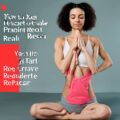
Embracing the Gentle Power of Yin Yoga
In our fast-paced world, where hustle culture often reigns supreme, there’s a growing need for balance and stillness. Enter Yin yoga – a gentle, slow-paced style of yoga that offers a soothing counterpoint to our often hectic lives. This practice invites us to slow down, tune in, and nurture our bodies and minds in ways that many of us desperately need. Let’s explore the gentle power of Yin and why this slow yoga style might be exactly what you’re looking for.
Understanding Yin Yoga: A Practice of Stillness
Yin yoga is a meditative approach to yoga that involves holding poses for extended periods, typically 3-5 minutes or even longer. Unlike more dynamic yoga styles, Yin targets the deep connective tissues of the body – the fascia, ligaments, joints, and bones. It’s a practice that works on the yin tissues of the body, which are the deeper, denser, and less elastic tissues.
The practice is based on the Taoist concepts of yin and yang – opposite and complementary principles in nature. Yin is the stable, unmoving, hidden aspect of things, while yang is the changing, moving, revealing aspect. Yin yoga, therefore, is a perfect complement to the more active, dynamic (yang) yoga styles and exercise routines.
The Physical Benefits of Yin Yoga
While Yin yoga may look easy from the outside, it offers profound physical benefits:
- Increased flexibility: By holding poses for longer periods, Yin yoga helps to gently stretch and lengthen connective tissues, improving overall flexibility.
- Improved joint health: The gentle stress applied to joints during Yin poses can help maintain and improve joint health and mobility.
- Better circulation: Yin poses stimulate the flow of chi (energy) in the body, which can improve blood circulation and organ health.
- Reduced tension: The slow, gentle nature of Yin yoga helps to release tension in the body, particularly in areas prone to stress like the lower back, hips, and shoulders.
The Mental and Emotional Benefits of Yin Yoga
Beyond the physical benefits, Yin yoga offers significant mental and emotional advantages:
- Stress reduction: The meditative nature of Yin yoga helps activate the parasympathetic nervous system, promoting relaxation and reducing stress.
- Improved mindfulness: Holding poses for extended periods encourages practitioners to be present and mindful, fostering a deeper mind-body connection.
- Emotional release: Yin yoga can help release stored emotions in the body, leading to emotional healing and balance.
- Enhanced sleep quality: Regular practice of Yin yoga can help improve sleep quality by calming the mind and relaxing the body.
Why Yin Yoga Is Exactly What You Need
In our modern world, we’re often caught up in a cycle of constant doing. We push our bodies with intense workouts, our minds with endless to-do lists, and our spirits with the pressure to always be productive. Yin yoga offers a much-needed respite from this cycle.
By practicing Yin, we give ourselves permission to slow down, to be still, and to simply be. This practice teaches us the value of rest and receptivity. It reminds us that growth and change can happen in stillness, just as a seed grows quietly underground before it bursts into bloom.
Moreover, Yin yoga can be an excellent tool for developing patience and acceptance. As we hold poses for extended periods, we learn to sit with discomfort, to breathe through challenges, and to accept our bodies and experiences as they are in the present moment. These are skills that serve us not just on the yoga mat, but in all areas of life.
Getting Started with Yin Yoga
If you’re new to Yin yoga, here are some tips to get started:
- Start slow: Begin with shorter holds (1-2 minutes) and gradually work your way up to longer durations.
- Use props: Bolsters, blocks, and blankets can help support your body in poses, making the practice more comfortable and accessible.
- Listen to your body: While some discomfort is normal in Yin yoga, sharp or intense pain is not. Always respect your body’s limits.
- Be patient: The benefits of Yin yoga often unfold slowly over time. Trust the process and enjoy the journey.
- Combine with other practices: Yin yoga complements more active forms of exercise beautifully. Consider incorporating it into your existing fitness routine.
FAQ: Common Questions About Yin Yoga
1. Is Yin yoga suitable for beginners?
Yes, Yin yoga can be an excellent practice for beginners. Its slow pace allows newcomers to ease into poses and become familiar with their bodies. However, it’s always advisable to start with a qualified instructor who can guide you properly.
2. How often should I practice Yin yoga?
The frequency of practice can vary depending on your needs and schedule. Even practicing once or twice a week can offer benefits. Some people enjoy daily Yin sessions, while others might incorporate it as a complement to more active practices a few times a week.
3. Can Yin yoga help with weight loss?
While Yin yoga isn’t typically associated with calorie burning or weight loss, it can support overall health and wellbeing. It can reduce stress (which is often linked to weight gain), improve sleep quality, and enhance body awareness, all of which can indirectly support weight management goals.
4. Is Yin yoga the same as restorative yoga?
While both Yin and restorative yoga are slow-paced practices, they have some differences. Yin yoga involves a mild stretch held for several minutes, while restorative yoga uses props to fully support the body in restful positions. Yin can be mildly challenging, whereas restorative is deeply relaxing.
5. Can I practice Yin yoga if I have injuries?
Yin yoga can be beneficial for some types of injuries, particularly chronic issues. However, it’s crucial to consult with a healthcare professional and an experienced yoga instructor before practicing with any injury. They can guide you on appropriate modifications and precautions.
In conclusion, the gentle power of Yin yoga offers a beautiful balance to our often yang-dominated lives. By embracing this slow, nurturing practice, we give ourselves the gift of stillness, introspection, and deep physical and emotional release. Whether you’re seeking physical flexibility, mental calm, or simply a moment of peace in your busy day, Yin yoga might just be exactly what you need. So roll out your mat, settle in, and allow yourself to experience the transformative power of Yin.