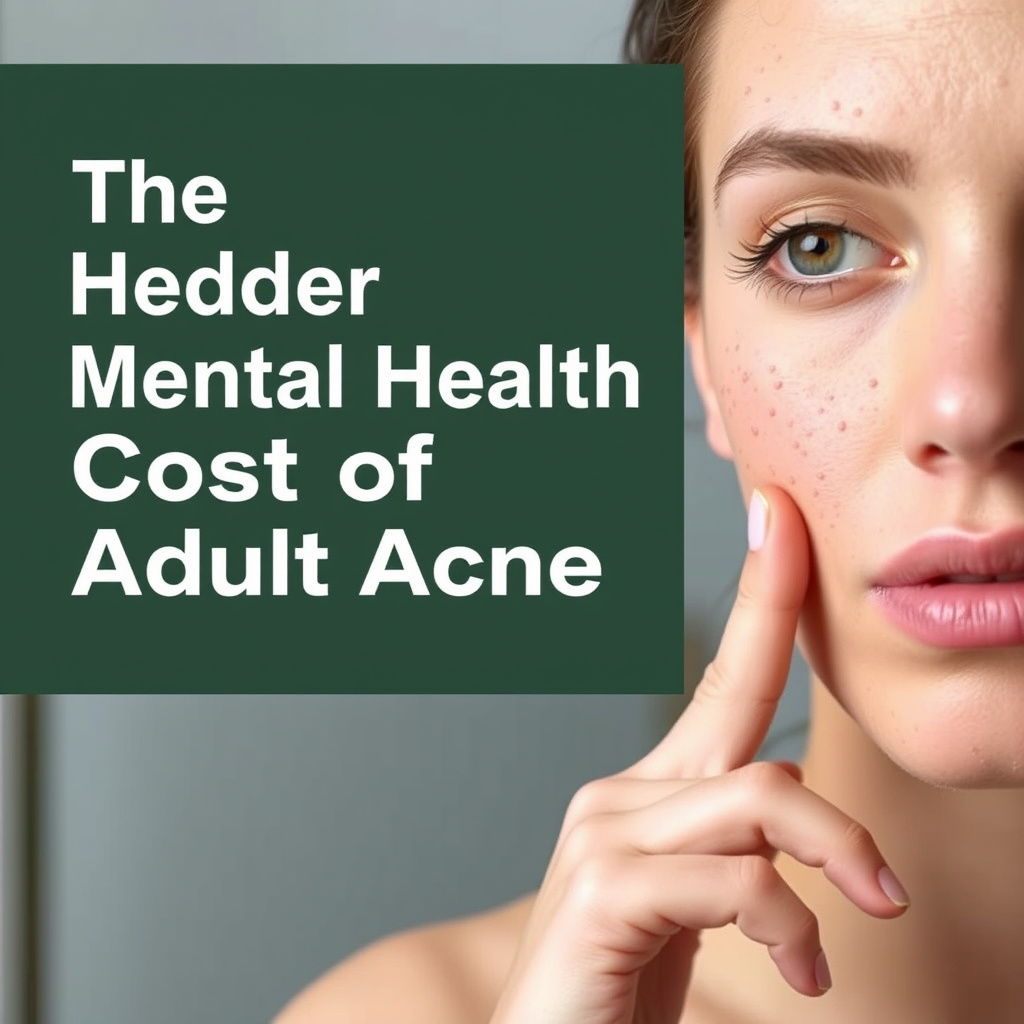
What Is Adult Acne and Why It Matters More Than You Think
Adult acne is far more common than most people realize. According to dermatological research, approximately 50 million Americans experience acne at any given time, and a significant portion of those are adults over the age of 25. Unlike the teenage breakouts that many people expect to outgrow, adult acne persists well into adulthood, often flaring up during periods of hormonal change, stress, or life transitions. For women, hormonal fluctuations related to menstrual cycles, pregnancy, perimenopause, or birth control can trigger persistent breakouts along the jawline, chin, and lower face.
What makes adult acne particularly challenging is not just its physical presence but the invisible weight it carries. While society often treats acne as a cosmetic inconvenience, the reality is far more complex. The condition can reshape how a person sees themselves, how they interact with others, and how they navigate daily life. Understanding adult acne requires looking beyond the surface of the skin and acknowledging the profound mental health implications that come with it.
Many adults who develop acne later in life feel isolated because they believe they have “missed the window” for dealing with this condition. They may feel embarrassed that they are still struggling with something they assumed would be a teenage problem. This misconception compounds the shame, making it harder for individuals to seek help or talk openly about their experience.
The Emotional Toll: How Acne Affects Self-Esteem
The relationship between skin and self-image is deeply personal. For adults dealing with persistent breakouts, the mirror can become a source of distress rather than a neutral reflection. Studies published in peer-reviewed journals have consistently shown that people with acne report lower self-esteem, higher levels of dissatisfaction with their appearance, and greater social anxiety compared to those with clear skin.
Consider the daily experience of someone living with adult acne. Every morning, the first thing they see is a new blemish or a cluster of red bumps that seem to appear overnight. They may spend extra time concealing their skin with makeup, choosing specific angles in photos, or avoiding certain lighting altogether. Over time, these small behaviors accumulate into a pattern of self-consciousness that seeps into every aspect of life.
The emotional toll extends beyond mere vanity. It touches the core of identity. When a person looks in the mirror and sees acne, they may unconsciously associate those blemishes with being “unhealthy,” “unattractive,” or “less competent.” These associations, while irrational, are deeply felt and can erode confidence over months and years if left unaddressed.
The Social Withdrawal That Comes With Breakouts
One of the most underreported consequences of adult acne is social withdrawal. People with persistent skin issues often begin to avoid situations where their face is prominently visible. They might decline invitations to social gatherings, skip the gym, or opt out of team-building activities at work. The fear of being judged or stared at becomes a powerful deterrent that limits their world.
Research has shown that individuals with acne are more likely to avoid eye contact, speak less in group settings, and feel uncomfortable in close physical proximity to others. This withdrawal is not simply shyness; it is a protective mechanism. The brain interprets the visible skin condition as a social threat, triggering avoidance behaviors that shield the person from perceived judgment.
A practical example of this can be seen in the workplace. An adult with acne might decline a presentation opportunity not because they lack the skills, but because they fear their skin will distract from their message. They might choose to eat lunch alone rather than join colleagues at a communal table. These seemingly small decisions, repeated daily, can significantly impact career progression and social fulfillment.
Anxiety, Depression, and the Acne Connection
The link between acne and mental health conditions such as anxiety and depression is well-documented in dermatological and psychological literature. A study published in the British Journal of Dermatology found that individuals with acne had a significantly higher risk of developing depression in the years following their diagnosis. The risk was highest in the first year after onset, suggesting that the initial shock and adjustment period is particularly vulnerable.
Anxiety related to acne often manifests in specific ways. People may obsess over whether a blemish is visible to others, constantly check their skin in mirrors or reflective surfaces, or experience anticipatory anxiety before social events. This hypervigilance can become exhausting, draining mental energy that could otherwise be directed toward productive or enjoyable activities.
Depression linked to acne can present as a persistent low mood, loss of interest in activities once enjoyed, feelings of hopelessness about skin improvement, or a sense of worthlessness tied to appearance. It is important to note that these feelings are valid and real, even if the acne itself is not life-threatening. The emotional suffering caused by visible skin conditions deserves the same level of attention and care as any other health concern.
Workplace and Professional Life Under the Shadow of Acne
The professional arena can become a minefield for adults dealing with acne. In industries where appearance is perceived as important, the pressure can be immense. Even in casual work environments, the fear of being judged by colleagues or clients can create a constant undercurrent of stress. Some adults report that acne has directly influenced their choice of career, pushing them away from client-facing roles or public-facing positions.
The impact on professional confidence is significant. Adults with acne may hesitate to voice opinions in meetings, avoid networking events, or refrain from building relationships with mentors and peers. They might also experience difficulty accepting compliments or constructive feedback, interpreting any comment about appearance as criticism.
Financially, the burden can be substantial. Many adults invest in over-the-counter treatments, prescription medications, dermatologist visits, and quality skincare products without guaranteed results. The cost of managing acne, combined with the emotional toll, creates a cycle of frustration that can affect overall well-being and financial stability.
Relationships and Intimacy: When Skin Becomes a Barrier
Adult acne can also strain romantic relationships and intimate connections. Partners may not fully understand the emotional weight that skin issues carry, leading to well-meaning but hurtful comments like “just use a stronger cleanser” or “have you tried that face mask your friend recommended.” These comments, while often innocent, can feel dismissive and deepen the sense of isolation.
Intimacy can suffer when a person feels self-conscious about their skin. They may avoid physical closeness, resist being photographed, or feel insecure during vulnerable moments. The acne becomes not just a skin condition but a barrier to connection and vulnerability, two essential components of healthy relationships.
In some cases, the stress of maintaining a relationship while dealing with acne can lead to withdrawal from dating altogether. Adults may feel that they need to “fix” their skin before they are worthy of love or companionship, a belief that is both harmful and untrue. The reality is that acne does not define a person’s worth, and healthy relationships should accommodate the realities of living with a visible condition.
The Vicious Cycle: Stress Worsens Acne, Acne Worsens Stress
Perhaps the most challenging aspect of adult acne is the cyclical relationship it shares with stress. When a person is stressed, the body produces more cortisol and androgens, which can stimulate oil production and trigger breakouts. These new blemishes then increase stress levels, creating a feedback loop that is difficult to break.
This cycle is particularly relevant for adults navigating high-pressure careers, caregiving responsibilities, or major life changes. A demanding work project might coincide with a flare-up, which then makes the project feel even more overwhelming. The stress of dealing with the stress becomes an additional burden that compounds the original challenge.
Breaking this cycle requires a multifaceted approach. Stress management techniques such as mindfulness, meditation, regular exercise, and adequate sleep can help reduce cortisol levels and indirectly improve skin health. At the same time, treating the acne itself with appropriate medical or dermatological interventions can reduce the stress that comes from visible skin concerns.
Breaking Free: Practical Steps for Body and Mind
Addressing adult acne and its mental health impact requires both practical skincare strategies and intentional emotional care. On the skincare front, consistency is key. A gentle cleanser, a non-comedogenic moisturizer, and targeted treatments containing ingredients like salicylic acid, benzoyl peroxide, or retinoids can help manage breakouts. However, it is important to avoid over-treating the skin, as excessive drying or irritation can worsen inflammation and stress the complexion.
Beyond topical treatments, lifestyle factors play a significant role. A balanced diet rich in anti-inflammatory foods, adequate hydration, regular physical activity, and consistent sleep patterns all contribute to skin health. While no single food causes acne, some research suggests that high-glycemic diets and dairy may exacerbate breakouts in certain individuals.
Equally important is the mental health component. Cognitive behavioral therapy has shown promise in helping individuals manage the negative thought patterns associated with acne. Practicing self-compassion, challenging distorted beliefs about appearance, and setting boundaries around how much time and energy is spent on skin concerns can all contribute to improved mental well-being.
Building a support network is also essential. Whether through online communities, support groups, or trusted friends and family, sharing the experience of living with adult acne can reduce feelings of isolation and normalize the emotional challenges that come with the condition.
When to Seek Professional Help
There is a critical point at which adult acne crosses from a manageable inconvenience into a serious mental health concern. If the condition is causing persistent sadness, anxiety, social withdrawal, or thoughts of self-harm, it is time to seek professional support. A dermatologist can help develop an effective treatment plan, while a therapist or counselor can address the emotional impact.
It is also important to recognize when acne may be a symptom of an underlying hormonal or medical condition. Irregular periods, excess hair growth, or unexplained weight changes alongside acne could indicate conditions such as polycystic ovary syndrome or other endocrine disorders. In these cases, a comprehensive medical evaluation is essential.
Seeking help is not a sign of weakness; it is an act of courage and self-respect. The mental health cost of adult acne is real, and addressing it holistically ensures that the person behind the skin is cared for as fully as the skin itself.
The Gut-Brain-Skin Axis: How Digestive Health Shapes Both Acne and Emotional Well-Being
Emerging research in dermatology and gastroenterology has illuminated a fascinating connection known as the gut-brain-skin axis, a tri-directional communication pathway that links the health of the digestive system, the brain, and the skin. This scientific framework helps explain why individuals with chronic adult acne often report gastrointestinal issues such as bloating, irregularity, or food sensitivities alongside their skin struggles. The gut microbiome—a vast ecosystem of trillions of microorganisms residing in the intestines—plays a regulatory role in inflammation, immune response, and even neurotransmitter production, all of which directly influence both skin clarity and emotional stability.
When the balance of gut bacteria is disrupted, a condition known as dysbiosis, the body’s inflammatory response can escalate. This systemic inflammation may manifest on the skin as persistent acne lesions, particularly along the jawline and chin, areas commonly associated with hormonal fluctuations in adults. Simultaneously, an imbalanced gut produces fewer beneficial neurotransmitters like serotonin, the hormone closely tied to feelings of happiness and emotional resilience. The result is a dual burden: the skin breaks out more readily, and the mind becomes more susceptible to anxiety and depressive episodes.
A practical example of this connection can be seen in dietary patterns. Individuals who consume high amounts of refined sugars, processed foods, and alcohol may experience spikes in systemic inflammation that trigger both digestive discomfort and skin flare-ups. Over time, this physical discomfort compounds psychological stress, creating a feedback loop that mirrors the stress-acne cycle discussed elsewhere but originates from a different physiological source. Addressing gut health through probiotic-rich foods like yogurt, kefir, sauerkraut, and kimchi, as well as prebiotic fibers found in garlic, onions, and bananas, may offer a supplementary pathway to improving both skin and mood.
It is important to note that the gut-brain-skin axis does not replace traditional acne treatments but rather complements them. A holistic approach that includes dietary awareness, targeted supplementation such as omega-3 fatty acids and zinc, and mindful eating practices can address the root causes of inflammation from within. For those navigating the emotional toll of adult acne, understanding that their skin condition may be partially rooted in digestive health can provide a sense of agency and a clearer roadmap toward recovery.
The Digital Age and the Unrealistic Standard of Clear Skin
The rise of social media has fundamentally altered the landscape of beauty standards, and for adults living with acne, the impact is both pervasive and deeply personal. Platforms like Instagram, TikTok, and YouTube are saturated with images of poreless, luminous skin—often achieved through filters, professional lighting, and cosmetic editing tools that are indistinguishable from reality to the casual viewer. For someone struggling with persistent breakouts, scrolling through these curated feeds can feel like a constant reminder of what they believe they should look like, intensifying feelings of inadequacy and self-consciousness.
The psychological mechanism at play here is social comparison theory, which posits that individuals evaluate their own worth by comparing themselves to others, particularly those perceived as similar or accessible. When an adult sees a peer or influencer with flawless skin, the comparison is not abstract; it feels personal and immediate. The algorithm further compounds this by serving content that reinforces beauty ideals, creating an echo chamber where clear skin is presented not as an aspiration but as a baseline expectation. This normalization of perfection can make anyone with visible acne feel as though they are failing at something that should be effortless.
Consider the experience of a thirty-two-year-old professional who spends twenty minutes each morning applying makeup to conceal acne before joining a video call. During the call, they notice colleagues appearing on screen with visibly smooth complexions, unaware that many of those complexions are enhanced by real-time camera filters or studio-grade lighting. The invisible gap between reality and perception becomes a source of internal tension, a quiet anxiety that their true appearance is somehow deficient. Over months, this tension can crystallize into a belief that they are fundamentally less attractive or less competent than their peers.
Breaking free from this digital trap requires intentional boundaries. Reducing screen time on beauty-focused platforms, following accounts that celebrate skin diversity, and engaging with communities that discuss real skin experiences can help recalibrate expectations. Some dermatologists now recommend a “digital detox” period as part of a comprehensive acne management plan, recognizing that the mental health benefits of stepping away from comparison-driven content are as real as the benefits of any topical treatment.
The Hidden Financial Burden of Managing Adult Acne
While the emotional costs of adult acne are widely discussed, the financial toll is often overlooked despite its significant impact on quality of life. The cumulative expense of managing adult acne extends far beyond a single tube of cream or a monthly dermatologist visit. It encompasses a broad spectrum of costs that can strain budgets, particularly for adults who may already be managing other financial responsibilities such as mortgages, childcare, or student loans.
A typical adult acne treatment regimen might include a visit to a dermatologist costing between $150 and $300 per appointment, prescription medications such as topical retinoids or oral antibiotics ranging from $25 to $200 per month depending on insurance coverage, and over-the-counter skincare products averaging $30 to $80 each. Add to this the cost of specialized makeup designed for acne-prone skin, which can run $25 to $60 per product, and the expense of light therapy devices or chemical peels offered at medispas for $150 to $500 per session. For individuals who do not respond to first-line treatments, the path to clearer skin may involve isotretinoin, a potent oral medication that requires monthly blood work costing an additional $50 to $150 per visit.
The financial burden is not limited to direct treatment costs. Adults with acne may experience indirect economic losses, including reduced productivity at work, missed opportunities for advancement due to social avoidance, and the cost of therapy or counseling to address the mental health consequences of living with the condition. A 2019 study published in the Journal of the European Academy of Dermatology and Venereology estimated that the total annual cost of acne, including both direct medical expenses and indirect productivity losses, exceeds $3 billion in the United States alone.
For those without comprehensive health insurance, the financial pressure can be overwhelming. Some adults report choosing between paying for dermatologist visits and covering other essential expenses, a decision that carries its own psychological weight. The frustration of investing significant resources into treatments that may take months to show results can deepen feelings of hopelessness, reinforcing the mental health challenges that accompany the condition.
Sleep Disruption and the Circadian Connection to Acne and Mental Health
Sleep and skin health share a relationship that is more intimate than most people realize. During sleep, the body undergoes critical repair processes, including increased blood flow to the skin, collagen production, and the regulation of hormones that control oil production and inflammation. When sleep is disrupted or insufficient, these processes are compromised, and the skin becomes more vulnerable to breakouts. For adults already dealing with acne, poor sleep can transform a manageable condition into a persistent and worsening struggle.
The connection between sleep and acne operates through multiple biological pathways. Cortisol, the stress hormone, follows a circadian rhythm that is regulated by the sleep-wake cycle. When an adult consistently sleeps fewer than seven hours per night, cortisol levels remain elevated, stimulating sebaceous glands to produce excess oil. This oil, combined with dead skin cells and bacteria, creates the perfect environment for acne lesions to form. Simultaneously, sleep deprivation impairs the body’s ability to regulate inflammatory cytokines, chemicals that drive the redness and swelling associated with acne.
The mental health implications of this cycle are profound. Adults who experience both acne flare-ups and poor sleep often report heightened anxiety, irritability, and difficulty concentrating. The exhaustion of navigating a breakout while functioning on inadequate rest can feel like carrying a weight that grows heavier each day. A person who sleeps five hours per night and wakes to a new cluster of blemishes may find themselves dreading the day ahead, their mental reserves already depleted before the morning begins.
Establishing a consistent sleep routine can serve as a powerful intervention. Practices such as maintaining a fixed bedtime, limiting caffeine intake after early afternoon, reducing screen exposure before sleep, and creating a cool, dark sleep environment can help regulate the circadian rhythm. Some adults find that incorporating a gentle nighttime skincare ritual, distinct from their daytime routine, signals to both body and mind that it is time to repair and rest. The dual benefit of improved skin and improved mood makes sleep hygiene an essential component of any comprehensive acne management strategy.
Adult Acne Across Different Skin Tones: Unique Challenges and Disparities in Care
Adult acne does not affect all skin types equally, and the experience of living with visible breakouts can differ dramatically depending on skin tone, ethnicity, and the specific characteristics of one’s complexion. For individuals with darker skin tones, acne can leave behind post-inflammatory hyperpigmentation, dark spots that persist long after the original blemish has healed. These marks can be more distressing than the acne itself, creating a prolonged period of visible skin concern that extends well beyond the active breakout phase.
The challenge of post-inflammatory hyperpigmentation is compounded by the fact that it is often undertreated in dermatological settings. Many standard acne treatments focus on active lesions without adequately addressing the lingering discoloration, leaving patients with a sense that their skin has not fully recovered even when new breakouts have subsided. This can deepen feelings of frustration and dissatisfaction, particularly when social comparisons emphasize clear, even-toned skin as the ideal.
Additionally, cultural attitudes toward skin tone can influence how adults with acne perceive their condition and seek treatment. In some communities, there is a strong emphasis on achieving light or even skin, and acne-related discoloration may carry additional social stigma. The pressure to conform to narrow beauty standards can lead to the use of harsh or inappropriate skin-lightening products, which can further irritate the skin and worsen both acne and the emotional distress associated with it.
Access to appropriate dermatological care also varies across racial and ethnic lines. Studies have shown that dermatologists may be less familiar with the specific needs of darker skin, leading to misdiagnoses or ineffective treatment plans. An adult with medium to dark skin who is prescribed a treatment that works well for fair skin may experience irritation or paradoxical reactions, reinforcing their belief that effective solutions do not exist for them. This disparity in care can erode trust in medical professionals and delay recovery, both physically and psychologically.
Addressing these inequities requires both systemic changes in dermatological education and a personal commitment to seeking providers who understand the nuances of diverse skin. Ingredients like niacinamide, vitamin C serums, and azelaic acid have shown promise in treating hyperpigmentation across skin tones, and a dermatologist knowledgeable about these options can help create a more inclusive and effective treatment plan.
Building Long-Term Resilience: Coping Strategies Beyond the Breakout Phase
While treating the physical symptoms of adult acne is essential, developing the psychological resilience to live well alongside the condition is equally important. Resilience in this context does not mean accepting suffering or ignoring the emotional pain; rather, it means building a framework of coping strategies that allow an adult to function, thrive, and maintain a positive sense of self even when the skin is not cooperating.
One of the most effective resilience-building techniques is cognitive reframing, a practice rooted in cognitive behavioral therapy that involves identifying and challenging distorted thought patterns. When an adult looks in the mirror and thinks, “My skin is terrible and everyone can see it,” cognitive reframing encourages them to question this belief. Is it true that everyone notices? What evidence supports this thought? What would they tell a friend who expressed the same concern? By systematically examining these thoughts, the individual can develop a more balanced and realistic perspective that reduces the emotional charge of each mirror encounter.
Another powerful strategy is the development of a “skin-identity boundary,” a conscious decision to separate one’s sense of self from the condition of one’s skin. This boundary is built through intentional language, such as referring to acne as something one “has” rather than something one “is.” The distinction may seem subtle, but it carries significant psychological weight. An adult who says “I have acne” maintains a sense of identity that extends beyond the condition, while someone who says “I am acne-prone” may unconsciously narrow their self-concept to include only their skin struggles.
Creative outlets and physical activities can also serve as powerful resilience builders. Engaging in hobbies that shift focus away from appearance, whether it is painting, hiking, cooking, or playing music, provides a sense of accomplishment and joy that is not tied to skin condition. Regular physical activity, in particular, releases endorphins that improve mood and reduce stress, addressing both the mental health and dermatological aspects of the acne experience simultaneously.
Finally, celebrating small victories along the journey can sustain motivation and hope. Whether it is a week with fewer breakouts, a successful conversation with a dermatologist, or a day spent without excessive mirror-checking, acknowledging these milestones reinforces the progress being made and counters the narrative of hopelessness that acne can sometimes impose. Resilience is not built in a single moment but through the accumulation of these small, intentional acts of self-care and self-compassion.
Frequently Asked Questions
Can adult acne cause depression?
Research has established a clear link between acne and an increased risk of depression. The visible nature of acne can erode self-esteem, trigger social anxiety, and lead to withdrawal from daily activities. While not everyone with acne will develop depression, the emotional burden is significant enough that mental health professionals recommend monitoring mood and seeking support when needed.
Is adult acne a sign of poor hygiene?
No, adult acne is not caused by poor hygiene. It is primarily driven by factors such as hormones, genetics, stress, and inflammation. Over-washing or harsh scrubbing can actually worsen acne by irritating the skin and triggering more oil production. A gentle, consistent skincare routine is more effective than aggressive cleaning.
Does adult acne ever fully go away?
Adult acne can improve significantly with appropriate treatment, but the timeline varies for each individual. Some people see clear skin within months of starting a targeted regimen, while others manage the condition over years. Working with a dermatologist can help create a realistic plan and set achievable expectations.
How can I protect my mental health while dealing with acne?
Protecting mental health while managing acne involves several strategies: limiting mirror-checking and social media comparison, practicing self-compassion, seeking therapy or counseling, connecting with supportive communities, and remembering that your worth is not determined by your skin. Setting boundaries around how much time you spend on skincare and treatment can also prevent the condition from consuming your mental energy.
Should I avoid social situations because of my acne?
Avoiding social situations may provide temporary relief from anxiety, but in the long term, it can reinforce the fear and deepen isolation. Gradual exposure, supported by coping strategies and professional guidance, can help reduce social anxiety over time. Remember that most people are focused on their own lives and are unlikely to notice or judge your skin as harshly as you imagine.
Related posts:
 Managing Maskne (Mask Acne)
 Foundation’s Impact on Skin
 Too Clean for Comfort: Why Being Squeaky Clean Might Be Bad for Your Skin
 What to Do When You’re Dealing with Adult Acne
 Mind-Skin Connection: Psychodermatology Insights
 The Best Toners for Acne-Prone Skin That Won’t Strip Your Face
 The Best Products to Finally Conquer Your Hormonal Acne
 How to Care for Your Skin Against Adult Acne