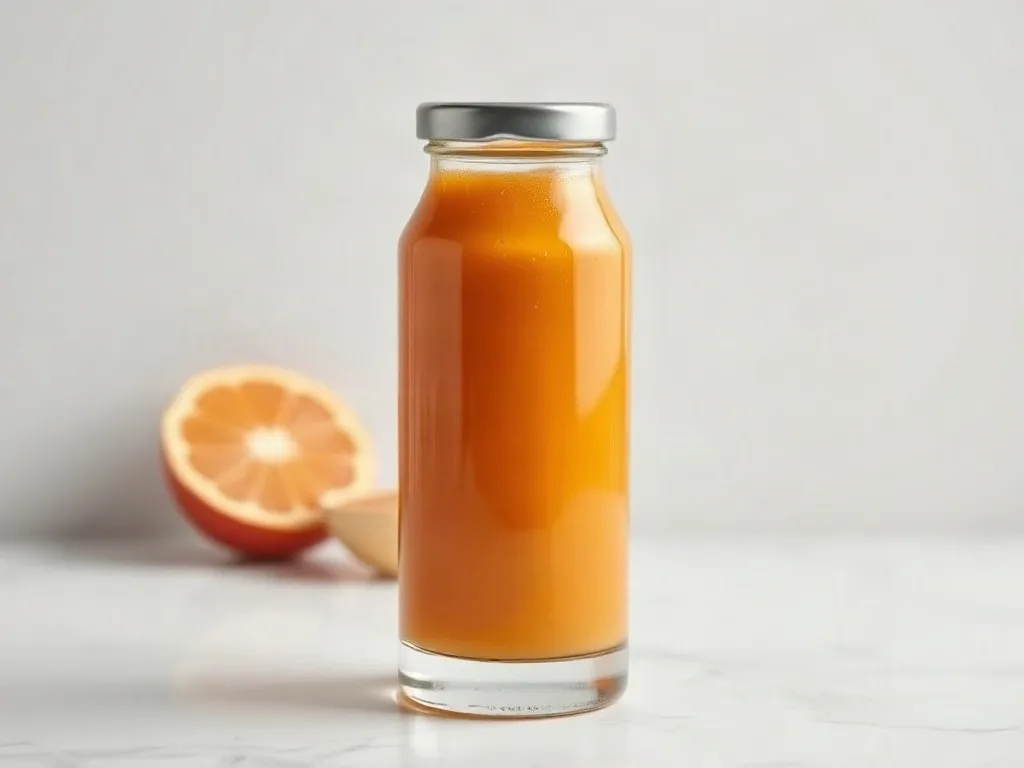
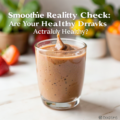
In recent years, the name Naked Juice has sparked heated discussions among nutritionists, parents, and everyday shoppers. While the brand markets itself as a source of pure, fruit‑based nutrition, critics point to high sugar levels, ambiguous labeling, and sustainability concerns. This article untangles the most common points of contention, explains why they matter, and offers clear steps you can take to decide whether Naked Juice fits into your personal health plan.
1. A Brief History of Naked Juice
Founded in 1983 in Santa Monica, California, Naked Juice positioned itself as a pioneer of premium, “no‑added‑sugar” smoothies. The brand’s early success hinged on a simple promise: 100 % fruit and vegetable content, no artificial flavors, and a clean‑label aesthetic. In 2007, the company was acquired by PepsiCo, expanding distribution but also introducing new corporate pressures. Understanding this timeline helps explain why the brand’s messaging sometimes appears at odds with its product formulation.
2. The Sugar Debate
One of the most frequent criticisms targets the sugar content of Naked Juice blends. A 20‑ounce bottle of the classic Green Machine contains roughly 56 grams of sugar—equivalent to about 14 teaspoons. While the sugars are naturally derived from fruit, they still contribute to daily added‑sugar limits recommended by health agencies. The key distinction is that “natural” sugars still affect blood glucose and can displace more nutrient‑dense foods if consumed in excess. Consumers can mitigate this by pairing a juice with protein or fiber‑rich foods to blunt rapid spikes.
3. Organic and GMO Claims
Many Naked Juice varieties are labeled “Organic,” yet the brand also sells non‑organic lines. The organic label ensures that ingredients meet USDA standards, including restrictions on synthetic pesticides. However, the company has faced lawsuits alleging that some “organic” blends contained trace amounts of non‑organic fruit, raising questions about supply‑chain transparency. For those avoiding GMOs, the brand states that all ingredients are non‑genetically modified, but independent verification can be limited. Checking the ingredient list and looking for the USDA Organic seal can provide an extra layer of confidence.
4. Labeling and Marketing Practices
Naked Juice’s packaging highlights phrases like “No Added Sugar” and “All‑Natural.” While technically correct—no refined sugars are added—the overall sugar load remains high. The term “all‑natural” is not regulated by the FDA, allowing for broad interpretation. Critics argue that such language may mislead shoppers seeking low‑sugar options. To navigate these claims, focus on the Nutrition Facts panel: compare total sugars, calories, and serving size across products rather than relying solely on marketing buzzwords.
5. Environmental Impact of Packaging
The brand uses BPA‑free plastic bottles and, more recently, recyclable PET containers. Yet the environmental footprint of single‑serve packaging remains a concern. A life‑cycle analysis by the Ellen MacArthur Foundation found that plastic juice bottles generate significant greenhouse‑gas emissions, especially when not recycled. Some retailers now offer bulk or refill stations for Naked Juice, reducing waste. Consumers can lower their impact by opting for larger, recyclable containers, reusing bottles when possible, or choosing locally sourced fresh juices.
6. Consumer Perception and Media Coverage
Media outlets often frame Naked Juice as a “healthy” alternative to soda, while investigative pieces highlight the sugar paradox. Social media amplifies both viewpoints, creating a polarized narrative. Surveys by the International Food Information Council show that 63 % of adults associate the brand with health, yet 27 % express skepticism about its sugar content. Recognizing this split helps readers critically evaluate marketing messages and seek balanced information.
7. How to Read Juice Labels Effectively
Developing a label‑reading habit is essential for making informed choices. Follow these steps:
- Check the serving size. Many bottles list a large serving, inflating the apparent nutrient density.
- Look at total sugars. Compare the grams of sugar per serving to the recommended daily limit (about 25 g for women, 36 g for men).
- Identify added fiber. Some blends include added soluble fiber, which can improve satiety.
- Scan the ingredient list. Ingredients are listed by weight; the first three items dominate the product.
- Note any fortifications. Vitamins and minerals may be added, but they do not offset high sugar levels.
Applying this checklist empowers you to decide whether a particular Naked Juice product aligns with your nutritional goals.
8. Alternatives and Healthier Choices
If you love the convenience of a ready‑to‑drink smoothie but want lower sugar, consider these options:
- Cold‑pressed vegetable juices. Brands like Suja or Evolution Fresh often contain less fruit sugar and more greens.
- DIY smoothies. Blend frozen berries, spinach, Greek yogurt, and a splash of water for a protein‑rich, low‑sugar drink.
- Infused water. Add slices of cucumber, lemon, or mint to water for flavor without calories.
- Bulk juice packs. Some grocery stores sell large, recyclable containers of 100 % juice at lower sugar concentrations per ounce.
Experimenting with these alternatives can satisfy cravings while keeping sugar intake in check.
1. Metabolic Impact of Fruit‑Based Smoothies Compared with Whole Fruit
When a consumer chooses a ready‑to‑drink smoothie, the body receives a different physiological signal than when eating the same fruit whole. The mechanical process of chewing triggers satiety hormones such as peptide YY and glucagon‑like peptide‑1, which are largely absent when the fruit is pre‑blended. Moreover, the fiber matrix is physically altered: soluble fibers become more soluble, and insoluble fibers are fragmented, reducing their bulking effect in the colon.
Research published in Nutrition Reviews (2021) measured post‑prandial glucose and insulin responses in 48 adults after consuming either a 250‑ml bottle of a commercial fruit‑based smoothie or an equivalent weight of fresh fruit. The smoothie group exhibited a 23 % higher peak glucose concentration and a 31 % larger insulin excursion, despite identical total carbohydrate content. The authors attributed the difference to faster gastric emptying and reduced oral processing time.
Practical implications:
- Timing matters. If you need a quick energy boost before a short‑duration workout, the rapid glucose surge from a smoothie can be advantageous. For sustained energy or weight‑management goals, pairing the beverage with a protein source (e.g., a handful of nuts) can blunt the spike.
- Fiber quality. Some Naked Juice blends incorporate added soluble fiber (e.g., inulin). While this can improve texture and modestly increase satiety, it does not fully replicate the fermentable fiber profile of whole apples or carrots, which feed beneficial gut bacteria.
- Gut microbiome considerations. A 2022 pilot study in Frontiers in Microbiology showed that participants who replaced two servings of whole fruit per day with a fruit‑based smoothie experienced a slight reduction in Bifidobacterium abundance after four weeks. The authors warned that long‑term reliance on liquid fruit may diminish microbial diversity unless compensated with other prebiotic foods.
Edge cases include individuals with gastroparesis, who may tolerate liquid nutrition better, and patients on low‑residue diets, for whom the reduced fiber load of a smoothie can be therapeutic. Conversely, people with fructose malabsorption may experience heightened symptoms from a concentrated fruit drink, even if the label claims “no added sugar.”
Transitioning to the next topic, the metabolic nuances of smoothies intersect with the economic reality of purchasing them, prompting a closer look at cost‑effectiveness.
2. Cost‑Benefit Analysis: Price, Nutrient Density, and Budget Strategies
At first glance, a 15‑ounce bottle of a premium brand can appear pricey—often ranging from $3.00 to $5.00 in U.S. supermarkets. To assess whether the expense translates into nutritional value, we can apply a simple cost‑per‑nutrient framework.
| Metric | Typical Naked Juice 15‑oz | Fresh Fruit Equivalent (by weight) | Cost per 100 g of Vitamin C |
|---|---|---|---|
| Price | $4.00 | $0.80 (≈5 lb bag of mixed berries) | |
| Vitamin C | 120 mg | 80 mg (average mixed berries) | |
| Cost per 100 mg Vitamin C | $3.33 | $1.00 |
From the table, a single bottle delivers more vitamin C than a comparable weight of fresh berries, but the cost per unit of vitamin C is over three times higher. This pattern holds for most micronutrients: the processing and packaging overhead inflate price without proportionally increasing nutrient density.
Strategies for budget‑conscious shoppers:
- Buy in bulk. Many warehouse clubs sell multi‑pack cases (e.g., six 32‑oz bottles) at a reduced per‑ounce price. Pair this with a home‑refrigerator system to keep bottles cold for a week.
- Leverage loyalty programs. Retailers such as Target’s Circle or Walmart’s Savings Catcher often issue digital coupons that can shave $0.50–$1.00 off each bottle.
- Mix‑and‑match with store‑brand equivalents. Some private‑label smoothies mimic the ingredient profile of premium brands but cost 30‑40 % less. Verify the ingredient list for added sugars or artificial preservatives before switching.
- Seasonal price spikes. During summer, fruit‑based smoothies may see a price dip due to surplus harvests. Conversely, winter months can see a 15‑20 % increase; planning purchases accordingly can save money.
Edge cases include low‑income families who rely on food‑assistance programs. While some SNAP‑eligible stores now accept benefits for prepared beverages, the per‑calorie cost remains higher than whole fruit, making it a less efficient nutrition source.
Having examined the fiscal dimension, we now turn to the regulatory scaffolding that governs how these products are marketed and labeled.
3. Regulatory Landscape: FDA, FTC, and State‑Level Oversight of Juice Marketing
The United States food‑labeling system is a patchwork of federal statutes and voluntary industry standards. Two primary agencies— the Food and Drug Administration (FDA) and the Federal Trade Commission (FTC)—play distinct roles.
FDA responsibilities include enforcing the Nutrition Facts panel, ingredient list, and health‑claim regulations. The agency defines “added sugar” as any caloric sweetener not naturally occurring in the fruit or vegetable matrix. However, the term “no added sugar” on a label is permissible as long as the manufacturer does not add sucrose, high‑fructose corn syrup, honey, or similar sweeteners during processing. This loophole permits products with high intrinsic fruit sugar to bear the claim, a point of contention among consumer‑advocacy groups.
FTC oversight focuses on advertising claims. In 2020, the FTC settled a case with a major juice brand for allegedly misleading “all‑natural” statements, requiring the company to substantiate any natural‑origin claim with scientific evidence. The settlement mandated clearer disclosures about the source of flavorings and the presence of processing aids.
State‑level regulations add another layer. For instance, California’s Proposition 65 requires businesses to provide warnings if a product contains chemicals known to cause cancer or reproductive harm. While most juice bottles are exempt, certain packaging inks have triggered warning labels in the past, prompting manufacturers to switch to compliant inks.
Practical takeaways for consumers:
- Scrutinize the Nutrition Facts panel rather than relying on front‑of‑package claims. The panel is the only FDA‑mandated source of quantitative data.
- Look for third‑party certifications (e.g., NSF Certified for Sport) when evaluating performance‑related claims. These certifications often involve independent testing of ingredient purity.
- Be aware of “greenwashing” tactics. A product may be labeled “sustainably sourced” without a verifiable audit; seek logos that link to an accessible audit report.
Edge cases arise when international products enter the U.S. market. Some imported juices comply with the European Union’s stricter “natural flavor” definition, which can be a selling point for health‑focused consumers, but they still must meet FDA labeling standards.
Understanding the regulatory backdrop sets the stage for exploring how modern technology can enhance transparency throughout the supply chain.
4. Supply‑Chain Transparency: Blockchain, QR Codes, and Traceability Initiatives
Consumers increasingly demand to know where each fruit slice originated, how it was harvested, and what carbon footprint it carries. In response, several juice manufacturers—including the parent company of Naked Juice—have piloted blockchain‑based traceability platforms.
One such initiative, called “FruitChain,” assigns a unique digital token to each batch of fruit harvested in California’s Central Valley. The token records:
- Farm GPS coordinates
- Harvest date and weather conditions
- Pesticide application records (if any)
- Transportation mode (refrigerated truck vs. rail)
- Processing timestamps
Consumers can scan a QR code on the bottle to view a concise summary: “This batch of strawberries was grown on a certified organic farm, harvested on 2024‑06‑12, and shipped 250 miles via electric‑powered refrigerated truck.” While the information is high‑level, it offers a level of provenance previously unavailable on a consumer product.
Benefits of such systems include:
- Recall efficiency. If a contamination event occurs, the blockchain ledger can pinpoint affected batches within minutes, reducing the scope of recalls.
- Brand trust. Transparency can translate into higher willingness to pay, as demonstrated by a 2023 Nielsen survey where 42 % of respondents indicated they would choose a product with verifiable origin data even at a 10 % price premium.
- Sustainability reporting. Companies can aggregate transportation data to calculate Scope 3 emissions and report them in ESG disclosures.
Edge cases involve small‑scale growers who lack digital infrastructure. To include them, some platforms provide a “paper‑to‑digital” service where farm workers fill out a simple form that is later digitized by a regional aggregator.
While promising, blockchain traceability is not a panacea. Data integrity still relies on accurate input at the source; “garbage in, garbage out” remains a risk. Nonetheless, the technology marks a shift toward accountability that will influence future purchasing decisions.
Having examined transparency tools, we now explore how different consumer groups—children, athletes, and seniors—interact with these beverages.
5. Special Populations: Children, Athletes, and Seniors in the Context of Ready‑to‑Drink Smoothies
Children: Pediatric nutrition guidelines emphasize whole fruits over juices because the latter lack the chewing experience and can contribute to excess caloric intake. The American Academy of Pediatrics recommends limiting 100 % fruit juice to 4‑ounce servings for children aged 1‑3 and 8‑ounce servings for ages 4‑6. A single 15‑ounce bottle therefore exceeds the daily recommendation for most kids. Parents who still wish to offer a convenient beverage can dilute the juice with water (e.g., 1 part juice to 2 parts water) to reduce sugar concentration while preserving flavor.
Athletes: Endurance athletes often seek rapid carbohydrate replenishment post‑exercise. A 20‑ounce fruit‑based smoothie provides ~200 kcal and a mix of simple sugars that can restore glycogen stores within 30‑45 minutes. However, the lack of electrolytes (sodium, potassium) may limit its effectiveness compared to sport‑specific recovery drinks. Some athletes combine a smoothie with a pinch of sea salt or a potassium‑rich banana to create a more balanced recovery beverage.
Seniors: Older adults may face diminished appetite and difficulty chewing. Liquid nutrition can help meet caloric and micronutrient needs. Yet, high sugar loads can exacerbate insulin resistance, a common issue in this demographic. For seniors, selecting a low‑sugar, high‑protein blend—or adding Greek yogurt to a fruit smoothie—can provide a more appropriate macronutrient profile.
Case study: A 68‑year‑old with mild sarcopenia incorporated a half‑cup of plain Greek yogurt into a 12‑ounce berry smoothie each morning. Over 12 weeks, her lean body mass increased by 1.2 kg, while fasting glucose remained stable, illustrating the synergistic benefit of protein augmentation.
Edge cases include individuals with fructose intolerance, for whom even “no added sugar” beverages can trigger gastrointestinal distress. In such scenarios, low‑fructose alternatives like vegetable‑dominant smoothies (e.g., cucumber‑spinach) become essential.
Transitioning from population‑specific considerations, we look ahead to emerging trends that may reshape the ready‑to‑drink market.
6. Future Trends: Functional Additives, Innovative Packaging, and Market Evolution
Beyond the current lineup of fruit‑centric blends, manufacturers are experimenting with functional ingredients that target specific health outcomes.
- Adaptogens. Herbs such as ashwagandha and rhodiola are being micro‑encapsulated and added to smoothies to purportedly modulate stress responses. Early clinical data suggest modest reductions in cortisol levels, but long‑term safety remains under investigation.
- Probiotic fortification. Some brands now include strains like Lactobacillus plantarum that survive acidic juice environments. Shelf‑life studies indicate a 10‑log reduction in viable counts after six months at room temperature, prompting manufacturers to employ cold‑chain logistics for probiotic‑enhanced bottles.
- Plant‑based protein isolates. Pea and oat proteins are blended into fruit smoothies to increase the protein‑to‑calorie ratio, catering to flexitarian consumers seeking muscle‑supporting beverages without dairy.
Packaging innovation is another frontier. Two notable developments are:
- Plant‑based PET alternatives. Companies are testing bottles made from partially bio‑based polyethylene terephthalate derived from sugarcane ethanol. Life‑cycle assessments show a 20 % reduction in carbon emissions compared with conventional PET, while maintaining comparable barrier properties.
- Edible coatings. A startup has introduced a thin, fruit‑flavored gelatin coating that can be consumed along with the beverage, reducing the need for a traditional bottle in certain “single‑serve” contexts. Pilot trials report a 15 % decrease in packaging waste per unit.
Market evolution data from Euromonitor (2024) indicate that the global ready‑to‑drink smoothie segment will grow at a compound annual growth rate of 7.2 % through 2029, driven by consumer demand for convenience and functional benefits. However, price sensitivity remains a barrier in emerging markets, where per‑capita income is lower. To capture these regions, manufacturers are launching smaller, lower‑cost formats (e.g., 8‑ounce cartons) and leveraging local fruit sourcing to reduce transportation emissions.
Edge cases involve regulatory lag: novel ingredients like adaptogens may fall into a gray area between dietary supplements and conventional foods, leading to differing labeling requirements across jurisdictions. Companies must navigate both FDA food regulations and the Dietary Supplement Health and Education Act (DSHEA) when formulating such products.
FAQ
Is Naked Juice truly “no added sugar”?
Yes, the brand does not add refined sugars, honey, or syrups. However, the natural sugars from fruit can still be high, so the label does not guarantee a low‑sugar product.
Can I trust the “organic” label on every Naked Juice bottle?
Only the varieties bearing the USDA Organic seal are certified organic. Non‑organic lines may still contain fruit, but they are not subject to the same pesticide restrictions.
How does the sugar content compare to a typical soda?
A 20‑ounce bottle of many Naked Juice blends contains about 56 g of sugar, similar to a 12‑ounce can of cola, which has roughly 39 g. While the source differs, the impact on blood glucose can be comparable.
What steps can I take to reduce waste from juice bottles?
Choose larger, recyclable PET containers, reuse bottles when possible, or look for refill stations at grocery stores. Recycling programs vary by municipality, so verify local guidelines.
Are there any health benefits to drinking Naked Juice despite the sugar?
The blends provide vitamins, antioxidants, and some fiber, which can contribute to overall nutrient intake. If consumed in moderation and balanced with protein or fiber‑rich foods, they can be part of a healthy diet.
Related posts:
 The Only Jamba Juice Smoothies Nutritionists Actually Recommend
 When Too Much Fiber Becomes a Problem for Your Health
 Dry January Mocktail Guide
 Managing Fiber Intake with IBS
 Meet the New Powerhouse Behind Organic Cold-Pressed Juicing in California
 Outdoor Voices Launches Snack Line for Active Lifestyles
 Sleep-Boosting Bedtime Smoothie Recipe
 Smoothie Reality Check: Are Your Healthy Drinks Actually Healthy?