The Rise of Comfort Fashion
As we spend more time at home, comfort has become increasingly important in our wardrobes. Loungewear sales have skyrocketed, with soft, stretchy fabrics that feel like pajamas gaining popularity.
Introducing “Nap Dresses”
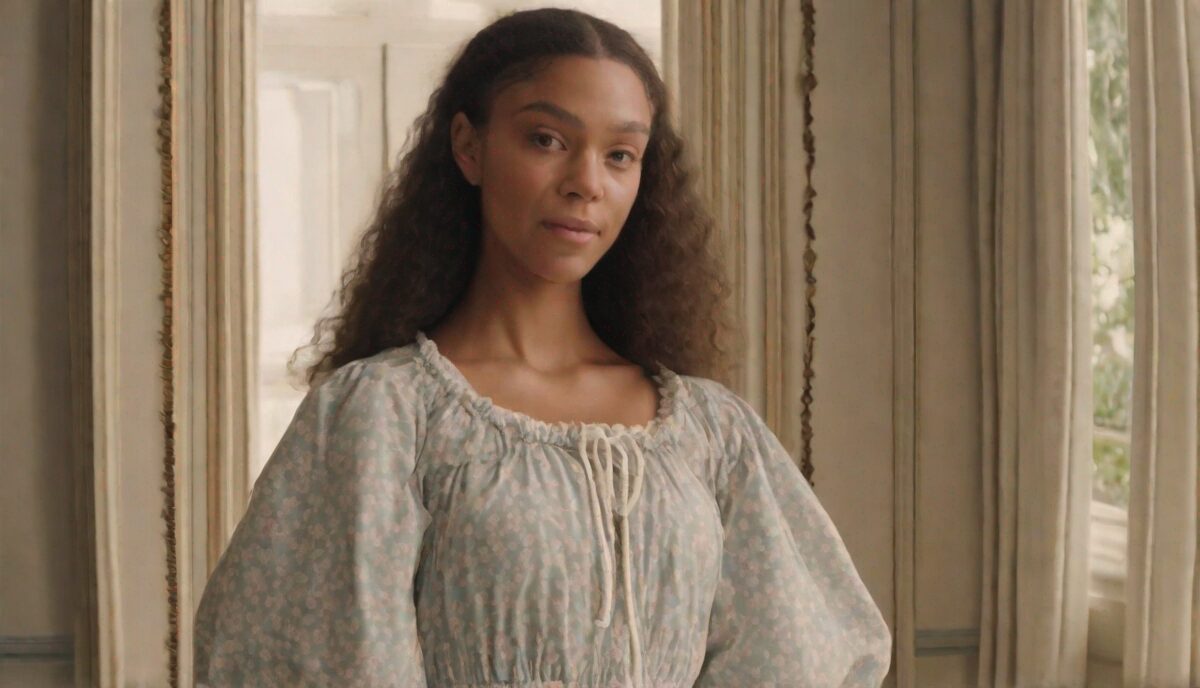
Leading this cozy fashion movement is a style of dress affectionately dubbed the “nap dress.” With its relaxed silhouette and lightweight fabric, the nap dress feels just as comfy as your favorite T-shirt, allowing you to curl up on the couch or even catch some zzz’s.
Nap Dresses in Pop Culture
In the hit Netflix series Bridgerton, lead actresses Phoebe Dynevor and Nicola Coughlan wear beautiful empire-waist linen dresses perfect for afternoon tea or lounging in the garden. These long, flowy frocks embody leisure and self-care.
Why We Love Nap Dresses
- Soft, breathable fabrics like linen, cotton, jersey
- Loose, non-restrictive cuts allow ease of movement
- Flattering empire waists and flutter sleeves
- Pretty prints and colors lift the mood
- Perfect attire for staying home and relaxing
Tips for Styling Your Nap Dress
The best thing about nap dresses is their versatility!
- Pair with sandals or sneakers for casual wear
- Cinch the waist with a belt
- Layer over a t-shirt or add a jean/leather jacket for transitional weather
- Play with accessories like hats, sunglasses, jewelry
- Many styles work for various occasions with the right shoes and accessories
Our Self-Care essentials
Along with our favorite feel-good fashions, these self-care products promote relaxation and wellness:
- Cozy blankets & pillows
- Scented candles & essential oils
- Herbal teas
- Bath bombs & bubble bath
- Face masks & pampering skin care
The Anatomy of a Smocked Bodice: Engineering Comfort
To truly understand why the nap dress has become a cornerstone of the modern wardrobe, one must look closely at the engineering of the smocked bodice. Unlike traditional evening wear that relies on rigid boning, darts, or restrictive zippers, the nap dress utilizes a technique known as elasticated smocking. This involves gathering a large volume of fabric—often twice the width of the wearer’s actual chest measurement—and securing it with multiple rows of elastic thread. The result is a garment that provides a structural, almost corset-like appearance without any of the physical constriction. This “tension-based fit” allows the dress to expand and contract with the body, accommodating natural fluctuations in size throughout the day, whether you are sitting down for a heavy meal or reclining for a midday rest.
Beyond the bodice, the sleeve construction plays a vital role in the dress’s architectural appeal. Most variations feature a puff or flutter sleeve, often finished with a small ruffle or an elasticated cuff. These sleeves serve a dual purpose: they provide a dramatic, romantic silhouette that balances the volume of the skirt, and they offer a range of motion that standard set-in sleeves lack. In a nap dress, the armhole is typically cut slightly lower to prevent any pinching at the underarm, a common grievance in more tailored loungewear. When selecting a dress, pay attention to the “smocking height”—some styles offer a short, empire-waist smocking that highlights the bust, while others extend the smocking down to the natural waist, providing more core support and a more defined hourglass shape.
From Marie Antoinette to the Regency Era: A Historical Lineage
While the term “nap dress” is a modern marketing triumph, the silhouette is deeply rooted in 18th and 19th-century sartorial history. The most direct ancestor is the chemise à la reine, a lightweight, white muslin gown made famous—and scandalous—by Marie Antoinette in the 1780s. At the time, the Queen was criticized for wearing what looked like undergarments in public, yet the comfort and breathability of the style eventually won over the aristocracy. This evolved into the Regency silhouette we see in Bridgerton, characterized by a high waistline just below the bust and a long, flowing skirt. This period emphasized a more natural form, moving away from the heavy panniers and stays of the previous decades.
The transition from the Regency gown to the modern house dress occurred in the mid-20th century. During the 1940s and 50s, the “housedress” or “wrapper” was a staple for women who needed a garment that was presentable enough for unexpected callers but practical enough for domestic labor. The contemporary nap dress bridges these two worlds: it captures the ethereal, escapist beauty of a Regency-era debutante while maintaining the utilitarian ease of a mid-century housecoat. By understanding this lineage, wearers can appreciate that they aren’t just participating in a viral trend, but in a long-standing tradition of women reclaiming comfort as a form of elegance. The historical resonance is particularly evident in the use of “Swiss dots,” eyelet lace, and toile de Jouy prints, all of which evoke a sense of timelessness that resists the fast-fashion cycle.
Fabric Selection: The Science of Thermoregulation and Drape
The success of a nap dress hinges entirely on the quality and weight of the textile. Because these garments are intended for both sleep and social interaction, the fabric must possess specific thermoregulating properties. 100% organic cotton poplin is the gold standard for those seeking a crisp, structured look that stays cool in humid climates. Poplin has a tight weave that provides opacity—essential if you plan to wear the dress without a slip—while remaining incredibly lightweight. However, for those who prioritize a softer, more fluid drape, cotton lawn or voile is preferable. These fabrics are sheerer and have a silky hand-feel, making them feel almost weightless against the skin.
Another emerging favorite in the nap dress category is Tencel Lyocell, a semi-synthetic fiber made from wood pulp. Tencel is prized for its moisture-wicking capabilities and its resistance to wrinkling, which is a common drawback of pure linen. While linen is the most historically accurate choice for a Bridgerton-inspired look, it requires a certain level of comfort with the “lived-in” look, as it will inevitably crease the moment you sit down. If you prefer a dress that looks as polished at 5:00 PM as it did at 9:00 AM, look for cotton blends that incorporate a small percentage of spandex or rayon. This added elasticity helps the smocking retain its memory and prevents the skirt from becoming baggy after hours of lounging. When assessing fabric quality, check the Grams per Square Meter (GSM); a GSM between 100 and 150 is ideal for a summer nap dress, providing enough substance to hang beautifully without feeling heavy.
The Maternity and Postpartum Utility: A Silhouette for Every Stage
One of the most significant, yet often overlooked, benefits of the nap dress is its remarkable adaptability for maternity and postpartum wear. The empire waist and elasticated bodice make it a “holy grail” garment for expectant mothers. As the belly grows, the high waistline sits comfortably above the bump, while the smocking expands without the need for maternity-specific panels or adjustable tabs. This allows women to invest in high-quality pieces that they can wear throughout their entire pregnancy and well into the fourth trimester. Unlike traditional maternity clothes, which often have a limited shelf life, the nap dress transitions back to a standard fit seamlessly.
For the postpartum period, the functional design of the nap dress becomes even more apparent. The stretch in the smocked bodice is often sufficient to allow for easy breastfeeding access by simply pulling down the neckline or one of the sleeves. Furthermore, the voluminous skirt provides a sense of ease and confidence during a time when many women are navigating a changing body. The psychological benefit of wearing a beautiful, floral-printed dress rather than stained sweatpants cannot be understated; it offers a sense of normalcy and “getting dressed” that is low-effort but high-reward. For those in the postpartum phase, choosing darker prints or busy floral patterns can also be a practical move, as they are much more forgiving when it comes to the inevitable spills and stains of new motherhood.
Seasonal Versatility: Transitioning Your Nap Dress Through the Solstice
While the nap dress is often associated with sun-drenched gardens and summer heat, it is surprisingly easy to adapt for the colder months. The key to the “winter nap dress” is strategic layering and a shift in fabric texture. As the temperature drops, look for versions rendered in heavier weights like cotton flannel, corduroy, or even velvet. A velvet nap dress maintains the comfortable silhouette but adds a rich, tactile element that feels appropriate for holiday gatherings or cozy evenings by the fireplace. To transition your summer cotton dresses, start by layering a thin, ribbed turtleneck underneath the bodice. This creates a pinafore-style look that is both practical and stylish.
Footwear and outerwear also play a role in winterizing the trend. Replacing sandals with sheer black tights and leather ankle boots instantly grounds the ethereal dress in a more autumnal aesthetic. For outerwear, a cropped cardigan that hits right at the top of the smocking preserves the dress’s proportions, while a long wool coat provides a dramatic contrast to the ruffled hem. Don’t be afraid to experiment with “cottagecore” accessories like thick wool socks peeking out of boots or a heavy pashmina wrapped over the shoulders. By treating the nap dress as a base layer rather than a standalone piece, you can justify the investment as a year-round staple rather than a seasonal whim.
The Professional Lounge: Navigating the Hybrid Work Era
The rise of the nap dress coincided perfectly with the shift toward hybrid and remote work, creating a new category of clothing: the “Zoom-ready” loungewear. The genius of the dress lies in its “above-the-keyboard” appeal. From the shoulders up, the ruffled sleeves and structured square neckline look professional and intentional on a video call, closely mimicking the appearance of a high-end blouse. However, below the camera line, the wearer enjoys the unrestricted comfort of a nightgown. This allows for a mental shift into “work mode” without the physical discomfort of traditional office attire, such as restrictive waistbands or stiff blazers.
To optimize a nap dress for a professional setting, consider the color palette and print. While bright florals are perfect for the weekend, solid jewel tones like emerald green, navy, or deep burgundy tend to read as more formal on screen. You can further elevate the look by adding a pair of statement earrings or a headband, which draws the eye upward and reinforces the “dressed up” aesthetic. For those who work in more conservative environments, layering a structured blazer over a nap dress can create a sophisticated high-low look. The blazer provides the necessary authority, while the dress adds a touch of femininity and softness, making it a versatile choice for everything from client meetings to internal brainstorming sessions.
Preservation and Care: Extending the Life of Your Investment
Because nap dresses rely so heavily on elasticated components, they require specific care to ensure they don’t lose their shape over time. Heat is the primary enemy of elastic; high-temperature washing and drying will eventually cause the elastic threads in the smocking to snap or lose their “snap-back” ability, leading to a saggy bodice. To prevent this, always wash your nap dresses in cold water on a delicate cycle. It is highly recommended to use a mesh laundry bag, which prevents the ruffles and straps from getting tangled or stretched out by the agitator of the washing machine.
When it comes to drying, skip the machine entirely. Lay the dress flat on a clean towel or hang it to air dry. If you choose to hang it, be mindful of the weight of the wet fabric; use a padded hanger to avoid “shoulder bumps” or lay it across a drying rack to distribute the weight evenly. Ironing can be tricky due to the smocking. Never iron directly over the elasticated area, as the heat can melt the internal threads. Instead, use a steamer to gently remove wrinkles from the skirt and sleeves. If you must use an iron on the skirt, use a medium setting and a pressing cloth to protect the fibers. By following these maintenance steps, you ensure that the smocking remains taut and the fabric stays vibrant, allowing your Bridgerton-inspired look to remain a favorite for years to come.
FAQ
Why are nap dresses suddenly so popular?
With more people staying home during the pandemic, comfortable clothing has surged in popularity. Nap dresses combine style and comfort perfect for lounging and leisure activities.
What makes a good nap dress fabric?
Breathable natural fabrics like cotton, linen, and jersey that feel soft against the skin. The fabric should flow loosely and not restrict movement.
Can you exercise in a nap dress?
While nap dresses are too flowy for intense exercise, their stretchy jersey fabrics and loose cuts allow free range of motion for light activities like yoga, stretching, or walking.
What shoes do you wear with a nap dress?
Nap dresses pair well with sandals, sneakers, flats, or slippers for casual comfort. You can dress them up with heels or wedges too. Choose shoes that don’t restrict movement.
Are nap dresses suitable for all ages?
Absolutely! Their flattering empire waists accentuate the upper body rather than the waistline. Young and mature women alike appreciate the playful femininity of nap dresses.
Related posts:
 Lovestitch Maxi Dress: The Perfect Summer Staple
 Modern Wedding Outfit Ideas
 Hill House Louisa Dress Review
 Perfect Date Night Outfits
 Nap Bars: Is Sleeping Your Way to Wellness the Next Big Thing
 Why Taking Career Naps Makes Sense
 Girlfriend Collective’s Naomi Dress
 Gyms Are Actually Banning Sexy Workout Clothes and Here’s Why