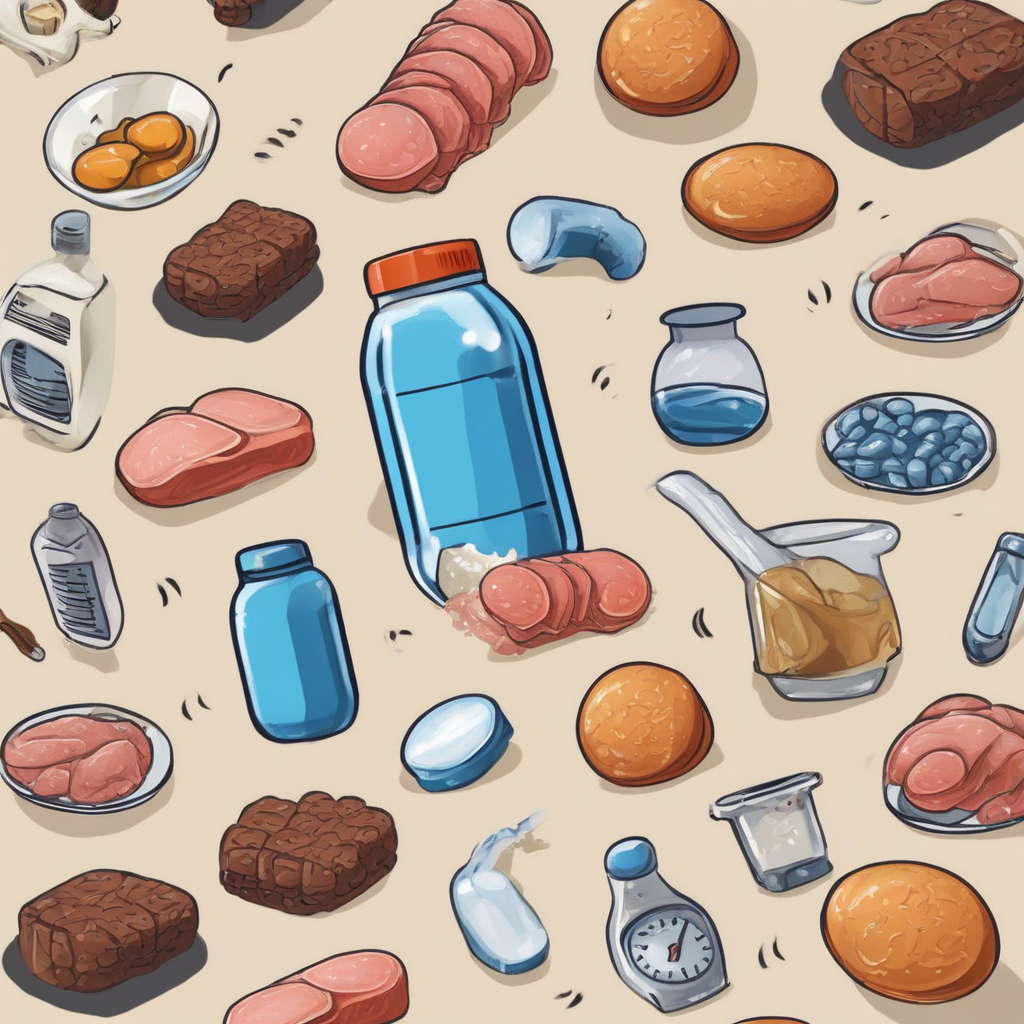
Understanding Protein: The Building Blocks of Life
Protein is often called the building block of life, and for good reason. This essential macronutrient plays a crucial role in nearly every biological process in our bodies. From repairing tissue to producing enzymes and hormones, protein is vital for our overall health and wellbeing. But in a world where protein powders and high-protein diets are constantly marketed to us, it’s natural to wonder: how much protein do we really need?
The answer, like many aspects of nutrition, is not one-size-fits-all. Our protein needs can vary based on factors such as age, activity level, and overall health. However, understanding the basics of protein and its role in our bodies can help us make informed decisions about our diet and nutrition.
The Importance of Protein in Our Diet
Protein is made up of amino acids, often referred to as the “building blocks” of protein. Our bodies use these amino acids to build and repair tissues, make enzymes and hormones, and support immune function. Some key roles of protein include:
- Building and repairing muscle tissue
- Supporting bone health
- Aiding in wound healing
- Producing antibodies for immune function
- Helping to maintain healthy skin, hair, and nails
Given these important functions, it’s clear that getting enough protein is crucial for our overall health and wellbeing. But how much is “enough”?
Recommended Protein Intake: Finding Your Sweet Spot
The Recommended Dietary Allowance (RDA) for protein is 0.8 grams per kilogram of body weight for adults. This translates to about 56 grams per day for the average sedentary man and 46 grams per day for the average sedentary woman. However, these are minimum recommendations to prevent deficiency, not necessarily optimal amounts for everyone.
Certain groups may benefit from higher protein intake:
- Athletes and very active individuals
- Older adults
- People recovering from injuries or surgeries
- Pregnant and breastfeeding women
It’s important to note that while protein is essential, more is not always better. Consuming excessive amounts of protein doesn’t provide additional benefits and can put unnecessary strain on your kidneys and liver.
Quality Over Quantity: Choosing the Right Protein Sources
When it comes to protein, quality is just as important as quantity. Different protein sources have different amino acid profiles, and some are more easily absorbed by our bodies than others.
Complete proteins, which contain all nine essential amino acids our bodies can’t produce on their own, are found in animal products like meat, fish, eggs, and dairy. However, plant-based proteins can also provide all the essential amino acids when eaten in combination throughout the day.
Some excellent protein sources include:
- Lean meats (chicken, turkey, lean beef)
- Fish and seafood
- Eggs
- Dairy products (Greek yogurt, cottage cheese)
- Legumes (beans, lentils, chickpeas)
- Nuts and seeds
- Whole grains (quinoa, brown rice)
- Soy products (tofu, tempeh)
By incorporating a variety of these foods into your diet, you can ensure you’re getting a good mix of amino acids and other important nutrients.
Listening to Your Body: The Compassionate Approach to Protein Intake
While guidelines and recommendations are helpful, it’s equally important to listen to your body and approach your nutrition with compassion. Every person’s needs are unique, and what works for one individual may not work for another.
Pay attention to how you feel after meals. Are you satisfied and energized, or do you feel hungry soon after eating? Do you notice improvements in your energy levels, muscle recovery, or overall wellbeing when you include more protein-rich foods in your diet?
Remember, nutrition is not about perfection or strict rules. It’s about nourishing your body in a way that supports your health and makes you feel good. If you’re unsure about your protein needs or have specific health concerns, consider consulting with a registered dietitian who can provide personalized advice.
FAQ: Common Questions About Protein Intake
1. Can I get enough protein on a vegetarian or vegan diet?
Yes, it’s entirely possible to meet your protein needs on a plant-based diet. Combine protein sources like legumes, whole grains, nuts, and seeds to ensure you’re getting all essential amino acids.
2. Is it necessary to use protein supplements?
For most people, it’s possible to meet protein needs through diet alone. However, supplements can be convenient for athletes or those struggling to meet their needs through food. Always consult with a healthcare professional before starting any supplement regimen.
3. Can eating too much protein be harmful?
While protein is essential, excessive intake can put strain on your kidneys and liver. It’s best to stick to recommended amounts unless advised otherwise by a healthcare professional.
4. How can I increase my protein intake without eating more meat?
There are many non-meat protein sources, including eggs, dairy, legumes, nuts, seeds, and whole grains. Incorporating a variety of these foods can help boost your protein intake.
5. Does protein help with weight loss?
Protein can aid in weight management as it promotes feelings of fullness and helps preserve muscle mass during weight loss. However, overall calorie balance is still the most important factor in weight loss.
Embracing a Balanced Approach to Protein
In the end, the protein question isn’t about finding a magic number or following a strict regimen. It’s about understanding your body’s needs and nourishing it in a way that supports your overall health and wellbeing.
By focusing on whole, nutrient-dense foods, listening to your body, and approaching your diet with compassion rather than restriction, you can ensure you’re getting the protein you need to thrive. Remember, food is not just fuel – it’s nourishment, enjoyment, and a way to care for ourselves. Embrace the journey of discovering what works best for you, and don’t be afraid to seek guidance when needed.
Your body is unique, and your approach to nutrition should be too. Here’s to finding your own balanced, compassionate path to meeting your protein needs!
Related posts:
 The Best-Tasting Vegan Protein Powders: Fueling Your Plant-Based Lifestyle
 High-Protein Vegetables Guide
 Protein’s Role in Preventing Hair Loss
 Omega-6 Fatty Acids: Understanding Their Role in Health
 Best Protein Powders for Women
 Complete Protein Guide
 Protein Water Drinks: The Latest Fitness Trend Explained
 High-Protein Foods Guide