Understanding Willpower and Self-Control
Willpower is our ability to control impulses and desires to achieve long-term goals. Like a muscle, it can be strengthened through practice but also fatigued. Understanding the psychology behind willpower can help us make better decisions.
Key takeaways
- Front-load high-stakes decisions to the morning when your prefrontal cortex is freshest and cognitive energy is at its peak.
- Use if-then planning to automate responses to triggers, bypassing the need for conscious willpower during stressful moments.
- Adopt identity-based language like I don't instead of I can't to align your behaviors with your personal values.
- Practice self-compassion after setbacks to avoid the what-the-hell effect and recover quickly from minor lapses.
- Use temptation bundling to pair difficult tasks with enjoyable rewards, leveraging your brain's dopamine system to build consistency.
Tips for Building Your Willpower
- Start small – Set achievable goals so you experience success
- Remove temptations – Control your environment to avoid willpower fatigue
- Build habits – Repeat behaviors until they become automatic
Reframing Setbacks with Self-Compassion
We all mess up sometimes. Instead of beating yourself up, talk to yourself with kindness and understanding. Remember that growth happens gradually – have patience and keep trying.
The Neurobiology of Choice: The Battle Between the Prefrontal Cortex and the Limbic System
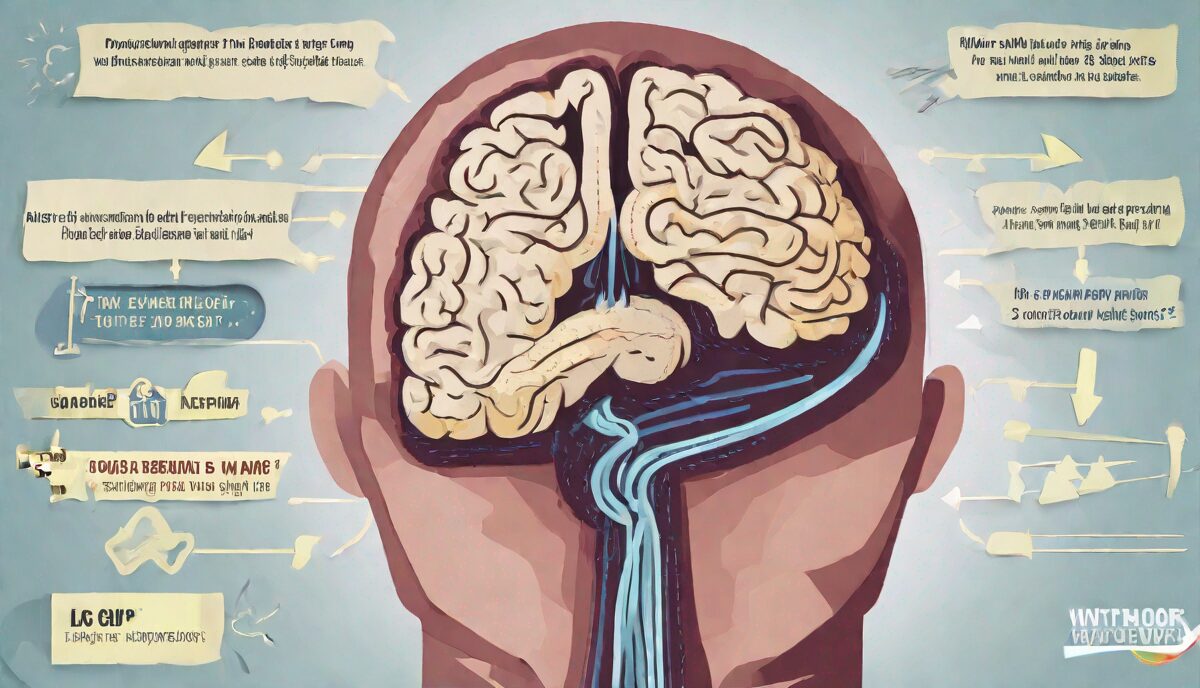
To master willpower, one must first understand the biological theater where the conflict occurs. Our brains are not monolithic entities but rather a collection of systems that often have competing agendas. The primary conflict resides between the prefrontal cortex (PFC) and the limbic system. The PFC, located right behind your forehead, is the brain’s “CEO.” It is responsible for executive functions, including long-term planning, impulse control, and the alignment of actions with internal goals. When you decide to save money for a house rather than buying an expensive gadget, your PFC is in the driver’s seat.
Conversely, the limbic system—specifically the amygdala and the ventral striatum—is an evolutionarily older part of the brain focused on immediate survival and gratification. It responds to rewards like sugar, social validation, and physical comfort. This “hot” system operates quickly and instinctively, while the PFC’s “cool” system is slower and requires more metabolic energy. Willpower, in a neurological sense, is the PFC’s ability to exert top-down inhibition over the limbic system’s bottom-up impulses.
A critical edge case in this biological tug-of-war is the impact of sleep deprivation. When we are tired, the functional connectivity between the PFC and the amygdala weakens. This means the “CEO” is essentially on a lunch break while the impulsive centers are running the office. Research indicates that even a single night of poor sleep can significantly reduce the PFC’s ability to regulate cravings, explaining why we are more likely to reach for junk food or lose our temper when exhausted. To train the brain, one must prioritize physiological maintenance; without adequate sleep, the neural architecture required for willpower is fundamentally compromised.
Overcoming Decision Fatigue: Managing Your Cognitive Energy Reservoir
While the existing advice to “remove temptations” is useful, it is equally important to understand why we succumb to them more easily at certain times of the day. This phenomenon is known as decision fatigue. Every choice we make—from what to wear in the morning to how to phrase an email—consumes a small amount of our finite cognitive resources. As the day progresses, our “executive stamina” wanes, and we default to the path of least resistance, which is usually the impulsive or habitual choice rather than the disciplined one.
Consider the famous study of Israeli parole judges, which found that prisoners were significantly more likely to be granted parole in the morning or immediately after a meal break. As the judges became fatigued by hours of decision-making, they defaulted to the “safe” choice of denying parole. This suggests that willpower is not just a character trait but a fluctuating resource influenced by cognitive load. To manage this, high-stakes decisions should be front-loaded to the beginning of the day when the prefrontal cortex is freshest.
Another strategy to combat decision fatigue is the use of “pre-commitment devices.” This involves making a decision in the present that restricts your options in the future. For example, if you struggle with late-night snacking, using a kitchen safe with a timer or simply not buying the snacks during your morning grocery run (when willpower is high) prevents the need for a willpower-draining decision at 10:00 PM. By automating the mundane, you preserve your cognitive energy for the challenges that truly require conscious deliberation.
Implementation Intentions: The Power of “If-Then” Planning
Vague goals like “I will be more disciplined” often fail because they provide no roadmap for the brain when temptation strikes. Psychologists call this the “intention-behavior gap.” To bridge this gap, researchers like Peter Gollwitzer suggest using “implementation intentions,” more commonly known as “if-then” planning. This technique shifts the burden of self-control from conscious effort to an automated response triggered by environmental cues.
The structure is simple: “If [situation X] occurs, then I will [action Y].” For instance, instead of saying “I will eat healthier at the party,” an implementation intention would be: “If the server offers me a dessert tray, then I will ask for a black coffee.” This mental rehearsal creates a neural link between the situational cue and the desired response. When the situation arises, the brain doesn’t have to deliberate; it simply executes the pre-planned program. This bypasses the need for active willpower, as the behavior becomes semi-automatic.
Edge cases for this strategy include high-stress environments where the brain’s processing power is diverted. In these moments, if-then plans act as a safety net. However, for these plans to be effective, they must be highly specific. A plan like “If I feel stressed, I will do something healthy” is too ambiguous. A better version would be: “If I feel my heart rate rise due to work stress, I will perform three minutes of box breathing.” The specificity allows the brain to recognize the trigger instantly, making the desired behavior the new default path.
The Identity Shift: Moving from Effortful Control to Ego-Alignment
One of the most profound ways to reduce the strain on your willpower is to change how you perceive yourself. Most people approach willpower from a perspective of deprivation: “I am someone who wants a cigarette but is forcing myself not to have one.” This creates a constant internal conflict that eventually wears down your resolve. A more sustainable approach involves an identity shift, where the desired behavior becomes a reflection of who you are, rather than something you are forced to do.
Research into “identity-based habits” suggests that when a behavior is tied to one’s self-concept, it requires significantly less willpower. For example, a study compared people who said “I can’t eat that” versus those who said “I don’t eat that.” The “don’t” group was much more successful at resisting temptation because they were asserting a stable identity rather than a temporary restriction. “I can’t” implies an external rule is being imposed, which the brain naturally wants to rebel against. “I don’t” implies an internal boundary that is part of your character.
To implement this, start by asking: “What would a healthy person do in this situation?” or “What would a productive writer do?” By framing the choice as an expression of identity, you remove the sense of loss. You aren’t “giving up” a sugary snack; you are simply acting in alignment with your identity as someone who values physical vitality. This shift moves self-control from the realm of painful sacrifice to the realm of self-expression, which is far more psychologically rewarding and sustainable over the long term.
Navigating the “What-The-Hell” Effect and Emotional Regulation
A major obstacle to long-term willpower is a psychological cycle known as the “What-the-Hell Effect.” This occurs when a small slip-up—like eating one cookie when you’re on a diet—leads to a total abandonment of the goal for the rest of the day. The logic (or lack thereof) is: “I’ve already ruined my diet, so I might as well eat the whole box.” This phenomenon is driven by the guilt and shame associated with the initial failure, rather than the failure itself.
When we feel bad about ourselves, our limbic system seeks immediate comfort to soothe the negative emotions. Ironically, the most common way we soothe ourselves is through the very behavior we are trying to avoid (eating, shopping, or procrastinating). This creates a vicious cycle where the lapse causes guilt, and the guilt causes further lapses. To break this, we must decouple the behavior from our self-worth. This is where the self-compassion mentioned earlier becomes a practical tool for data collection rather than just “being nice.””
Instead of viewing a setback as a moral failure, view it as a “lapse in the system.” Analyze the environmental or emotional triggers that led to the slip-up. Were you lonely? Bored? Hungry? By treating the setback as an experiment, you engage the analytical prefrontal cortex and disengage the emotional limbic system. This prevents the emotional spiral that leads to a total collapse of willpower. The goal is not to be perfect, but to shorten the recovery time between a lapse and a return to the desired behavior.
Environmental Architecture and Social Synchrony
While willpower is often discussed as an internal trait, it is heavily influenced by the “architecture” of our surroundings and the people we associate with. The concept of “choice architecture” suggests that we can nudge ourselves toward better decisions by subtly altering our environment. This goes beyond just removing junk food. It involves making the “good” choice the easiest choice. If you want to exercise in the morning, placing your gym shoes on top of your phone makes the desired behavior the path of least resistance.
Furthermore, willpower is socially contagious. Studies by researchers like Nicholas Christakis and James Fowler have shown that behaviors like smoking cessation, weight loss, and even happiness spread through social networks. If your close friends are highly disciplined, you are more likely to be disciplined yourself. This is partly due to “social modeling” and partly due to the brain’s mirror neuron system, which subtly mimics the behaviors and attitudes of those around us.
An interesting edge case here is the “license to sin” effect within social groups. If you are in a group where everyone is indulging, your brain may interpret this as permission to lower its own standards of self-control. To counter this, it is helpful to find a “willpower partner” or a community that shares your long-term goals. By aligning your social environment with your personal objectives, you create an external support structure that carries you when your internal motivation is low. You essentially outsource a portion of your willpower to your environment, making success a byproduct of your surroundings rather than a constant uphill battle.
The Role of Dopamine and the Reward Prediction Error
To truly train the brain, we must understand the role of dopamine, the neurotransmitter of desire. Contrary to popular belief, dopamine is not about pleasure; it is about the *anticipation* of pleasure. It is the “craving” chemical that drives us to act. When the brain expects a reward, it releases dopamine, which creates a sense of urgency. This is why the notification sound on your phone or the smell of a bakery can trigger an almost irresistible urge to check your messages or buy a pastry.
A key concept here is the “Reward Prediction Error.” If you expect a reward and don’t get it, your dopamine levels drop below baseline, which feels like a craving or a sense of disappointment. If you get a reward you didn’t expect, you get a massive spike. Willpower can be enhanced by “hijacking” this system through a process called “temptation bundling.” This involves pairing a behavior that requires willpower (like running on a treadmill) with a high-dopamine activity (like watching your favorite Netflix show). By bundling the two, the brain begins to associate the effortful task with the dopamine-rich reward, eventually reducing the resistance to the task itself.
FAQ
What exactly is willpower?Willpower is the ability to control our impulses and desires to achieve meaningful long-term goals instead of short-term pleasures. It allows us to override temptations and remain focused.How can I strengthen my willpower?Start small by setting achievable goals so you can experience success. Remove temptations in your environment that lead to willpower fatigue. Build habits through repetition until behaviors become automatic.Why is self-compassion important? Being compassionate with ourselves when we make mistakes or struggle builds resilience. It’s key for personal growth and overcoming setbacks on our path. What happens when we lose control?It’s completely normal and part of being human! Reflect on what led to the situation compassionately. Consider what you can change going forward. Then move on having learned.How can I motivate myself to keep trying? Focus on the reasons your goal matters to you. Celebrate small wins and milestones. Talk to yourself with kindness and encouragement. Enlist friends to support you. Consistency compounds over time!
Related posts:
 The Neuroscience of Gratitude and How It Changes You
 Self Discipline
 Scientists Reveal How to Literally Rewire Your Brain for Happiness
 Three Scientific Reasons to Become a Morning Person
 The Psychology of Resistance: Why We Fight Change and How to Embrace It
 Self-Control Theory in Psychology
 Brain-Boosting Foods
 What is Self-Control? +95 Skills and Techniques to Develop It