Why Menstrual Pads Are Gaining Popularity Again
Health awareness has risen sharply in the past decade. Many consumers now read ingredient lists on personal care products the same way they read food labels. Conventional disposable pads often contain synthetic fragrances, chlorine bleaching by‑products, and super‑absorbent polymers that can irritate sensitive skin. Reusable and newer disposable pads made from certified organic cotton or bamboo eliminate many of those additives, offering a gentler experience for people prone to rashes or allergic reactions.
Cultural conversations around menstruation have also shifted. Social media platforms host open dialogues about period poverty, body positivity, and gender‑inclusive language. Influencers and educators showcase cloth pads in everyday settings, normalising their presence in bathrooms and gym bags. This visibility reduces stigma and encourages trial among users who previously considered pads outdated or inconvenient.
Manufacturers have responded with a broader product spectrum. Thin ultra‑light liners, contoured overnight pads, and modular systems with interchangeable inserts give users a toolkit rather than a single one‑size‑fits‑all solution. The variety means that a person can match a pad to a specific activity, flow intensity, or aesthetic preference without compromising performance.
Materials and Design Innovations
Organic cotton remains the gold standard for breathability and softness. Grown without synthetic pesticides, it reduces the risk of residue transfer to the skin. Bamboo viscose offers a silky feel and natural antimicrobial properties, while hemp blends provide durability and a lower water footprint during cultivation. Some brands combine these fibers in layered constructions that optimise absorption and quick‑dry performance.
Core technology has moved beyond simple cellulose fluff. Multi‑layer cores now incorporate a distribution layer that spreads fluid evenly, a super‑absorbent polymer derived from plant starches, and a moisture‑locking barrier that prevents back‑flow. Wings are engineered with flexible elastic that conforms to underwear contours, reducing bunching and leak pathways. Edge sealing techniques such as ultrasonic bonding create smooth seams that minimise friction.
Thinness is no longer synonymous with low capacity. Advances in fiber density allow a pad measuring three millimetres thick to hold up to ten millilitres of fluid, rivaling many thicker disposables. This breakthrough appeals to users who value discretion under fitted clothing or athletic wear.
Environmental Impact Compared to Disposables
A single conventional disposable pad can take up to five hundred years to decompose in landfill, releasing microplastics and methane as it breaks down. By contrast, a reusable cloth pad made from organic cotton can replace an estimated two hundred disposables over its lifespan, dramatically cutting waste volume. Life‑cycle analyses show that the carbon footprint per cycle drops by roughly seventy percent when a pad is washed in cold water and line‑dried.
Water usage is a common concern. Producing one kilogram of conventional cotton consumes about ten thousand litres of water, whereas organic cotton uses roughly half that amount thanks to rain‑fed farming practices. Bamboo and hemp require even less irrigation. When the pad is cared for with efficient washing machines and eco‑friendly detergents, the overall water impact remains lower than the cumulative manufacturing of disposables.
Packaging also matters. Many modern pad brands ship in recycled cardboard boxes with minimal plastic wrapping. Some offer take‑back programs where worn pads are returned for industrial composting or fiber recycling, closing the loop further. Choosing brands that disclose their supply‑chain metrics empowers consumers to align purchases with personal sustainability goals.
Cost Considerations Over Time
The upfront price of a quality reusable pad set ranges from twenty to forty dollars, depending on size and material. While this exceeds the cost of a single pack of disposables, the per‑cycle expense quickly inverts. A typical user spends about five dollars per month on disposables, totalling sixty dollars annually. A well‑maintained cloth pad set can last three to five years, bringing the average yearly cost down to eight to twelve dollars.
Budget‑friendly options exist for those who cannot invest in a full set at once. Starter kits with three to five pads allow gradual transition. Bulk purchasing of organic cotton inserts reduces unit cost, and many community cooperatives offer sliding‑scale pricing. Calculating personal savings is straightforward: track monthly disposable spend for three months, then compare to the projected lifespan cost of a reusable system.
Hidden costs such as stain‑removal products or specialised detergents are minimal. A simple soak in cold water with a pinch of baking soda followed by a regular wash cycle removes most residues. Avoiding fabric softeners preserves absorbency and extends pad life, eliminating the need for extra purchases.
How to Choose the Right Pad for Your Flow
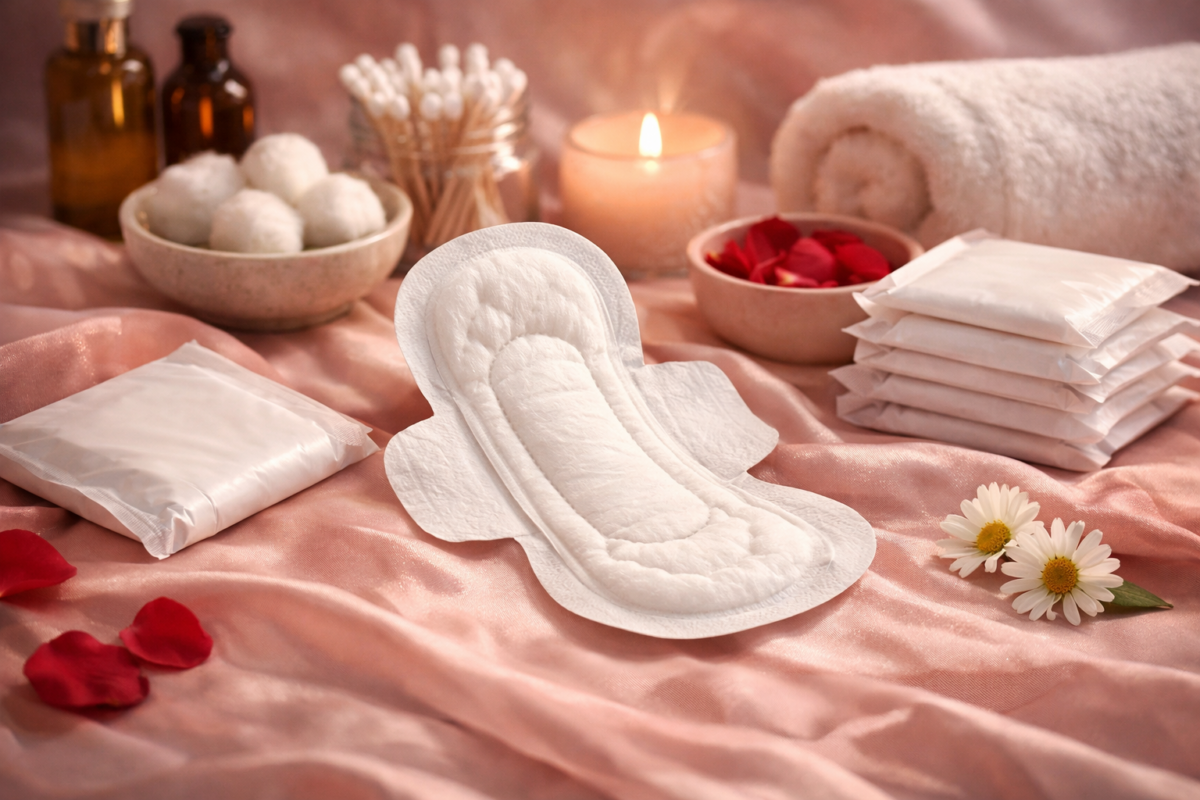
Absorbency ratings are usually labelled as light, regular, heavy, and overnight. Light pads suit spotting or the first and last days of a cycle. Regular pads handle average daytime flow for most users. Heavy pads feature a wider core and longer length, ideal for the first two days of a strong period. Overnight pads extend further back and often include a higher‑capacity core to prevent leaks while sleeping.
Consider the shape that matches your underwear style. Contoured pads with a tapered front and wider rear fit briefs and boy‑shorts comfortably. Straight rectangular pads work well with high‑waisted or period‑specific underwear that includes a built‑in pocket. Some brands offer modular inserts that snap into a reusable shell, letting you adjust thickness without changing the whole pad.
Trial packs are an efficient way to discover personal preference. Many online retailers sell sampler bundles containing one of each absorbency level. Use a period tracking app to note flow intensity each day, then match the pad that kept you dry and comfortable. Over a few cycles you will build a personalised pad wardrobe that covers every scenario.
Navigating Public Restrooms and Travel with Reusable Pads
Managing reusable pads away from home requires a small kit and a routine that fits into busy schedules. A waterproof wet bag with two compartments—one for clean pads, one for used—keeps everything contained and odor-free. Look for bags made from PUL (polyurethane laminate) or recycled polyester with a zippered closure; a medium size holds four to six folded pads and slips into a backpack, tote, or glove compartment. When changing in a public stall, remove the used pad, fold it so the soiled side faces inward, and place it directly into the wet bag. If a sink is inside the stall, a quick cold-water rinse reduces staining before storage; otherwise, wait until you reach a private bathroom or your lodging.
Air travel adds security screening considerations. Pack clean pads in a carry-on organizer so they stay visible and accessible; TSA agents may ask to inspect them, but they are not restricted. For long flights, bring a spare pair of underwear and a travel-size bottle of fragrance-free soap for a mid-journey refresh in the airplane lavatory. International travelers should research local laundry facilities—many hostels and Airbnb hosts allow machine use, while some cultures prefer hand-washing. A universal sink stopper and a small packet of detergent sheets (solid, not liquid) make hand-washing feasible anywhere. In regions where menstruation carries stigma, discreet wet bags that resemble cosmetic pouches help maintain privacy.
Edge case: festival camping with no running water. Carry a collapsible bucket, biodegradable soap, and a portable clothesline. Rinse pads in the bucket, wring thoroughly, and hang to dry in sunlight—UV exposure adds a natural antimicrobial boost. If drying time is limited, layer a clean pad over a slightly damp one; the body heat will finish the job. Always pack out used pads in a sealed container if no disposal or composting option exists, adhering to Leave No Trace principles.
Supporting Vaginal Health: Microbiome, pH, and Toxic Shock Considerations
Reusable pads sit externally, which eliminates the micro-tears and fiber shedding associated with internal products, but they still interact with the vulvar microbiome. The vulva maintains a slightly acidic pH (3.8–4.5) that discourages pathogenic overgrowth. Synthetic fragrances, harsh detergents, and prolonged moisture can disrupt this balance, leading to bacterial vaginosis or yeast overgrowth. Choose pads dyed with low-impact, fiber-reactive dyes certified by GOTS or OEKO-TEX Standard 100; these avoid azo compounds that may leach in warm, humid conditions.
Change pads every four to six hours during active flow, even if they don’t feel saturated. Stagnant menstrual fluid raises local pH and creates a nutrient-rich environment for anaerobes. For overnight use, a high-capacity pad with a stay-dry top layer (often a polyester fleece or athletic wicking fabric) pulls moisture away from skin, reducing maceration. If you experience recurrent irritation, trial a 100% undyed organic cotton top layer for two cycles and track symptoms in a period app.
Toxic Shock Syndrome (TSS) is rare with external products because Staphylococcus aureus requires an internal, oxygen-poor niche to produce TSST-1 toxin. However, leaving any blood-soaked material against skin for extended periods—especially with abrasions from shaving or friction—can theoretically support localized infection. Wash hands before and after changes, and avoid using pads on broken skin. If you develop sudden fever, rash resembling sunburn, or hypotension during menstruation, seek medical care immediately and mention pad use; clinicians may not associate TSS with external products.
Edge case: copper IUD users often experience heavier, longer bleeding with clots. Thick clots can sit on the pad surface, creating pockets of trapped fluid. A pad with a channeled or quilted distribution layer breaks up clots and spreads fluid evenly, minimizing pooling. Pair with a peri-bottle for gentle cleansing after each change to reduce residual blood on the vulva.
Adapting Pads for Disabilities, Chronic Illness, and Limited Mobility
People with reduced hand dexterity, arthritis, tremor, or limited reach benefit from design modifications that standard marketing rarely highlights. Magnetic or hook-and-loop wing closures replace snaps, allowing one-handed fastening. Wide, tab-style wings that extend beyond the underwear gusset provide a larger target for alignment. Some brands offer “easy-grip” tabs—silicone-coated loops that can be pinched with minimal force.
For wheelchair users, pressure mapping matters. Prolonged sitting compresses the pad against the perineum, potentially reducing absorption and increasing heat. A pad with a firmer, open-cell foam core resists bottoming out, while a breathable bottom layer (laminated cotton or wool felt) allows airflow. Position the pad slightly forward if catheter tubing or leg bags occupy rear real estate. Schedule changes during natural position shifts—transfers, pressure relief lifts—to minimize extra maneuvers.
Chronic fatigue syndrome, fibromyalgia, or long COVID can make laundry feel insurmountable. Build a “low-spoon” protocol: keep a lidded bucket with a mesh laundry bag inside the bathroom. Toss used pads directly into the bag; when full, zip it and drop the entire bag into the washing machine—no sorting, no handling wet fabric. Use a detergent pod and a sanitize cycle (60 °C) if fabric allows; otherwise, add a laundry sanitizer approved for delicates. Line-dry on a rack positioned over a heat vent or dehumidifier to accelerate drying without ironing.
Visual impairment considerations: high-contrast stitching (dark thread on light fabric or vice versa) helps distinguish front from back by touch. Tactile markers—a single raised dot on the front wing, two on the rear—allow orientation without sight. Some users sew a small loop of contrasting ribbon onto the front edge as a finger guide.
Postpartum, Perimenopause, and Irregular Flow Management
Postpartum lochia differs from menstrual blood in volume, consistency, and duration. The first 48–72 hours can require pad changes every 60–90 minutes. Stock a “hospital bag” with 12–15 heavy overnight pads (minimum 35 cm length, 150 mL capacity) and 6–8 disposable mesh underwear that stretch over the pad wings, preventing shift during sleep. Once flow tapers to moderate, transition to regular reusable pads; the same stash serves the return of menses at 6–10 weeks postpartum.
Perimenopause brings unpredictable flooding—sudden gushes of 80–100 mL within minutes. A modular system shines here: a base pad with a pocketed gusset accepts booster inserts that can be swapped mid-day without removing the entire pad. Keep a “flood kit” in your desk or car: two boosters, a spare base pad, a wet bag, and a change of underwear. Track episodes in a symptom journal; clinicians use this data to distinguish perimenopausal irregularity from fibroids, adenomyosis, or coagulation disorders.
Irregular cycles from PCOS, thyroid dysfunction, or medication changes mean you may not know when flow starts. Wear a thin liner (1–2 mm, 5 mL capacity) daily as a sentinel; it catches the first drops and buys time to insert a heavier pad. Liners with a waterproof breathable backsheet prevent the “damp underwear” sensation that triggers unnecessary changes. For spotting that persists weeks, rotate between two liner sets to allow full drying between uses, reducing fungal risk.
Edge case: postpartum hemorrhage after discharge. If you saturate a heavy pad in under 30 minutes, pass clots larger than a lemon, or feel dizzy, call emergency services—do not attempt to manage with additional pads. Reusable pads are not designed for acute hemorrhage volumes.
Active Lifestyles: Sports, Swimming, and High-Movement Activities
Conventional wisdom says pads and swimming don’t mix, but specialized designs challenge that. Swim-specific pads use a hydrophobic top layer (often recycled nylon with a DWR finish) that repels pool water while absorbing menstrual fluid. They lack wings; instead, they adhere via medical-grade silicone strips to the gusset of period-proof swimwear or tight-fitting board shorts. Test fit in a bathtub before a meet: sit, squat, and simulate flip turns to confirm adhesion.
High-impact sports—running, CrossFit, martial arts—generate shear forces that shift pads laterally. A contoured pad with a wide, flared rear and a tapered front follows the gluteal crease, staying centered. Compression shorts with a built-in pad pocket (sold by several athletic brands) lock the pad in place. For activities with frequent lunging or split positions, add a second pad perpendicular to the first (a “T” configuration) to cover the extended gusset area.
Chafing prevention: apply a thin layer of zinc oxide barrier cream or a silicone-based anti-chafe balm to the inner thighs and labial folds before activity. Avoid petroleum jelly—it degrades elastic and waterproof layers. Post-activity, rinse the pad immediately; sweat salts accelerate fiber breakdown. A dedicated “sport” pad rotation (three to four pads) extends the life of your everyday set.
Edge case: multi-day backpacking with limited water. Use a “dry wipe” method—shake clots into a cathole, wipe the pad surface with a biodegradable wipe, then store in a zip-lock bag with a desiccant packet. At the next water source, do a full rinse. This reduces water carry weight while maintaining hygiene.
Transitioning from Tampons, Cups, or Discs: What to Expect
Switching from internal to external protection involves a sensory recalibration. Tampon and cup users often describe the first pad cycle as “feeling wet” because they’re accustomed to fluid being contained internally. This sensation fades within two to three cycles as the brain updates its interoceptive map. Start on a light-flow day or a weekend at home. Pair a regular pad with period underwear as backup; the psychological safety net reduces hypervigilance about leaks.
Cup and disc users may miss the “set and forget” convenience of 12-hour wear. Build a pad-changing ritual tied to existing habits: after morning coffee, before lunch, after work, before bed. Set phone reminders for the first week. Track saturation visually—many pads have a faint quilting pattern that darkens when full—so you learn your personal change interval without guessing.
Pelvic floor tone affects pad stability. If you’ve relied on a cup’s suction to stay leak-free, you might notice more shifting with pads during coughing, sneezing, or heavy lifting. Kegel exercises (three sets of 10-second holds daily) improve perineal support, but a well-fitted pad with grippy wings compensates immediately. Some users wear a snug boy-short style underwear over the pad for added compression.
Edge case: IUD strings. Tampon removal can dislodge strings; pads eliminate this risk. However, if strings are long, they may protrude onto the pad surface and cause tickling. Ask your provider to trim strings flush with the cervical os during your next check-up. Until then, a pad with a soft, fleece top layer cushions the sensation.
Community Resources, Period Poverty Initiatives, and DIY Options
Access to reusable pads remains uneven. Nonprofits like Days for Girls, The Pad Project, and local Period Supply Banks distribute kits containing shields, liners, wet bags, and pictorial instructions in over 100 countries. Many operate “pad libraries” where users borrow a starter set, return it after three cycles for sanitization, and receive a fresh kit—reducing upfront cost to zero. Search “menstrual equity” + your city to find drop-off points for donations or volunteer sewing circles.
DIY pads are viable if you have basic sewing skills and access to fabric remnants. A simple pattern: cut two 25 cm × 18 cm rectangles of organic cotton flannel (top), one 25 cm × 18 cm rectangle of Zorb 3D dimpled fabric or four layers of cotton terry (core), and one 25 cm × 18 cm rectangle of PUL or wool felt (backing). Sew perimeter with a 1 cm seam allowance, leaving a 5 cm gap for turning. Topstitch 3 mm from edge, adding two snap sets for wings. Cost per pad: $1.50–$3.00. Test absorbency by pouring 30 mL water onto the center; it should wick within 10 seconds with no pooling.
Upcycling extends pad life beyond absorbency loss. Retired pads become makeup remover rounds, dusting cloths, or pet bedding liners. The PUL backing can be repurposed into wet bag liners or snack pouches. Some textile recycling programs accept cotton-rich pads; check with local waste authorities for “textiles” drop-off bins—remove snaps first.
Edge case: disaster relief shelters. Donations of reusable pads require accompanying laundry infrastructure. Coordinate with shelter managers to provide a dedicated wash station (portable washer, solar dryer, detergent) and a privacy screen. Without these, disposables remain the pragmatic choice. Advocacy tip: include reusable pad kits in municipal emergency preparedness budgets alongside water and food stores.
Care and Maintenance Tips for Longevity
Rinse used pads in cold water as soon as possible to prevent staining. A quick hand‑rinse under the tap removes the bulk of fluid and reduces the load on the washing machine. If immediate rinsing isn’t feasible, store the pad in a wet‑bag made of breathable mesh until laundry day.
Machine wash on a gentle cycle at thirty to forty degrees Celsius with a mild, fragrance‑free detergent. Avoid bleach, fabric softener, and dryer sheets, as they coat fibers and diminish absorbency. Adding