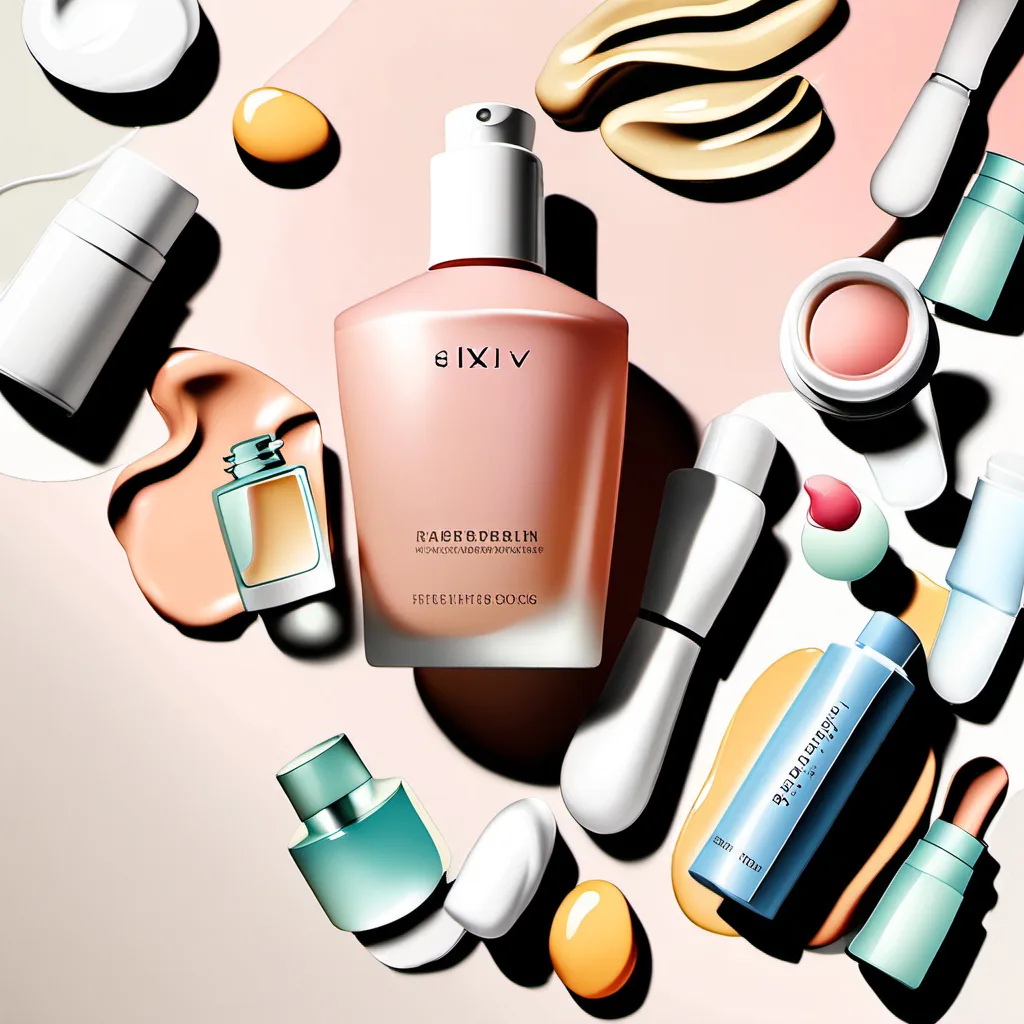
We live in an era where self-care has become synonymous with a ten-step skincare routine. We meticulously apply serums, essences, and creams, hoping to achieve that elusive glow. However, beneath the beautiful packaging and the soothing scents lies a complex and often unregulated world of chemistry. While the beauty industry is worth billions, the legislation governing what actually goes into your bottles has remained largely unchanged for decades in many parts of the world. This regulatory lag has created a landscape where marketing terms like “natural,” “clean,” and “dermatologist-tested” carry more weight with consumers than the actual safety profiles of the ingredients themselves.
Understanding what is really in your skincare isn’t about fear-mongering; it’s about empowerment. It is about moving past the glossy advertisements and learning to read the International Nomenclature of Cosmetic Ingredients (INCI) list like a map. When you know what to look for, you can make informed decisions that protect your skin barrier, your hormonal health, and the environment. This article pulls back the curtain on the sketchy truths of the beauty industry, providing you with the tools to navigate the aisles with confidence and clarity.
Decoding the INCI List: The Hierarchy of Ingredients
The first step in uncovering the truth about your skincare is understanding the ingredient label, known as the INCI list. By law, manufacturers must list ingredients in descending order of concentration. This means the first five to seven ingredients usually make up about 80% to 90% of the product. If you are buying a “Vitamin C serum” but Vitamin C (Ascorbic Acid) is the very last ingredient on a list of thirty, you are likely paying for an expensive bottle of water and glycerin with a dusting of active ingredients.
However, there is a catch: the “one percent rule.” Ingredients present at a concentration of less than 1% can be listed in any order at the end of the list. This is where many brands hide their “hero” ingredients—those exotic botanical extracts or high-tech peptides that they feature in their marketing. They include just enough to claim the ingredient is present, but not enough to provide any physiological benefit to the skin. This practice, often called “angel dusting,” is a common way for brands to increase the perceived value of a product without increasing the production cost.
To navigate this, look for active ingredients in the top half of the list. If you are looking for a moisturizer for dry skin, you want to see emollients like shea butter, ceramides, or squalane early on. If you see water, alcohol denat, and fragrance as the primary components, that product may actually be dehydrating your skin in the long run, regardless of what the front of the bottle promises.
The Fragrance Loophole: A Chemical Black Box
Perhaps the most concerning aspect of skincare labeling is the term “Fragrance” or “Parfum.” Under current trade secret laws, companies are not required to disclose the specific chemicals that make up their signature scents. A single listing of “fragrance” can represent a cocktail of dozens, or even hundreds, of undisclosed synthetic chemicals. This lack of transparency is a significant issue for individuals with sensitive skin or allergies, as fragrance is the leading cause of contact dermatitis in cosmetic products.
Beyond simple irritation, the fragrance loophole often hides phthalates. Phthalates are a group of chemicals used to make scents last longer on the skin. Research has linked certain phthalates to endocrine disruption, meaning they can interfere with the body’s hormonal signaling. Because they are part of the “secret formula,” they won’t appear on the label, making them impossible for the average consumer to avoid unless the brand specifically states they are “phthalate-free.”
When choosing products, especially those that stay on your skin all day like lotions or serums, opting for fragrance-free versions is the safest bet. Note that “unscented” is not the same as “fragrance-free.” Unscented products may still contain masking fragrances used to cover up the unpleasant smell of other raw ingredients. Look for products that explicitly state they contain no added fragrance or those that use essential oils (though these can also be sensitizing for some) where the specific oil is clearly listed.
Preservatives: The Necessary Evil and the Paraben Debate
No one wants mold or bacteria growing in their face cream. Preservatives are essential for any product that contains water, as water is the perfect breeding ground for microbial growth. However, the types of preservatives used are a major point of contention in the industry. For years, parabens (like methylparaben and propylparaben) were the gold standard because they are incredibly effective and inexpensive. However, studies finding parabens in breast cancer tissue sparked a massive movement away from them.
While the actual risk of parabens at the low concentrations found in skincare is still debated by toxicologists, the industry has largely shifted to “paraben-free” formulations. The sketchy truth, however, is what replaced them. Many brands swapped parabens for methylisothiazolinone (MIT) or methylchloroisothiazolinone (CMIT), which turned out to be much more potent allergens, leading to an “epidemic” of skin sensitivities. Others use phenoxyethanol, which is generally considered safer but can still be irritating in high concentrations.
The lesson here is that “paraben-free” doesn’t automatically mean “safe” or “gentle.” It simply means the manufacturer used a different chemical to prevent spoilage. When evaluating preservatives, look for those that have a long history of safe use or are approved by organic certifying bodies, such as potassium sorbate or sodium benzoate, and always patch-test new products to see how your unique skin reacts to the preservative system.
Surfactants and Sulfates: The Cost of the Bubbles
We have been conditioned to associate foam with cleanliness. From shampoos to face washes, the richer the lather, the cleaner we feel. This sudsy experience is usually powered by surfactants, most commonly Sodium Lauryl Sulfate (SLS) and Sodium Laureth Sulfate (SLES). While these ingredients are effective at removing oil and dirt, they are often too effective. They can strip the skin of its natural lipids and disrupt the delicate acid mantle, which is the skin’s first line of defense against pathogens and environmental damage.
The sketchy reality of sulfates is that they are frequently used because they are incredibly cheap, not because they are good for the skin. SLS, in particular, is a known skin irritant used as a “positive control” in dermatological testing to intentionally induce irritation. For people with eczema, rosacea, or naturally dry skin, sulfates can exacerbate redness and flakiness. SLES is slightly gentler but carries the risk of contamination with 1,4-dioxane, a potential carcinogen, during the manufacturing process (ethoxylation).
Transitioning to sulfate-free cleansers can make a dramatic difference in skin health. Look for gentler surfactants like coco-glucoside, decyl glucoside, or sodium cocoyl isethionate. These provide a mild lather without compromising the integrity of your skin barrier. You might find they don’t produce a massive cloud of bubbles, but your skin will be significantly more hydrated and less reactive over time.
Silicones and Mineral Oils: Fillers or Functional?
Silicones (like dimethicone and cyclopentasiloxane) and mineral oils are ubiquitous in skincare. They provide that silky, luxurious feel and create a breathable barrier on the skin that prevents moisture loss (occlusion). From a toxicological standpoint, medical-grade silicones and highly refined mineral oils are generally safe and non-irritating. However, the controversy lies in their function and their environmental footprint.
Critics argue that these ingredients are “fillers”—cheap synthetic materials that provide a temporary cosmetic smoothing effect without actually nourishing the skin. While they make the skin feel soft immediately, they don’t offer the vitamins, fatty acids, or antioxidants found in plant-based oils like jojoba, argan, or rosehip. Furthermore, certain silicones are not biodegradable. When you wash your face, these chemicals enter the water system, where they can persist and bioaccumulate in aquatic life.
If you prefer a routine that is both high-performing and environmentally conscious, look for “bio-based” alternatives. Many modern formulations use plant-derived alkanes or hemisqualane to achieve that silicone-like slip without the ecological baggage. While mineral oil is excellent for extremely compromised skin (like a healing wound), for daily use, plant oils offer a more nutrient-dense profile that supports long-term skin health.
Greenwashing: The Marketing Maze of “Natural” Beauty
One of the sketchiest parts of the beauty industry is “greenwashing”—the practice of making a product appear more environmentally friendly or “natural” than it actually is. Because terms like “natural” and “clean” are not legally regulated by the FDA or the European Commission, a brand can put a picture of a leaf on the bottle and call a product “natural” even if it contains 95% synthetic chemicals and only a drop of chamomile extract.
Another common tactic is “free-from” labeling. A brand might proudly proclaim they are “formaldehyde-free.” While this sounds great, formaldehyde hasn’t been used as a direct ingredient in skincare for years; instead, certain preservatives (formaldehyde releasers) may slowly release it. By highlighting the absence of one controversial chemical, brands distract consumers from other potentially problematic ingredients in the formula. It’s a sleight of hand designed to build trust without necessarily improving the product’s safety profile.
To avoid falling for greenwashing, look for third-party certifications. Logos from organizations like Ecocert, COSMOS, or the Environmental Working Group (EWG Verified) mean the product has met specific, rigorous standards for ingredient safety and environmental impact. Don’t let the aesthetic of the packaging fool you; the truth is always in the fine print of the ingredient list, not the marketing claims on the front.
Endocrine Disruptors and the Cumulative Effect
One of the most complex issues in skincare safety is the concept of endocrine disruption. Certain chemicals, such as benzophenones (found in some sunscreens), parabens, and phthalates, are thought to mimic or interfere with the body’s hormones. While the amount of these chemicals in a single application of lotion is tiny, the concern is the “cumulative effect.”
The average person uses between 9 and 15 personal care products every day, from toothpaste to body wash to night cream. When you add up the small amounts of these chemicals from every product, used every day for decades, the total exposure becomes significant. This is especially concerning for vulnerable populations, such as pregnant women or developing children, whose hormonal systems are more sensitive to external interference.
The sketchy truth is that traditional safety testing often looks at ingredients in isolation, not how they interact with the dozens of other chemicals we apply simultaneously. To reduce your cumulative load, focus on the products you use in the largest quantities and those that stay on your skin the longest. Switching to a safer body lotion and daily face cream can eliminate the bulk of your exposure, even if you keep your favorite synthetic mascara or hairspray.
How to Transition to a Safer Skincare Routine
Feeling overwhelmed by the chemical complexity of your bathroom cabinet is normal. You don’t need to throw everything away and start from scratch today. Transitioning to a safer routine is more sustainable when done gradually. Start by replacing products as you finish them. This prevents waste and allows you to monitor how your skin reacts to new, cleaner formulations.
First, educate yourself using reliable tools. Apps like Think Dirty or the EWG’s Healthy Living app allow you to scan barcodes and see a safety rating for thousands of products. While these apps aren’t perfect, they provide a great starting point for identifying the most problematic ingredients in your current routine. Focus your initial efforts on “leave-on” products like moisturizers, serums, and sunscreens, as these have the most contact time with your skin and the highest potential for absorption.
Second, simplify your routine. The more products you use, the higher the chance of irritation and chemical exposure. A minimalist approach—cleanser, moisturizer, and SPF—is often better for your skin barrier and your wallet. Look for brands that prioritize transparency, list their full ingredient decks clearly on their websites, and explain why they choose specific ingredients. True “clean” beauty isn’t about being 100% chemical-free (everything is a chemical, including water); it’s about using the safest, most effective ingredients available with total transparency.
Actionable Guidance for the Conscious Consumer
To truly take control of your skincare, adopt these three habits. First, always read the back of the bottle, not the front. Ignore the claims of “clinical results” or “miracle extracts” and look at the INCI list. If you can’t find the ingredient list on the packaging or the brand’s website, consider that a major red flag. Transparency is a hallmark of a brand that has nothing to hide.
Second, learn the “Big Offenders” to avoid. Make a small list on your phone of ingredients you want to steer clear of, such as Parabens, Phthalates, SLS/SLES, Synthetic Fragrance, and Formaldehyde releasers (like DMDM hydantoin or Diazolidinyl urea). Having this list handy during your next trip to the beauty store will make the process much less daunting. Over time, you will start to recognize these names automatically.
Finally, support brands that are doing the work. Many smaller, independent brands are leading the way in sustainable and safe formulations. They often use high-quality, ethically sourced ingredients and prioritize eco-friendly packaging. By voting with your dollar, you send a message to the larger beauty conglomerates that consumers demand better standards, more transparency, and safer products. Your skin, and the planet, will thank you for the extra effort.
The Sunscreen Paradox: Chemical Filters and Hidden Instability
While sun protection is the most critical step in any skincare routine, the chemistry of UV filters is fraught with instability issues that rarely make it onto the marketing copy. Most consumers are aware of the divide between mineral (physical) and chemical sunscreens, but few understand the “photostability” of the ingredients they rely on. A common chemical filter, Avobenzone (Butyl Methoxydibenzoylmethane), is prized for its ability to absorb a wide range of UVA rays. However, Avobenzone is notoriously unstable; when exposed to sunlight, it can lose up to 36% of its effectiveness within just one hour of exposure. To counteract this, manufacturers must add stabilizers like Octocrylene or Bemotrizinol. The sketchy truth emerges when brands combine incompatible filters. For example, combining Avobenzone with uncoated Zinc Oxide or Octinoxate can actually accelerate the degradation of the UVA protection, leaving you vulnerable to sun damage despite having applied a high SPF product.
Furthermore, the global regulatory landscape for sunscreens is wildly inconsistent. In the European Union, manufacturers have access to nearly 30 UV filters, many of which are modern, large-molecule chemicals that offer superior stability and lower skin penetration. In the United States, the FDA has not approved a new UV filter in decades, leaving American consumers to rely on older chemicals like Oxybenzone and Avobenzone. Oxybenzone, in particular, has come under fire not only for its potential as an endocrine disruptor but also for its impact on marine ecosystems, specifically coral bleaching. When choosing a sunscreen, look for “photostable” on the label and, if possible, opt for newer European filters like Tinosorb S, Tinosorb M, or Uvinul A Plus, which provide broad-spectrum protection without the rapid degradation seen in older formulations.
The pH Trap: Why “Neutral” Isn’t Always Natural
The concept of pH balance is often treated as a buzzword, but its biological importance cannot be overstated. Human skin is naturally acidic, typically maintaining a pH between 4.5 and 5.5. This “acid mantle” is essential for the function of enzymes that synthesize skin lipids and for the maintenance of a healthy microbiome. The sketchy reality of many mass-market cleansers, especially traditional bar soaps, is that they have an incredibly high pH, often ranging from 8 to 10. When you use a high-pH product, you cause an “alkaline drift,” which can take the skin hours to recover from. During this recovery period, the skin’s barrier is compromised, making it more susceptible to moisture loss and the colonization of harmful bacteria like Staphylococcus aureus, which thrives in alkaline environments.
The danger of pH disruption extends to active ingredients as well. Many of the most popular skincare actives are pH-dependent. For instance, L-ascorbic acid (Vitamin C) requires a low pH (typically below 3.5) to effectively penetrate the skin. If a brand formulates a Vitamin C serum at a higher pH to make it less irritating, the product may be completely ineffective. Conversely, if a chemical exfoliant like Glycolic Acid is formulated at a pH that is too low without proper buffering, it can cause chemical burns. When shopping, look for brands that voluntarily disclose the pH of their products. A truly sophisticated brand understands that the efficacy of the formula is tied to its acidity, and they will ensure their cleansers are “pH-balanced” (meaning they match the skin’s 5.5) rather than just “neutral” (which is pH 7.0 and still too alkaline for the skin barrier).
Alcohol in Skincare: Distinguishing Ethanol from Fatty Alcohols
The word “alcohol” on an ingredient list often sends consumers running, but the truth is more nuanced. Skincare contains two very different categories of alcohol, and mistaking one for the other can lead to unnecessary product avoidance or unexpected irritation. The “bad” alcohols are simple alcohols like Alcohol Denat, Ethanol, Isopropyl Alcohol, and SD Alcohol. These are often used in toners and lightweight sunscreens to make the product dry quickly and feel weightless on the skin. While they are excellent solvent and penetration enhancers, they are also highly dehydrating. They dissolve the natural oils on the skin’s surface, leading to a compromised barrier and, ironically, more oil production as the skin tries to overcompensate for the dryness.
On the other end of the spectrum are fatty alcohols, such as Cetyl, Stearyl, and Cetearyl alcohol. These are derived from fats (often coconut or palm oil) and are actually beneficial for dry skin. They act as emollients and thickeners, helping to trap moisture and give creams a smooth, velvety texture. They are non-irritating and do not behave like the drying alcohols. The sketchy marketing tactic here involves brands claiming a product is “alcohol-free” while still containing fatty alcohols, or conversely, using high amounts of Alcohol Denat in an “anti-acne” product that ultimately causes more inflammation. Always check the specific name of the alcohol; if it’s a fatty alcohol near the middle of the list, it’s likely there to help your skin. If it’s a simple alcohol in the top three ingredients, it’s likely there to make the product feel “elegant” at the expense of your skin’s hydration.
The Packaging Problem: Leaching and Actives Degradation
Even the most perfectly formulated serum can become useless—or even toxic—due to poor packaging choices. The beauty industry is currently facing a dual challenge: the leaching of chemicals from plastic containers and the oxidation of sensitive active ingredients. Many skincare products are housed in low-grade plastics that can leach Bisphenol-A (BPA) or phthalates into the formula, especially if the product contains oils or is stored in a warm bathroom. These leached chemicals are known endocrine disruptors that can mimic hormones once absorbed through the skin. Glass is the gold standard for purity, but because it is heavy and breakable, many brands opt for plastic, often without testing the long-term interaction between the formula and the container.
Beyond leaching, the physical design of the packaging dictates how long the “actives” remain active. Ingredients like Vitamin C (L-ascorbic acid), Retinol, and many plant oils are highly sensitive to light and air. Every time you open a jar of cream, you expose the entire contents to oxygen and light, which triggers oxidation. You can tell a product has oxidized when it changes color (like a Vitamin C serum turning orange or brown) or develops a “play-doh” or sour smell (indicating rancid oils). Using oxidized products is not just ineffective; it can be pro-inflammatory, as oxidized lipids can generate free radicals on the skin. To ensure your products remain effective, prioritize airless pumps and opaque or amber glass bottles over open-mouthed jars and clear plastic tubes.
“Dermatologist-Tested” and Other Empty Marketing Claims
In the world of skincare marketing, certain phrases are designed to sound authoritative while having almost no legal definition. “Dermatologist-tested” is perhaps the most ubiquitous. This claim usually means that at least one dermatologist was involved in a study where the product was applied to a small group of people. However, it does not specify what the results were, how many people were in the test, or if the dermatologist actually recommended the product. A product could be “dermatologist-tested” and still cause a reaction in 20% of the participants; the claim only proves the test occurred, not that the product passed with flying colors.
Similarly, “clinically proven” often refers to internal brand studies rather than independent, peer-reviewed research. These studies are frequently small, lacking a control group, and use subjective measures like “80% of women felt their skin was brighter.” This is a consumer perception study, not a clinical measurement of skin physiology. Another sketchy term is “hypoallergenic.” There are no federal standards or definitions that govern the use of this term. A brand can label a product hypoallergenic simply because it lacks common allergens like fragrance, but it does not guarantee that you won’t have a reaction. To see through this haze, look for brands that publish their full clinical trial data, including the number of participants and the specific methods used (such as corneometry to measure hydration or cutometry to measure elasticity), rather than relying on vague adjectives.
Microplastics You Can’t See: The Liquid Polymer Problem
While the ban on exfoliating plastic microbeads was a significant win for the environment, a much larger and more insidious problem remains: liquid and gel-phase microplastics. These are synthetic polymers like Carbomer, Acrylates Copolymer, and various types of Polyethylene that are used as thickeners, film-formers, and texture enhancers. Because they are in liquid or semi-liquid form, they are not covered by most “microbead” bans, yet they are equally persistent in the environment. Every time you rinse off a gel cleanser or a high-shine hair serum containing these polymers, they enter the wastewater system. Because they are too small to be filtered out by treatment plants, they eventually reach the ocean, where they contribute to the global plastic crisis and enter the food chain.
The sketchy truth is that these polymers are often what give “clean” and “natural” products their luxurious feel. A brand might claim to be “plastic-free” because they use glass bottles, while the formula inside is packed with synthetic acrylates. These ingredients aren’t necessarily harmful to your skin—in fact, they are often quite inert and non-irritating—but their environmental cost is staggering. If you want to reduce your plastic footprint, you must look beyond the bottle. Look for biodegradable thickening agents like Xanthan Gum, Guar Gum, or Sclerotium Gum. While these may not provide the same ultra-clear, “cushiony” texture as synthetic polymers, they offer a truly sustainable alternative that doesn’t leave a permanent mark on the planet’s water systems.
The Stability Struggle: Why “Clean” Products Might Fail Faster
One of the unintended consequences of the “clean beauty” movement is the rise of products that spoil or become unstable long before the consumer finishes the bottle. By removing traditional, highly effective preservatives like parabens, some brands have struggled to keep their products shelf-stable. Natural oils and botanical extracts are prone to rancidity, a process where the fatty acids break down into malodorous and irritating byproducts. If a brand uses a “natural” preservative system (like grapefruit seed extract, which is often contaminated with synthetic preservatives anyway) that isn’t robust enough, the product can develop sub-clinical levels of mold or bacteria that aren’t visible to the naked eye but can cause breakouts or low-grade irritation.
Frequently Asked Questions
Is “natural” skincare always better for sensitive skin?
Not necessarily. Many “natural” ingredients can be highly irritating. Essential oils like bergamot, cinnamon, and peppermint are common allergens. Some people are also allergic to natural extracts like chamomile or soy. “Natural” does not mean “hypoallergenic.” If you have sensitive skin, look for products that are formulated specifically for sensitivity, regardless of whether the ingredients are synthetic or naturally derived, and always perform a patch test.
Are all synthetic ingredients bad for the skin?
Absolutely not. Many synthetic ingredients are safer and more stable than their natural counterparts. For example, synthetic Vitamin C can be formulated to be more shelf-stable and less irritating than some natural sources. High-quality synthetic humectants like hyaluronic acid (often produced via fermentation) are incredibly beneficial. The goal should be “safe and effective” rather than strictly “natural.”
Why doesn’t the government regulate these ingredients more strictly?
In the United States, the FDA does not have the authority to require cosmetic products or ingredients to have FDA approval before they go on the market, with the exception of color additives. The law relies on manufacturers to ensure the safety of their products. While the Modernization of Cosmetics Regulation Act (MoCRA) of 2022 has given the FDA more oversight, it is still a developing process. In contrast, the European Union has banned over 1,300 ingredients from cosmetics, compared to just a handful in the US.
Can ingredients really be absorbed into the bloodstream?
Yes, some ingredients can penetrate the skin barrier and enter the bloodstream, though the extent varies wildly depending on the molecule’s size and the formulation. This is the principle behind nicotine or estrogen patches. While the skin is an excellent barrier, it is not impermeable. This is why long-term exposure to potential endocrine disruptors in leave-on products is a valid concern for many researchers and dermatologists.
Does a higher price tag mean better ingredients?
Price is rarely a reliable indicator of ingredient quality or safety. Often, luxury skincare prices reflect expensive marketing campaigns, celebrity endorsements, and heavy glass packaging rather than the cost of the raw materials. Many affordable brands now offer high-quality, transparently formulated products. Conversely, some very expensive creams still rely on mineral oil, petrolatum, and heavy synthetic fragrances as their primary ingredients.
Related posts:
 Top Beauty Brands of 2019
 When To Splurge on Expensive Skincare
 Phlur Fragrance Is Redefining What Clean Perfume Can Be
 Why SCOBY Might Be the Secret Ingredient Your Skincare Routine Needs
 The Best Drugstore Body Products Worth Your Money
 A Beginner’s Guide to Reading Beauty Product Labels Like a Pro
 Foundation’s Impact on Skin
 Gemstones in Skincare