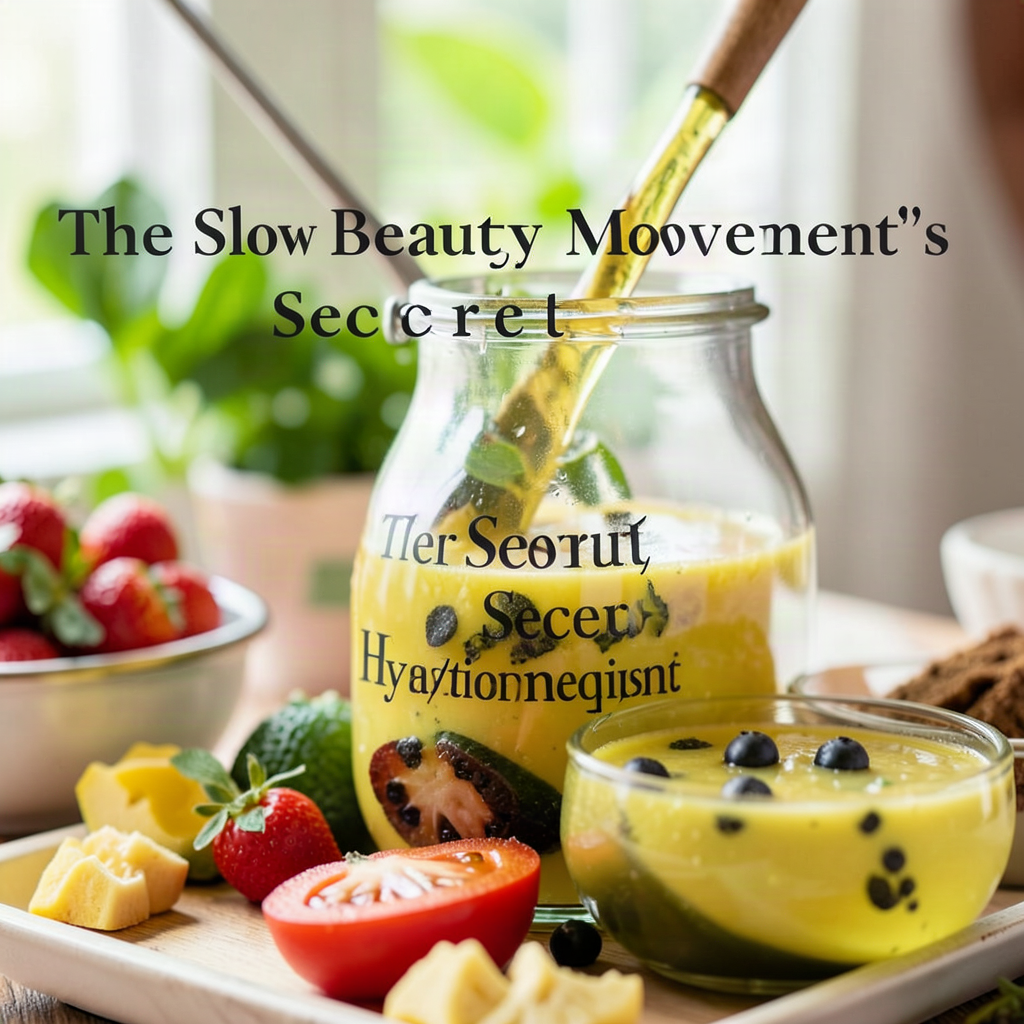
In a world obsessed with instant results and quick fixes, the Slow Beauty Movement invites us to pause, reconnect with nature, and nourish our skin with intention. Unlike mass-produced skincare packed with synthetic ingredients, slow beauty emphasizes mindful, sustainable rituals that prioritize long-term wellness over fleeting trends. At its heart, this philosophy celebrates hydration—not just as a surface-level fix, but as a holistic practice rooted in purity, patience, and plant-based wisdom.
True hydration begins from within, but the right topical treatments can amplify your skin’s natural moisture barrier. The recipes below harness the power of whole-food ingredients, time-honored herbal traditions, and minimal processing to deliver deep, lasting hydration. Whether you’re battling dryness, dullness, or sensitivity, these formulations offer a gentle yet effective alternative to commercial products laden with fillers or harsh chemicals.
Why Hydration Is the Foundation of Slow Beauty
Hydration is more than just drinking water—it’s about maintaining the skin’s delicate balance of oils and moisture to support elasticity, radiance, and resilience. When your skin’s barrier is compromised (due to environmental stressors, aging, or aggressive skincare), it loses its ability to retain water, leading to flakiness, tightness, or even excess oil production as a compensatory mechanism.
Slow beauty hydration focuses on humectants (like honey or glycerin, which draw moisture into the skin), emollients (such as plant oils, which soften and smooth), and occlusives (like beeswax or shea butter, which seal in moisture). By combining these elements in simple, handcrafted recipes, you can tailor your routine to your skin’s unique needs without overwhelming it.
The Principles of Slow Beauty Hydration
Before diving into the recipes, it’s essential to understand the core tenets that guide slow beauty practices:
- Seasonal Adaptation: Your skin’s needs shift with the weather. Lighter, water-based formulations work well in humid summers, while richer, oil-infused blends are ideal for dry winters.
- Local and Sustainable: Source ingredients from your environment when possible (e.g., local honey, homegrown herbs) to reduce your carbon footprint and support biodiversity.
- Minimalism: Fewer, high-quality ingredients often yield better results than complex, multi-step regimens.
- Patience: Slow beauty is a practice, not a quick fix. Allow 4–6 weeks to observe the full benefits of a new recipe.
- Ethical Sourcing: Choose organic, fair-trade, or wildcrafted ingredients to ensure purity and ethical production.
5 Hydrating Slow Beauty Recipes to Try at Home
1. Rose and Aloe Hydrating Toner
Best for: All skin types, especially sensitive or redness-prone skin.
Why it works: Rose water balances pH, soothes irritation, and delivers antioxidants, while aloe vera provides deep hydration and calms inflammation. Glycerin acts as a humectant to lock in moisture.
Ingredients:
- ½ cup rose hydrosol (or distilled rose water)
- ¼ cup pure aloe vera gel
- 1 tsp vegetable glycerin
- 3 drops lavender essential oil (optional, for extra soothing)
Instructions:
- Combine all ingredients in a clean glass bottle. Shake well to blend.
- Store in the refrigerator for up to 2 weeks.
- Apply with a cotton pad or spritz directly onto cleansed skin morning and night. Follow with a moisturizer.
Pro Tip: For a preservative-free version, make small batches and use within a week. If you have oily skin, reduce the glycerin to ½ tsp.
2. Honey and Oatmeal Moisture Mask
Best for: Dry, dehydrated, or eczema-prone skin.
Why it works: Raw honey is a natural humectant and antibacterial agent, while colloidal oatmeal (finely ground oats) forms a protective barrier and relieves itching. This mask is incredibly soothing for irritated or flaky skin.
Ingredients:
- 2 tbsp raw, unprocessed honey (manuka honey is ideal for extra healing)
- 1 tbsp finely ground oatmeal (blend rolled oats into a powder)
- 1 tsp plain yogurt (for lactic acid, which gently exfoliates)
- 1 tsp coconut oil (melted, optional for extra nourishment)
Instructions:
- Mix all ingredients in a bowl until smooth.
- Apply a thin layer to clean, damp skin. Leave on for 10–15 minutes.
- Rinse with lukewarm water and pat dry. Follow with a light moisturizer if needed.
Pro Tip: For acne-prone skin, skip the coconut oil and add 1 drop of tea tree essential oil to the honey for its purifying properties.
3. Avocado and Shea Butter Rich Cream
Best for: Mature, very dry, or combination skin.
Why it works: Avocado is packed with healthy fats and vitamin E, which deeply nourish the skin, while shea butter provides occlusive protection to prevent moisture loss. This cream is luxuriously thick but absorbs beautifully.
Ingredients:
- ½ ripe avocado (mashed)
- 2 tbsp unrefined shea butter (melted)
- 1 tbsp jojoba oil (balances sebum production)
- 1 tsp beeswax pellets (for texture)
- 5 drops frankincense essential oil (optional, for anti-aging benefits)
Instructions:
- Melt the shea butter and beeswax in a double boiler until fully liquid.
- Remove from heat and stir in the jojoba oil and essential oil (if using). Let cool slightly.
- Add the mashed avocado and whisk until smooth. The mixture will thicken as it cools.
- Transfer to a clean jar and store in the refrigerator for up to 1 week.
- Apply a pea-sized amount to damp skin morning or night.
Pro Tip: For a lighter texture, replace shea butter with cocoa butter and add 1 tsp of aloe vera gel.
4. Cucumber and Green Tea Cooling Gel
Best for: Oily, acne-prone, or inflamed skin.
Why it works: Cucumber is 95% water and rich in silica, which helps maintain skin elasticity, while green tea is packed with antioxidants that reduce redness and tighten pores. This gel is ultra-lightweight and perfect for hot climates or post-sun exposure.
Ingredients:
- ½ cup brewed green tea (cooled)
- ½ cup fresh cucumber juice (blend and strain cucumber)
- 1 tbsp aloe vera gel
- 1 tsp agar-agar powder (natural thickener)
- 3 drops peppermint essential oil (optional, for a cooling effect)
Instructions:
- In a small saucepan, heat the green tea and cucumber juice over low heat. Sprinkle in the agar-agar and whisk continuously for 2–3 minutes until dissolved.
- Remove from heat and stir in the aloe vera gel and essential oil.
- Pour into a clean jar and let set in the refrigerator for 1 hour (it will thicken into a gel).
- Store in the fridge for up to 5 days. Apply a thin layer to clean skin as needed.
Pro Tip: For extra brightening, add 1 tsp of rose water to the mixture before it sets.
5. Chamomile and Calendula Healing Oil Serum
Best for: Sensitive, reactive, or damaged skin (e.g., post-peel or sunburn).
Why it works: Chamomile and calendula are anti-inflammatory powerhouses that soothe irritation and promote healing. This oil serum is ideal for repairing the skin’s moisture barrier without clogging pores.
Ingredients:
- 2 tbsp chamomile-infused oil (steep dried chamomile flowers in jojoba or almond oil for 2 weeks, or use a pre-made infusion)
- 2 tbsp calendula-infused oil
- 1 tbsp rosehip seed oil (rich in vitamin C and fatty acids)
- 5 drops Roman chamomile essential oil (optional, for added calming)
Instructions:
- Combine all oils in a dark glass dropper bottle. Shake gently to blend.
- Store in a cool, dark place for up to 6 months.
- Apply 2–3 drops to clean, damp skin every evening. Massage in with upward motions.
Pro Tip: For a lighter serum, replace half the infused oils with grapeseed oil, which is high in linoleic acid and great for acne-prone skin.
How to Customize Recipes for Your Skin Type
Slow beauty is all about personalization. Here’s how to tweak the recipes based on your skin’s unique needs:
- Dry Skin: Increase emollients (e.g., add more shea butter or avocado oil) and occlusives (like beeswax). Avoid astringent ingredients like witch hazel.
- Oily Skin: Focus on lightweight humectants (aloe vera, cucumber) and non-comedogenic oils (jojoba, grapeseed). Skip heavy butters.
- Combination Skin: Use balancing ingredients like green tea, witch hazel (in moderation), or niacinamide (found in rice water). Apply richer products only to dry areas.
- Sensitive Skin: Stick to soothing ingredients like oatmeal, chamomile, calendula, and honey. Always patch-test new essential oils.
- Mature Skin: Incorporate antioxidants (rosehip oil, green tea) and collagen-supporting ingredients (vitamin C-rich fruits like kiwi or strawberry).
Slow Beauty Rituals to Enhance Hydration
Creating your own products is just one part of the slow beauty journey. Pair your recipes with these mindful rituals to deepen their benefits:
- Dry Brushing: Before showering, use a soft-bristled brush to exfoliate and stimulate circulation. This helps your skin absorb hydrating products more effectively. Always brush toward your heart in gentle, circular motions.
- Facial Massage: Spend 2–3 minutes massaging your face with your fingers or a jade roller when applying oils or creams. This boosts lymphatic drainage and enhances product absorption.
- Steam Inhalations: Once a week, steam your face with herbal infusions (e.g., chamomile, lavender, or rose petals) to open pores and prep your skin for hydration. Follow with a mask or serum.
- Mindful Application: Treat your skincare routine as a meditation. Take deep breaths as you apply each product, focusing on gratitude for your body.
- Hydration from Within: Support your topical routine with a diet rich in water-dense foods (cucumbers, watermelon, celery) and healthy fats (avocados, nuts, olive oil).
Storing and Preserving Your Homemade Creations
Since slow beauty recipes lack synthetic preservatives, proper storage is key to maintaining their freshness and efficacy:
- Refrigeration: Most water-based recipes (toners, gels, masks with fresh ingredients) should be stored in the fridge and used within 1–2 weeks.
- Dark Glass Containers: Use amber or cobalt glass bottles/jars to protect oils and serums from light, which can degrade their potency.
- Clean Tools: Always use sterilized spoons, droppers, or spatulas to avoid contaminating your products with bacteria.
- Small Batches: Make only what you’ll use within a short period to prevent spoilage. Label each container with the date.
- Avoid Water in Oil-Based Products: If your recipe contains both water and oil (e.g., a cream), use a natural preservative like rosemary extract or vitamin E oil to extend shelf life.
The Environmental Impact of Slow Beauty
Beyond the benefits to your skin, slow beauty is a conscious choice for the planet. The conventional beauty industry generates over 120 billion units of packaging annually, much of which is non-recyclable. By making your own products, you:
- Reduce Waste: Reuse or repurpose containers (e.g., glass jars from store-bought products) instead of buying new ones.
- Avoid Toxins: Skip synthetic chemicals that can pollute waterways and harm aquatic life.
- Support Sustainable Agriculture: Choosing organic, locally grown ingredients reduces the demand for large-scale, pesticide-heavy farming.
- Lower Carbon Footprint: DIY products eliminate the need for shipping and excessive packaging.
For an even greener approach, compost organic leftovers (like avocado pits or cucumber peels) and opt for bulk ingredients to minimize packaging.
Advanced Hydration Boosters: Adaptogenic and Fermented Ingredients
For those ready to elevate their slow beauty hydration game, adaptogenic herbs and fermented ingredients offer next-level benefits. These powerhouses not only hydrate but also help the skin adapt to stress, balance microbiome health, and enhance nutrient absorption. Unlike conventional skincare, which often relies on isolated synthetic compounds, these natural allies work holistically to strengthen the skin’s resilience from the inside out.
Adaptogenic Herbs for Skin Stress Relief
Adaptogens like ashwagandha, reishi mushroom, and holy basil have been used for centuries in Ayurveda and Traditional Chinese Medicine to combat stress. When applied topically, they can help mitigate the effects of environmental aggressors (pollution, UV rays, blue light) that accelerate moisture loss. For example:
- Reishi Mushroom Hydrating Mist: Steep 1 tbsp of dried reishi slices in 1 cup of hot distilled water for 30 minutes. Strain, add 1 tsp of glycerin, and transfer to a spray bottle. Reishi’s polysaccharides help the skin retain moisture while its antioxidants neutralize free radicals. Use as a toner or refreshing spritz throughout the day.
- Ashwagandha-Infused Oil: Combine 2 tbsp of ashwagandha powder with ½ cup of warm jojoba oil in a double boiler. Heat gently for 20 minutes, then strain. This oil can be mixed into masks or serums to soothe inflammation and support the skin’s lipid barrier. Ideal for stressed, sensitive, or mature skin.
Pro Tip: Adaptogens are potent—start with low concentrations (1–2% of your total recipe) to avoid overwhelming the skin. Always patch-test first, as some herbs may cause reactions in sensitive individuals.
Fermented Ingredients for Enhanced Absorption
Fermentation breaks down ingredients into smaller, more bioavailable molecules, making them easier for the skin to absorb. Fermented skincare also introduces beneficial probiotics, which help balance the skin’s microbiome—a key factor in maintaining hydration and preventing moisture loss. Try these fermented additions:
- Kombucha Toner: Brew your own kombucha (or use store-bought, plain, unflavored) and dilute it with equal parts rose hydrosol. Kombucha’s lactic acid gently exfoliates while its probiotics reinforce the skin’s natural defenses. Store in the fridge and use within 1 week.
- Fermented Rice Water: Rinse ½ cup of organic rice, then soak it in 2 cups of water for 24–48 hours at room temperature. Strain and store in the fridge. Rich in amino acids and fermented starches, this liquid brightens the skin and improves its ability to retain moisture. Use as a toner or mix into masks.
- Miso Paste Mask: Combine 1 tbsp of white miso paste (unpasteurized, for live cultures) with 1 tbsp of honey and 1 tsp of aloe vera gel. Apply to clean skin for 10 minutes, then rinse. Miso’s enzymes and probiotics help repair the skin barrier, making it ideal for dry or damaged skin.
Edge Case: If you’re new to fermented skincare, introduce it gradually. Overuse can disrupt the skin’s microbiome if your skin isn’t accustomed to probiotics. Start with 1–2 applications per week and monitor for any signs of irritation or imbalance (e.g., sudden breakouts or redness).
Hydration for Specific Skin Conditions: Eczema, Psoriasis, and Rosacea
Chronic skin conditions like eczema, psoriasis, and rosacea require targeted hydration strategies that go beyond generic moisturizing. These conditions often involve a compromised skin barrier, inflammation, or abnormal immune responses, so the goal is to repair, soothe, and protect without triggering flare-ups.
Eczema (Atopic Dermatitis)
Eczema-prone skin lacks filaggrin, a protein that helps maintain the skin barrier, leading to excessive water loss. Focus on occlusive and anti-inflammatory ingredients to lock in moisture and calm irritation.
- Oatmeal and Evening Primrose Balm: Blend ¼ cup of colloidal oatmeal with 2 tbsp of evening primrose oil (rich in gamma-linolenic acid, a fatty acid that reduces inflammation) and 1 tbsp of beeswax. Melt the beeswax and oil together, then stir in the oatmeal. Apply to damp skin after bathing to seal in hydration. Evening primrose oil is particularly effective for eczema due to its ability to reduce itching and redness.
- Calendula and Licorice Root Compress: Steep 1 tbsp of dried calendula flowers and 1 tsp of licorice root in 1 cup of hot water for 15 minutes. Strain, soak a clean cloth in the infusion, and apply to affected areas for 10 minutes. Licorice root contains glycyrrhizin, which soothes itching and reduces inflammation.
Pro Tip: Avoid hot water, which can strip the skin of natural oils and exacerbate eczema. Always apply hydrating products to damp skin to maximize absorption.
Psoriasis
Psoriasis involves rapid skin cell turnover, leading to thick, scaly patches. Hydration for psoriasis should focus on gentle exfoliation (to remove scales) and deep moisturizing (to prevent cracking). Avoid heavy fragrances or essential oils, which can irritate.
- Dead Sea Salt and Coconut Oil Scrub: Mix ½ cup of Dead Sea salt (rich in minerals like magnesium and sulfur, which reduce inflammation) with ¼ cup of melted coconut oil and 1 tbsp of honey. Gently massage onto affected areas in the shower, then rinse. Use 1–2 times per week to exfoliate and hydrate. Follow with a thick moisturizer.
- Aloe and Turmeric Soothing Gel: Combine ¼ cup of aloe vera gel with 1 tsp of turmeric powder (anti-inflammatory) and 1 tbsp of shea butter. Turmeric’s curcumin helps reduce the redness and scaling associated with psoriasis. Apply to plaques as needed for relief.
Edge Case: If you have open sores or severe cracking, avoid physical exfoliants like salt or sugar scrubs. Instead, use a chemical exfoliant like a lactic acid (found in yogurt) mask to gently dissolve dead skin cells without abrasion.
Rosacea
Rosacea is characterized by redness, visible blood vessels, and sensitivity. Hydration should focus on calming, anti-redness, and barrier repair without clogging pores. Avoid heating ingredients (like cayenne or cinnamon) and opt for cooling, soothing formulas.
- Green Tea and Marshmallow Root Toner: Brew ½ cup of green tea and mix with ½ cup of marshmallow root infusion (steep 1 tbsp of dried root in hot water for 4 hours). Green tea’s EGCG reduces redness, while marshmallow root’s mucilage forms a protective film on the skin. Store in the fridge and use daily.
- Azulene and Chamomile Oil: Azulene, a compound found in chamomile and yarrow, has potent anti-inflammatory and vasoconstrictive properties, making it ideal for rosacea. Infuse 2 tbsp of dried German chamomile flowers in ½ cup of sunflower oil for 2 weeks (or use a pre-made azulene oil). Apply 2–3 drops to clean skin at night to reduce redness and strengthen capillaries.
Pro Tip: Always apply products with a gentle touch—no rubbing or tugging, which can worsen redness. Use your ring finger (the weakest) to dab on serums or oils around delicate areas like the nose and cheeks.
DIY Hydration Tools: Masks, Compresses, and Overnight Treatments
Slow beauty isn’t just about what you put on your skin—it’s also about how you deliver hydration. Tools and techniques like multi-masking, herbal compresses, and overnight treatments can enhance the efficacy of your recipes by improving absorption, circulation, and retention.
Multi-Masking for Targeted Hydration
Different areas of your face may have varying needs (e.g., oily T-zone, dry cheeks). Multi-masking allows you to address these concerns simultaneously with customized recipes.
- Combination Skin Multi-Mask:
- T-Zone (Oily): Clay and Cucumber Mask: Mix 1 tbsp of bentonite clay with 1 tbsp of cucumber juice and 1 tsp of aloe vera gel. Apply to the forehead, nose, and chin. Clay absorbs excess oil, while cucumber and aloe hydrate without clogging pores.
- Cheeks (Dry): Avocado and Honey Mask: Mash ¼ of a ripe avocado with 1 tbsp of honey and 1 tsp of olive oil. Apply to dry areas. Avocado’s healthy fats and honey’s humectant properties provide deep moisture.
Pro Tip: Leave masks on for 10–15 minutes max. Over-drying (especially with clay) can lead to rebound oil production or irritation. Always follow with a hydrating toner or serum.
Herbal Compresses for Deep Penetration
Compresses use heat or cold to drive ingredients deeper into the skin. They’re especially effective for treating localized issues like puffiness, dark circles, or dry patches.
- Warm Compress for Dry Skin: Steep 2 tbsp of dried comfrey leaves (rich in allantoin, a skin-repairing compound) in 1 cup of hot water for 10 minutes. Soak a clean cloth in the infusion, wring out excess liquid, and apply to dry areas for 5–10 minutes. The warmth helps open pores and enhances absorption of the herb’s healing properties.
- Cold Compress for Puffiness: Brew 1 cup of strong chamomile tea, let it cool, then chill in the fridge. Soak a cloth in the cold tea and apply to puffy under-eyes or inflamed areas. The cold constricts blood vessels, reducing swelling, while chamomile soothes irritation.
Edge Case: If you have broken capillaries or extremely sensitive skin, avoid extreme temperatures. Use lukewarm or cool (not icy) compresses to prevent further damage.
Overnight Hydration Treatments
Overnight is when your skin’s repair mechanisms are most active. Take advantage of this by applying treatments that work slowly to deliver hydration and nutrients over several hours.
- Sleeping Mask with Hyaluronic Acid: Combine 1 tbsp of aloe vera gel (a natural source of hyaluronic acid-like compounds) with 1 tsp of glycerin, 1 tsp of rosehip oil, and 1 drop of lavender essential oil. Apply a generous layer to clean skin before bed and leave on overnight. Rinse in the morning. This mask mimics the effects of commercial hyaluronic acid serums by drawing moisture into the skin and locking it in.
- Oil Layering Technique: For extremely dry skin, layer oils from thinnest to thickest consistency to create a moisture-sealing barrier. Start with a humectant-rich serum (e.g., aloe + glycerin), then apply a lightweight oil (jojoba or grapeseed), followed by a heavier oil (rosehip or sea buckthorn), and finish with an occlusive balm (shea butter or beeswax). This method ensures multi-level hydration.
Pro Tip: If you’re prone to waking up with a greasy face, use a lightweight oil like squalane (derived from olives or sugarcane) for overnight treatments. It absorbs quickly and won’t leave a residue.
Seasonal Hydration: Adapting Recipes for Climate and Weather
Your skin’s hydration needs fluctuate with the seasons, humidity levels, and even altitude. Slow beauty embraces this cyclical nature by adjusting ingredients and techniques to harmonize with the environment. Below are tailored strategies for each season, as well as special considerations for extreme climates.
Spring: Renewal and Light Hydration
As the weather warms and humidity rises, your skin may produce more oil to compensate for winter dryness. Focus on lightweight, balancing hydration that won’t clog pores.
- Dandelion and Nettle Toner: Steep 1 tbsp each of dried dandelion leaves and nettle leaves in 1 cup of hot water for 20 minutes. Strain, cool, and add 1 tsp of witch hazel (alcohol-free). Dandelion and nettle are rich in minerals that support skin detoxification, while witch hazel gently tightens pores. Use daily to refresh and balance oil production.
- Strawberry and Yogurt Brightening Mask: Mash 3 ripe strawberries (rich in vitamin C and salicylic acid) with 2 tbsp of plain yogurt. Apply for 10 minutes, then rinse. This mask gently exfoliates, brightens, and hydrates without heaviness.
Summer: Cooling and Protective Hydration
Heat, sun exposure, and sweat can deplete your skin’s moisture barrier. Prioritize cooling, antioxidant-rich ingredients that protect against UV damage and prevent dehydration.
- Watermelon and Mint Hydrating Spritz: Blend ½ cup of seedless watermelon (92% water) and strain to extract the juice. Mix with ¼ cup of rose hydrosol and 5 drops of peppermint essential oil. Transfer to a spray bottle and refrigerate. Spritz on face and body throughout the day for an instant cooling, hydrating boost.
- Aloe and Seaweed After-Sun Gel: Combine ½ cup of aloe vera gel with 1 tbsp of powdered seaweed (like spirulina or kelp, rich in minerals and amino acids) and 1 tsp of glycerin. Seaweed helps repair sun-damaged skin while aloe soothes burns. Apply to sun-exposed areas to rehydrate and calm.
Edge Case: If you’re spending extended time in chlorinated pools or saltwater, rinse your skin immediately afterward with fresh water to remove residue, then apply a hydrating mask or oil to restore moisture. Chlorine and salt can strip the skin of natural oils, leading to dryness and irritation.
Autumn: Repair and Fortifying Hydration
As temperatures drop and indoor heating kicks in, your skin may start to feel tight or flaky. Focus on repairing and fortifying the moisture barrier with richer, nutrient-dense ingredients.
- Pumpkin and Honey Enzyme Mask: Mix 2 tbsp of pumpkin puree (rich in enzymes and vitamin A) with 1 tbsp of honey and 1 tsp of pumpkin seed oil. Apply for 15 minutes, then rinse. Pumpkin’s enzymes gently exfoliate, while honey and oil provide deep hydration. Use 1–2 times per week.
- Golden Milk-Inspired Oil Serum: Combine 2 tbsp of turmeric-infused coconut oil (steep 1 tsp of turmeric powder in warm coconut oil for 1 hour, then strain) with 1 tbsp of argan oil and 5 drops of frankincense essential oil. Turmeric’s anti-inflammatory properties and argan oil’s vitamin E content help repair summer damage and prepare skin for winter.
Winter: Intensive and Occlusive Hydration
Cold air and indoor heating can lead to severe dryness and cracking. Prioritize occlusive and emollient-rich formulas to lock in moisture and protect against harsh elements.
- Butter and Herb Salve: Melt 2 tbsp of shea butter, 1 tbsp of cocoa butter, and 1 tbsp of beeswax in a double boiler. Remove from heat and stir in 1 tbsp of calendula-infused oil and 5 drops of myrrh essential oil (anti-inflammatory and healing). Pour into a tin and let solidify. Apply to dry patches, elbows, or lips as needed.
- Oat and Marshmallow Root Soothing Bath: Tie ½ cup of colloidal oatmeal and ¼ cup of dried marshmallow root in a muslin cloth. Hang under the faucet while filling your bath, or steep in hot water and add to the tub. Soak for 15–20 minutes to hydrate and soothe winter-parched skin.
Pro Tip: In winter, avoid long, hot showers, which can strip the skin of natural oils. Opt for lukewarm water and limit baths to 10–15 minutes. Pat skin dry (don’t rub) and apply moisturizer immediately to lock in hydration.
Extreme Climates: Desert, Tropical, and High-Altitude
- Desert (Low Humidity): Focus on humectants and occlusives to combat the lack of moisture in the air. A hyaluronic acid serum (using aloe or glycerin) layered under a shea butter-based cream can prevent trans-epidermal water loss. Avoid heavy clay masks, which can further dehydrate the skin.
- Tropical (High Humidity + Heat): Opt for lightweight, water-based hydration to avoid clogging pores in sweaty conditions. A cucumber and green tea gel or a rice water toner can provide hydration without heaviness. Always follow with a broad-spectrum sunscreen to protect against UV damage.
- High-Altitude (Thin Air + UV Exposure): The combination of dry air and increased UV radiation at high altitudes can lead to dehydration and sun damage. Use antioxidant-rich, barrier-repairing ingredients like rosehip oil, sea buckthorn oil, and vitamin C serums (from camu camu or acerola powder). Apply a protective balm with beeswax or lanolin to shield against wind and cold.
Slow Beauty Hydration for Different Life Stages
Your skin’s hydration needs evolve as you age, due to changes in collagen production, hormone levels, and cell turnover. Slow beauty recipes can be adapted to support these shifts, ensuring your skin remains resilient and radiant at every stage of life.
Teen and Young Adult Skin (Ages 13–25)
At this stage, skin is typically at its most resilient, but hormonal fluctuations, stress, and environmental factors can still lead to imbalances like acne or oiliness. Focus on gentle, balancing hydration that supports the skin’s natural barrier without clogging pores.
- Spot Treatment for Breakouts: Mix 1 tsp of bentonite clay with 1 tsp of apple cider vinegar (diluted with water to avoid irritation) and a few drops of tea tree essential oil. Apply to blemishes overnight to dry them out while hydrating the surrounding skin. Bentonite clay absorbs excess oil, while apple cider vinegar balances pH.
- Balancing Toner for Oily Skin: Combine ½ cup of witch hazel (alcohol-free) with ¼ cup of rose hydrosol and 1 tsp of niacinamide powder (derived from rice or yeast). Niacinamide helps regulate sebum production and minimize pores. Use daily after cleansing.
Pro Tip: Teens and young adults should avoid heavy oils or butters, which can exacerbate acne. Stick to lightweight, non-comedogenic ingredients like jojoba oil (which mimics the skin’s natural sebum) or grapeseed oil.
Adult Skin (Ages 26–40)
In your late 20s and 30s, collagen and elastin production begins to slow, and the skin may start to show early signs of aging, such as fine lines or loss of elasticity. Focus on antioxidant-rich, collagen-supporting hydration to maintain plumpness and radiance.
- Collagen-Boosting Mask: Mix 1 tbsp of white clay with 1 tbsp of rose water and 1 tsp of camu camu powder (one of the richest natural sources of vitamin C). Apply for 10 minutes, then rinse. Vitamin C stimulates collagen production, while clay gently detoxifies.
- Regenerating Night Serum: Combine 2 tbsp of rosehip seed oil (rich in retinol-like compounds) with 1 tbsp of pomegranate seed oil (high in punicic acid, which supports skin regeneration) and 5 drops of carrot seed essential oil (a natural source of beta-carotene). Apply nightly to clean skin to promote cell turnover and hydration.
Edge Case: If you’re pregnant or breastfeeding, avoid essential oils like rosemary, clary sage, or basil, which can have hormonal effects. Stick to gentle, pregnancy-safe ingredients like chamomile, calendula, and lavender.
Mature Skin (Ages 41+)
As you age, your skin’s ability to retain moisture declines due to a thinning lipid barrier and reduced production of natural oils. Focus on rich, reparative hydration that restores elasticity and prevents moisture loss.
- Hyaluronic Acid and Sea Buckthorn Mask: Mix 1 tbsp of aloe vera gel with 1 tsp of hyaluronic acid powder (derived from fermentation) and 1 tbsp of sea buckthorn oil (rich in omega-7 fatty acids, which repair the skin barrier). Apply for 15–20 minutes, then rinse. This mask deeply hydrates and plumps fine lines.
- Age-Defying Oil Blend: Combine 2 tbsp of borage oil (high in gamma-linolenic acid, which improves skin elasticity) with 1 tbsp of meadowfoam seed oil (a natural occlusive that locks in moisture) and 5 drops of helichrysum essential oil (known for its skin-regenerating properties). Apply nightly to damp skin to restore hydration and firmness.
Pro Tip: For mature skin, incorporate facial gua sha or jade rolling into your routine to boost circulation and enhance the absorption of hydrating products. Use a few drops of your favorite oil or serum as a lubricant for the tool.
Menopausal Skin
Menopause brings hormonal changes that can lead to increased dryness, thinning skin, and loss of firmness. Focus on hormone-balancing, deeply nourishing ingredients to support the skin through this transition.
- Phytoestrogen-Rich Facial Oil: Combine 2 tbsp of flaxseed oil (rich in lignans, which have mild estrogenic effects) with 1 tbsp of evening primrose oil and 5 drops of geranium essential oil (balances hormones and tightens skin). Apply nightly to clean skin to combat dryness and improve elasticity.
- Soothing and Plumping Mask: Mix 1 tbsp of mashed avocado with 1 tbsp of plain yogurt and 1 tsp of honey. Add 1 capsule of opened vitamin E oil (a potent antioxidant). Apply for 15 minutes, then rinse. This mask provides intense hydration and supports collagen production.
Slow Beauty Hydration for Men: Tailored Recipes and Techniques
Men’s skin tends to be thicker, oilier, and more prone to irritation from shaving, but it also ages later and is more susceptible to environmental damage due to larger pores and higher collagen density. Hydration for men should focus on lightweight, non-greasy formulas that address razor burn, oiliness, and the effects of daily exposure to pollutants.
Post-Shave Soothing and Hydrating Routine
- Calming Aftershave Toner: Combine ½ cup of witch hazel (alcohol-free) with ¼ cup of aloe vera gel, 1 tbsp of glycerin, and 5 drops of sandalwood essential oil (anti-inflammatory and antiseptic). Shake well and apply with a cotton pad after shaving to soothe irritation and hydrate.
- Healing Shaving Balm: Melt 2 tbsp of shea butter with 1 tbsp of coconut oil and 1 tbsp of beeswax. Remove from heat and stir in 1 tsp of calendula-infused oil and 5 drops of lavender essential oil. Let cool and solidify. Apply a thin layer to skin before shaving to protect against razor burn, or use afterward to heal and moisturize.
Pro Tip: Men with beards should focus on hydrating the skin underneath to prevent dryness and flaking. Use a lightweight oil (like jojoba or argan) to moisturize the skin and soften the beard hair. Avoid heavy butters, which can clog pores or weigh down facial hair.
Hydration for Active Lifestyles
Men who are physically active or spend a lot of time outdoors need hydration that can withstand sweat, dirt, and environmental stressors. Focus on durable, antioxidant-rich formulas that protect and repair.
- Sweat-Resistant Hydrating Mist: Mix ½ cup of rose hydrosol with ¼ cup of green tea (cooled) and 1 tsp of vegetable glycerin. Add 5 drops of cypress essential oil (astringent and deodorizing). Transfer to a spray bottle and use before, during, or after workouts to refresh and hydrate without clogging pores.
- Repairing Post-Workout Mask: Combine 1 tbsp of bentonite clay with 1 tbsp of apple cider vinegar and 1 tsp of honey. Apply for 10 minutes, then rinse. This mask helps remove impurities, reduce redness, and rehydrate the skin after sweating.
Edge Case: If you’re prone to fungal acne (caused by Malassezia yeast), avoid heavy oils like coconut or olive, which can feed the yeast. Instead, use non-comedogenic, antifungal ingredients like tea tree oil, neem oil, or squalane.
Anti-Aging for Men
While men’s skin ages later than women’s, it can show signs of aging more abruptly due to thinner collagen layers. Focus on preventative, collagen-supporting hydration to maintain youthful skin.
- Firming Eye Serum: Combine 1 tbsp of caffeine-infused oil (steep 1 tsp of coffee grounds in 2 tbsp of jojoba oil for 1 week, then strain) with 1 tsp of rosehip oil and 5 drops of frankincense essential oil. Apply to the under-eye area nightly to reduce puffiness and fine lines. Caffeine constricts blood vessels, reducing dark circles.
- Protective Daily Moisturizer: Melt 1 tbsp of beeswax with 2 tbsp of jojoba oil and 1 tbsp of shea butter. Remove from heat and stir in 1 tsp of vitamin E oil and 5 drops of cedarwood essential oil (promotes circulation and tightens skin). Whip until smooth and apply to clean skin every morning to protect against environmental damage.
Troubleshooting Common Hydration Challenges in DIY Skincare
Even the most well-crafted slow beauty recipes can sometimes fall short due to formulation errors, ingredient incompatibilities, or skin sensitivities. Below are solutions to common hydration hurdles, along with preventive tips to ensure your DIY creations deliver optimal results.
Problem: Recipe Feels Greasy or Doesn’t Absorb
This often happens when oils or butters are too heavy for your skin type or when the recipe lacks a proper emulsifier to blend water and oil phases.
- Solution for Oily Skin: Replace heavy oils (like coconut or castor) with lightweight, fast-absorbing oils such as grapeseed, squalane, or jojoba. These have a lower comedogenic rating and won’t clog pores.
- Solution for Dry Skin: If your skin still feels tight after applying a rich cream, it may need more humectants to draw moisture into the deeper layers. Add 1 tsp of glycerin or aloe vera gel to your recipe to boost hydration.
- Emulsification Fix: If your cream or lotion separates, it likely needs an emulsifier to stabilize the mixture. Natural options include beeswax (for thicker creams), cetyl alcohol (derived from coconut), or lecithin (from sunflower or soy). Melt 1 tsp of beeswax into your oil phase before combining with water-based ingredients.
Pro Tip: To test absorption, apply a small amount of your product to the back of your hand. If it sits on the skin without absorbing after 5 minutes, it’s likely too heavy or needs rebalancing.
Problem: Skin Feels Tight or Irritated After Use
Tightness or irritation can result from over-exfoliation, alcohol content, or allergic reactions to certain ingredients.
- Solution for Over-Exfoliation: If you’ve used a mask or scrub with clay, fruit enzymes, or physical exfoliants (like sugar or salt), follow up with a soothing, hydrating treatment. Apply a thin layer of aloe vera gel or a chamomile-infused oil to calm the skin and restore moisture.
- Solution for Alcohol Sensitivity: Avoid toners or astringents with high-proof alcohol (like rubbing alcohol or denatured alcohol). Opt for alcohol-free witch hazel or hydrosols (rose, chamomile) instead.
- Solution for Allergic Reactions: Common allergens in DIY skincare include essential oils, nuts (e.g., almond oil), and beeswax. If you experience redness, itching, or swelling, discontinue use and apply a cool compress with calendula tea to soothe the skin. Always patch-test new ingredients on a small area (like your inner arm) before applying to your face.
Edge Case: If you have sensitive skin but still want to use exfoliating ingredients, opt for gentle options like oatmeal (physical exfoliant) or lactic acid (from yogurt or milk, chemical exfoliant). Avoid harsh scrubs with large particles (e.g., apricot kernels), which can cause micro-tears in the skin.
Problem: Homemade Product Spoils Quickly
Without synthetic preservatives, DIY skincare has a shorter shelf life. Spoilage can lead to mold, bacteria, or yeast growth, which may cause breakouts or infections.
FAQ: Your Slow Beauty Hydration Questions Answered
1. Can I use these recipes if I have acne?
Yes, but choose non-comedogenic ingredients and avoid heavy oils. The Cucumber and Green Tea Cooling Gel and Honey and Oatmeal Mask (without coconut oil) are excellent for acne-prone skin. Always patch-test new recipes and introduce them gradually. If you’re prone to breakouts, steer clear of pore-clogging oils like coconut or cocoa butter.
2. How often should I use these homemade products?
It depends on the recipe and your skin’s tolerance. Toners and gels can be used daily, while masks are best 1–2 times per week. Rich creams or oils can be applied nightly or every other day. Listen to your skin—if it feels irritated or overly dry, scale back and focus on gentle hydration.
3. Are essential oils necessary, or can I skip them?
Essential oils are optional and should be used with caution, especially if you have sensitive skin, are pregnant, or have respiratory conditions. If you’re new to DIY skincare, start without them. For those who want to incorporate essential oils, always dilute them properly (typically 1–2% of the total recipe) and perform a patch test first.
4. My homemade cream separated. How can I fix it?
Separation is common in emulsifier-free recipes. To reblend, place the jar in a bowl of warm water to soften the mixture, then whisk vigorously. For a more stable texture, add a natural emulsifier like beeswax or cetyl alcohol (available from DIY skincare suppliers) to your recipe. These help bind oil and water-based ingredients.
5. Can I substitute ingredients if I don’t have everything on hand?
Absolutely! Slow beauty is flexible. For example:
- No aloe vera? Use marshmallow root infusion (soothing) or cucumber juice (cooling).
- No shea butter? Try cocoa butter or mango butter for a similar texture.
- No rose hydrosol? Swap in lavender or chamomile hydrosol for calming benefits.
Just research substitutions to ensure they’re suitable for your skin type. For instance, if you’re replacing an oil, check its comedogenic rating (0–2 is ideal for acne-prone skin).
Related posts:
 Ancient Beauty Secrets: The Ayurvedic Hair Mask Recipe That Delivers Results
 The Best Natural Tools for Silky Smooth Skin
 The Best Toners for Acne-Prone Skin That Won’t Strip Your Face
 Proper Order of Skincare Application
 Creative Vegan Zucchini Recipes You’ll Actually Crave
 Zoe Kravitz’s Coconut Oil Hair Care Secret
 Foundation’s Impact on Skin
 Gemstones in Skincare