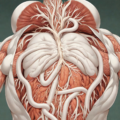

For decades, the conversation around weight management focused almost exclusively on a simple equation: calories in versus calories out. We were told that if we ate less and moved more, weight loss would be inevitable. However, modern science is uncovering a much more complex and fascinating reality. It turns out that the scale isn’t just a reflection of what you eat, but a reflection of how your body processes it—a process governed largely by the trillions of microorganisms living in your digestive tract.
This complex ecosystem, known as the gut microbiome, acts as a command center for your metabolism, hunger signals, and even your fat storage mechanisms. Understanding the connection between your gut health and your weight is not about more restrictive dieting; it is about nurturing the internal environment that dictates how your body manages energy. In this article, we will explore the biological mechanisms through which your gut controls your weight and provide actionable steps to optimize your microbiome for metabolic health.
The Microbiome: Your Body’s Internal Metabolic Engine
The human gut is home to trillions of bacteria, fungi, and viruses, collectively known as the microbiome. While many people view bacteria with suspicion, the vast majority of these microbes are essential for life. In the context of weight management, certain types of bacteria play a pivotal role in how we extract energy from the food we consume.
Research has shown that individuals with a diverse microbiome tend to have a healthier metabolic profile. A diverse gut means you have a wide variety of bacterial species, each performing a specific function. When this diversity is low, it can lead to metabolic dysfunction. For example, some bacteria are highly efficient at extracting calories from complex carbohydrates, meaning two people could eat the same apple, but the person with a specific microbial profile might absorb significantly more calories from it than the other.
Furthermore, the presence of specific bacterial strains, such as Akkermansia muciniphila, has been linked to leaner body mass and improved insulin sensitivity. When these beneficial microbes are abundant, they help maintain a healthy gut lining, preventing metabolic endotoxemia—a state where toxins leak into the bloodstream and trigger low-grade inflammation, a known driver of obesity.
The Gut-Brain Axis and Hunger Regulation
Have you ever experienced “hunger” that felt impossible to ignore, even after eating? This might not be a failure of willpower, but a communication error between your gut and your brain. This connection is known as the gut-brain axis, a bidirectional communication network involving the vagus nerve, hormones, and neurotransmitters.
Your gut microbes produce various signaling molecules that inform your brain about your nutritional status. For instance, certain bacteria stimulate the production of satiety hormones like Glucagon-like peptide-1 (GLP-1) and Peptide YY (PYY). These hormones signal to your brain that you are full, helping you naturally regulate your food intake.
Conversely, an imbalanced microbiome can lead to a decrease in these satiety signals and an increase in hunger-stimulating hormones like ghrelin. This can create a cycle of constant cravings and overeating. When your gut is out of balance, your brain may receive signals that you are starving, even when your energy stores are sufficient. By focusing on gut health, you aren’t just fixing digestion; you are recalibrating your body’s internal thermostat for hunger and fullness.
Inflammation: The Hidden Link Between Gut and Fat Storage
Chronic, low-grade inflammation is a major contributor to weight gain and metabolic syndrome. When the gut microbiome is imbalanced (a state called dysbiosis), the intestinal barrier can become permeable—often referred to as “leaky gut.” This allows lipopolysaccharides (LPS), which are components of certain harmful bacteria, to enter the bloodstream.
Once in the bloodstream, these LPS molecules trigger an immune response, leading to systemic inflammation. This inflammatory state is closely linked to insulin resistance. When your cells become resistant to insulin, your body struggles to move glucose from your blood into your cells for energy. Instead, the body compensates by producing even more insulin, which is a primary fat-storage hormone. Higher insulin levels signal the body to stop burning fat and start storing it.
By addressing gut health through diet and lifestyle, you can strengthen the intestinal barrier and reduce the systemic inflammation that makes weight loss so difficult. Reducing inflammation doesn’t just help you feel better; it restores the hormonal environment necessary for efficient fat oxidation.
The Role of Short-Chain Fatty Acids (SCFAs)
One of the most exciting discoveries in nutritional science is the role of Short-Chain Fatty Acids (SCFAs) produced by gut bacteria. When your beneficial bacteria ferment dietary fiber, they produce SCFAs like acetate, propionate, and butyrate. These molecules are much more than just waste products; they are potent metabolic regulators.
Butyrate, in particular, is a primary energy source for the cells lining your colon. It plays a crucial role in maintaining gut integrity and has anti-inflammatory properties. Propionate and acetate travel through the bloodstream to various organs, including the liver and adipose (fat) tissue. Once there, they can influence lipid metabolism and help regulate glucose production in the liver.
Essentially, SCFAs act as a bridge between the food you eat and your body’s metabolic response. A diet high in diverse fibers provides the “fuel” for these beneficial bacteria, leading to higher SCFA production, which in turn promotes a healthier metabolic state. This is why a diet high in varied plant foods is so effective for weight management—it is essentially feeding the metabolic regulators in your gut.
How to Feed Your Beneficial Bacteria
If the goal is to optimize your microbiome for weight management, the strategy must shift from “restriction” to “nourishment.” You want to feed the bacteria that help you stay lean and suppress inflammation. This is achieved through a diverse, fiber-rich diet.
1. Prioritize Prebiotics: Prebiotics are non-digestible fibers that act as food for your good bacteria. Think of them as the fertilizer for your internal garden. Excellent sources include garlic, onions, leeks, asparagus, Jerusalem artichokes, bananas, and whole oats. Incorporating a variety of these can significantly boost the production of SCFAs.
2. Incorporate Probiotics: Probiotics are live beneficial bacteria found in fermented foods. Consuming these introduces new, helpful microbes into your system. Focus on traditional fermented foods like unsweetened yogurt, kefir, sauerkraut, kimchi, miso, and kombucha. Aim for a variety of different fermented foods to ensure a diverse microbial influx.
3. Aim for Plant Diversity: A key predictor of a healthy gut is the variety of plants consumed. Aim for the “30 plants per week” goal. This includes fruits, vegetables, legumes, nuts, seeds, whole grains, herbs, and spices. Each plant offers different types of fiber and polyphenols that support different bacterial species.
4. Minimize Ultra-Processed Foods: Highly processed foods often contain emulsifiers, artificial sweeteners, and excessive sugars that can disrupt the gut lining and promote the growth of pro-inflammatory bacteria. Reducing these helps maintain the integrity of the gut barrier.
Lifestyle Factors: Beyond the Plate
While nutrition is the foundation of gut health, your lifestyle plays an equally important role in shaping your microbiome. The gut is sensitive to the environment you live in, and several factors can influence bacterial diversity.
Stress Management: The gut-brain axis works both ways. High levels of cortisol, the body’s primary stress hormone, can alter gut motility and increase intestinal permeability. Chronic stress can effectively “starve” your beneficial bacteria and promote dysbiosis. Practices such as mindfulness, meditation, or even consistent walking can help mitigate these effects.
Sleep Hygiene: There is a circadian rhythm to your microbiome. Your gut bacteria follow a daily cycle of activity that is influenced by your sleep-wake cycle. Irregular sleep patterns or sleep deprivation can disrupt this rhythm, leading to metabolic changes that favor weight gain. Prioritizing 7-9 hours of quality sleep is essential for both your brain and your gut.
Physical Activity: Regular exercise has been shown to increase the diversity of beneficial bacteria in the gut. It can also improve the metabolic effects of SCFAs. Whether it is vigorous training or a daily stroll, movement is a powerful tool for microbial health.
Antibiotic Use: While antibiotics are life-saving medications, they are non-selective, meaning they kill both harmful and beneficial bacteria. Frequent or unnecessary antibiotic use can significantly disrupt the gut ecosystem. Always use antibiotics as prescribed, and focus on rebuilding your gut health through nutrition following a course of medication.
A Holistic Approach to Lasting Change
Shifting the focus from calorie counting to gut health changes the entire paradigm of weight management. Instead of viewing food as an enemy to be restricted, you begin to view it as a tool to cultivate a thriving internal ecosystem. This shift is often more sustainable and leads to much better long-term outcomes.
When you nourish your gut, you aren’t just fighting against hunger; you are working with your biology. You are reducing inflammation, balancing your hormones, and optimizing your metabolic pathways. This approach fosters a healthier relationship with food and moves away from the cycle of dieting and weight regain.
Remember that the microbiome is dynamic. It changes based on what you eat, how you sleep, and how you manage stress. This means that every meal is an opportunity to influence your metabolic health. Small, consistent changes—like adding a serving of sauerkraut to lunch or taking a short walk after dinner—can have a cumulative and profound effect on your weight and overall well-being.
The Role of Polyphenols: Beyond Simple Fiber
While fiber is the primary fuel for your gut, not all plant-based compounds serve the same metabolic purpose. Polyphenols—a massive group of bioactive compounds found in colorful fruits, vegetables, tea, cocoa, and even certain spices—act as specialized modulators of your microbiome. Unlike fiber, which provides bulk and fermentable substrate, polyphenols often act as selective prebiotics. This means they can inhibit the growth of certain pathogenic, weight-promoting bacteria while selectively encouraging the growth of beneficial species like Bifidobacterium and Lactobacillus.
From a weight management perspective, polyphenols offer a dual advantage. First, they help diversify the microbial landscape, ensuring a more robust metabolic engine. Second, they possess direct anti-inflammatory properties that complement the work of short-chain fatty acids. For example, the anthocyanins found in blueberries and blackberries or the catechins in green tea can help dampen the systemic inflammation that often accompanies obesity. By incorporating a “rainbow” of colors into your diet, you aren’t just getting vitamins; you are providing a diverse array of chemical signals that help train your gut to maintain metabolic homeostasis.
The Impact of Artificial Sweeteners on Microbial Signaling
In the pursuit of weight loss, many individuals turn to non-caloric sweeteners (NCS) like aspartame, saccharin, or sucralose to reduce calorie intake. However, emerging research suggests these substances may be counterproductive for those focused on gut-driven weight management. The issue isn’t necessarily the calories, but the way these molecules interact with your gut’s resident microbes.
Studies have indicated that certain artificial sweeteners can induce dysbiosis, specifically by altering the composition of the microbial community in ways that promote glucose intolerance. When the balance of bacteria shifts, the gut may become less efficient at managing blood sugar, leading to the very insulin spikes that trigger fat storage. Furthermore, the intense sweetness of these compounds can potentially disrupt the gut-brain axis, potentially desensitizing reward pathways and leading to increased cravings for high-calorie foods. If your goal is to optimize your microbiome, it may be more effective to transition toward naturally sweet foods or rely on herbs and spices for flavoring, rather than relying on chemically altered sweeteners that might confuse your metabolic signaling.
Circadian Biology: Timing Your Nutrients for Microbial Health
We have long understood that humans have internal biological clocks that govern sleep, hormone release, and body temperature. Recent evidence suggests that your gut microbiome also follows a strict circadian rhythm. Your bacteria exhibit rhythmic patterns of activity, gene expression, and metabolic output that fluctuate based on the time of day. When these microbial rhythms are disrupted—often due to irregular eating patterns or late-night snacking—it can lead to metabolic dysfunction.
Eating during a consistent window of time, a practice often referred to as Time-Restricted Feeding (TRF), can help synchronize these microbial rhythms. By providing food at predictable intervals, you allow the gut to transition between “fed” and “fasted” states, which is crucial for the maintenance of the intestinal barrier and the efficiency of nutrient absorption. This synchronization helps prevent the metabolic chaos that occurs when the body receives energy signals at inappropriate times, which can otherwise lead to irregular insulin secretion and increased fat accumulation. Aligning your meals with your natural circadian rhythm provides a predictable environment for your beneficial microbes to thrive.
The Microbiome and the Bile Acid Connection
A less discussed but vital component of the gut-weight connection is the metabolism of bile acids. Bile acids are produced by the liver and released into the small intestine to help digest fats. However, once they reach the large intestine, they are heavily modified by gut bacteria through a process called deconjugation.
These modified bile acids act as potent signaling molecules that interact with receptors like the Farnesoid X Receptor (FXR) and the TGR5 receptor. These receptors play a massive role in regulating glucose metabolism, lipid oxidation (fat burning), and energy expenditure. A healthy, diverse microbiome ensures that bile acids are processed correctly, sending the right signals to your liver and fat tissues to optimize energy usage. Conversely, an imbalance in bacteria can lead to an abnormal bile acid pool, which can contribute to insulin resistance and altered fat metabolism. This highlights that the gut doesn’t just process food; it processes the very chemicals required to signal how much fat the body should burn.
The Gut-Immune Interface: Managing the Inflammatory Threshold
The gut houses approximately 70-80% of the body’s immune system, specifically within the Gut-Associated Lymphoid Tissue (GALT). This means the state of your microbiome is essentially the state of your immune system. When the microbiome is imbalanced, the immune system remains in a state of constant, low-level alert. This “hyper-vigilance” is a significant driver of the metabolic inflammation that makes weight loss feel like an uphill battle.
This immune-metabolic connection is particularly evident in how the body handles dietary triggers. For someone with a compromised gut barrier, even “healthy” foods might trigger an immune response if the microbial signaling is off. This chronic activation of immune cells in the gut lining can lead to the recruitment of macrophages that release pro-inflammatory cytokines into the bloodstream. These cytokines can directly interfere with insulin signaling in muscle and fat tissue. Therefore, managing weight isn’t just about managing calories; it is about managing the immunological threshold of your gut to ensure your body remains in an anti-inflammatory, fat-burning state rather than a defensive, fat-storing state.
Practical Strategies for Microbe-Targeted Weight Management
To move from theory to practice, one must adopt a multi-faceted approach that addresses the various layers of microbial health. This requires a move away from “quick fix” solutions and toward long-term ecological management of the gut.
1. The Diversity Test: Instead of just counting grams of fiber, start counting the number of unique plant species you eat in a week. Aiming for 30-40 different plants is a gold standard for microbial diversity. This includes small additions like pumpkin seeds, nutritional yeast, or different varieties of cabbage.
2. Fermentation Sequencing: Introduce fermented foods gradually. If your gut is currently sensitive, jumping straight into large amounts of kimchi might cause bloating. Start with small amounts of miso or kefir and increase the frequency as your system adapts to the new microbial influx.
3. Managing the “Stress-Bile-Gut” Loop: Since stress and bile acid metabolism are linked, integrate physiological sighs (double inhalation through the nose, long exhalation through the mouth) or brief periods of box breathing during meals. This shifts the body from a sympathetic (fight or flight) state to a parasympathetic (rest and digest) state, ensuring that bile is released properly and nutrient absorption is optimized.
4. Strategic Fiber Loading: When increasing fiber, pair it with adequate hydration. Fiber acts like a sponge; without enough water, it can cause impaction and discomfort rather than promoting healthy motility. This ensures the transit time of food is optimal for microbial fermentation without causing stagnation.
5. Reducing Chemical Disruptors: Beyond artificial sweeteners, be mindful of certain antibacterial soaps or excessive use of non-sterilizing disinfectants in the kitchen, which can inadvertently reduce the beneficial microbial load on your food surfaces and your skin, potentially impacting your overall microbial landscape.
Frequently Asked Questions
Q: How long does it take to see results from changing my gut health?
A: The gut microbiome is highly dynamic and can begin to change within hours of eating different foods. However, significant changes in microbial composition and its effects on metabolism, such as improved satiety and reduced inflammation, typically take weeks or even months of consistent dietary and lifestyle changes.
Q: Are probiotic supplements necessary for weight loss?
A: While some specific probiotic strains may offer benefits for metabolic health, they are not a magic pill. The best way to support your microbiome is through a diverse diet rich in prebiotic fibers and fermented foods. Supplements can be a helpful addition, but they cannot replace the complex nutrients found in whole foods.
Q: Can I fix a ‘leaky gut’ through diet alone?
A: Diet is a primary tool in supporting intestinal integrity, but a holistic approach is best. Managing stress, ensuring adequate sleep, and avoiding excessive alcohol and highly processed foods are all crucial components of repairing the gut barrier and reducing systemic inflammation.
Q: Does sugar affect my gut bacteria?
A: Yes. Excessive consumption of refined sugars, particularly fructose, can promote the growth of harmful bacteria and yeasts that contribute to dysbiosis and inflammation. This can lead to increased hunger and insulin resistance, making weight management more difficult.
Q: Is it possible to have too much fiber?
A: For most people, increasing fiber intake is beneficial. However, if you currently eat a low-fiber diet, increasing it too rapidly can cause bloating, gas, and discomfort. It is best to increase your fiber intake gradually and drink plenty of water to help your digestive system adapt to the increased volume.