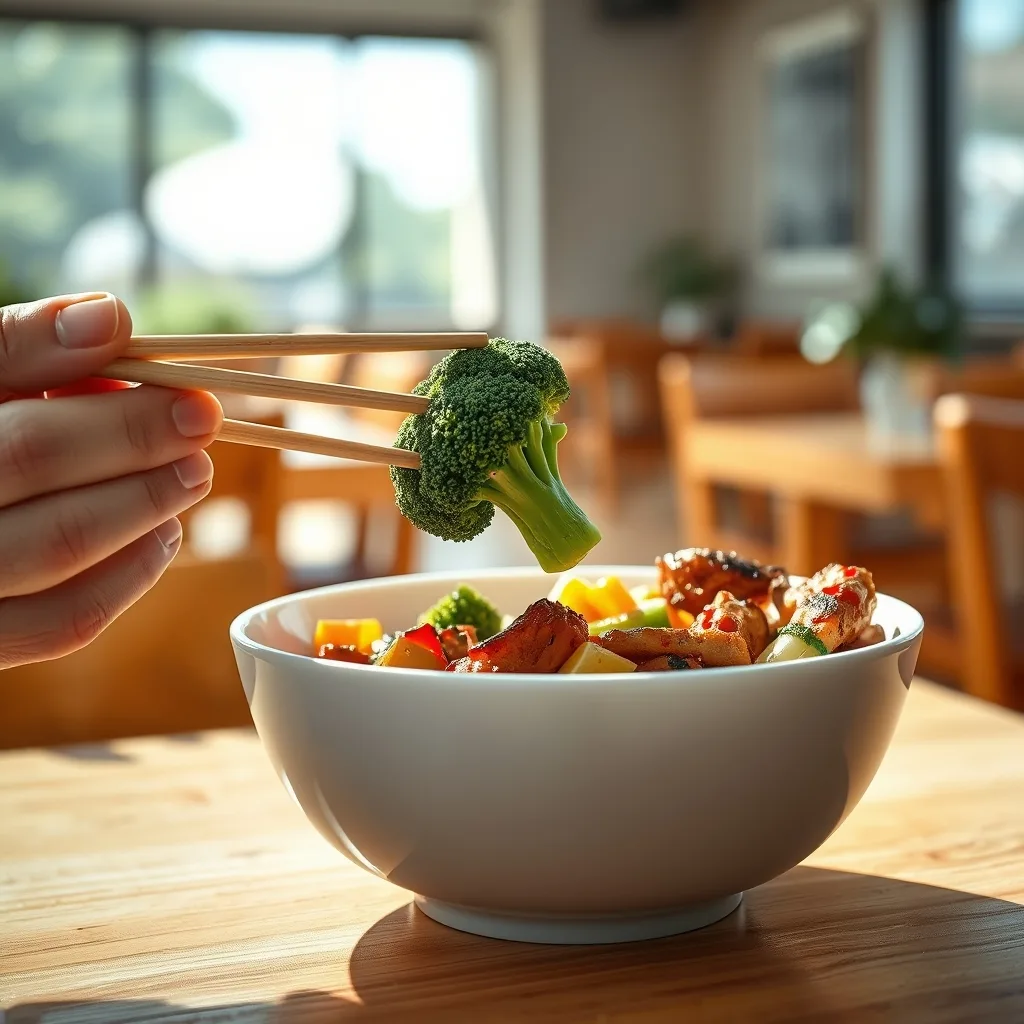
When you think of fast-food dining, Panda Express might not be the first name that springs to mind as a health-conscious choice. However, for those navigating a busy lifestyle, it offers a surprisingly versatile menu that can be tailored to support balanced nutrition. By understanding how to navigate the menu, you can enjoy a flavorful meal that aligns with your wellness goals without feeling restricted.
Key takeaways
- Choose Wok Smart items to prioritize lean protein and vegetables while keeping calorie counts low.
- Swap calorie-dense rice or chow mein for Super Greens to increase fiber and essential nutrient intake.
- Request sauces on the side to significantly reduce sodium and added sugar consumption.
- Use the half-and-half entree strategy to enjoy variety while managing overall portion sizes and calories.
The Power of the Wok Smart Selection
The most effective tool at your disposal when dining at Panda Express is the “Wok Smart” designation. These menu items are specifically curated to contain at least 8 grams of protein and 250 calories or fewer per serving. By prioritizing these options, you are immediately narrowing your focus to dishes that prioritize lean protein and vegetables over heavy breading or sugary sauces. The Broccoli Beef, for instance, is a staple of the Wok Smart menu. It provides a balanced combination of iron-rich broccoli and lean beef, offering a high-satiety meal that prevents the dreaded post-lunch energy crash.
Prioritizing Vegetables as Your Base
The foundation of any healthy fast-food meal is the base you choose. While chow mein and fried rice are traditional favorites, they are calorie-dense and often lack the fiber needed to keep you full. A strategic hack is to swap these sides for the Super Greens option. This side consists of a blend of broccoli, kale, and cabbage, sautéed to retain a satisfying crunch. By choosing Super Greens, you drastically reduce your total caloric intake while increasing your intake of essential vitamins like Vitamin C, Vitamin K, and fiber, which supports digestion and stable blood sugar levels.
Navigating Sauce and Sodium Levels
Sodium is the primary challenge when eating at any fast-casual chain. To manage this, consider a “sauce-light” approach. You can ask for your protein to be served with the sauce on the side or lightly tossed, rather than drenched. Many of the flavor profiles at Panda Express rely on high-sodium soy, oyster, or chili sauces. By controlling the amount of sauce that hits your plate, you can significantly lower your sodium intake while still enjoying the signature flavors of the dish. Pairing these items with a side of steamed brown rice—if available at your location—further helps in managing your glycemic index throughout the afternoon.
The Protein-First Strategy
To keep your metabolism steady, prioritize protein-heavy entrees like Grilled Teriyaki Chicken. Unlike the crispy, deep-fried chicken dishes, the Grilled Teriyaki Chicken is cooked without breading or frying. When you order this, ask for the teriyaki sauce to be placed on the side. This allows you to control exactly how much sugar and sodium you consume. Grilled chicken is an excellent source of lean protein, which is essential for muscle maintenance and repair. Combining this with a side of Super Greens creates a high-protein, low-carbohydrate meal that is far superior to most standard fast-food “value meals.””}
Managing Portion Sizes for Mindful Eating
Panda Express is known for its generous portions, which can often lead to overeating. A practical strategy for maintaining a healthy lifestyle is to practice portion control from the moment you order. Consider ordering a bowl instead of a plate. A bowl limits you to one side and one entree, which naturally keeps your calorie count in check. If you do opt for a plate, remember that you do not have to finish everything in one sitting. Packing half of your meal away for dinner effectively turns one expensive, high-calorie lunch into two balanced, affordable meals for the following day.
Avoiding Hidden Calorie Traps
Not all menu items are created equal. Dishes that are battered and fried—such as Orange Chicken, SweetFire Chicken Breast, or Honey Walnut Shrimp—are typically tossed in heavy, sugar-laden glazes. While these are undeniably tasty, they are often high in refined carbohydrates and inflammatory oils. If you choose one of these items, balance the rest of your meal by strictly pairing it with steamed vegetables and avoiding soda or sugary teas. Opting for water or unsweetened iced tea as your beverage of choice is the easiest way to save 150 to 300 calories in a single sitting.
Customizing for Dietary Preferences
Panda Express has become increasingly accommodating to various dietary preferences. If you are looking for plant-based options, the Eggplant Tofu is a nutrient-dense choice that features protein-rich tofu and fiber-packed eggplant. When ordering, you can ask for additional vegetables to be added to your bowl or plate, which increases the volume of your meal without significantly adding to the caloric density. Communicating your preferences to the staff—such as asking for “light sauce” or “extra greens”—is a simple way to personalize your meal to better fit your specific health requirements.
Building a Sustainable Habit
Healthy eating is not about deprivation; it is about making informed choices within your environment. Whether you are traveling for work or simply have a hectic day, knowing that you can get a high-protein, vegetable-forward meal at a common chain like Panda Express reduces the stress of finding healthy food on the go. By focusing on grilled proteins, minimizing breaded items, and prioritizing fiber-rich vegetables, you can enjoy the convenience of fast food without compromising your long-term health goals.
Mastering the “Half-and-Half” Entree Hack
One of the most underutilized strategies for caloric management at Panda Express is the strategic use of the “half-and-half” entree option. Many diners believe they are locked into one single protein choice when ordering a plate, but you can actually split your entree portion between two different items. This is a brilliant way to incorporate more variety into your diet while hedging against the caloric density of richer items. For instance, you can order a plate with a half-serving of the Grilled Teriyaki Chicken and a half-serving of a more indulgent dish like the Beijing Beef. By pairing a lean, grilled protein with a smaller portion of a more decadent one, you satisfy your cravings for variety without committing to a full, high-calorie serving of a breaded or deep-fried dish. This approach helps prevent the “all-or-nothing” mentality that often leads to overeating.
The Science of Thermic Effect in Your Order
When selecting your protein, consider the thermic effect of food (TEF)—the energy your body expends to digest and metabolize nutrients. Lean proteins like the Grilled Teriyaki Chicken or the Black Pepper Angus Steak have a significantly higher TEF compared to the empty calories found in refined starches like white rice or chow mein. By centering your meal around these high-protein options, you are effectively increasing your metabolic rate for the hours following your meal. Furthermore, protein promotes the release of satiety hormones like GLP-1 and PYY, which signal to your brain that you are full. To maximize this, always start your meal by consuming your protein first, followed by your Super Greens. This sequence helps manage your blood glucose response, preventing the insulin spikes that often lead to mid-afternoon energy crashes.
Navigating Regional Inventory and Seasonal Availability
The Panda Express menu is not static; it frequently rotates based on regional availability and seasonal testing. Savvy diners should pay attention to local variations, such as the occasional inclusion of steamed brown rice or seasonal vegetable medleys that may not appear on the national menu board. If you find yourself at a location that offers brown rice, prioritize it over the white rice or chow mein. Brown rice contains the germ and bran, providing essential fiber and B vitamins that are stripped away during the refining process of white rice. This fiber content is crucial for gut health and helps slow the absorption of sugar into your bloodstream. Always scan the menu board upon arrival for “limited time only” items, as these sometimes include grilled seafood or vegetable-heavy stir-fries that offer a refreshing departure from the standard menu.
The “Double Side” Strategy for Nutrient Density
If you find that the standard bowl or plate leaves you feeling unsatisfied, the most effective volume-eating hack is to request a “double side” of Super Greens instead of a starch. This is a common request that staff are well-trained to handle. By doubling your vegetable intake, you increase the sheer volume of food on your plate without adding significant calories. This is particularly useful for individuals who struggle with hunger cues or those trying to maintain a caloric deficit. The fiber in the kale, broccoli, and cabbage creates physical bulk in the stomach, which stimulates stretch receptors that tell the brain you have eaten a substantial meal. This is a far more sustainable approach to weight management than simply eating less food, as it allows you to finish your plate feeling genuinely full and nourished.
Optimizing Condiment Usage
While the focus is often on the entrees, the condiment station is a hidden landscape of potential pitfalls and smart choices. Many diners reflexively reach for the packets of soy sauce, sweet and sour sauce, or chili sauce. A single packet of these sauces can contain 100-300mg of sodium and several grams of added sugar. Instead, rely on the natural flavors of the stir-fry. If you need a flavor boost, look for chili flakes or fresh hot sauce if available, which can provide a metabolic kick through capsaicin without the sugar-laden base of bottled glazes. If you must use a dipping sauce, use a fork to lightly coat your protein rather than dumping the packet directly onto your food. This simple tactile change can reduce your sauce consumption by 50% to 75%, saving you hundreds of milligrams of sodium over the course of a week.
Strategic Timing for Peak Freshness
The quality and nutritional value of your meal can be influenced by the time of day you visit. Visiting during peak lunch or dinner hours (typically 12:00 PM – 1:00 PM or 6:00 PM – 7:00 PM) ensures that the food in the steam table is being refreshed frequently. When food sits in a steam table for extended periods, the vegetables tend to lose their structural integrity and nutritional density, and proteins can become dry or overly salty as moisture evaporates. By visiting during high-traffic times, you are more likely to get vegetables that are vibrant, crisp, and nutrient-dense, and proteins that are juicy and properly prepared. If you arrive during an off-peak time, don’t be afraid to ask if a fresh batch of a specific protein can be prepared. While it may take a few extra minutes, it ensures you are getting the highest quality version of the menu item you are paying for.
Frequently Asked Questions
Q: Can I eat at Panda Express if I am on a low-carb diet? A: Yes. By ordering the Grilled Teriyaki Chicken and substituting the side of rice or chow mein with double the Super Greens, you can create a low-carb, high-protein meal that fits well within most ketogenic or low-carb guidelines.
Q: Are the Super Greens cooked in healthy oils? A: While the greens are sautéed, you can always ask for your meal to be prepared with minimal oil. The Super Greens are the most nutrient-dense side option available, providing high levels of fiber and essential vitamins compared to the starch-heavy alternatives.
Q: How can I reduce the sodium content of my meal? A: The most effective way to reduce sodium is to request all sauces on the side. Many of the glazes and seasonings used in the kitchen are high in sodium, so dipping your food sparingly allows you to enjoy the flavor without consuming the full amount of sodium typically found in a standard serving.
Q: Is the Grilled Teriyaki Chicken truly healthy? A: It is one of the healthiest options on the menu because it is grilled rather than deep-fried and breaded. It provides a clean source of protein, provided you manage the amount of teriyaki sauce, which can be high in sugar and sodium.
Q: Is it possible to find vegan or vegetarian options? A: Yes, the Eggplant Tofu and the Super Greens are excellent vegetarian choices. Always verify with your local restaurant regarding any specific preparation methods, but these dishes provide a great balance of plant-based protein and fiber.
Related posts:
 Rice Revealed: Is This Pantry Staple Actually Good for You
 One Pan Wonder: The Fried Rice Recipe That Will Change Your Meal Prep Game
 The Green Goddess Guide to Buying Leafy Perfection
 High-Protein Foods That Pack a Serious Nutritional Punch
 Delicious Ground Chicken Recipes
 The Game-Changing 50 Percent Rule That Makes Eating Vegetables Effortless
 Magic Avocado Sauce Recipe
 Candice Kumai’s Healthy Turmeric Fried Rice Recipe