
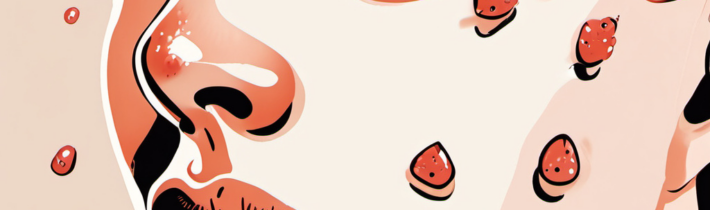
Acne is one of the most common skin concerns, affecting people of all ages and backgrounds. While the urge to squeeze a visible zit can feel almost irresistible, doing so without proper knowledge often leads to more harm than good. This article explores the science behind pimples, explains why popping feels satisfying, outlines the real risks of improper extraction, and provides step‑by‑step guidance for those rare occasions when a professional might consider it safe. You will also find practical aftercare tips, effective alternatives to squeezing, lifestyle habits that reduce breakouts, and clear signs that it is time to see a dermatologist. All advice is grounded in current dermatological research and avoids making unfounded promises about instant cures.
Understanding Acne and Zits
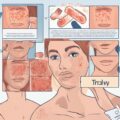
Acne lesions form when hair follicles become clogged with excess sebum, dead skin cells, and sometimes bacteria such as Cutibacterium acnes. The blocked follicle creates a microenvironment where inflammation can develop, leading to the red, swollen bumps we recognize as papules, pustules, nodules, or cysts. Not all blemishes are the same; a whitehead is a closed comedone, a blackhead is an open comedone, and a pustule contains visible pus. Understanding these differences helps determine the appropriate response. For instance, attempting to extract a deep cystic lesion without professional tools can rupture the follicle wall, spreading infection deeper into the skin and increasing the chance of scarring.
Hormonal fluctuations, genetics, stress, diet, and certain medications all influence sebum production and follicular hyperkeratinization, the processes that set the stage for acne. While topical treatments like benzoyl peroxide, salicylic acid, and retinoids target these mechanisms, they require consistent use over weeks to show results. Knowing that acne is a medical condition, not merely a cosmetic inconvenience, reinforces why treating it with patience and evidence‑based methods yields better long‑term outcomes than quick fixes.
Why the Urge to Pop Is So Strong
The sensation of relief after squeezing a zit is rooted in both physiological and psychological factors. Physically, the pressure release can momentarily reduce the feeling of tension within the inflamed follicle. Psychologically, the act provides a sense of control over an otherwise unpredictable skin issue. Many people report a brief surge of satisfaction, sometimes described as a “pop” feeling, which reinforces the behavior through a reward loop. Social media and peer influence can amplify this urge, as videos of extractions often garner millions of views, normalizing the practice despite its risks.
It is important to recognize that this urge does not reflect a medical necessity. In most cases, the lesion will resolve on its own or with appropriate topical therapy. Giving in to the impulse without proper technique can convert a temporary blemish into a lasting mark. Acknowledging the psychological pull helps you pause, evaluate the situation, and choose a safer course of action.
Risks of Improper Zit Popping
Improper extraction carries several well‑documented dangers. First, mechanical trauma can rupture the follicle wall, allowing bacteria and inflammatory mediators to spill into the surrounding dermis. This can transform a superficial pustule into a deeper inflammatory lesion, increasing pain and healing time. Second, introducing bacteria from the fingers or tools into the open wound raises the risk of secondary infection, which may require antibiotics. Third, repeated pressure and manipulation can damage collagen and elastin fibers, leading to atrophic scars, hypertrophic scars, or post‑inflammatory hyperpigmentation that may persist for months or years.
Fourth, squeezing can cause the lesion to spread. When the contents of a pustule are expelled, they can travel along skin channels and seed nearby follicles, resulting in a cluster of new blemishes. Fifth, improper technique often leaves behind residual material, which can continue to irritate the skin and prolong inflammation. Finally, the psychological impact of visible scarring or discoloration can affect self‑esteem and lead to anxiety or social withdrawal. Understanding these risks underscores why many dermatologists advise against routine home extractions.
When Popping Might Be Considered (Professional Guidance)
There are limited scenarios where a trained professional may perform extraction. These typically involve comedonal acne—whiteheads and blackheads—that are superficial and not inflamed. In a clinical setting, a dermatologist or licensed aesthetician uses sterile instruments, such as a comedone extractor, and follows strict hygiene protocols. The procedure is performed after prepping the skin with a gentle cleanser and, sometimes, a warm compress to soften the plug. The professional applies even, perpendicular pressure to avoid tearing the follicle wall.
For inflamed pustules, nodules, or cysts, extraction is generally discouraged because the risk of scarring and infection outweighs any cosmetic benefit. Instead, professionals may recommend intralesional corticosteroid injections, oral antibiotics, or isotretinoin for severe cases. If you ever feel compelled to attempt extraction at home, limit yourself to non‑inflamed whiteheads or blackheads, and only after thoroughly cleansing your hands and the skin with an antimicrobial solution. Even then, proceed with extreme caution and stop immediately if you encounter resistance, pain, or bleeding.
Safe Extraction Techniques: Step‑by‑Step
If you decide to attempt extraction of a superficial whitehead or blackhead, follow these steps to minimize risk. First, wash your face with a mild, fragrance‑free cleanser and pat dry. Second, cleanse your hands thoroughly with antibacterial soap, or wear disposable nitrile gloves. Third, disinfect the area with a 70% isopropyl alcohol swab or a saline solution to reduce surface bacteria. Fourth, apply a warm compress for two to three minutes to soften the plug; this can be done with a clean washcloth soaked in warm water.
Fifth, place a sterile comedone extractor loop over the lesion, ensuring the loop encircles the bump without pressing directly on the surrounding skin. Sixth, apply gentle, steady pressure downward and then release; avoid twisting or lateral motions. Seventh, if the material does not express easily, stop—forcing it can cause trauma. Eighth, after extraction, re‑disinfect the area with alcohol or saline. Ninth, apply a thin layer of a non‑comedogenic antibacterial ointment, such as one containing benzoyl peroxide 2.5% or clindamycin, to help prevent infection. Tenth, avoid touching the area and keep it clean until it heals.
Remember that even with perfect technique, there is no guarantee of zero risk. If you notice increasing redness, swelling, pain, or pus after the procedure, seek medical advice promptly.
Aftercare: Healing the Skin Properly
Proper aftercare is essential to reduce the likelihood of scarring and infection. Begin by keeping the extracted site clean; wash it twice daily with a gentle cleanser and avoid scrubbing. Pat the skin dry with a clean towel—do not rub. Apply a thin layer of a soothing, non‑comedogenic moisturizer that contains ingredients like ceramides, niacinamide, or hyaluronic acid to support barrier repair. If you used an antibacterial ointment, continue it for no more than two days unless directed otherwise by a healthcare professional.
Consider incorporating a topical retinoid (such as adapalene 0.1%) into your nighttime routine once the area is no longer open or irritated; retinoids promote cell turnover and help prevent new comedones. However, introduce retinoids gradually to avoid irritation. Sun protection is critical; apply a broad‑spectrum sunscreen with SPF 30 or higher every morning, as post‑inflammatory hyperpigmentation can darken with UV exposure. Avoid picking at any scabs that form; let them fall off naturally.
Monitor the site for signs of infection: increasing pain, warmth, swelling, or yellow/green discharge. If any of these appear, contact a healthcare provider. In most cases, a properly cared‑for extraction site will heal within five to ten days, leaving minimal visible trace.
Alternatives to Popping: Treatments That Work
Rather than relying on extraction, many effective treatments address the root causes of acne. Topical benzoyl peroxide works by releasing oxygen that kills C. acnes and reduces inflammation; start with a 2.5% concentration to minimize irritation. Salicylic acid, a beta‑hydroxy acid, exfoliates inside the follicle, helping to clear clogs; it is often found in cleansers and spot treatments at 0.5%–2%. Retinoids, such as adapalene, tretinoin, or tazarotene, normalize follicular keratinization and prevent new lesions; they are considered first‑line for maintenance therapy.
For inflammatory lesions, a short course of a topical antibiotic like clindamycin or erythromycin can reduce bacterial load, though it is best combined with benzoyl peroxide to mitigate resistance. Oral therapies include antibiotics (e.g., doxycycline, minocycline) for moderate to severe inflammatory acne, and hormonal agents such as combined oral contraceptives or anti‑androgens (e.g., spironolactone) for hormonally driven breakouts in females. Isotretinoin remains the most effective option for severe, recalcitrant nodulocystic acne, but it requires close monitoring due to potential side effects.
Procedural options performed by dermatologists include chemical peels (glycolic or salicylic acid), laser and light therapies (such as blue‑light or pulsed dye laser), and intralesional corticosteroid injections for painful nodules. These interventions can provide rapid improvement while minimizing the trauma associated with manual extraction.
Lifestyle Habits That Reduce Breakouts
While topical and systemic treatments are powerful, daily habits play a supporting role in maintaining clear skin. Diet influences acne for some individuals; high‑glycemic foods and excessive dairy intake have been linked to increased breakouts in certain studies, though responses vary. Prioritizing whole grains, lean proteins, fruits, vegetables, and healthy fats may help. Staying well hydrated supports overall skin function.
Stress management is another key factor. Chronic stress elevates cortisol, which can stimulate sebaceous glands. Practices such as mindfulness meditation, yoga, regular aerobic exercise, and adequate sleep (seven to nine hours per night) can mitigate stress‑related flare‑ups. Avoid touching your face throughout the day, as hands transfer oils and microbes. Keep hair clean and away from the forehead, especially if you use styling products that may be comedogenic.
Choose skincare and makeup products labeled “non‑comedogenic” or “oil‑free.” Remove makeup thoroughly before bedtime, and avoid overwashing, which can strip the skin’s natural barrier and trigger rebound oil production. Change pillowcases weekly, and consider using silk or satin pillowcases to reduce friction. Finally, refrain from smoking, as tobacco smoke has been shown to exacerbate inflammatory acne and impair wound healing.
When to See a Dermatologist
Most mild to moderate acne responds to over‑the‑counter treatments and lifestyle adjustments within eight to twelve weeks. However, certain signs warrant professional evaluation. Persistent or worsening nodules and cysts that are painful, deep, or resistant to topical therapy should be assessed. Scarring or noticeable post‑inflammatory hyperpigmentation that does not fade after several months also benefits from early intervention. If acne is affecting your mental health—leading to anxiety, depression, or social avoidance—seeking help is important.
Additionally, if you suspect an underlying hormonal issue (e.g., irregular menstrual cycles, hirsutism, or rapid weight gain) or if you experience sudden, severe breakouts after starting a new medication, a dermatologist can investigate further. Finally, if you have tried multiple over‑the‑counter products without improvement, a prescription‑strength regimen may be necessary. Early professional care not only improves skin appearance but also reduces the risk of permanent scarring and long‑term pigment changes.
Frequently Asked Questions
Is it ever safe to pop a pimple at home?
Only non‑inflamed whiteheads or blackheads that are very close to the surface may be considered for home extraction, and even then only after strict hygiene measures. Inflamed pustules, nodules, or cysts should never be squeezed at home because the risk of scarring, infection, and spreading the lesion is high. If you are unsure, leave the lesion alone or consult a professional.
What should I do immediately after I accidentally pop a zit?
Clean the area with a gentle cleanser, then disinfect with a saline solution or 70% isopropyl alcohol. Apply a thin layer of a non‑comedogenic antibacterial ointment (such as benzoyl peroxide 2.5% or clindamycin) for no more than two days. Keep the skin moisturized with a gentle, fragrance‑free moisturizer and protect it from the sun. Monitor for signs of infection and seek medical advice if redness, swelling, pain, or discharge worsens.
Can popping a zit cause permanent scars?
Yes. Improper extraction can damage the collagen and elastin network in the dermis, leading to atrophic (indented) scars, hypertrophic (raised) scars, or keloids. It can also cause post‑inflammatory hyperpigmentation, which may fade over months but can persist longer in darker skin tones. Using proper technique and aftercare reduces, but does not eliminate, this risk.
Are there any tools I should avoid using for home extraction?
Avoid using needles, pins, tweezers, or any non‑sterile sharp objects, as they increase the chance of infection and tissue damage. Even comedone extractors must be sterilized before each use; sharing them without proper disinfection is unsafe. If you do not have access to sterile tools, it is better to refrain from extraction altogether.
How long does it take for a popped zit to heal?
With appropriate aftercare, a small, superficial extraction site may heal in five to ten days. Larger or deeper lesions, or those that become infected, can take longer—sometimes several weeks—and may leave a mark. Healing time varies based on individual skin health, genetics, and how well you follow aftercare instructions.
Related posts:
 Dermatologist’s Acne Solutions
 The Importance of Aftercare: Nurturing Your Bond After Intimacy
 How to Treat Different Types of Pimples Properly
 10 Natural Ways to Make a Zit Disappear Faster
 Expert-Approved Acne Products
 Complete Guide to Treating Acne
 Treating Inflamed Acne
 The Wildest Beauty Trend We’ve Ever Heard: Can Dog Urine Really Clear Your Skin?