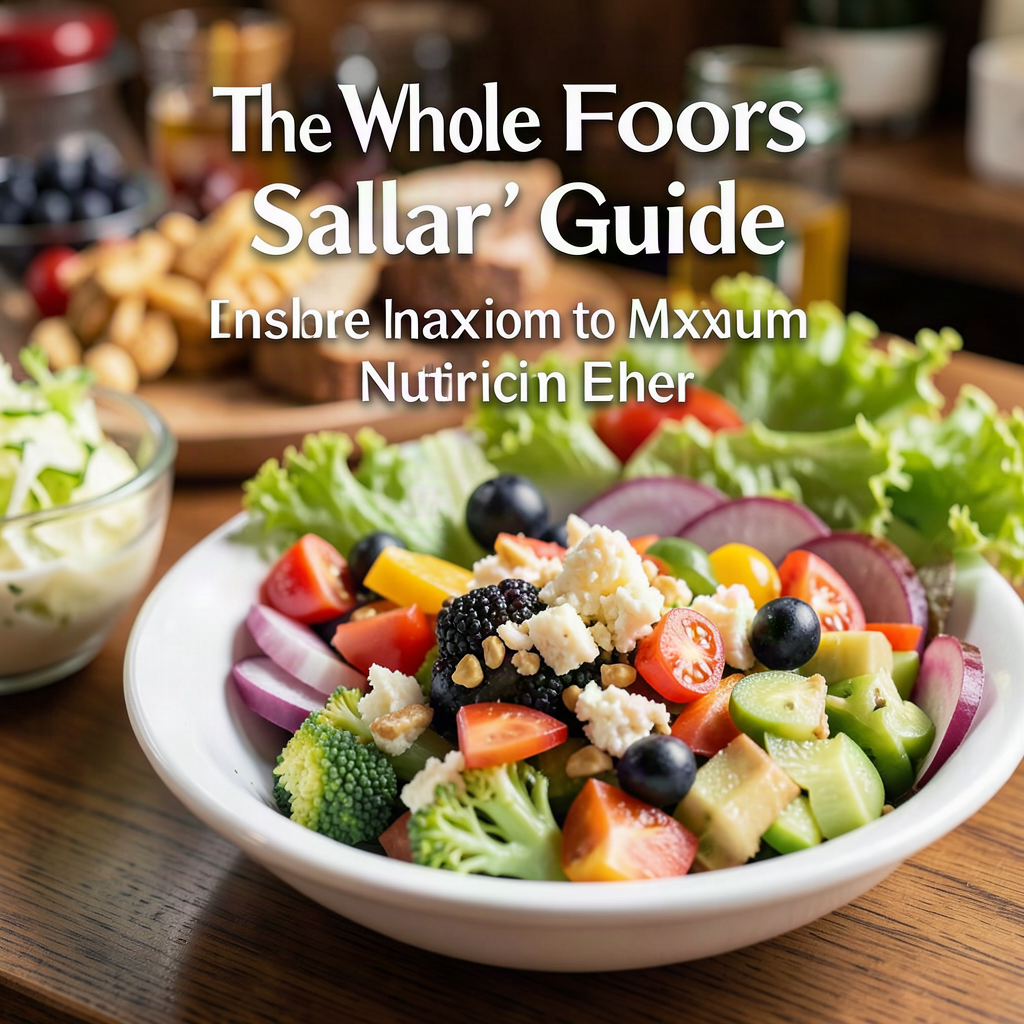
Walking into a Whole Foods Market and heading straight for the salad bar can feel like entering a wonderland of health. The vibrant colors, the sheer variety of organic greens, and the array of pre-prepped proteins offer an immediate solution for anyone seeking a nutritious meal on the go. However, the salad bar is also a place where nutritional intentions can easily go awry. Between the calorie-dense dressings, the sodium-heavy marinated olives, and the temptation to overfill a container, a “healthy” salad can quickly transform into a meal that leaves you feeling sluggish or exceeds your daily caloric needs.
To truly maximize the nutritional value of your visit, you need a strategic approach. It is not simply about piling on vegetables; it is about understanding nutrient synergy—how certain foods help your body absorb the vitamins in others—and avoiding the hidden pitfalls of processed additions. This guide provides a comprehensive blueprint for navigating the salad bar to create a bowl that supports your energy, brain function, and long-term wellness.
The Foundation: Choosing Your Nutrient-Dense Base
The base of your salad determines the primary micronutrient profile of your meal. Many people default to iceberg or romaine lettuce, which provide crunch and hydration but offer relatively low nutrient density. To maximize nutrition, look toward the darker, leafier options.
Dark Leafy Greens: Prioritize baby spinach, kale, arugula, or a spring mix. These greens are rich in Vitamin K, folate, and non-heme iron. Kale, in particular, provides a significant dose of Vitamin A and C. If the kale is raw and feels too tough, try massaging it with a tiny bit of olive oil or lemon juice from the dressing station to break down the fibers, making it easier to digest.
Cruciferous Bases: If you see shredded Brussels sprouts or finely chopped broccoli stalks, consider mixing them with your greens. These vegetables contain sulforaphane and other glucosinolates, which are studied for their role in supporting the body’s natural detoxification processes and cellular health.
The Mix-and-Match Strategy: Instead of picking one green, create a blend. Combining spinach (for iron) with arugula (for a peppery kick and nitrates that support blood flow) ensures a broader spectrum of antioxidants. Aim for at least two different types of greens to cover more nutritional bases.
The Color Palette: Strategic Vegetable Selection
In the world of nutrition, color is a proxy for phytonutrients. The more colors you include, the more diverse the antioxidants you are consuming. Rather than grabbing a handful of everything, choose your vegetables based on their specific health benefits.
- Deep Reds and Purples: Red cabbage, purple carrots, and beets are rich in anthocyanins. These pigments are powerful antioxidants that support heart health and may help reduce inflammation.
- Bright Oranges and Yellows: Orange bell peppers, carrots, and corn provide beta-carotene, which the body converts into Vitamin A, essential for vision and immune function.
- Vibrant Greens: Cucumber, snap peas, and broccoli provide chlorophyll and various B vitamins.
- Whites and Tans: Cauliflower and onions contain allicin and other sulfur compounds that support cardiovascular health.
Practical Tip: Aim for at least three different colors in every bowl. For example, a combination of purple cabbage (purple), shredded carrots (orange), and diced cucumbers (green) creates a synergistic effect that protects your cells from oxidative stress more effectively than a monochromatic salad.
Protein Power-Ups: Balancing Satiety and Muscle Support
A salad without adequate protein is essentially a side dish, not a meal. Without protein, you will likely experience a blood sugar crash an hour after eating, leading to cravings and brain fog. The goal is to find proteins that are minimally processed and not swimming in heavy syrups or sugary glazes.
Plant-Based Proteins: Chickpeas, edamame, and marinated tofu are excellent choices. Chickpeas and edamame provide a double hit of protein and fiber, which slows the absorption of glucose into the bloodstream. If the tofu is marinated, check for excessive sweetness; otherwise, it is a fantastic source of complete plant protein.
Animal-Based Proteins: Hard-boiled eggs and grilled chicken breast are the gold standards for lean protein. Eggs provide choline, which is critical for brain health, while chicken provides the amino acids necessary for muscle repair. Avoid the processed deli meats or heavily breaded options if they are available, as these often contain nitrates and refined flours.
The Seed Factor: Don’t overlook the seeds. Pumpkin seeds (pepitas) and sunflower seeds are not just for crunch; they are rich in magnesium and zinc. Adding a tablespoon of seeds can bridge the gap between a light snack and a satiating meal.
The Healthy Fat Factor: Enhancing Nutrient Absorption
One of the most common mistakes people make at the salad bar is avoiding fats in an attempt to save calories. However, many of the most critical vitamins in your salad—specifically Vitamins A, D, E, and K—are fat-soluble. This means your body cannot absorb them without the presence of a healthy lipid.
Avocados: If the salad bar has diced avocado, it should be a priority. Avocados provide monounsaturated fats that support heart health and help you feel full longer. They also act as a delivery system for the carotenoids in your carrots and peppers.
Nuts and Seeds: Walnuts, sliced almonds, or flax seeds offer Omega-3 fatty acids, which are essential for cognitive function and reducing systemic inflammation. Be mindful of the portion size; a small handful is sufficient to unlock the nutrients in your greens.
Olives: Kalamata or green olives provide a concentrated source of oleic acid. However, be cautious with the amount, as olives are high in sodium. A few olives can provide the necessary fat and a salty punch without overloading your salt intake for the day.
Navigating the Dressing Minefield
The dressing is where most “healthy” salads become calorie bombs. Many pre-made dressings are based on soybean or canola oil and are loaded with refined sugar, corn syrup, and artificial preservatives. These ingredients can trigger inflammation and cause a spike in insulin.
The DIY Approach: The most nutritious way to dress your salad is to build your own using the basic components usually available at the station. Start with a base of extra-virgin olive oil (EVOO) and add a splash of apple cider vinegar or fresh lemon juice. This combination provides healthy fats and acetic acid, which can help blunt the glycemic response of any carbohydrates in your salad.
Smart Choices if Using Pre-made: If you prefer the prepared options, look for a simple balsamic vinaigrette or a lemon-tahini dressing. Avoid “Creamy” dressings (like Ranch or Caesar) unless they are made with a yogurt or avocado base, as these are typically high in saturated fats and sugars.
The “Drizzle, Don’t Drown” Method: Instead of pouring the dressing over the top, try dipping your fork into the dressing before picking up a bite of salad. This ensures you get the flavor in every mouthful without saturating the greens and adding unnecessary calories.
Portion Control and Mindful Scooping
Since Whole Foods salad bars are typically priced by weight, there is a psychological pressure to either under-fill (to save money) or over-fill (to get your money’s worth). From a nutritional standpoint, the goal is balance, not volume.
The Plate Method for Salads: To ensure a balanced macronutrient profile, visualize your container in sections:
- 50% Non-starchy Vegetables: This is your base of greens, peppers, broccoli, and cabbage.
- 25% Lean Protein: This is your chicken, tofu, or chickpeas.
- 15% Healthy Fats: This is your avocado, nuts, or olive oil dressing.
- 10% Complex Carbs/Flavor Boosters: This includes things like quinoa, roasted sweet potatoes, or a sprinkle of feta cheese.
Avoiding the “Filler” Trap: Be wary of pasta salads, potato salads, or heavy croutons. While they taste great, they offer very little nutritional value compared to the other options and can lead to a mid-afternoon energy slump. If you need a carbohydrate for energy, opt for quinoa, farro, or roasted beets.
Flavor Boosters without the Sodium
Many people rely on heavy salt or salty cheeses to make a salad palatable. However, excessive sodium can lead to bloating and increased blood pressure. You can achieve a gourmet flavor profile using fresh, nutrient-dense alternatives.
Fresh Herbs: If the salad bar offers fresh parsley, cilantro, or basil, add them generously. Herbs are concentrated sources of antioxidants and add a layer of complexity to the flavor without adding calories or salt.
Acidic Brightness: Use lemon wedges or a splash of red wine vinegar to “wake up” the flavors of the vegetables. Acidity mimics the sensation of salt on the tongue, allowing you to use less sodium while still feeling a satisfying taste.
The Power of Spice: A sprinkle of cracked black pepper or a dash of red pepper flakes can stimulate metabolism and add heat. If there are sliced jalapeños, they can provide a spicy kick along with a dose of Vitamin C.
Customizing Your Bowl for Specific Goals
Depending on your health goals for the day, you can tweak your salad bar strategy to better serve your body’s needs.
For Muscle Recovery (Post-Workout): Focus heavily on the protein section. Double up on grilled chicken or tofu and add a scoop of quinoa or sweet potato to replenish glycogen stores. Use a lemon-tahini dressing for an extra boost of minerals.
For Brain Power and Focus (Work Lunch): Prioritize Omega-3s and antioxidants. Load up on walnuts, avocado, and baby spinach. Add blueberries or pomegranate seeds if available to provide anthocyanins that support cognitive function.
For Anti-Inflammation: Focus on cruciferous vegetables (broccoli, cabbage) and healthy fats (olive oil, walnuts). Avoid any processed meats or heavy creams. Include turmeric-marinated vegetables or ginger-based dressings if offered.
For Weight Management: Keep the base strictly to leafy greens and non-starchy vegetables. Use a lean protein like hard-boiled egg whites or grilled chicken. Stick strictly to a lemon and olive oil dressing to keep calories low while maintaining nutrient absorption.
Optimizing for Gut Health: The Probiotic and Prebiotic Equation
While the existing focus on vitamins and minerals is essential, true nutritional maximization requires a look at the microbiome—the trillion-strong community of bacteria in your gut. A salad bar is one of the few places where you can easily construct a meal that provides both probiotics (live beneficial bacteria) and prebiotics (the fiber that feeds those bacteria) in a single bowl.
Identifying Probiotic Powerhouses: Look for fermented vegetables. Many Whole Foods locations offer raw sauerkraut, kimchi, or naturally fermented pickles. These foods are rich in Lactobacillus and other beneficial strains that support digestion and immune function. When selecting these, avoid those that are heavily pasteurized (which kills the live cultures) or those with high amounts of added sugar. If you see a raw, refrigerated kimchi, it is a goldmine for gut health. A small scoop—about two tablespoons—is enough to introduce a diverse array of microbes without overwhelming your palate.
Fueling the Flora with Prebiotics: Probiotics cannot survive without prebiotics. To ensure the beneficial bacteria you’ve added can thrive, incorporate “prebiotic” fibers. These are primarily found in garlic, onions, leeks, asparagus, and slightly under-ripe bananas (if available in the fruit section). Diced raw onions and garlic-infused vegetables are common salad bar staples that act as a fuel source for your gut bacteria. Additionally, Jerusalem artichokes or chicory root, if present, are exceptionally high in inulin, a potent prebiotic fiber.
The Synergy of Fermentation and Fiber: For maximum efficacy, pair your fermented foods with a high-fiber base. For example, combining raw sauerkraut (probiotic) with a mix of arugula and shredded carrots (prebiotic) creates a “synbiotic” effect. This pairing improves the survival rate of the probiotics as they pass through the stomach acid and enter the colon. An edge case to consider is the sensitivity of some individuals to high-FODMAP foods (like onions and garlic). If you experience bloating, swap the onions for a small amount of pumpkin seeds and steamed carrots, which provide fiber while being gentler on the digestive tract.
Mastering Nutrient Synergy: The Science of Food Pairing
Eating a variety of nutrients is a start, but the real “insider” secret is understanding nutrient synergy—the way certain compounds interact to enhance the absorption of others. Simply piling ingredients into a bowl is a random approach; pairing them strategically is a scientific one.
The Iron-Vitamin C Connection: One of the most critical pairings is the combination of non-heme iron (found in spinach, kale, and chickpeas) and Vitamin C (found in bell peppers, broccoli, and citrus). Non-heme iron is more difficult for the body to absorb than heme iron from meat. However, Vitamin C chemically alters the iron into a more soluble form. To maximize this, never eat your spinach or kale alone; always pair it with a handful of red bell peppers or a squeeze of fresh lemon juice. This simple addition can significantly increase the amount of iron your body actually utilizes, which is particularly important for vegetarians and athletes.
Sulfur Compounds and Detoxification: If you are choosing cruciferous vegetables like broccoli, cauliflower, or Brussels sprouts, you are consuming glucosinolates. To unlock the most powerful compound, sulforaphane, the enzyme myrosinase must be present. This enzyme is often destroyed by heat (steaming or roasting). If the salad bar only has steamed broccoli, you can “reactivate” the potential for sulforaphane by adding a pinch of raw mustard seed or a small amount of raw radish. These raw cruciferous additions provide the necessary myrosinase to help your body process the cooked vegetables more effectively.
The Lycopene and Beta-Carotene Boost: Many salad bars offer diced tomatoes and carrots. Both contain powerful carotenoids—lycopene in tomatoes and beta-carotene in carrots. These are fat-soluble, but their absorption is further enhanced when they are consumed with a small amount of heat or a specific type of fat. While the salad bar is primarily raw, choosing a small portion of roasted red peppers (which have been heated) alongside avocado ensures that these antioxidants are efficiently transported into your bloodstream.
Seasonal Navigation: Adapting Your Bowl to the Calendar
The nutritional profile of a salad bar shifts with the seasons, and the most health-conscious diners adapt their choices accordingly. Eating seasonally isn’t just about flavor; it’s about consuming nutrients that your body is biologically primed to need at different times of the year.
Winter Strategy: Root Vegetables and Hearty Greens: In the colder months, the salad bar often features more roasted root vegetables like beets, parsnips, and sweet potatoes. These provide the complex carbohydrates and denser calories needed to maintain body temperature and energy levels during winter. Focus on “winter greens” like kale or chard, which are more resilient and often hold more minerals during the cold season. This is also the time to prioritize warming elements, such as roasted chickpeas or quinoa, to avoid the “chill” that can sometimes come from a purely raw winter salad.
Spring and Summer Strategy: Hydration and Antioxidants: As the temperature rises, the focus should shift toward hydration and protection against UV-induced oxidative stress. Prioritize water-rich vegetables like cucumbers, radishes, and celery. This is the peak season for berries—strawberries, blueberries, and raspberries—which are often found in the fruit section of the bar. These berries are packed with anthocyanins that help protect the skin and eyes from sun damage. Switch from heavy grains to lighter bases like spring mix or baby spinach to keep your digestion light and efficient in the heat.
The Fall Transition: Immune Support: Autumn is the time to load up on immune-boosting ingredients before flu season hits. Prioritize garlic, ginger-marinated vegetables, and deep orange squash. The increase in Vitamin A from squashes and carrots helps maintain the integrity of the mucosal linings in the respiratory tract, providing a first line of defense against seasonal pathogens. Transitioning your protein choice to more seed-heavy options, like sunflower or pumpkin seeds, provides the zinc necessary for T-cell function in the immune system.
Strategic Budgeting: Maximizing the Price-to-Nutrient Ratio
Because Whole Foods salad bars are priced by weight, the cost can escalate quickly. However, you can apply a “nutrient-density per gram” strategy to get the most health benefits without overspending. The goal is to avoid “heavy but low-value” items and prioritize “light but high-value” ingredients.
The Weight Trap: Avoiding Heavy Fillers: The fastest way to increase your bill without increasing your nutrition is by adding heavy, water-laden, or starch-heavy fillers. Pasta salads, potato salads, and heavy scoops of corn or peas add significant weight to the container but offer relatively low micronutrient density. If you want a carbohydrate, a small scoop of quinoa is often a better value than a large scoop of pasta because the protein-to-weight ratio is superior.
Prioritizing Low-Weight, High-Impact Toppings: To maximize your budget, load up on ingredients that provide massive nutritional hits but weigh very little. A handful of sprouts, a sprinkle of hemp seeds, or a few thin slices of radish add negligible weight but provide a concentrated dose of enzymes, omega-3s, and phytonutrients. Similarly, fresh herbs like parsley or cilantro are virtually weightless but offer potent antioxidant properties.
The “Protein Pivot”: Proteins are often the heaviest and most expensive parts of the salad. To save money while maintaining satiety, mix a high-weight protein (like grilled chicken) with a lower-weight, high-protein seed (like pepitas). By using a smaller portion of the heavy meat and supplementing with seeds, you can achieve the same protein target while reducing the overall weight of the bowl. Additionally, be mindful of the “liquid weight”; if you are using a pre-made dressing, apply it sparingly or use the DIY oil and vinegar method to avoid adding several ounces of heavy sauce to your final price.
Navigating Dietary Frameworks: Custom Blueprints
Different health goals require different architectural approaches to the salad bar. Whether you are following a strict ketogenic diet, a plant-based vegan lifestyle, or a Paleo framework, the salad bar can be adapted to fit these specific metabolic needs.
The Ketogenic Blueprint (High Fat, Low Carb): For those in ketosis, the goal is to eliminate all grains, legumes, and sugary dressings. Your base should be a mix of spinach and arugula. Focus heavily on the “Fat Station”: double up on avocado, add a generous portion of olives, and choose hard-boiled eggs and grilled chicken. For the dressing, stick exclusively to extra-virgin olive oil and a splash of apple cider vinegar. An edge case for Keto is the “hidden sugar” in marinated tofu or pre-mixed vegetable medleys; avoid these and stick to plain, raw, or oil-roasted vegetables.
The Plant-Based Vegan Blueprint (High Fiber, Complete Protein): The challenge for vegans is ensuring a complete amino acid profile. Combine two different plant protein sources to achieve this—for example, chickpeas (lysine-rich) and pumpkin seeds or quinoa (methionine-rich). Use a base of kale and baby spinach for iron, and add a scoop of hummus or a tahini-based dressing for creamy texture and healthy fats. To replace the B12 and choline typically found in eggs, prioritize nutritional yeast if available, or focus on a diverse array of seeds and fortified tofu.
The Paleo Blueprint (Whole Foods, Grain-Free): Paleo focuses on ancestral eating, meaning no grains, legumes, or dairy. Avoid the chickpeas, quinoa, and feta cheese. Instead, build your bowl around a base of mixed greens and cruciferous vegetables. Use grilled chicken or hard-boiled eggs as your primary protein. For crunch, rely on walnuts and sliced almonds rather than croutons. Use a simple lemon-olive oil dressing and avoid any pre-made sauces that might contain soybean oil or corn syrup, which are strictly avoided in the Paleo framework.
The Danger of “Healthy” Pre-Mixed Salads: A Deep Dive
The salad bar often contains pre-mixed salads—such as a Mediterranean pasta salad, a creamy potato salad, or a glazed carrot mix. These are often perceived as healthy because they contain vegetables, but they are frequently the least nutritious items on the bar due to their processing and additives.
The Mayo and Seed Oil Trap: Many creamy pre-mixed salads use a base of mayonnaise made from soybean, canola, or sunflower oil. These oils are high in omega-6 fatty acids, which, when consumed in excess, can promote systemic inflammation. Furthermore, these dressings often contain stabilizers and emulsifiers that can disrupt the gut lining. If you crave a creamy element, it is far better to add a scoop of plain avocado or a dollop of hummus than to choose a pre-mixed creamy salad.
The Sugar-Glaze Illusion: Be wary of roasted vegetables that look shiny or taste sweet, such as glazed carrots or honey-roasted beets. These are often coated in sugar or corn syrup to enhance flavor and shelf-life. While the vegetable itself is healthy, the added sugar can trigger an insulin spike, negating the blood-sugar-stabilizing benefits of the leafy greens. To avoid this, choose the raw versions of these vegetables or look for those roasted simply in olive oil and herbs.
The Sodium Surge in Marinated Mixes: Pre-mixed salads, especially those with olives, feta, and marinated artichokes, are often swimming in brine. While the ingredients are healthy in isolation, the concentration of salt in these mixtures can be alarmingly high. To mitigate this, use a slotted spoon to lift the vegetables out of the mixture, leaving the excess brine behind. This allows you to enjoy the flavor of the marinated vegetables without the bloating and water retention associated with excessive sodium intake.
Managing the Glycemic Load for Sustained Energy
One of the biggest complaints about salad lunches is the “afternoon slump”—that feeling of lethargy that hits around 3 PM. This is usually caused by a glycemic spike and subsequent crash, often triggered by the order in which we eat our food or the combination of ingredients.
The Sequential Eating Method: The order in which you consume your salad components can change how your body processes the glucose. To flatten the glucose curve, try eating your salad in stages. Start with the fiber-rich greens and non-starchy vegetables. The fiber creates a “mesh” in the small intestine that slows down the absorption of sugars from the rest of the meal. Next, eat your proteins and fats (chicken, eggs, avocado). Finally, consume your complex carbohydrates (quinoa, roasted sweet potatoes, or fruit). By the time the carbohydrates reach your system, the fiber and protein have already slowed your digestion, preventing a rapid spike in blood sugar.
Balancing the Carb-to-Fat Ratio: If you include a carbohydrate like corn or quinoa, always pair it with a significant source of fat. Fat slows the gastric emptying process, meaning the carbohydrates enter the bloodstream more slowly. For example, if you add a scoop of corn, ensure you also add a generous portion of avocado or olive oil. This synergy ensures a steady release of energy rather than a quick burst followed by a crash.
The Vinegar Hack: Utilizing apple cider vinegar or red wine vinegar as part of your dressing is not just for flavor. Acetic acid, the active component in vinegar, has been shown to improve insulin sensitivity and reduce the glycemic response of a meal. By dressing your salad with a vinegar-based vinaigrette, you are effectively priming your body to handle the carbohydrates in your bowl more efficiently, leading to more stable energy levels throughout the workday.
Frequently Asked Questions
Q: Is the salad bar actually healthier than buying a pre-packaged salad?
A: Generally, yes. Pre-packaged salads often come with dressings that are high in preservatives and stabilizers. By using the salad bar, you have total control over the ingredients, the proportions, and the quality of the dressing. You can avoid the “hidden” ingredients found in processed kits and ensure you are getting a wider variety of fresh produce.
Q: How do I prevent my salad from becoming soggy if I’m eating it later?
A: The secret is layering. If you are taking your salad to go, put your dressing and “wet” ingredients (like tomatoes or cucumbers) at the bottom of the container. Layer your proteins and hearty vegetables (like carrots and cabbage) in the middle, and place your leafy greens at the very top. When you are ready to eat, shake the container or stir the salad to distribute the dressing.
Q: Are the marinated vegetables at the salad bar a healthy choice?
A: It depends on the marinade. Many are simply oil, vinegar, and herbs, which are fine. However, some are marinated in sugar-heavy syrups or excessive amounts of salt. A good rule of thumb is to drain the excess liquid before adding the vegetables to your bowl to reduce the intake of sodium and sugar.
Q: Is it okay to add fruit to my savory salad?
A: Absolutely. Adding sliced strawberries, blueberries, or apple slices provides a natural sweetness and an extra dose of vitamins and fiber. The key is to balance the sweetness with a savory element, like feta cheese or toasted walnuts, to create a balanced flavor profile that doesn’t spike your blood sugar.
Q: Which is better for nutrition: a grain-based salad or a green-based salad?
A: Neither is inherently “better,” as they serve different purposes. A grain-based salad (using quinoa or farro) is more sustaining and better for those with high activity levels. A green-based salad is lower in calories and higher in specific micronutrients like Vitamin K. For maximum nutrition, the best approach is to use a green base and add a small portion of grains as a topper.
Related posts:
 The One-Ingredient Swap That Makes Any Salad Dressing Healthier
 The Green Goddess Guide to Buying Leafy Perfection
 Wellness Influencers Share Their Most Instagram-Worthy Salad Creations
 Beyond Breakfast: The Plant-Based Sausage That’s Changing the Morning Game
 The World’s First Avocado Chocolate Bar is Finally Here
 High-Protein Foods That Pack a Serious Nutritional Punch
 Trader Joe’s Green Goddess Dressing Is Taking Over Social Media
 The Game-Changing 50 Percent Rule That Makes Eating Vegetables Effortless