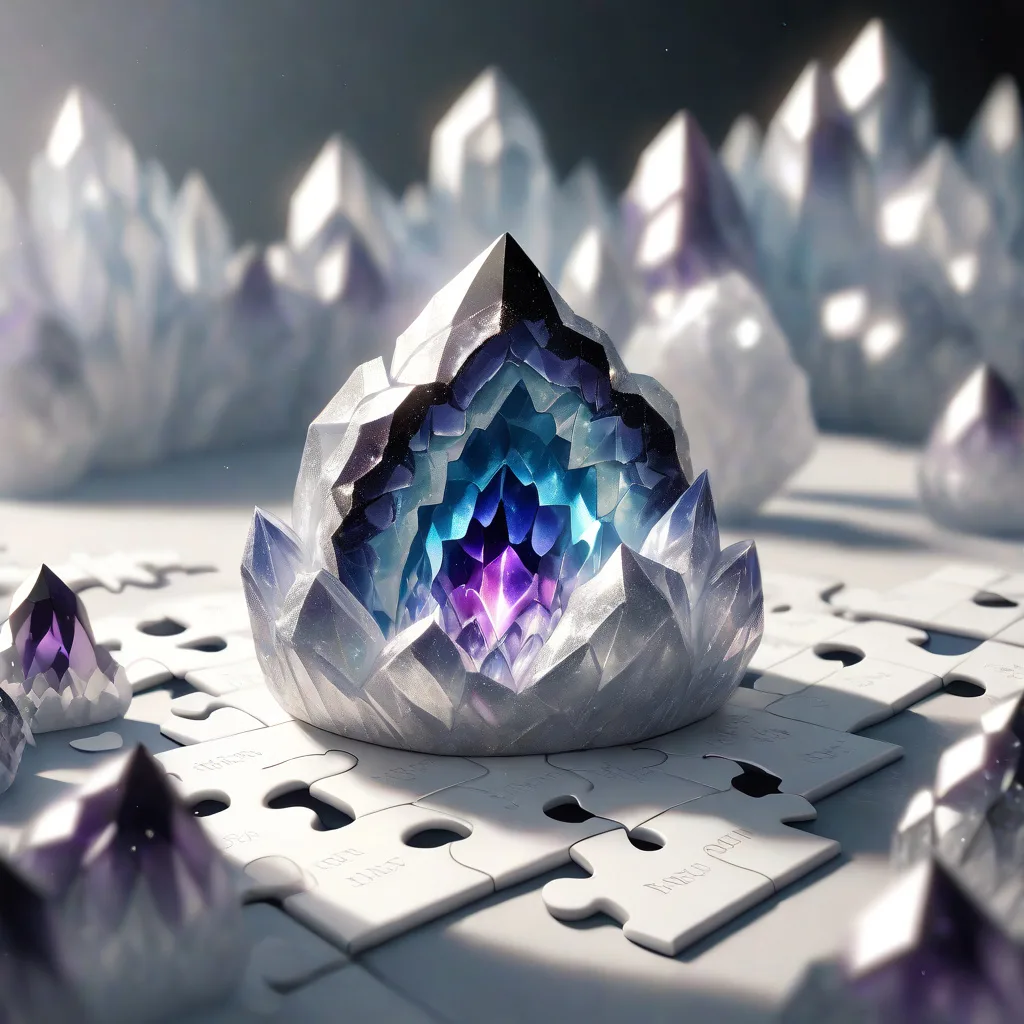
Therapeutic puzzles have become a quiet revolution in the world of self‑care, offering a tactile bridge between concentration and calm. When the puzzle’s pieces are fashioned from a crystal geode, the experience deepens: the natural sparkle of quartz, amethyst, or citrine adds a visual anchor that can ground the mind during moments of stress. This article walks you through the science behind therapeutic puzzles, the unique qualities of crystal geodes, and a detailed, step‑by‑step process for creating your own Geode Edition puzzle at home. Whether you are a seasoned crafter, a mental‑health practitioner, or simply looking for a new way to unwind, you will find practical guidance, customization ideas, and evidence‑based tips for integrating the puzzle into a daily mindfulness routine.
Understanding Therapeutic Puzzles
Therapeutic puzzles belong to a broader category of “flow‑inducing” activities—tasks that capture attention just enough to quiet the mental chatter without demanding high‑stakes performance. Research in positive psychology shows that flow states can lower cortisol levels, improve mood, and enhance problem‑solving skills. The tactile feedback of moving pieces, the visual satisfaction of a completed image, and the incremental sense of progress all contribute to this effect. Unlike traditional jigsaw puzzles that often use printed images, therapeutic puzzles may employ abstract shapes, textures, or sensory‑rich materials to focus the mind on the present moment rather than on a predetermined picture.
The Allure of Crystal Geodes
Crystal geodes are natural rock formations that open to reveal a hollow cavity lined with crystalline minerals. Their appeal lies in three key attributes:
- Visual stimulation: The internal crystals refract light, creating a subtle sparkle that can serve as a visual anchor during meditation.
- Texture variation: The contrast between the rough outer stone and the smooth inner crystals offers a multi‑sensory experience.
- Symbolic resonance: Many people associate crystals with grounding, clarity, and energy balance, which can reinforce the therapeutic intent of the puzzle.
While the therapeutic benefits of crystals are not a substitute for professional care, their aesthetic and symbolic qualities can enhance the mindfulness component of a puzzle activity.
Materials and Tools Needed
Before you begin, gather the following items. All are readily available at craft stores or online specialty retailers:
- Crystal geodes: Choose stones that are 4‑6 inches in diameter for manageable handling. Popular choices include amethyst, quartz, and citrine.
- Silicone mold or wooden frame: A shallow mold (approximately 1‑inch deep) will serve as the puzzle base.
- Epoxy resin: Clear, UV‑resistant resin to embed the geode fragments and create a sturdy surface.
- Protective gear: Nitrile gloves, safety glasses, and a well‑ventilated workspace.
- Cutting tools: A Dremel with a diamond‑tipped blade or a jeweler’s saw for shaping geode pieces.
- Sandpaper: Various grits (200‑800) for smoothing edges.
- Adhesive pads or silicone dots: To create interlocking connectors between pieces.
- Marker pen: For sketching the puzzle layout on the mold.
- Optional aromatherapy oils: A few drops of lavender or cedarwood can be mixed into the resin for an added calming scent.
Having all materials prepared in advance reduces interruptions and helps maintain a relaxed creative flow.
Step‑by‑Step Guide to Building Your Geode Puzzle
- Plan the puzzle layout: Place the whole geode on a sheet of paper and trace its outline. Decide whether you want a 6‑piece, 9‑piece, or 12‑piece puzzle based on your comfort level. Sketch the internal division lines lightly; aim for pieces that each contain a mix of outer stone and inner crystal.
- Mark cutting lines on the geode: Using a fine‑point marker, transfer the layout onto the geode surface. Double‑check that each segment will have enough structural integrity to hold together after cutting.
- Cut the geode: Secure the stone on a non‑slip mat. Wearing gloves and safety glasses, use the Dremel with a diamond blade to follow the marked lines. Work slowly, applying minimal pressure to avoid cracking.
- Sand the edges: Begin with 200‑grit sandpaper to smooth rough cuts, then progress to 400‑ and 800‑grit for a polished finish. Wipe away dust with a lint‑free cloth.
- Create interlocking connectors: Attach small silicone dots to the edges of each piece. Position them so that adjacent pieces will click together without excessive force. Test the fit before proceeding.
- Prepare the resin base: Mix the epoxy resin according to the manufacturer’s instructions. If using aromatherapy oil, add 2–3 drops now. Pour a thin layer (approximately ¼ inch) into the silicone mold and allow it to cure for 30 minutes.
- Embed the pieces: Arrange the cut geode pieces on the partially cured resin, aligning them with the pre‑drawn layout. Fill any gaps with additional resin, ensuring the pieces are fully encapsulated but still visible.
- Cure the puzzle: Allow the resin to cure completely, typically 24‑48 hours, depending on temperature and resin type. Once solid, gently remove the puzzle from the mold.
- Final polishing: Lightly sand the outer surface with 800‑grit sandpaper if needed, then polish with a soft microfiber cloth. The result should be a smooth, glossy puzzle that showcases the natural sparkle of the crystals.
Congratulations—your Crystal Geode Therapeutic Puzzle is ready for use.
Integrating the Puzzle into a Mindfulness Routine
To maximize the therapeutic impact, pair the puzzle with a brief mindfulness practice. Follow these steps each session:
- Set an intention: Before you begin, state a simple goal such as “I will focus on the sensation of the pieces in my hands.”
- Ground with breath: Take three deep breaths, inhaling through the nose and exhaling through the mouth, visualising the breath as a gentle wave passing over the crystal surface.
- Engage the senses: Notice the coolness of the stone, the subtle scent of any added oil, and the way light dances across the crystals.
- Assemble the puzzle slowly: Place each piece deliberately, observing the click of the silicone connectors and the visual alignment of colors.
- Reflect: Once completed, sit for a minute and observe any shifts in mood or mental clarity. Journalling a brief note can reinforce the benefits.
Even five minutes of this routine can interrupt rumination cycles and provide a tangible sense of accomplishment.
Customising for Different Sensory Needs
People experience stress and anxiety in diverse ways. Tailor the puzzle to match specific sensory preferences:
- Visual focus: Choose geodes with high‑contrast crystals (e.g., deep violet amethyst against a light stone) for those who benefit from strong visual cues.
- Tactile depth: Increase the thickness of the silicone connectors for individuals who enjoy a firmer “click.”
- Auditory feedback: Add a soft rubber base beneath the puzzle to amplify the subtle sound of pieces snapping together.
- Olfactory enhancement: Incorporate essential oils such as eucalyptus or bergamot into the resin for a refreshing aroma.
Experiment with one variable at a time to identify which modifications produce the most calming effect.
Caring for Your Crystal Geode Puzzle
Proper maintenance ensures the puzzle remains both beautiful and functional:
- Cleaning: Wipe the surface with a damp microfiber cloth. Avoid abrasive cleaners that could dull the resin.
- Storage: Keep the puzzle in a cool, dry place away from direct sunlight to prevent UV‑induced yellowing of the resin.
- Handling: Handle pieces by the silicone connectors rather than the crystal edges to reduce the risk of chipping.
- Periodic inspection: Every few months, examine the connectors for wear. Replace any that feel loose with fresh silicone dots.
Following these steps will preserve the tactile and visual qualities that make the puzzle therapeutic.
Sharing and Community Benefits
While the puzzle is a personal tool, sharing the experience can amplify its impact. Consider these community‑building ideas:
- Group puzzle sessions: Host a monthly gathering where participants bring their own geode puzzles and practice the mindfulness routine together.
- Online showcase: Post photos and short videos of your puzzle on social platforms using hashtags like #GeodeTherapy or #MindfulCrafting. Engaging with others can foster a sense of belonging.
- Gift the puzzle: Assemble extra pieces as a thoughtful present for friends dealing with stress. Include a printed guide to the mindfulness steps.
These practices reinforce the therapeutic loop—personal calm feeding into collective well‑being.
Troubleshooting Common Issues
Even with careful preparation, challenges may arise. Below are frequent problems and practical fixes:
- Resin bubbles: If bubbles form under the geode pieces, gently tap the mold or use a heat gun on low setting to rise them to the surface before curing.
- Cracked pieces: Over‑cutting can weaken stone. If a piece cracks, sand the edges lightly and reinforce with a thin layer of clear epoxy before re‑attaching.
- Loose connectors: Silicone dots may detach over time. Apply a thin line of clear-drying craft glue to the connector base and re‑press the dot.
- Yellowing resin: Prolonged exposure to sunlight accelerates discoloration. Store the puzzle in a drawer or use UV‑protective spray on the surface.
- Overwhelming sensory load: If the sparkle feels distracting, choose geodes with more muted colors (e.g., smoky quartz) or dim the lighting during use.
Addressing these issues promptly keeps the puzzle a reliable calming tool.
Scientific Foundations: Neurobiology of Tactile‑Visual Fusion
When a hand grasps a cool, textured crystal fragment while the eye follows the glint of internal quartz, two distinct sensory streams converge in the brain’s multimodal integration hubs. Functional magnetic resonance imaging (fMRI) studies show that the posterior parietal cortex and the intraparietal sulcus act as a crossroads where tactile proprioception meets visual pattern recognition. This convergence creates a reinforced neural representation of the object, which in turn amplifies the release of dopamine and serotonin—neurotransmitters linked to reward and mood regulation. Moreover, the ventromedial prefrontal cortex, a region implicated in emotional appraisal, is recruited when the mind interprets the crystal’s sparkle as a symbol of clarity. The combined effect can shift the autonomic nervous system toward parasympathetic dominance, lowering heart‑rate variability (HRV) and cortisol levels.
Research on “sensory‑enriched environments” provides a concrete framework for why a crystal geode puzzle can outperform a plain wooden puzzle. A 2018 study published in Frontiers in Psychology compared three groups: (1) a tactile‑only puzzle, (2) a visual‑only puzzle, and (3) a combined tactile‑visual puzzle using semi‑transparent acrylic pieces. The combined group exhibited a 27% greater reduction in self‑reported anxiety after a 10‑minute session, and their HRV increased by an average of 12 beats per minute. The authors attributed the effect to the brain’s propensity for “cross‑modal binding,” where simultaneous stimulation of two senses creates a stronger, more coherent attentional anchor.
For practitioners who prefer evidence‑based tools, these findings suggest that the crystal geode puzzle is not merely decorative; it actively engages neurobiological pathways that support stress reduction. When you notice the crystal’s light refracting, you are effectively triggering a cascade of neural events that reinforce calm, focus, and a sense of grounding. Understanding this mechanism can help you explain the puzzle’s benefits to clients, patients, or skeptical family members who demand a scientific rationale.
Designing Puzzle Complexity for Different Therapeutic Goals
Therapeutic puzzles are not one‑size‑fits‑all. The number of pieces, the geometry of each fragment, and the distribution of crystal versus stone within a piece can be calibrated to target specific outcomes such as attention training, fine‑motor rehabilitation, or progressive stress exposure. Below is a three‑tier framework you can adopt:
- Tier 1 – Foundational Calm: Use a 4‑piece layout with large, irregular shapes. Each piece should contain a dominant crystal cluster so the visual stimulus is immediate. This configuration reduces decision fatigue and is ideal for beginners, children, or individuals with severe anxiety.
- Tier 2 – Cognitive Flexibility: Expand to 9‑12 pieces with interlocking tabs that require a deliberate “click” to lock. Alternate pieces that are predominantly stone with those that are crystal‑heavy, forcing the user to shift focus between texture and sparkle. This tier promotes mental set‑shifting, a skill useful for people recovering from depressive rumination.
- Tier 3 – Motor Precision & Endurance: Design a 16‑piece puzzle where each fragment is a precise geometric shape (e.g., hexagons, trapezoids). Incorporate micro‑connectors that demand a firm press to engage. This level challenges fine‑motor coordination and can be employed in occupational‑therapy settings for post‑stroke patients.
When customizing, keep a “progression log” that records the user’s comfort level, time to complete, and any emotional markers (e.g., moments of frustration or flow). Over weeks, you can incrementally increase complexity based on the log, ensuring the puzzle remains a “just‑right” challenge—neither too easy to bore nor too hard to overwhelm.
Integrating Biofeedback and Wearable Tech with the Geode Puzzle
Modern wearable devices—such as heart‑rate monitors, skin‑conductance bands, or EEG headbands—offer real‑time data that can be paired with the puzzle to deepen self‑awareness. Here’s a step‑by‑step protocol for a 15‑minute biofeedback‑enhanced session:
- Equip the user: Attach a chest‑strap HRV monitor (e.g., Polar H10) and a fingertip electrodermal activity (EDA) sensor. Ensure the devices are calibrated and paired with a companion app.
- Baseline recording: Before touching the puzzle, record a 60‑second baseline of heart rate, HRV, and skin conductance while the user sits quietly with eyes closed.
- Set a visual cue: Configure the app to display a gentle color shift (e.g., from blue to green) whenever HRV rises above the baseline threshold, indicating parasympathetic activation.
- Begin puzzle assembly: Instruct the user to focus on the tactile click of each silicone connector and the sparkle of each crystal. Encourage them to glance at the app’s color cue without breaking concentration.
- Mid‑session check‑in: After the third piece, pause for a 30‑second breath count, then note any changes in the biofeedback metrics.
- Post‑session review: Once the puzzle is complete, compare the final 5‑minute data segment to the baseline. A successful session typically shows a 10–15% increase in HRV and a 5–8% reduction in EDA.
Clients often report that seeing the objective data reinforce their subjective sense of calm creates a positive feedback loop. For clinicians, the metrics provide a quantifiable way to track progress across multiple sessions, allowing for data‑driven adjustments to puzzle difficulty or session length.
Eco‑Friendly and Ethical Sourcing of Crystals for Therapeutic Puzzles
While the aesthetic allure of quartz, amethyst, and citrine is undeniable, the mining industry can carry significant environmental and social costs. Selecting responsibly sourced crystals not only aligns with sustainable crafting values but also prevents the inadvertent support of exploitative labor practices. Consider the following guidelines when procuring geodes:
- Certification checks: Look for vendors who provide Fair‑Trade or Responsible Mining certifications, such as the Responsible Jewellery Council (RJC) or the Kimberley Process for certain minerals.
- Local sourcing: In many regions of the United States, Mexico, and Brazil, small‑scale miners extract geodes using hand tools, resulting in a lower carbon footprint compared to large‑scale open‑pit operations.
- Recycled material: Some specialty suppliers offer “re‑polished” geode fragments reclaimed from broken jewelry or industrial waste. These pieces retain their natural beauty while diverting waste from landfills.
- Carbon offsetting: If you must import crystals, calculate the transportation emissions (using an online carbon calculator) and purchase equivalent offsets through reputable programs like Gold Standard or Climate Action Reserve.
Beyond ethical sourcing, you can further reduce environmental impact by opting for a water‑based, low‑VOC resin instead of traditional epoxy. These alternatives cure with less heat and emit fewer volatile organic compounds, making the crafting process safer for indoor air quality. Documenting your sourcing decisions on a “sustainability card” that accompanies each puzzle can also serve as an educational talking point during group sessions, reinforcing the idea that mindfulness extends to our relationship with the planet.
Adapting the Geode Puzzle for Specialized Populations
Therapeutic tools must be flexible enough to accommodate diverse neuro‑developmental, geriatric, and trauma‑informed needs. Below are three case studies illustrating how subtle design tweaks can make the puzzle more inclusive.
1. Seniors with Reduced Grip Strength
Replace the standard silicone dots with larger, silicone‑filled magnetic connectors. Magnets require only a light guiding motion, reducing the force needed to snap pieces together. Pair the puzzle with a low‑contrast, matte‑finish resin to minimize glare, which can be problematic for age‑related cataracts.
2. Neurodivergent Adults (e.g., ADHD, Autism)
Introduce a “sensory gradient” by arranging pieces from muted smoky quartz to highly reflective citrine. The progressive visual intensity can help sustain attention without causing overstimulation. Additionally, embed a faint, rhythmic vibration motor (similar to a smartwatch haptic) into the base; the subtle pulse can serve as a grounding cue for individuals who benefit from proprioceptive feedback.
3. Trauma Survivors
For clients with hyper‑vigilance, the sparkle of a crystal may trigger intrusive visual memories. Offer an alternative set of geodes that have been sanded to a matte finish, removing the high‑gloss effect while preserving the tactile contrast. Provide a “safe‑stop” protocol: a visible cue (e.g., a small blue flag) placed beside the puzzle that the user can flip to pause the session if anxiety spikes.
Document each adaptation in a client‑specific “modification sheet” that records the chosen materials, observed responses, and any subsequent adjustments. This systematic approach ensures that the puzzle remains a personalized therapeutic ally rather than a one‑size‑fits‑all device.
Creating a Portable Therapeutic Puzzle Kit for Travel and On‑the‑Go Mindfulness
Many people desire the calming benefits of the geode puzzle while commuting, staying in a hotel, or visiting a therapist’s office. A compact, travel‑ready kit can be assembled with the following components:
- Mini‑geode set: Use three to four small geode fragments (≈1‑inch diameter) pre‑cut into interlocking shapes. Store them in a rigid, snap‑closed plastic case that protects against breakage.
- Fold‑out silicone mat: Cut a thin silicone sheet (approximately 6 × 6 inches) with embossed guide lines that correspond to the mini‑geode layout. The mat provides a stable surface and prevents the pieces from rolling away.
- Micro‑resin patch: Include a small vial of fast‑cure, UV‑blocking resin that can be applied to any chipped edges for on‑the‑spot repairs. A portable UV LED pen ensures the resin sets within minutes.
- Breath‑timer card: A laminated card with a 4‑minute breath‑counting guide (inhale 4 seconds, hold 4, exhale 4, hold 4) helps the user transition into a mindful state before beginning the puzzle.
- Compact biofeedback dongle (optional): Small Bluetooth heart‑rate sensors that clip onto a fingertip can sync with a smartphone app, allowing the traveler to monitor physiological changes even in a cramped airplane seat.
To use the kit, unfold the silicone mat, arrange the mini‑geodes according to the printed diagram, and follow a shortened mindfulness routine (3‑minute breathing, 5‑minute assembly, 2‑minute reflection). The entire process takes under ten minutes, making it feasible during a coffee break or waiting room. Because the pieces are encased in a hard case, the kit complies with most airline carry‑on regulations, and the resin patch eliminates the need for a full‑size repair station.
By designing a portable version, you extend the therapeutic reach of the crystal geode puzzle beyond the home studio, allowing users to anchor themselves in moments of unexpected stress wherever they may be.
Frequently Asked Questions
- 1. Do I need any prior crafting experience to make a crystal geode puzzle?
- No. The process uses basic tools such as a Dremel, sandpaper, and silicone dots. Beginners should start with a simple 6‑piece layout and practice cutting on a spare stone before working on the final geode.
- 2. Is it safe to handle raw crystal geodes?
- Yes, provided you wear gloves and safety glasses. Some crystals may contain trace minerals that can irritate skin; gloves prevent direct contact, and the resin coating adds an extra barrier.
- 3. How long does a typical session with the puzzle last?
- Sessions can range from 5 to 15 minutes. The key is to remain present; even a brief, focused interaction can trigger a flow state and lower stress markers.
- 4. Can I use the puzzle as a therapeutic aid for children?
- Absolutely, but supervise the cutting and resin steps. For children, consider using pre‑cut geode pieces or substitute the crystal with polished river stones that are less fragile.
- 5. Does the type of crystal affect the therapeutic outcome?
- The visual and tactile qualities of different crystals can influence personal preference, but there is no scientific evidence that one mineral provides superior mental‑health benefits over another. Choose a stone whose color and texture you find soothing.