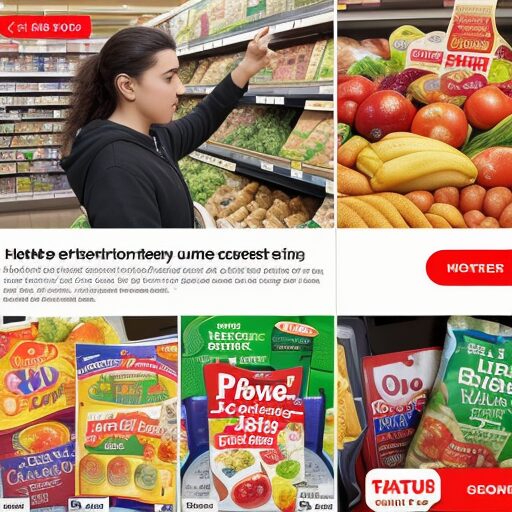
Reducing Food Waste Through Community
An estimated 30-40% of the US food supply is wasted each year. This excessive waste harms the environment and highlights breakdowns in our food system. Many well-meaning individuals and organizations are working to address this complex issue.
Key takeaways
- Purchase surplus groceries like meat, produce, and dairy at discounts ranging from 30% to 80% off.
- Use the app to browse, pay for, and reserve items for convenient in-store pickup.
- Help the environment by diverting edible food from landfills and reducing greenhouse gas emissions.
- Access affordable, high-quality groceries while helping retailers manage their surplus inventory effectively.
Connecting Retailers and Shoppers
A new app called Flashfood aims to reduce food waste by connecting shoppers with grocery items nearing their best-by dates. Retail partners upload surplus items, and shoppers can browse deals, purchase items at deep discounts, and pick them up from the store.
Saving Money and Helping the Planet
For budget-conscious shoppers, Flashfood offers significant savings on quality products. By diverting food from landfills, it also reduces greenhouse gas emissions from rotting organic waste. The app incentivizes better inventory management by retailers as well.
Building a Sharing Community
At its heart, Flashfood is about bringing people together. It enables retailers to share surplus food at fair prices rather than discard items. And it allows shoppers to access bargains on items they may not otherwise afford. This sharing strengthens community ties.
Expanding Across North America
Since launching in Canada in 2016, Flashfood has grown rapidly. It’s now partnered with over 1,750 grocery locations across North America. As it expands, Flashfood aims to rescue even more food while saving shoppers money.
Mastering the “Surprise Box” Strategy
While standard listings allow you to cherry-pick specific items, the “Surprise Box” feature is the secret weapon for power users. Retailers often bundle produce that is perfectly fine but aesthetically imperfect—such as bruised apples, slightly soft peppers, or bananas with brown spots—into a single discounted box. To maximize value, treat these boxes as a culinary challenge. Because the contents are variable, you gain the opportunity to practice “gap cooking,” where you supplement a box of produce with pantry staples you already own. For example, a box of slightly overripe tomatoes and onions is the perfect catalyst for a large batch of homemade marinara or gazpacho, turning a $5 purchase into multiple meals. When picking up these boxes, check them immediately at the designated store zone. If a specific item is entirely unusable, store managers are often authorized to provide a partial credit or replace the item if stock permits.
Strategic Timing for Peak Inventory Drops
Understanding the operational rhythm of your local grocery store is essential for securing the best deals. Most participating retailers update their Flashfood inventory during specific windows, usually late morning or early afternoon, to account for the day’s shelf-clearing process. If you notice your preferred store has sparse inventory, try checking the app at 10:00 AM or 2:00 PM. Additionally, mid-week is often superior to weekends. On weekends, stores are busier and staff are less likely to prioritize the manual labor of scanning and uploading surplus items. By monitoring your local stores for a few days, you can create a “mental map” of their upload schedule, allowing you to snag high-demand items like premium cuts of meat or artisanal cheeses before they are claimed by other savvy shoppers.
Navigating Best-By vs. Use-By Dates
A common hurdle for new users is the psychological barrier of purchasing “nearing-date” food. It is crucial to distinguish between “best-by” (quality) and “use-by” (safety) labels. Flashfood items are often pulled when they are within 48 to 72 hours of their best-by date, meaning they are still at peak nutritional value and safety. For meat products, the app provides a perfect opportunity for “freezer-ready” shopping. If you see ground beef or chicken at 50% off, purchase it with the intent of moving it directly to your home freezer upon arrival. This effectively pauses the expiration clock, allowing you to reap the financial benefits of a clearance item without the immediate pressure to cook it that evening. Always bring an insulated cooler bag to the store, as maintaining the cold chain during your commute home is the best way to ensure the quality of your rescued items remains high.
Optimizing Your Kitchen Workflow for Flashfood Hauls
Integrating Flashfood into your grocery routine requires a shift in how you plan meals. Instead of planning a menu and buying ingredients to match, try “inventory-first” meal planning. When you score a haul—perhaps a discounted rotisserie chicken, a bag of spinach, and a carton of yogurt—these items become the anchor points for your week. To avoid the “I bought it, but now it’s rotting in my fridge” trap, keep a whiteboard or a digital note on your phone that lists your Flashfood purchases by their expiration dates. By prioritizing the items with the shortest shelf lives first, you eliminate the guilt of waste and ensure that every dollar spent translates into a consumed meal. If you end up with an abundance of one item, such as a bulk pack of discounted berries, look into preservation techniques like dehydrating, freezing, or quick-pickling to extend their life well beyond the store’s suggested date.
The Role of Store Layouts and Pickup Logistics
Every store manages its Flashfood program slightly differently, and understanding the logistics of your specific location is vital. Some stores maintain a dedicated, refrigerated “Flashfood Fridge” near the front entrance, while others may require you to visit the customer service desk or the meat department to retrieve your items. Familiarize yourself with the store’s protocol by asking an employee during your first visit. If you are frequently shopping at multiple locations, save them as “favorites” in the app to receive push notifications when new items are added to their inventory. This is particularly useful for busy professionals who cannot constantly refresh the app but want to be alerted the moment a high-value item, such as a premium steak or a large block of cheese, hits the list.
Handling Edge Cases and App Troubleshooting
Occasionally, you may arrive at a store only to find that the item you purchased is missing from the shelf or has been inadvertently sold to a walk-in customer. While rare, these edge cases can be frustrating. The app includes a built-in support feature designed to handle these discrepancies. If you find an item is missing, take a photo of the shelf where it should be and use the “Report an Issue” function within your order history. Most users report that support is responsive and will issue a refund or app credit promptly. Do not be discouraged by the occasional hiccup; view it as a small cost of participating in a system that is actively reducing the massive environmental impact of commercial food waste. By being patient and communicating clearly with store staff, you help keep the program running smoothly for everyone.
Leveraging Flashfood for Sustainable Bulk Meal Prep
Beyond daily savings, Flashfood is an incredible tool for those interested in bulk meal prep on a budget. If you find yourself needing to stock up on proteins for a month of lunches, you can use the app to source ingredients at a fraction of the cost. For example, if you see a surplus of pork loins or ground turkey, you can buy enough to fill your freezer for weeks. This “bulk rescue” approach not only saves you money but also reduces your total number of trips to the grocery store, further lowering your carbon footprint. When you approach the app as a source for bulk raw materials rather than just individual meal ingredients, the savings often compound, allowing you to allocate your grocery budget toward higher-quality organic or locally sourced goods that you might otherwise find too expensive.
Frequently Asked Questions
How does Flashfood work?
Grocery partners upload surplus close-dated items to the app. Shoppers can browse deals, reserve items, and pick them up in-store at big discounts. Retailers then divert items from waste streams.
What kind of items are available?
Flashfood carries a wide variety including meat, produce, dairy, bakery, packaged goods, and more. Inventory varies based on a store’s surplus items.
How much can I save?
Discounts typically range from 30-80% off regular prices. Exact savings depend on the item, quantity, and store. Shoppers regularly see 50%+ discounts.
How do I pay and pick up items?
Shoppers pay for reserved items via the app, then pick up purchases from designated Flashfood sections in partner grocery stores.
Who can use Flashfood?
Anyone can browse and purchase items in the app! Just search for nearby grocery partners to start saving money and reducing waste.
Related posts:
 Victoria’s Secret Activewear Deals
 Prime Member Whole Foods Discount
 Target’s Same-Day Delivery Revolution Coming in 2018
 Understanding Meat Extenders
 Whole Foods Changes Under Amazon
 Amazon Prime Now Delivers Whole Foods to Your Door
 Common Thoughts During Grocery Shopping
 Memorial Day Patio Furniture Deals