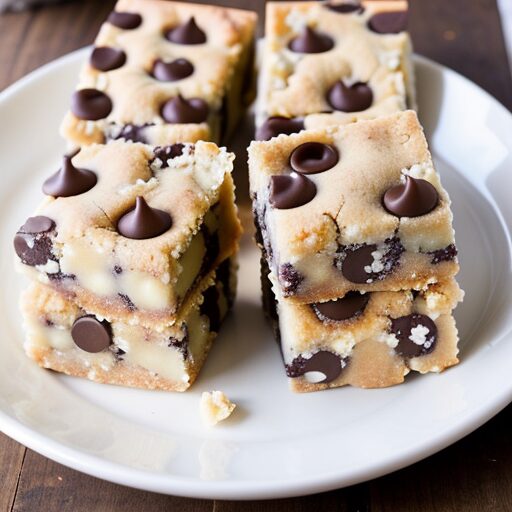
Who says you can’t have dessert for breakfast? With this healthy cookie dough bar recipe, you can start your day with a sweet treat that’s also packed with nutritious ingredients. These bars are easy to make, require no baking, and are perfect for on-the-go mornings or a midday snack. Let’s dive into the recipe that will transform your breakfast routine!
Why You’ll Love These Cookie Dough Bars
- No-bake and easy to prepare
- Loaded with healthy fats and proteins
- Refined sugar-free, making them a guilt-free indulgence
- Perfect for meal prep and on-the-go snacking
Ingredients You’ll Need
- 1 cup almond flour
- 1/2 cup peanut butter
- 1/4 cup maple syrup or honey
- 1 teaspoon vanilla extract
- 1/4 cup almond milk
- 1/2 cup rolled oats
- 1/3 cup dark chocolate chips
- A pinch of sea salt
Step-by-Step Instructions
- In a large bowl, combine almond flour, peanut butter, maple syrup, vanilla extract, and almond milk. Mix until a dough forms.
- Fold in the rolled oats, dark chocolate chips, and a pinch of sea salt.
- Line a square baking dish with parchment paper and press the dough evenly into the dish.
- Place in the refrigerator for at least an hour to set.
- Once set, cut into bars and enjoy!
Customizing Your Cookie Dough Bars
One of the best things about these cookie dough bars is how customizable they are. Here are a few suggestions to make them your own:
- Add in some chia seeds or flaxseeds for an extra boost of omega-3s.
- Mix in a scoop of your favorite protein powder for a protein-packed snack.
- Use different types of nut butter or a nut-free alternative to cater to allergies.
- Throw in some dried fruit or nuts for added texture and flavor.
Nutritional Information
These cookie dough bars are not only delicious but also provide a good balance of macronutrients. Here’s an estimate of the nutritional content per bar:
- Calories: 220
- Protein: 6g
- Carbohydrates: 18g
- Fats: 14g
- Sugar: 9g
- Fiber: 3g
Mastering the Texture: The Science of Binding and Moisture
Achieving that signature cookie dough consistency without the use of eggs or heat requires a delicate balance of moisture and dry ingredients. If your mixture feels too crumbly, it is often due to the absorbency of the almond flour used. Different brands vary in coarseness; if you find the dough is not holding together, add almond milk one teaspoon at a time. Conversely, if your dough is too sticky, a quick fix is adding a tablespoon of coconut flour, which acts as a powerful moisture sponge. For the best structural integrity, always use room-temperature nut butter, as cold nut butter will be difficult to incorporate smoothly and can lead to uneven pockets of fat throughout the bars.
Flavor Profiles: Beyond the Classic Peanut Butter
While peanut butter is a crowd-pleaser, you can completely shift the flavor profile of these bars by swapping the base. For a decadent, “cake-batter” vibe, use cashew butter; it has a neutral, buttery flavor that allows vanilla and almond extracts to shine. If you prefer a sophisticated, earthy profile, tahini works remarkably well, especially when paired with white chocolate chips and a sprinkle of sesame seeds. For those who want to lean into the breakfast theme, try using almond butter mixed with a tablespoon of espresso powder for a mocha-inspired bar that provides a gentle morning caffeine kick.
Strategic Add-ins for Texture and Nutrient Density
Texture is what separates a good bar from a professional-grade snack. To prevent the bars from feeling one-dimensional, consider adding “crunch” elements that won’t go soft in the fridge. Cacao nibs are an excellent alternative to chocolate chips if you want to reduce sugar content while adding a bitter, sophisticated crunch. Hemp hearts are another powerhouse addition; they are virtually tasteless but pack a significant amount of plant-based protein and healthy fats. For a chewy contrast, finely diced dried apricots or goji berries work wonders, providing a tart acidity that cuts through the richness of the nut butter and maple syrup.
The Art of the No-Bake Set: Temperature and Timing
The refrigerator is your most important tool in this recipe, but timing matters. If you are in a rush, you can place the dish in the freezer for 20 minutes to firm up the fats quickly. However, for the best flavor development, allowing the bars to sit in the fridge for at least four hours—or ideally overnight—allows the oats to hydrate properly and the flavors of the vanilla and salt to permeate the nut butter base. When cutting the bars, use a sharp chef’s knife that has been run under hot water and wiped dry. This simple trick prevents the blade from sticking to the chocolate chips and ensures clean, crisp edges for a beautiful presentation.
Scaling for Batch Cooking and Long-Term Storage
These bars are the perfect candidate for “Sunday Prep” sessions. When scaling the recipe up, remember that the ratios remain linear, but you should avoid over-mixing large batches in a food processor, as this can release too much oil from the nut butter, resulting in a greasy final product. Once cut, wrap each bar individually in parchment paper or beeswax wraps. This not only makes them grab-and-go friendly but also prevents them from absorbing any unwanted odors from other items in your freezer. If freezing, these bars stay fresh for up to three months; simply move one to the fridge the night before you plan to eat it to reach the perfect, chewy consistency.
Troubleshooting Common Consistency Issues
Even experienced kitchen-dwellers run into trouble with no-bake recipes. If your bars seem “oily” on the surface, it is likely the peanut butter separated during the setting process. To prevent this, ensure you stir your nut butter thoroughly before measuring, or use a “no-stir” variety that has a stable emulsification. If the bars are too soft at room temperature, it usually means the ratio of liquid to dry ingredients was slightly off. You can rectify this by pressing the bars back into the pan, mixing in an extra quarter-cup of oat flour, and re-chilling. By understanding the interaction between the fiber in the oats and the fats in the nut butter, you can confidently adjust these bars to suit your specific pantry staples.
FAQ
Can I use a different type of flour?
Yes, you can substitute almond flour with coconut flour or oat flour, but you may need to adjust the liquid ingredients accordingly.
How long do these bars last?
Stored in an airtight container in the refrigerator, the bars can last up to a week. You can also freeze them for longer shelf life.
Are these cookie dough bars gluten-free?
Yes, if you use gluten-free certified oats and almond flour, these bars are gluten-free.
Can I make these bars vegan?
Absolutely! Just ensure you use vegan chocolate chips and maple syrup instead of honey.
Can I add extra protein to these bars?
Yes, mix in a scoop of your favorite protein powder to increase the protein content. Just be sure to check the consistency of the dough and add more liquid if necessary.
Related posts:
 Is Peanut Butter Actually a Healthy Snack?
 This Cookie Dough Bar Recipe Is 100% Vegan and Perfect for Anyone On a Health Kick
 Safe Raw Cookie Dough Recipe
 Healthy Homemade Peanut Butter Cup Recipe
 Sweet Tooth Salvation: Sugar-Free Keto Dessert Bites That Actually Taste Amazing
 Guilt-Free Cinnamon Roll Recipe
 Choosing the Healthiest Granola Bar
 Almond Flour or Meal: How to Use It and Where to Get It