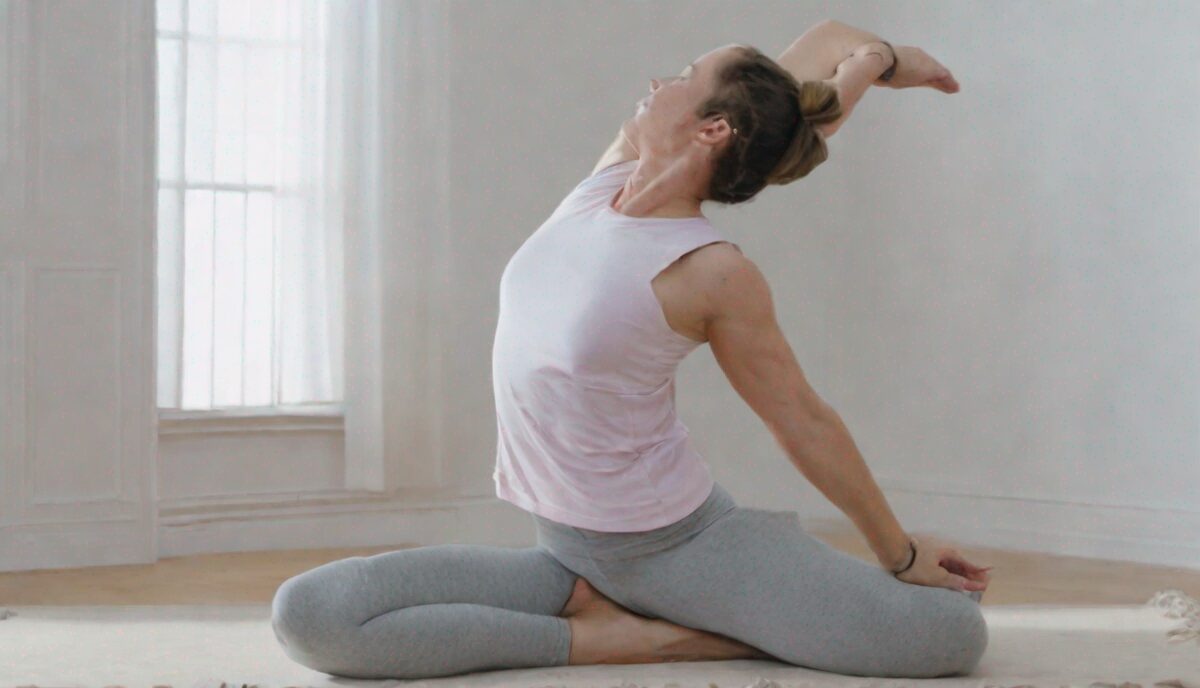
Do you often find yourself hunched over a computer or experiencing stiffness in your shoulders and upper back? Incorporating a simple pillow stretch into your routine could be the solution to releasing that unwanted tension. Let’s explore how this easy-to-do stretch can provide relief and enhance your overall wellbeing.
Understanding the Benefits of Pillow Stretching
Pillow stretching is an effective way to alleviate muscle tightness and improve flexibility. By using a pillow, you can gently support your body into positions that target the shoulders and upper back, promoting relaxation and improved range of motion.
How to Perform the Pillow Stretch
To begin, you’ll need a firm pillow or cushion. Follow these steps:
- Lie flat on your back with your knees bent and feet flat on the floor.
- Place the pillow horizontally under your shoulder blades, ensuring it’s comfortable.
- Extend your arms out to the sides, allowing your shoulders to drop towards the floor.
- Hold this position for 1-2 minutes, focusing on your breath and letting gravity do the work.
- Gently remove the pillow, and take a moment to notice any changes in your body.
Incorporating Pillow Stretching into Your Routine
For the best results, incorporate this stretch into your daily routine. Spend a few minutes each day, either in the morning or before bed, to help your muscles relax and recover from daily stresses.
Additional Tips for Shoulder and Upper Back Care
Apart from pillow stretching, consider these tips for maintaining healthy shoulders and upper back:
- Adjust your workspace ergonomics to promote good posture.
- Take regular breaks to move and stretch during long periods of sitting.
- Strengthen the muscles around your shoulder blades with targeted exercises.
- Practice stress-reducing techniques, such as meditation or deep breathing.
Optimizing Pillow Selection for Targeted Myofascial Release
While a standard bed pillow is accessible, the density and shape of your support tool significantly alter the efficacy of the stretch. For those with chronic “tech neck” or severe thoracic kyphosis, a soft down pillow may compress too quickly, failing to provide the necessary counter-pressure to open the chest cavity. Instead, consider using a high-density foam roller wrapped in a thick towel or a dedicated yoga bolster. These materials provide a stable, non-compressible surface that forces the pectoral muscles to lengthen more aggressively than a plush pillow would. If you are using a standard bed pillow, try folding it in half or rolling it into a tight cylinder and securing it with a pillowcase. This creates a focused point of pressure along the thoracic spine, which helps to decompress the vertebrae more effectively than a flat, wide cushion. For individuals with sensitive spines, placing a small folded hand towel on top of the pillow can create a “cushioning bridge” that prevents the edge of the pillow from digging uncomfortably into the shoulder blades.
The Role of Diaphragmatic Breathing in Spinal Decompression
The pillow stretch is not merely a passive position; it is a dynamic respiratory exercise. When you are positioned with the pillow under your shoulder blades, your rib cage is forced into an expanded state. To maximize the release of tension, you must move beyond shallow chest breathing. Practice diaphragmatic, or “belly,” breathing while in this position. Inhale deeply through your nose, visualizing your lungs expanding downward toward your pelvis rather than upward toward your throat. As you exhale, focus on the sensation of your rib cage melting toward the floor. This rhythmic expansion and contraction act as an internal massage for the intercostal muscles and the diaphragm itself. By synchronizing your breath with the stretch, you activate the parasympathetic nervous system, which signals to the tight, guarded muscles of the upper back that it is safe to release their chronic contraction. Without this conscious breathwork, the body may remain in a state of ‘bracing,’ which limits the depth of the stretch and keeps the trapezius and rhomboids in a state of high-alert tension.
Modifying Arm Positioning for Specific Muscle Groups
The standard “T” arm position is excellent for general chest opening, but you can target specific areas of tension by varying your limb placement. If your primary discomfort is located in the pectoralis minor—a common culprit in rounded-shoulder posture—try the “cactus” or “goalpost” arm position. By bending your elbows at 90-degree angles with your palms facing up, you shift the stretch focus from the center of the chest to the front of the shoulders and the armpits. Alternatively, if you feel tightness radiating into your lats and serratus anterior, reach your arms overhead, extending them toward the wall behind your head while keeping your palms facing each other. This “overhead extension” creates a long line of tension through the entire torso, helping to release the lateral fascial chains that are often neglected in standard back stretches. Move slowly between these variations; if you feel tingling or numbness in your fingers, you are likely compressing the brachial plexus nerves, and you should bring your arms closer to your body immediately.
Addressing the “Hidden” Tension in the Cervical Spine
Often, upper back tension is inextricably linked to the suboccipital muscles at the base of the skull. When the upper back is hunched, the head tilts forward, creating a feedback loop of pain. To address this while performing the pillow stretch, you must ensure your head is supported correctly. If your head hangs too far back, it can strain the neck; if it is propped too high, you lose the chest-opening benefit. Use a second, smaller pillow or a folded washcloth under your head to maintain a neutral cervical spine. By keeping the neck in alignment with the thoracic spine, you allow the stretch to travel all the way up to the base of the skull. Once in position, gently perform “chin tucks”—pulling your chin slightly toward your chest without lifting your head off the support. This subtle movement targets the deep cervical flexors, providing a comprehensive release for the entire posterior chain, from the lumbar junction to the occipital ridge.
Integrating Dynamic Movement to Break Stagnation
Static holding is powerful, but adding controlled movement while the pillow is in place can “floss” the nerves and muscles that have become stuck due to inactivity. While lying on the pillow, try “snow angel” movements with your arms. Slowly slide your hands along the floor from your hips up to your head and back down, keeping your knuckles in contact with the ground at all times. This movement forces the scapulae to glide across the rib cage, which helps to break up adhesions in the fascia that develop from hours of stationary sitting. Perform these movements slowly, focusing on the sensation of the shoulder blades moving independently. If you encounter a “sticky” spot where the movement feels restricted, pause in that position for two or three deep breaths before continuing the arc. This active approach turns a passive stretch into a mobility drill, training your shoulders to move through their full range of motion without the constant interference of muscle guarding.
Contraindications and Safety Considerations for Spinal Health
While the pillow stretch is generally restorative, it is vital to approach it with caution if you have a history of spinal pathology. Individuals with herniated discs, severe spondylolisthesis, or osteoporosis should avoid this stretch unless specifically cleared by a physical therapist. The extension of the thoracic spine can increase pressure on the posterior elements of the vertebrae, which may exacerbate existing injuries. Furthermore, if you suffer from vertigo or acid reflux, lying flat with your chest elevated can be problematic. For those with reflux, perform this stretch on an empty stomach and ensure that your head is slightly more elevated than your shoulders to prevent gastric distress. Always exit the stretch by rolling onto your side first rather than sitting straight up; this “log roll” technique protects your lumbar spine from the sudden shear force of moving from an extended position to a seated one, ensuring that the progress you just made in your upper back is not undone by strain in your lower back.
FAQs About Pillow Stretching
Can pillow stretching help with neck pain?
Yes, pillow stretching can also benefit the neck by relieving tension in the surrounding muscles and improving flexibility.
How often should I do the pillow stretch?
Performing the pillow stretch daily can yield the best results, but even a few times a week can be beneficial.
Is the pillow stretch suitable for everyone?
While the pillow stretch is gentle, it’s always best to consult with a healthcare professional before starting any new exercise, especially if you have existing conditions.
What type of pillow should I use for the stretch?
A firm pillow or a specialized yoga bolster works best to provide adequate support for your upper back.
Can the pillow stretch improve posture?
Yes, by releasing tension in the upper back and shoulders, the pillow stretch can contribute to better posture over time.
Related posts:
 How to Stretch Safely Without Going Too Far
 Stretch Your Way to a Pain-Free Upper Back: A Step-by-Step Guide
 The Perfect Reversible Pillow
 Pillow Talk: The Perfect Number for Better Sleep
 5 Shoulder Exercises That’ll Remedy Rounded Shoulders Fast
 Coop Eden Pillow Experience
 Desk Yoga for Back Pain Relief
 The Perfect Number of Pillows for a Restful Night’s Sleep