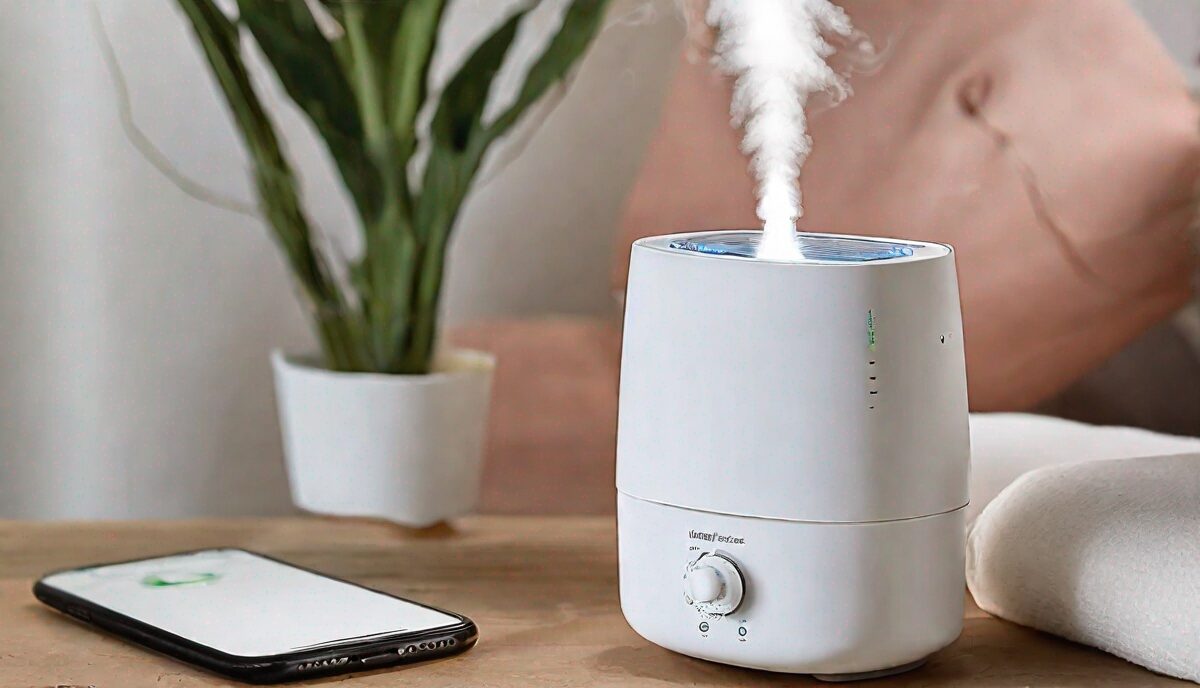
Humidifiers can provide soothing relief for dry skin, stuffy noses, and irritated sinuses when the air is dry. With portable options now widely available, having clean moisture on-hand whenever and wherever you need it is easy.
How Portable Humidifiers Work
A portable humidifier is a small, lightweight device that increases moisture levels in the surrounding air. Most models work by ultrasonically vibrating a diaphragm at high frequencies to create a cool mist from the water reservoir. The mist is then released into the air to humidify and refresh your personal space.
Relief from Dry Air Discomforts
Using a portable humidifier can help alleviate common issues caused by dry air, including:
- Dry, itchy skin
- Chapped lips
- Stuffy nose and sinus congestion
- Sore throat or cough
- Irritated eyes
The added moisture from the humidifier soothes these irritations, acting as a simple, drug-free option for finding relief.
Wellness Benefits
Beyond just relief from dryness issues, portable humidifiers offer some key wellness advantages:
- Better sleep – Proper humidity levels allow for deeper, more restorative sleep.
- Healthier airways – Added moisture may help thin mucus secretions and clear airways.
- Hydrated skin – Humidifying refreshes and rehydrates the skin’s outer layers.
- Soothed sinuses – Moisture can help shrink swollen nasal membranes and open sinus passages.
Choosing a Portable Model
When selecting a portable humidifier for your needs, key factors to consider include:
- Size – Look for a compact model that’s easy to pack and transport.
- Tank capacity – Bigger tanks allow for longer runtimes before needing a refill.
- Misting power – Check mist output to cover your desired area.
- Noise level – Quieter models won’t disturb light sleepers.
- Auto shut-off – An automatic safety shut-off prevents potential mold issues if water runs too low.
Optimizing Water Quality and Mineral Management
The longevity of your portable humidifier and the quality of the mist it produces depend heavily on the water you use. Many users mistakenly reach for tap water, which often contains high concentrations of calcium, magnesium, and other minerals. When these minerals are atomized by the ultrasonic diaphragm, they are released into the air as “white dust”—a fine, chalky residue that settles on your furniture, electronics, and even inside your own respiratory tract.
To mitigate this, prioritize using distilled or demineralized water. Distilled water is free from dissolved solids, ensuring that your device remains free of scale buildup. If distilled water is unavailable, consider using a filtered water pitcher, though note that this only removes chlorine and some impurities, not all minerals. Furthermore, many portable units feature replaceable demineralization cartridges. If your model supports these, replace them every 30 to 60 days to prevent mineral crusting on the ultrasonic transducer, which can significantly reduce mist output over time.
Strategic Placement for Maximum Efficacy
Where you position your device is just as critical as its technical specifications. Because portable humidifiers are designed for personal spaces rather than whole-home coverage, they function best when placed at “breathing level.” Avoid placing your humidifier on the floor, as the mist needs to travel upward to reach your nose and mouth effectively. A nightstand, desk, or side table is ideal.
However, be mindful of proximity. Placing the device directly next to sensitive electronics, such as a laptop or a router, can lead to localized moisture accumulation. Maintain a distance of at least two to three feet from hardware. Additionally, avoid placing the unit on absorbent surfaces like wood or fabric, as constant moisture exposure can cause warping or staining over time. Using a small, waterproof coaster or a silicone mat beneath the unit provides an easy, low-profile barrier that protects your furniture while ensuring stable operation.
Mastering the Cleaning Ritual
A portable humidifier is a warm, damp environment—the perfect breeding ground for bacteria and mold if neglected. A weekly rinse is often insufficient. To perform a deep clean, start by emptying the tank and removing the filter or wick. Use a mixture of equal parts white vinegar and water to soak the tank for 30 minutes, which will dissolve any stubborn mineral deposits. Use a soft-bristled toothbrush to gently scrub the ultrasonic plate, as this component is delicate and easily damaged by abrasive tools.
After descaling, sanitize the tank with a solution of one teaspoon of bleach per gallon of water. Swish this mixture thoroughly, let it sit for 20 minutes, and then rinse the tank at least three times to ensure no chemical residue remains. Always allow the unit to air dry completely before reassembly or storage. If you plan to store the unit for an extended period, never leave water in the reservoir, as stagnant water can harbor biofilms that are difficult to remove later.
The Role of Humidity in Office Productivity
While most people associate humidifiers with overnight relief, they are increasingly becoming essential tools for the home office. Dry office air, often exacerbated by HVAC systems during winter, can contribute to “computer vision syndrome.” When the air is too dry, your tear film evaporates more quickly, leading to eye strain, redness, and the gritty feeling of dry eyes after hours of screen time.
A compact, USB-powered humidifier sits unobtrusively on a desk, creating a localized “micro-climate” that keeps your eyes hydrated and your mucous membranes comfortable. This can be particularly beneficial for contact lens wearers who often experience discomfort by the end of the workday. By maintaining a steady level of moisture, you can reduce the physical fatigue associated with dry environments, helping you stay focused on your tasks rather than your physical discomfort.
Travel-Friendly Features and Power Versatility
One of the greatest advantages of modern portable humidifiers is their power flexibility. Frequent travelers should look for models that utilize USB-C or micro-USB charging, allowing them to be powered by a laptop, a standard wall adapter, or even a power bank. This versatility makes them perfect for hotel rooms, where the central heating often creates an incredibly arid environment that leaves you waking up with a parched throat.
When packing, look for units with “tankless” designs—these use a simple straw or wick system that can be placed in a standard water bottle. This eliminates the need to carry a bulky reservoir and ensures that you can always find a fresh, clean vessel for your water. Before boarding a flight, always remember to empty the reservoir completely; the last thing you want is a leaking device in your carry-on luggage due to cabin pressure changes.
Troubleshooting Common Performance Issues
Even the best devices can experience hiccups. If you notice your humidifier is running but producing little to no mist, check for a “mist lock” caused by air bubbles trapped in the intake chamber. Simply lift the tank and reset it to allow water to fill the base properly. If the mist output remains weak, check the wick; if it has become dry or clogged with mineral buildup, it will struggle to draw water to the transducer.
Another common issue is a “gurgling” sound or intermittent misting. This is often caused by the water level being too high or the tank not being seated correctly. Ensure the unit is on a perfectly level surface. If you notice an unpleasant odor, this is a clear sign of bacterial growth. Cease use immediately, perform a deep cleaning with vinegar, and replace the filter. Never attempt to mask the odor with essential oils unless the device is specifically rated for aromatherapy, as oils can degrade plastic components and clog internal mechanisms.
FAQ
What are the benefits of using a portable humidifier?
Portable humidifiers can provide relief from dry air issues like stuffy noses, irritated sinuses, dry skin, and more. They also have wellness benefits like supporting better sleep and healthy sinuses.
How do I know what humidity level is best?
Ideally, you want to aim for indoor humidity around 30-50%. Levels below 30% tend to cause increased dryness issues.
Can humidifiers help with respiratory issues?
Yes, by adding moisture back into dry air, portable humidifiers can help thin mucus secretions, clear nasal passages and airways, and make breathing easier for those suffering from respiratory ailments.
Are portable humidifiers safe to use around electronics?
As long as spilled water is avoided, portable humidifiers are generally safe to use around electronics. Models featuring an auto shut-off help prevent potential over-humidifying accidents.
How often do I need to clean a portable humidifier?
To prevent mold and bacteria growth, clean your portable humidifier at least once a week according to the manufacturer’s instructions, using a diluted bleach solution or white vinegar.
Related posts:
 The Best Humidifiers That Won’t Spew Mist Everywhere You Don’t Want It
 Humidifier Benefits for Skin
 The Benefits of Using a Humidifier During the Summer
 Canopy Humidifier Review: Elevate Your Home’s Air Quality
 Dry Skin vs Windburn: Know the Difference
 The Slow Beauty Movement’s Secret Hydration Recipes
 Foundation’s Impact on Skin
 Your Dirty Air Conditioner Could Be Sabotaging Your Lung Health