
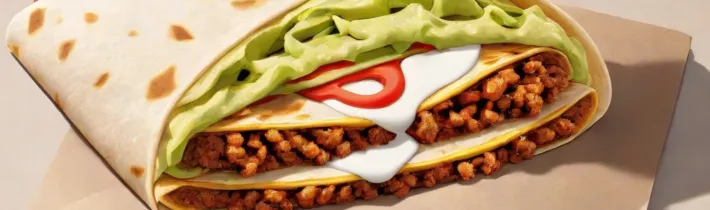
For many people transitioning to a plant-based lifestyle, the hardest things to leave behind aren’t the gourmet steaks or fancy cheeses, but the nostalgic, late-night comfort of fast food. The Crunchwrap Supreme from Taco Bell is perhaps the most iconic of these cravings—a hexagonal marvel of engineering that combines a soft flour tortilla, a crunchy tostada shell, seasoned meat, gooey cheese, and fresh vegetables. However, once you understand the components of this cult favorite, you realize that you don’t need a drive-thru to satisfy the itch. In fact, by using whole-food, plant-based ingredients, you can create a version that is significantly more flavorful, nutrient-dense, and satisfying than the original.
This vegan crunchwrap recipe isn’t just a substitute; it is an upgrade. By replacing processed mystery meats with a savory lentil and walnut blend, and swapping plastic-like cheese sauce for a rich, tangy cashew queso, you elevate the dish from a guilty pleasure to a culinary triumph. Whether you are a lifelong vegan, a participant in Meatless Monday, or simply someone looking to incorporate more vegetables into your diet, this recipe provides a blueprint for a meal that feels indulgent while fueling your body with fiber, healthy fats, and plant-based protein.
The Anatomy of the Ultimate Vegan Crunchwrap
To recreate the magic of the crunchwrap, we must first deconstruct its architecture. The genius of this dish lies in its textures. You have the soft, chewy exterior of the large flour tortilla, the structural snap of the inner tostada, the creamy richness of the sauces, and the crisp bite of shredded lettuce and tomatoes. When building your vegan version, maintaining these distinct layers is essential for the authentic experience.
The foundation is the extra-large flour tortilla. It needs to be pliable enough to fold without cracking, which is why warming it slightly before assembly is a non-negotiable step. Next comes the protein layer, followed by the liquid gold—our vegan queso. Then, the central divider: the tostada shell. On top of the tostada, we layer the cold elements: vegan sour cream, shredded lettuce, and diced tomatoes. Finally, a smaller flour tortilla circle (or a piece of a larger one) is placed on top to bridge the gap before the final folding process. This layering ensures that the hot and cold ingredients remain somewhat separated, preserving the integrity of the crunch.
Crafting the Savory Lentil-Walnut Filling
The heart of the crunchwrap is the seasoned “meat.” While store-bought plant-based crumbles are an option, a homemade blend of lentils and walnuts offers a superior texture and a more complex flavor profile. Lentils provide a soft, earthy base that mimics the consistency of ground beef, while toasted walnuts add a necessary healthy fat and a slight “bite” that keeps the filling from feeling mushy.
To prepare this filling, start by sautéing finely diced onions and garlic until translucent. Add cooked brown or green lentils (avoid red lentils as they break down too much) and finely chopped walnuts. The seasoning is where the magic happens. Use a robust blend of smoked paprika, ground cumin, chili powder, onion powder, and a touch of soy sauce or tamari for umami. A splash of vegetable broth helps the flavors meld and keeps the mixture moist. Cook it down until the liquid has evaporated and the walnuts have slightly softened. This mixture is high in protein and fiber, making your crunchwrap much more filling than the fast-food version.
Mastering the Tostada: The Architecture of Crunch
While the existing recipe highlights the importance of the tostada shell, achieving a professional-grade crunch requires more than just pulling a pre-packaged shell from a box. The tostada serves as the structural spine of the Crunchwrap; if it fails, the entire experience becomes a soggy, disappointing mess. To elevate your home version, consider the benefits of frying your own shells. Store-bought shells are often thin and can shatter upon the first bite, leading to an internal collapse. By shallow-frying a standard corn tortilla in a high-smoke-point oil like avocado or grapeseed oil, you control the thickness and the level of bittiness. Heat about half an inch of oil in a small skillet to 350°F (175°C). Fry the tortilla for about 45 to 60 seconds per side until it is golden and the bubbling stops, which indicates the moisture has been cooked out.
For those looking for a healthier alternative without sacrificing the snap, the oven-baked method is surprisingly effective. Brush both sides of a corn tortilla with a light coating of lime juice and a sprinkle of sea salt. Bake at 400°F (200°C) on a wire rack for 8 to 10 minutes. The wire rack is the secret here; it allows hot air to circulate around the entire tortilla, preventing the dreaded soft center. If you want to push the boundaries of flavor, you can even use seasoned corn chips or a layer of thick-cut kettle chips as your crunch element. This adds an extra layer of salt and oil that mimics the decadent mouthfeel of traditional fast food while allowing for creative flavor pairings like salt and vinegar or spicy jalapeño.
Edge cases often involve the size of the tostada relative to the flour tortilla. A common mistake is using a tostada that is too large, which leaves no room for the flour tortilla to fold over the edges. If your corn tortillas are large, use a bowl as a template to trim them down by about an inch before frying. This creates a dedicated “buffer zone” of flour tortilla that ensures a tight, leak-proof seal during the searing process. Remember, the tostada isn’t just for texture; it acts as a moisture barrier between the hot, wet fillings like the lentil mix and the cold, crisp ingredients like the lettuce.
Advanced Folding Mechanics and the “Patch” Method
The most intimidating part of the Crunchwrap process is the hexagonal fold. Even with a large 12-inch tortilla, you may find that the edges do not quite meet in the center, exposing the tostada and the fillings. This is where the “patch” or “plug” method becomes indispensable. Before you begin assembly, cut a smaller circle (about 4 to 5 inches in diameter) out of an extra flour tortilla. Once you have layered your hot ingredients, placed the tostada, and added your cold toppings, place this small tortilla circle directly in the center on top of the lettuce. When you begin folding the edges of the large outer tortilla inward, they will overlap with this patch, creating a complete, reinforced seal that prevents any ingredients from escaping into the pan.
To achieve those iconic sharp pleats, use the “clock method.” Start at the 12 o’clock position, folding a section of the outer tortilla toward the center. Hold it down with one finger, then move to 2 o’clock and fold the next section, overlapping the first. Continue this around the circle at 4, 6, 8, and 10 o’clock. The key is to keep tension on the folds. If the tortilla feels stiff or begins to crack, it hasn’t been warmed sufficiently. A quick 15-second zap in the microwave under a damp paper towel or a few seconds on a dry griddle will make the gluten more pliable, allowing for a tight, professional fold.
Structural integrity also depends on the volume of the filling. It is tempting to overstuff the wrap, but this is the primary cause of the “center blowout.” Aim for approximately 1/3 cup of the lentil-walnut mixture and 2 tablespoons of queso. If the mound of filling is too high, the tostada will sit at an angle, making it impossible to fold the edges flat. A flat, even distribution of ingredients ensures that the Crunchwrap maintains its disc-like shape, which is essential for even browning during the searing phase.
Beyond the Border: Global Flavor Profiles and Fusion Fillings
While the classic seasoned lentil and walnut filling is a staple, the Crunchwrap format is a versatile vessel for global cuisines. Once you master the technique, you can swap the flavor profile entirely while keeping the structural principles the same. For a Mediterranean-inspired version, replace the lentil-walnut mix with a layer of warm, seasoned chickpeas or crumbled falafel. Instead of cashew queso, use a thick, garlicky hummus or a vegan tzatziki made from silken tofu and grated cucumber. The “crunch” layer can be a toasted pita chip, and the fresh layer can consist of a finely diced tomato, cucumber, and parsley salad (tabbouleh style) with a sprinkle of kalamata olives.
Another compelling variation is the Korean BBQ Crunchwrap. Use crumbled tempeh marinated in soy sauce, ginger, garlic, and toasted sesame oil as your base protein. For the creamy element, a spicy gochujang-infused vegan mayo works perfectly. Replace the tostada with a layer of fried wonton wrappers for a lighter, airier crunch. Instead of iceberg lettuce, use a quick-pickled kimchi slaw and shredded scallions. This fusion approach demonstrates that the Crunchwrap is less of a specific recipe and more of a culinary architecture that can accommodate a wide array of textures and flavors.
For those who crave heat, a Buffalo Chickpea version offers a tangy, spicy alternative. Smash chickpeas slightly and toss them in a mixture of cayenne pepper sauce and melted vegan butter. Use a vegan blue cheese dressing or a thick ranch made from soaked cashews as the cooling sauce. The crunch layer remains a corn tostada, but the fresh layer should include finely diced celery and shredded carrots to mimic the classic buffalo wing experience. These variations ensure that the vegan Crunchwrap remains a recurring favorite in your meal rotation without ever becoming repetitive.
Thermal Dynamics: Perfecting the Sear and Heat Distribution
The final sear is what transforms a folded tortilla into a Crunchwrap. This step is not just about aesthetics; it is about heat-sealing the folds and creating a structural crust. A heavy-bottomed skillet, such as a cast-iron pan, is the best tool for this job because it retains heat evenly and provides a superior crust. Pre-heat the pan over medium heat for at least three minutes before adding the wrap. You want a consistent, moderate heat; if the pan is too hot, the tortilla will burn before the internal ingredients (like the queso) have a chance to warm through and act as a glue.
Always place the Crunchwrap seam-side down first. This is critical. The heat causes the starches in the overlapping tortilla layers to fuse together, locking the shape in place. Use a light coating of oil or a quick spray of non-stick cooking oil to ensure even browning. For an even more professional result, use a “press.” You can use a dedicated grill press or simply place a second heavy skillet on top of the Crunchwrap as it cooks. This applies gentle, even pressure, ensuring that the entire surface area of the hexagon makes contact with the hot pan, resulting in a uniform, golden-brown finish.
The Secret to Liquid Gold: Homemade Vegan Queso
No crunchwrap is complete without a creamy, cheesy sauce. Traditional fast-food cheese is often a mix of oils and flavorings; our version uses the power of plants to achieve that iconic velvety texture. The most popular base for vegan queso is raw cashews. When soaked and blended, cashews create a neutral, incredibly creamy sauce that takes on other flavors beautifully.
To make the queso, blend soaked cashews with nutritional yeast (for that essential cheesy tang), lemon juice, salt, a pinch of turmeric for color, and a roasted red bell pepper or a spoonful of mild salsa. The red pepper provides that classic orange hue without artificial dyes. If you have a nut allergy, you can achieve a similar result using a base of boiled potatoes and carrots blended with the same seasonings. The key is to blend until the sauce is completely smooth—any graininess will detract from the experience. This sauce can be made in advance and stored in the fridge, though it may
Related posts:
 Magic Avocado Sauce Recipe
 Kayla Itsines’ Game-Changing Sweet Potato Enchilada Recipe That’ll Transform Your Kitchen
 Zoe Kravitz’s Coconut Oil Hair Care Secret
 Step Into Compassion: The Best Vegan Shoe Brands Making Waves
 Guilt-Free Cinnamon Roll Recipe
 Keto Mexican Night: Cauliflower Enchiladas That Actually Taste Amazing
 Make-Ahead Vegan Savory Breakfast Jars
 Beyond Breakfast: The Plant-Based Sausage That’s Changing the Morning Game