A TikTok Sensation that Brings People Together
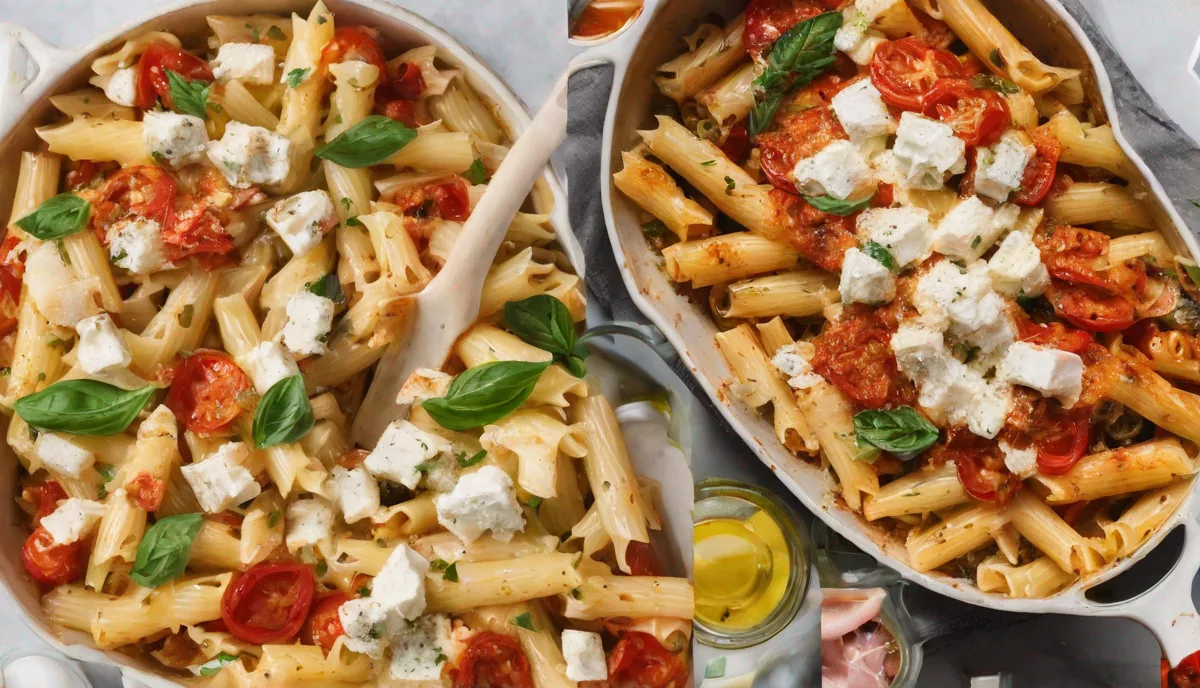
Baked feta pasta has recently gone viral on TikTok, capturing the hearts and tastebuds of millions. As many continue to stay home and cook during the pandemic, this recipe provides comfort through its warm, cheesy deliciousness. More importantly, it has sparked a sense of connection and joy by inspiring people to create videos trying the dish.
How This Trend Took Off
It all started in December 2020 when Finnish food blogger @liemessa posted an easy pasta video that transforms a block of feta cheese into a luscious, creamy sauce. People were instantly hooked by its simplicity and flavor. As the hashtag #bakedfetapasta took off, a community blossomed with over 130 million views and counting.
Bringing Out the Best in One Another
Baked feta pasta has sparked more than a viral food trend – it has revealed our shared love of comfort food. @liemessa’s initial success inspired others to be creative and spread positivity through their own videos. What began as strangers making the same dish has turned into an online support system. Whether celebrating successes or laughing over flops, TikTokers band together to spread lightheartedness during difficult times.
The Magic of This One-Pan Wonder
So what makes this pasta so special? It transforms humble ingredients into something decadent with little effort. The combination of tomato, garlic, pasta and creamy feta cheese is simple yet satisfying for the soul. Topped with fresh basil, this vegetarian one-pan meal feels cozy and nourishing. It also allows for easy customization based on what’s in your kitchen. The adaptability empowers home cooks of all levels to be part of the fun.
Bringing People to the Table
Baked feta pasta is a trend centered around warmth – from the melty cheese to the connections formed through cooking. It has provided comfort for many spending more time at home lately. But more importantly, it has brought strangers together through inspiring creativity, celebrating imperfections, and sharing advice. In divisive times, a humble pasta dish has reminded us how food can unite us all.
Mastering the Science of the Feta Emulsion
While the visual appeal of a bubbling block of cheese is what draws people in, the success of the dish relies on a specific chemical reaction: the emulsification of fat and acid. Feta is a high-moisture, high-acid cheese that does not melt in the traditional sense like mozzarella or cheddar. Instead, it softens and becomes spreadable. To achieve that signature silky sauce, you must balance the heavy fats of the cheese and olive oil with the liquid released by the bursting tomatoes. If the mixture appears broken or oily when you first take it out of the oven, don’t panic. This is where the “starchy water” technique becomes your most valuable tool.
Key takeaways
- Use a block of feta in brine rather than pre-crumbled varieties to ensure the cheese melts into a smooth, creamy sauce.
- Reserve starchy pasta water to emulsify the cheese and tomato juices, creating a cohesive, velvety sauce for your noodles.
- Maintain high oven heat (400°F) to break down feta proteins and prevent a rubbery texture.
- Fold in delicate greens like spinach or arugula after baking to preserve their color and nutritional integrity.
- Reheat leftovers in a skillet with a splash of liquid to re-emulsify the fats and restore a creamy consistency.
Before draining your pasta, reserve at least one full cup of the cooking water. This water contains dissolved starches that act as a binding agent. When added to the roasted feta and tomatoes, the starch helps the oil and cheese solids bond with the tomato juices, creating a cohesive sauce rather than a separated mess. Start by adding just a splash (about two tablespoons) and stirring vigorously. The mechanical action of stirring, combined with the heat and starch, will transform the chunky ingredients into a velvet-like coating for your noodles. If the sauce feels too thick or “clumpy,” continue adding pasta water one tablespoon at a time until the desired consistency is reached.
Another factor in the emulsion is the temperature of your ingredients. Adding cold pasta to the hot sauce can cause the fats in the feta to seize up, resulting in a grainy texture. To ensure a smooth result, time your pasta so it finishes cooking just as the feta comes out of the oven. If the pasta sits too long and cools down, give it a quick five-second dip in the boiling water to revive its heat before tossing it into the baking dish. This thermal equilibrium ensures the sauce clings to every ridge and crevice of the pasta shape.
Selecting the Ultimate Block: A Guide to Feta Varieties
Not all feta is created equal, and the type you choose will fundamentally change the flavor and texture of your meal. The original viral recipe works best with a whole block of feta rather than pre-crumbled varieties. Pre-crumbled feta is often coated in anti-caking agents like potato starch or cellulose, which prevent the cheese from melting together smoothly and can result in a gritty sauce. For the best results, look for feta sold in brine, as the liquid keeps the cheese moist and prevents it from developing a rubbery exterior during the high-heat roasting process.
When standing in the dairy aisle, you will likely encounter Greek, French, Bulgarian, and domestic (US-style) feta. Greek feta is the traditional choice, made from at least 70% sheep’s milk and up to 30% goat’s milk. It is tangy, sharp, and has a high fat content that yields a very creamy sauce. French feta, often made entirely from sheep’s milk, tends to be milder and creamier, making it an excellent choice for those who find traditional Greek feta too salty or pungent. Bulgarian feta is known for being the saltiest and firmest of the bunch; if you use this variety, you may want to soak the block in plain water for 10 minutes before baking to leach out some of the excess salt.
Domestic feta is frequently made from cow’s milk. While more accessible and affordable, it has a lower fat content and a more crumbly, dry texture. If you are using cow’s milk feta, you may need to increase the amount of olive oil by a tablespoon or two to compensate for the lack of natural milk fats. For a luxury version of the dish, seek out “PDO” (Protected Designation of Origin) Greek feta, which ensures the cheese was produced using traditional methods in specific regions of Greece, offering the most authentic flavor profile possible.
Beyond Cherry Tomatoes: Exploring Vegetable Pairings
While cherry and grape tomatoes are the gold standard due to their high sugar content and thin skins, they are not the only vegetables that can thrive in this roasting environment. To add complexity to your baked feta pasta, consider the “roasting timeline” of different vegetables. High-moisture vegetables like zucchini or sliced bell peppers can be added at the beginning of the bake. As they roast, they release juices that mingle with the feta, adding a sweet, earthy undertone to the sauce.
If you want to incorporate heartier vegetables like broccoli florets, cauliflower, or halved Brussels sprouts, you should toss them in olive oil and salt and place them in the pan alongside the tomatoes. These vegetables will caramelize at the edges, providing a smoky contrast to the creamy cheese. For a Mediterranean twist, try adding pitted Kalamata olives, artichoke hearts, or capers during the last 10 minutes of baking. These ingredients don’t need much time to heat through, and adding them too early can make the entire dish overly salty.
Leafy greens like spinach, kale, or arugula should never be baked with the cheese, as they will wither into nothingness or burn. Instead, fold them into the hot pasta and sauce immediately after the dish comes out of the oven. The residual heat from the feta and the pasta is enough to wilt the greens perfectly while preserving their vibrant color and nutritional integrity. This is also an excellent way to add volume to the meal without significantly increasing the calorie count.
Troubleshooting the Texture: From Grainy to Creamy
Even seasoned home cooks can run into issues with the texture of their baked feta. One of the most common complaints is that the feta remains in a solid block or becomes “rubbery” rather than melting. This is usually a result of the oven temperature being too low or the bake time being too short. Feta needs a high-heat environment (at least 400°F or 200°C) to break down its protein structure. If your oven runs cool, the tomatoes might burst while the cheese remains firm. In this case, switching the oven to the broiler setting for the final 2 to 3 minutes can provide the intense top-down heat needed to soften the core of the cheese block.
Another potential pitfall is an overly watery sauce. This often happens if you use large, watery tomatoes (like beefsteak or Roma) that haven’t been properly deseeded, or if you use frozen vegetables that release excess moisture. If you find your baking dish has a pool of thin liquid at the bottom, do not drain it. Instead, use a fork to mash only half of the tomatoes, then stir in the feta. The solids from the mashed tomatoes and the cheese will help thicken the liquid. If it’s still too thin, a small amount of freshly grated Parmesan cheese can act as a thickening agent, as the hard cheese absorbs moisture and adds a savory punch.
If your sauce turns out oily, it is likely because the olive oil and the fats from the cheese have separated. This is common with lower-quality feta or when too much oil is used. To fix a broken, oily sauce, add a teaspoon of heavy cream or a dollop of Greek yogurt. These dairy additions contain emulsifiers that can help pull the oil back into the sauce. Stir vigorously and immediately add the pasta to help the sauce bind to the noodles.
Elevating the Flavor Profile with Global Aromatics
The original recipe is a blank canvas that invites experimentation with aromatics and spices. While garlic and oregano are classic, you can take the dish in entirely different directions by swapping the spice profile. For a spicy Calabrian version, add a tablespoon of chopped Calabrian chiles in oil or a generous squeeze of Harissa paste to the tomatoes before baking. The heat of the peppers cuts through the richness of the feta, creating a more balanced and adult flavor profile.
To lean into a Middle Eastern inspired palate, replace the oregano with Za’atar or sumac. After the dish is finished, top it with toasted pine nuts and a drizzle of pomegranate molasses instead of fresh basil. This version pairs beautifully with a shorter, grain-like pasta or even pearl couscous. If you prefer an umami-forward dish, try roasting a few anchovy fillets or a spoonful of white miso paste alongside the garlic. These ingredients melt into the oil and provide a deep, savory foundation that enhances the saltiness of the feta without making it taste “fishy.”
Don’t overlook the power of citrus. Adding the zest of one lemon to the dish after it comes out of the oven can brighten the entire flavor profile. The acidity of the lemon zest provides a necessary counterpoint to the heavy fats. For an even deeper citrus note, you can place thin slices of lemon directly on top of the tomatoes and feta before roasting. The lemons will caramelize and soften, and you can either chop them up and mix them in or discard them after they have infused the oil with their essence.
The Boursin and Goat Cheese Alternatives
While feta is the star of the viral trend, the technique works remarkably well with other types of cheese, each offering a different culinary experience. One of the most popular variations involves using a wheel of Boursin (garlic and fine herbs flavor). Because Boursin is a soft, triple-cream cheese, it melts much more readily than feta. The result is a sauce that is significantly creamier and more uniform, almost like an Alfredo sauce but with the added brightness of roasted tomatoes. When using Boursin, you can reduce the bake time to 25-30 minutes, as the cheese doesn’t need as much heat to break down.
Goat cheese (chèvre) is another fantastic alternative. It provides a similar tang to feta but has a much smoother, more spreadable consistency when heated. A log of goat cheese roasted with tomatoes and honey creates a sophisticated sauce that is both sweet and savory. If you choose goat cheese, be aware that it can become quite soft and almost liquid if overcooked, so monitor it closely. For those who want a very mild, kid-friendly version, a block of cream cheese can be used, though it lacks the complex flavor profile of fermented cheeses like feta or goat cheese.
For a truly decadent experience, some home cooks have experimented with Camembert or Brie. When baking these bloomy-rind cheeses, it is often best to remove the top rind so the gooey interior can spill out and mix with the tomatoes. These cheeses create a much funkier, richer sauce that pairs better with crusty bread or heavy noodles like pappardelle. Regardless of the cheese you choose, the principle remains the same: use the roasted fat as the base for a sauce that coats your chosen starch.
The Low-Carb and High-Protein Evolution
As the baked feta trend evolved, it moved beyond traditional wheat-based pasta to accommodate various dietary needs. For a low-carb or keto-friendly version, the roasted feta and tomato mixture serves as an incredible topping for spaghetti squash or zucchini noodles (zoodles). If using zoodles, do not cook them in boiling water. Instead, toss the raw zucchini spirals directly into the hot baking dish with the feta and tomatoes. The heat from the sauce will soften the zucchini just enough to give it a “pasta-like” texture without making it watery or mushy.
To increase the protein content of the meal, many have turned to legume-based pastas made from chickpeas or red lentils. These pastas have a heartier, slightly nuttier flavor that stands up well to the bold taste of feta. Another high-protein option is to skip the pasta entirely and use the roasted feta and tomatoes as a sauce for roasted chicken breast or pan-seared salmon. Simply pour the bubbly cheese and tomato mixture over the cooked protein for a restaurant-quality meal that is naturally gluten-free.
For those following a vegan diet, the trend hasn’t left you behind. Several brands now produce high-quality vegan feta made from coconut oil and potato starch. While vegan feta doesn’t always melt with the same creaminess as dairy-based feta, it provides the same salty, tangy punch. To improve the texture of a vegan version, try adding a splash of unsweetened cashew milk or almond milk when mashing the cheese. This adds the necessary moisture to create a smooth sauce that mimics the original dairy experience. Top with nutritional yeast for an extra boost of cheesy flavor and B-vitamins.
Reheating and Repurposing for Meal Prep
Baked feta pasta is best enjoyed fresh, but it can be successfully stored and reheated if you follow a few simple rules. When the dish cools, the fats in the feta will solidify, which can make the leftovers look unappealingly dry or clumpy. To revive the sauce, avoid the microwave if possible. Instead, reheat the pasta in a small skillet over low heat. Add a splash of water, milk, or even a little more olive oil to the pan. As the cheese warms up, the added liquid will help re-emulsify the sauce, returning it to its original creamy state.
If you must use a microwave, do so in short 30-second bursts, stirring in between. Adding a damp paper towel over the bowl can help create steam, which prevents the cheese from becoming rubbery. If you find yourself with leftover sauce but no pasta, don’t let it go to waste. The cold feta and tomato mixture makes an incredible spread for sandwiches or wraps the next day. It is essentially a roasted tomato and feta dip that has thickened in the fridge.
Another creative way to repurpose leftovers is to turn them into a savory breakfast. Whisk a few eggs and pour them over the leftover pasta and sauce in a skillet, then bake until set to create a “viral pasta frittata.” The saltiness of the feta and the sweetness of the tomatoes provide all the seasoning you need for a gourmet brunch dish. You can also blend the leftovers into a smooth consistency and use it as a base for a creamy tomato soup, adding a bit of vegetable broth to reach your desired thickness. This versatility is part of why the recipe has maintained its popularity long after the initial TikTok craze subsided.
Frequently Asked Questions
What ingredients do I need for baked feta pasta?
You’ll need feta cheese, cherry or grape tomatoes, olive oil, garlic, dried oregano, red pepper flakes (optional), pasta and fresh basil. Adjust amounts based on servings.
What type of pasta works best?
Most viral recipes call for short, sturdy pastas that hold sauce well like penne, rigatoni or orecchiette. But you can use your favorite pasta – even gluten-free varieties.
How long should I bake the feta?
Bake at 400°F for 35-40 minutes, until feta is soft and tomatoes blister and burst. If feta isn’t fully melted, bake for 5-10 more minutes.
Can I prepare this dish in advance?
Yes! Assemble everything up until baking, cover and refrigerate unbaked up to overnight. Add 5-10 more minutes to the bake time.
What can I serve with baked feta pasta?
Top with fresh basil or parsley. Crumbled sausage or bacon make tasty additions. It’s also delicious with crusty garlic bread or a fresh arugula salad.
Related posts:
 Mermaid Baked Feta Pasta
 15-Minute Dairy-Free Dinner Ideas
 Beyond the TikTok Trend: Delicious Ways to Cook Baked Feta
 Magic Avocado Sauce Recipe
 Tomatoes as Sun Protection
 Keto Mexican Night: Cauliflower Enchiladas That Actually Taste Amazing
 Beyond Breakfast: The Plant-Based Sausage That’s Changing the Morning Game
 Vegetable-Rich Dinner Ideas