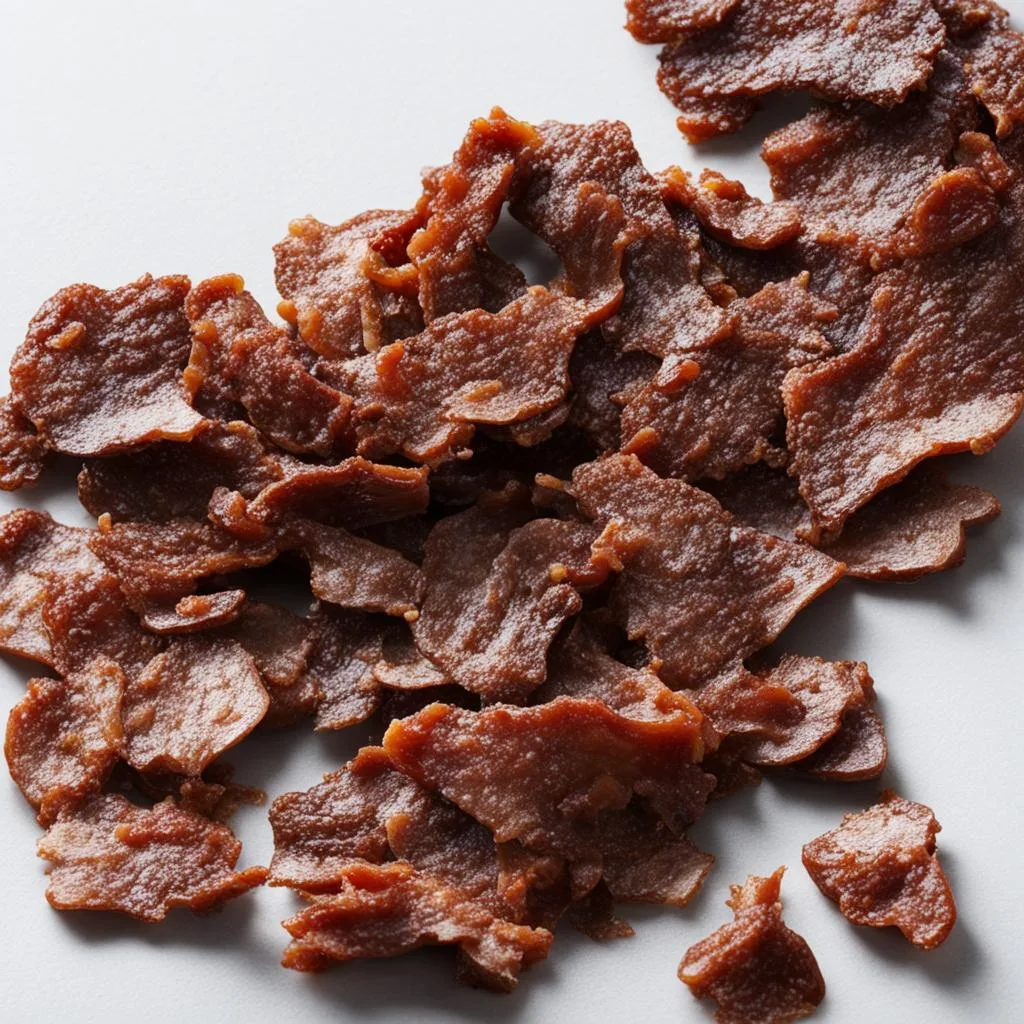
Are you looking for a savory snack that’s not only delicious but also packed with nutritional benefits? Look no further than the latest trend in healthful snacking: mushroom jerky. This zesty treat is taking the snack world by storm, offering a meat-free alternative that is both flavorful and nutritious.
What Makes Mushroom Jerky So Special?
Mushrooms are renowned for their health benefits, and when turned into jerky, they retain much of their nutritional value. Mushroom jerky is high in fiber, vitamins, minerals, and antioxidants, making it an excellent snack for those on the go. Plus, it’s a fantastic option for vegetarians and vegans seeking a protein-rich snack that satisfies the craving for something savory and chewy.
The Nutritional Powerhouse of Mushrooms
Mushrooms are a low-calorie food that packs a nutritional punch. They’re one of the few non-animal sources of vitamin D, which is crucial for bone health and immune function. They also contain B vitamins, selenium, potassium, and copper. With every bite of mushroom jerky, you’re treating your body to a host of nutrients that support overall health.
Zesty Flavors That Will Excite Your Palate
One of the best things about mushroom jerky is the variety of flavors available. From classic teriyaki to spicy chili, there’s a flavor profile to suit every palate. Brands are getting creative, using natural ingredients to enhance the umami taste of mushrooms, ensuring that you’ll never get bored with this snack.
How Is Mushroom Jerky Made?
The process of making mushroom jerky involves slicing mushrooms into thin pieces, marinating them in a blend of spices and sauces, and then drying them until they reach the perfect chewy texture. This method not only preserves the mushrooms’ inherent nutrients but also infuses them with delicious flavors.
Incorporating Mushroom Jerky Into Your Diet
Adding mushroom jerky to your diet is easy. It’s a versatile snack that can be enjoyed on its own, added to salads, or used as a topping for soups and stews. For those looking to reduce their meat consumption, mushroom jerky provides a satisfying alternative that’s better for the planet and your health.
Selecting the Optimal Fungi Varieties for Texture and Taste
Not all mushrooms are created equal when it comes to the dehydration process. For the most authentic, meaty chew, producers prioritize varieties with a dense, fibrous structure. King Oyster (Eryngii) mushrooms are the gold standard; their thick, sturdy stalks mimic the grain of muscle fiber almost perfectly once sliced and dried. Portobellos are the runner-up, offering a broad, earthy cap that absorbs marinades deeply, though they tend to be more fragile. Shiitakes provide a more intense, woodsy umami profile but require careful slicing to ensure they don’t become overly brittle. If you are experimenting with home batches, avoid delicate varieties like Enoki or Oyster mushrooms, as their high water content often leads to a gummy or papery texture rather than the satisfying resistance expected from jerky.
The Science of Umami: Crafting the Perfect Marinade
The secret to transforming a bland fungus into a zesty snack lies in the chemistry of the marinade. Mushrooms are natural umami sponges, meaning they excel at absorbing and amplifying savory notes. To achieve a depth of flavor that rivals traditional beef jerky, you must balance salt, acid, and sweetness. Soy sauce or liquid aminos provide the essential sodium base, while ingredients like apple cider vinegar or lime juice offer the ‘zesty’ brightness that cuts through the earthiness of the mushroom. For a deeper flavor profile, incorporate ingredients rich in glutamates—such as tomato paste, miso, or even a dash of nutritional yeast. The key is allowing the mushrooms to soak for at least four to six hours, ensuring the liquid permeates the cellular structure before the dehydration process begins.
Mastering the Dehydration Process for Longevity
The transition from raw mushroom to shelf-stable jerky is a delicate balancing act of temperature and time. If the temperature is too high, you risk scorching the sugars in your marinade, leading to a burnt, bitter taste. If the temperature is too low or the airflow is insufficient, you may leave enough moisture behind to invite bacterial growth. Aim for a consistent temperature between 135°F and 145°F (57°C to 63°C). The goal is to reach a ‘leathery’ state where the mushroom bends without snapping, but does not feel damp to the touch. Once finished, the jerky must be allowed to ‘condition’ for a few hours in a sealed bag to redistribute any residual moisture before final storage; this simple step prevents mold and extends the shelf life significantly.
Nutritional Synergy: Why Pair Mushroom Jerky with Healthy Fats?
While mushroom jerky is a fantastic low-calorie snack, it is inherently low in fat. To maximize the absorption of the fat-soluble vitamins found in mushrooms—specifically Vitamin D, which is essential for calcium metabolism—consider pairing your jerky with a small portion of healthy fats. Enjoying a handful of almonds, walnuts, or a slice of avocado alongside your jerky doesn’t just improve satiety; it turns the snack into a nutritionally complete fuel source. This synergy is particularly beneficial for active individuals who need sustained energy during long hikes or intense work sessions, as the fiber in the mushrooms slows digestion, while the added fats prevent the rapid blood sugar spikes sometimes associated with high-carb, low-fat snacking.
Navigating the World of Additives and Clean Labels
As the popularity of mushroom jerky grows, so does the prevalence of ultra-processed versions laden with artificial preservatives, high-fructose corn syrup, and excessive sodium. When shopping, it is vital to scrutinize the ingredient list for ‘hidden’ additives. Look for products that use natural sweeteners like maple syrup or monk fruit, and sea salt instead of refined table salt. Brands that prioritize organic, non-GMO, or wild-foraged mushrooms often produce a cleaner product with a more complex flavor profile. Furthermore, be wary of ‘natural flavors,’ which can be an umbrella term for chemical cocktails; opt for jerky where the flavor comes from identifiable sources like smoked paprika, garlic powder, ginger, or crushed chili flakes.
Culinary Applications Beyond the Snack Bag
Because mushroom jerky is essentially a concentrated flavor bomb, its utility extends far beyond a mid-afternoon snack. Finely diced, it serves as an exceptional ‘bacon bit’ alternative to sprinkle over creamy soups, baked potatoes, or grain bowls, adding a chewy, savory crunch without the saturated fat of pork. You can also rehydrate pieces in warm broth to create a quick, flavorful base for sauces or risottos, as the concentrated marinade will infuse the liquid with a rich, complex profile. For those who enjoy culinary experimentation, pulse the jerky in a food processor to create a ‘mushroom dust’ that can be used as a seasoning rub for tofu, tempeh, or even roasted vegetables, significantly elevating the umami profile of your plant-based meals.
FAQs About Mushroom Jerky
Is mushroom jerky a good source of protein?
Yes, mushrooms contain a decent amount of protein, making mushroom jerky a good plant-based protein source.
Can mushroom jerky be part of a weight management diet?
Definitely! Mushroom jerky is low in calories and high in fiber, which can help you feel full and manage your weight.
Is mushroom jerky suitable for people with dietary restrictions?
Most mushroom jerky products are gluten-free, soy-free, and nut-free, making them suitable for many people with dietary restrictions.
How long does mushroom jerky last?
When stored properly in an airtight container, mushroom jerky can last for several weeks.
Are there any allergens in mushroom jerky?
While mushrooms themselves are not common allergens, it’s important to check the label for other ingredients used in flavorings that might be allergenic.
Related posts:
 Vegetarian Main Dishes for Thanksgiving
 High-Protein Foods That Pack a Serious Nutritional Punch
 Starbucks’ Surprising Pepper Nitro Jerky
 Snow Mushroom Skin Benefits
 Um, Are We Calling Beef Jerky a Health Food Now?
 Managing Fiber Intake with IBS
 Fiber for Healthy Aging: Nourishing Your Body as You Grow Older
 Beyond Breakfast: The Plant-Based Sausage That’s Changing the Morning Game