
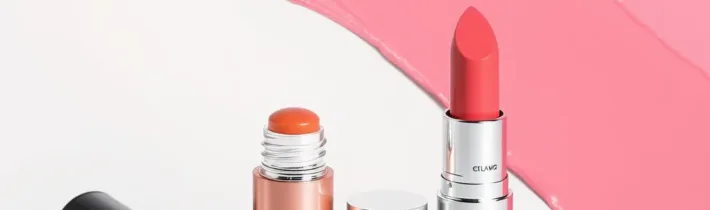
In the ever-evolving landscape of the beauty industry, trends often swing like a pendulum between high-glamour maximalism and stripped-back minimalism. We have moved away from the era of heavy, ultra-matte liquid lipsticks that defined the mid-2010s, transitioning into a space where comfort, hydration, and a “your lips but better” aesthetic reign supreme. Enter the tinted lip balm trend—a movement that has effectively bridged the gap between intensive skincare and effortless makeup. This shift is more than just a passing fad; it represents a broader cultural move toward authenticity and the prioritization of skin health over camouflage.
Today’s consumers are savvy. They no longer want to choose between a product that looks good and one that feels good. The rise of “skin-streaming” (simplifying skincare routines) and the “clean girl” aesthetic has paved the way for products that work double duty. Tinted lip balms offer the perfect solution: they provide the nourishing benefits of a traditional balm while delivering a sheer, buildable wash of color that enhances the natural lip tone without the maintenance of a traditional lipstick.
The Evolution of Lip Care: From Basic to Bespoke
To understand why tinted lip balms are currently dominating the market, we must look at where they started. For decades, lip balm was a purely functional product, often relegated to the checkout counter of drugstores. It was something you applied when your lips were already chapped, usually a waxy, medicinal-smelling stick. Color was the domain of lipsticks, which were often drying and required precision to apply.
The first major shift occurred with the introduction of flavored and slightly tinted balms geared toward teenagers. However, these lacked the sophisticated formulations required for mature skin or professional settings. The modern evolution of this category involves “hybrid beauty.” Chemists are now utilizing advanced delivery systems once reserved for high-end face serums—such as encapsulated hyaluronic acid and botanical stem cells—and infusing them into lip products. The result is a bespoke experience where the balm adapts to the wearer’s needs, providing a customized level of moisture and a tint that looks organic rather than painted on.
Why Tinted Lip Balms are the Ultimate Multi-Tasker
The primary appeal of the tinted lip balm lies in its versatility. In a world where we are increasingly busy, the ability to apply a product without a mirror is a significant advantage. Unlike a bold red lipstick, which requires a steady hand and often a lip liner, a tinted balm can be swiped on while walking to a meeting or sitting in traffic. It is the epitome of low-maintenance beauty.
Beyond ease of application, these products serve multiple roles in a makeup bag. A high-quality tinted balm can often be dabbed onto the apples of the cheeks for a cohesive, dewy flush, or even used on the eyelids for a monochromatic, glossy look. This multi-functional nature appeals to the minimalist consumer who wants to own fewer products but achieve more results. Furthermore, the sheer nature of the pigment means that one shade can look beautiful on a wide variety of skin tones, as the natural lip color shines through to create a unique, personalized hue.
Key Ingredients to Look For in a Quality Balm
Not all tinted balms are created equal. To truly benefit from this trend, it is essential to look beyond the packaging and scrutinize the ingredient list. The goal is to find a formula that provides long-term hydration rather than just a temporary coating of wax. The skin on our lips is significantly thinner than the skin on the rest of our face and lacks sebaceous glands, making it prone to trans-epidermal water loss.
- Humectants: Look for ingredients like Hyaluronic Acid and Glycerin. These molecules act like magnets, pulling moisture from the air into the skin.
- Emollients: Ingredients such as Squalane, Jojoba Oil, and Shea Butter help to soften the skin and fill in the tiny cracks on the lip surface, creating a smooth appearance.
- Occlusives: To prevent moisture from escaping, look for Beeswax (or Candelilla wax for vegan options) and Ceramides. These create a protective barrier against harsh environmental factors like wind and cold air.
- Antioxidants: Vitamin E and Green Tea extract help protect the delicate lip area from oxidative stress and UV damage.
- Peptides: Some modern balms include peptides to support collagen production, subtly plumping the lips over time without the stinging sensation of traditional plumpers.
How to Choose the Right Shade for Your Skin Tone
While the sheer nature of tinted balms makes them forgiving, choosing a shade that complements your undertone can elevate your look from “messy” to “polished.” Understanding whether you have cool, warm, or neutral undertones is the first step in finding your perfect match.
If you have cool undertones (veins look blue/purple), look for balms with berry, plum, or cool pink bases. These shades will brighten your complexion and make your teeth appear whiter. For those with warm undertones (veins look green), peach, coral, and warm terracotta shades are incredibly flattering, as they harmonize with the golden tones in your skin. If you are neutral, you have the flexibility to wear almost any shade, though “mauve-nude” tones often look particularly natural.
Another factor to consider is the level of pigment. Some balms offer a “whisper” of color, barely noticeable but providing a healthy glow. Others are “buildable,” meaning one swipe gives a sheer look, but three or four swipes mimic the opacity of a traditional lipstick. Consider your daily environment; a sheerer balm is excellent for the gym or grocery run, while a buildable version is better suited for the office or dinner dates.
The “Clean Girl” Aesthetic and the Rise of Effortless Beauty
The tinted lip balm trend is inextricably linked to the “clean girl” aesthetic that has dominated social media platforms like TikTok and Instagram. This aesthetic prioritizes glowing skin, slicked-back hair, and a “less is more” approach to makeup. It is an aspirational look that suggests the wearer is healthy, hydrated, and well-rested.
In this context, a heavy lipstick can feel out of place. A tinted balm, however, provides the “juicy” finish that is central to this look. It suggests a level of effortlessness—as if you just finished a workout or a spa treatment and your lips are naturally that flushed. This trend also reflects a deeper psychological shift. After years of global uncertainty, many people are moving away from the “mask” of heavy makeup and toward products that feel comforting and nurturing. There is a sense of self-compassion in choosing a product that treats the skin while enhancing it.
Application Tips for a Long-Lasting Glow
Because tinted balms are emollient-heavy, they don’t always have the staying power of a matte stain. However, with the right application techniques, you can maximize their longevity and finish.
- Exfoliate First: Color tends to cling to dry patches. Use a gentle sugar scrub or a damp washcloth to buff away dead skin cells once or twice a week. This ensures the tint lays evenly.
- The “Blot and Layer” Method: Apply one layer of balm, blot gently with a tissue, and then apply a second layer. This helps the pigment “sink in” while leaving the moisturizing oils on top.
- Use a Liner for Definition: If you want a more structured look, use a lip liner in a shade that matches your natural lip color. Outline the lips and lightly fill them in before applying the tinted balm over the top. This prevents the balm from feathering and provides a base for the color to grip.
- Temperature Matters: In the winter, your balm might be firm. Warm it up on the back of your hand before applying to ensure it glides on smoothly without tugging the delicate skin.
Sustainable and Ethical Choices in the Lip Market
As the tinted lip balm trend grows, so does the demand for sustainable options. The beauty industry has historically been a significant contributor to plastic waste, but many brands are now innovating with eco-friendly packaging. Look for balms housed in aluminum tubes, FSC-certified paper packaging, or refillable glass containers.
Ethical considerations also extend to ingredients. The sourcing of mica (for shimmer) and palm oil (for texture) has come under scrutiny. Many leading brands in the tinted balm space are now opting for synthetic mica or ethically sourced minerals and RSPO-certified palm oil. Furthermore, the “clean beauty” movement has pushed for the removal of parabens, phthalates, and petrolatum, favoring plant-based waxes and oils that are biodegradable and gentler on the planet. Choosing a balm that aligns with your values adds another layer of satisfaction to your self-care routine.
Comparing High-End vs. Drugstore Favorites
One of the best things about the tinted lip balm trend is that it is accessible at every price point. You do not need to spend forty dollars to get a great product, though luxury balms do offer certain perks. High-end balms often feature more sophisticated scent profiles (using natural essential oils rather than synthetic fragrances) and heavy, luxurious packaging that feels like a piece of jewelry in your purse. They may also use more expensive, rare botanical oils that offer a unique sensory experience.
On the other hand, drugstore brands have made incredible strides in formulation. Many affordable balms now feature high concentrations of hyaluronic acid and provide impressive color payoff. The main difference is often found in the “texture” and the “wear-down.” A luxury balm might wear off evenly, leaving a soft stain, while a cheaper version might require more frequent reapplication. Ultimately, the best choice depends on your budget and how much you value the ritualistic aspect of beauty.
DIY Tinted Lip Balm: A Simple At-Home Recipe
If you enjoy a hands-on approach to beauty or want to customize your perfect shade, making your own tinted lip balm is surprisingly simple. This allows you to control every ingredient and avoid any potential allergens.
Ingredients:
- 1 tablespoon Beeswax pellets (or Candelilla wax for a vegan version)
- 1 tablespoon Shea Butter or Cocoa Butter
- 2 tablespoons Coconut Oil or Jojoba Oil
- A small piece of your favorite lipstick (for color) or 1/4 teaspoon of beetroot powder (for a natural pink tint)
- 2 drops of Vitamin E oil (acts as a natural preservative)
- Optional: 1-2 drops of Peppermint or Vanilla essential oil
Instructions:
1. In a double boiler (or a glass bowl over a pot of simmering water), melt the beeswax, butter, and carrier oil together until liquid.
2. Stir in the lipstick scrap or beetroot powder until the color is uniform. Adjust the amount based on how much tint you desire.
3. Remove from heat and stir in the Vitamin E and essential oils.
4. Carefully pour the liquid into small tins or empty lip balm tubes.
5. Let the mixture sit undisturbed for at least two hours until completely firm. Store in a cool, dry place.
Seasonal Dynamics: Adapting Your Lip Care to the Calendar
While the convenience of a tinted lip balm remains constant, the physiological needs of your lips shift dramatically with the seasons. During the winter months, the primary challenge is low humidity and biting winds, which strip the lips of their natural lipids. In this environment, a standard sheer balm may not provide enough occlusive protection. To adapt, look for “balm-in-oil” formulations. These products utilize a higher concentration of heavy-duty fats like avocado oil or lanolin, which create a thicker physical barrier. From a color perspective, winter skin often appears more muted or sallow due to lack of sun exposure. Transitioning to deeper berry or cool-toned mauve tints can provide a necessary contrast that makes the complexion appear more vibrant and awake in the harsh, blue-toned light of winter.
Conversely, summer demands a pivot toward lightweight, breathable textures and high-impact protection. Heat can cause heavier waxes to feel “suffocating” or lead to comedogenic issues around the lip line. Summer-friendly tinted balms often utilize “water-gel” technology, where moisture is encapsulated in a matrix that feels cooling upon application. This is also the season to prioritize bright corals, peaches, and warm reds that harmonize with the golden hour light. Crucially, the “bleeding” effect—where heat causes the balm to migrate into fine lines—is more prevalent in summer. To combat this, look for balms that contain a small amount of silica or kaolin clay; these ingredients help the pigment “grip” the lips without sacrificing the dewy finish that makes this trend so popular.
The Science of pH-Reactive Pigments: Why “Your Pink” is Unique
One of the most fascinating sub-sectors of the tinted lip balm trend is the rise of pH-reactive or “color-changing” formulas. These products often appear clear, green, or even black in the tube but transform into a personalized shade of pink or plum upon contact with the skin. This isn’t magic; it is a specific chemical reaction involving a dye known as Red 27. This dye is colorless when dissolved in a waterless base (like a wax-based balm) but reacts to moisture and pH levels when applied. Because every individual has a slightly different skin pH and moisture level—influenced by everything from diet to the time of the month—the resulting tint is truly bespoke.
However, there are edge cases to consider with pH-reactive balms. For instance, if you have recently used an acidic lip scrub or a chemical exfoliant near the mouth, the balm may turn a much more intense, almost neon shade of fuchsia. Similarly, if your lips are extremely dry, the pigment may not distribute evenly, leading to a patchy stain. The benefit of these formulas is their incredible longevity; because Red 27 acts more like a stain than a topical pigment, the color often persists long after the moisturizing oils have worn off. This makes them the ideal choice for long events where you want a “flushed” look that requires zero touch-ups, though it is wise to layer a clear, non-reactive balm over the top if you find the stain becomes too dry toward the end of the day.
Strategic Layering: The “Lip Sandwich” and Other Pro Techniques
For beauty enthusiasts who aren’t ready to give up their traditional lipsticks entirely, the tinted balm serves as a powerful utility tool for layering. A technique gaining traction among professional makeup artists is the “Lip Sandwich.” This involves applying a thin layer of clear balm, followed by a highly pigmented matte lipstick, and finishing with a sheer tinted balm in a complementary shade. This method solves the perennial problem of matte lipsticks feeling uncomfortable or looking “cracked” by midday. The initial layer of balm hydrates the skin, while the top layer of tinted balm adds a dimensional glow and prevents the matte pigment from drying out.
Another advanced technique is the “watercolor lip,” which utilizes the sheer nature of the balm to create a soft, blurred edge. Instead of applying the balm directly from the tube, dab it onto the center of the lips with a finger and blend outward. Then, take a slightly darker tinted balm and concentrate it only on the inner “mush” of the lips. This creates a gradient effect that mimics the natural distribution of blood flow, resulting in a look that is youthful and incredibly natural. For those with naturally dark or pigmented lips, layering a beige-toned tinted balm over a brighter stain can help “neutralize” the brightness, creating a sophisticated, muted tone that is difficult to find in a single product.
The Lip Microbiome and the Frontier of Fermented Ingredients
As we move deeper into the era of “skin-first” makeup, the focus is shifting from simple hydration to the health of the lip microbiome. Much like the rest of our skin, the lips host a delicate balance of bacteria that protect against pathogens and inflammation. Modern tinted balms are beginning to incorporate prebiotics (like alpha-glucan oligosaccharide) and fermented botanical oils to support this ecosystem. Fermentation breaks down the molecular structure of oils—such as camellia or olive oil—making them smaller and more bioavailable. This means the balm doesn’t just sit on top of the lips; it penetrates deeper into the stratum corneum to deliver nutrients.
This is particularly relevant for individuals who suffer from chronic lip sensitivity or angular cheilitis (cracking at the corners of the mouth). Traditional balms with heavy fragrances or synthetic dyes can disrupt the microbiome, leading to a cycle of dryness and irritation. By choosing balms infused with fermented extracts and probiotic derivatives, you are actively strengthening the skin barrier. These next-gen balms often have a unique texture—silky rather than waxy—and provide a “lit-from-within” glow that traditional pigments cannot replicate. When shopping for these products, look for “Lactobacillus ferment” or “Saccharomyces” on the ingredient list to ensure you are getting the benefits of this advanced biotechnology.
Tinted Balms for the Professional Environment and Digital Presence
The shift toward remote work and high-definition video conferencing has changed how we perceive makeup. On a Zoom or Teams call, heavy lipsticks can often look harsh or “bleed” on camera, while a completely bare lip can make the wearer look washed out under fluorescent or LED ring lighting. The tinted lip balm has emerged as the gold standard for the “digital professional” look. Because these balms have a reflective quality, they catch the light in a way that makes the lips look fuller and more three-dimensional on screen, without the “overdone” feel of a high-shine gloss.
In a physical office setting, the tinted balm offers a strategic advantage: it wears down gracefully. One of the biggest anxieties of wearing a bold lip color in a professional environment is the “ring” effect that occurs after drinking coffee or eating lunch. A tinted balm, by contrast, fades evenly. Even as the shine diminishes, a soft stain remains, ensuring you never look unpolished. For those in more conservative corporate roles, choosing a “brown-nude” or “toasted almond” tint provides just enough definition to look intentional and authoritative while maintaining the approachability that defines modern leadership aesthetics.
Restorative Care for the Mature Lip: Beyond Surface Hydration
As we age, the lips undergo specific structural changes: the vermillion border (the line between the lip and the skin) becomes less defined, and vertical “barcode” lines begin to appear. Traditional lipsticks are notorious for migrating into these lines, which can emphasize the very features many people wish to soften. Tinted lip balms are an ideal solution for mature skin because their emollient nature allows them to fill in these fine lines rather than settling into them. Many formulas now include swertia chirata extract or specialized peptides that specifically target the loss of volume and definition.
To maximize the benefits for mature lips, look for balms that offer a “satin-blur” finish. These products contain light-diffusing particles that visually smooth the surface of the lip, acting almost like a soft-focus filter. Additionally, as the natural pigment in our lips tends to fade over time, choosing a balm with a slightly more vibrant tint—like a warm rose or a soft terracotta—can restore a youthful “flush” to the face. It is also worth noting that mature skin is thinner and more prone to bruising and sun damage; therefore, a tinted balm with a high SPF (30 or higher) and antioxidant-rich oils like pomegranate or raspberry seed is not just a beauty choice, but a necessary part of a preventative aging routine.
The Universal Appeal: Tinted Balms as a Tool for Gender-Neutral Grooming
The beauty industry is currently witnessing a significant de-gendering of products, and tinted lip balms are at the forefront of this movement. For men or non-binary individuals who want to enhance their appearance without the obvious look of “makeup,” a tinted balm is the perfect entry point. The goal in gender-neutral grooming is often to achieve a look of “peak health”—lips that look hydrated and naturally well-circulated rather than painted. Shades that lean toward sheer brick, tawny brown, or muted plum are particularly effective here, as they mimic the natural tones of the lip’s mucous membrane.
This trend also addresses the practicalities of male grooming, where traditional lipsticks might feel too heavy or feminine. A matte-finish tinted balm provides the color correction necessary to even out blue or pale undertones in the lips while maintaining a texture that looks like skin. This is particularly useful for public speakers, actors, or anyone who spends time in the public eye and wants to avoid the “washed out” look of bright stage lights. By framing the product as a “grooming balm” rather than a “lip tint,” brands are successfully expanding the demographic, proving that the desire for healthy, vibrant-looking lips is a universal human interest rather than a gender-specific one.
FAQ
1. Can tinted lip balms replace my overnight lip mask?
Generally, no. While tinted balms are moisturizing, they are designed for daytime wear and contain pigments that aren’t necessary for sleep. Overnight masks are usually thicker and more occlusive, designed to stay on the lips for 8+ hours to repair the skin barrier while you sleep. Use your tinted balm for a daytime glow and stick to a dedicated treatment at night.
2. Do tinted lip balms provide sun protection?
Some do, but not all. It is crucial to check the packaging for an SPF rating. Because the lips have very little melanin, they are highly susceptible to sun damage and even skin cancer. If your favorite tinted balm doesn’t have SPF, consider layering it over a clear SPF lip base or choosing a brand that specifically includes zinc oxide or chemical filters.
3. Why does my tinted lip balm sometimes make my lips feel drier?
This can happen if the balm contains high amounts of menthol, camphor, or certain synthetic fragrances which can be irritating. Additionally, if a balm is purely occlusive (like plain petrolatum) without any humectants, it might trap dryness in rather than adding moisture. Look for formulas that balance “water-attracting” ingredients with “barrier-sealing” ingredients.
4. Are tinted lip balms suitable for people with sensitive skin or eczema?
Yes, but you should be cautious. People with sensitive skin should look for fragrance-free and hypoallergenic formulas. Avoid ingredients like lanolin if you have a known sensitivity to it. Mineral-tinted balms (using iron oxides) are generally less irritating than those using synthetic D&C dyes.
5. How long do tinted lip balms typically last before they expire?
Most lip balms have a shelf life of 6 to 12 months. Because they contain oils and butters, they can go rancid over time. If the smell changes, the texture becomes gritty, or the color shifts, it’s time to toss it. To extend the life of your balm, keep it out of direct sunlight and avoid leaving it in a hot car, which can cause the ingredients to separate.
Related posts:
 Foundation’s Impact on Skin
 Buxom Power-Full Plump Lip Balm
 The Slow Beauty Movement’s Secret Hydration Recipes
 Professional Tricks to Make Your Lipstick Last All Day
 Top Lip Balms with SPF Protection
 How to Make Lip Stains Work Under Masks
 The Key Differences Between Serums, Oils, Moisturizers, and Balms
 The Makeup Tricks That Will Change Your Entire Face