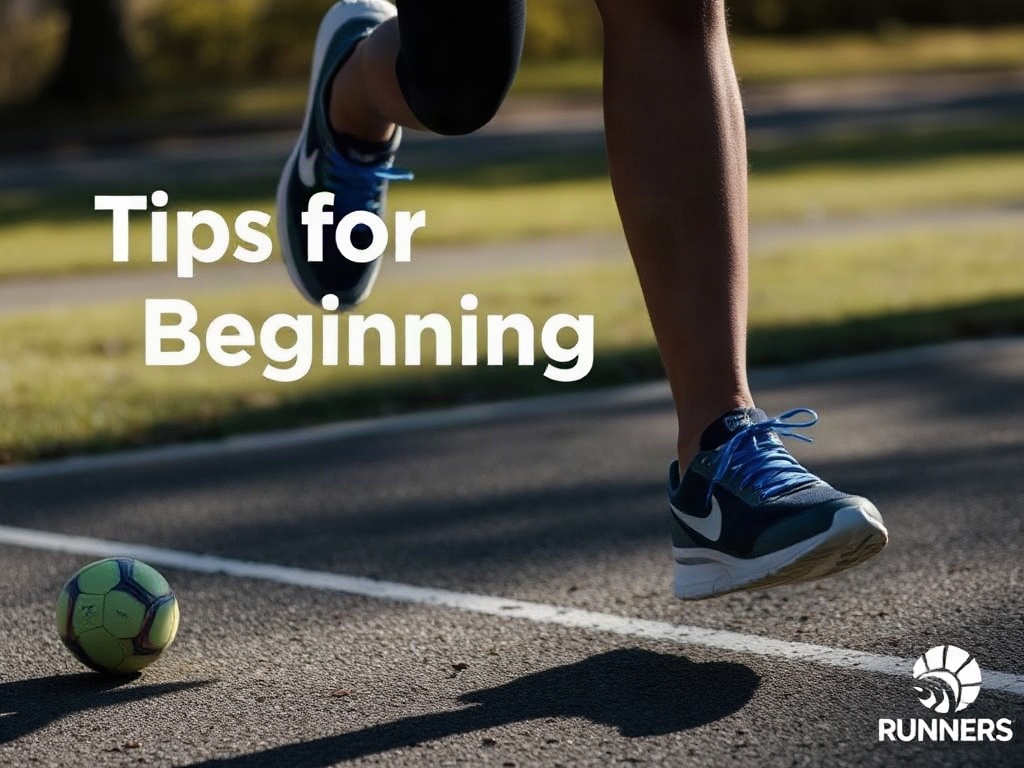
Starting a running practice can feel overwhelming, especially when you’re unsure where to begin or how to avoid common pitfalls. Whether you’re lacing up your shoes for the first time in years or have never considered yourself a runner, the good news is that running is one of the most accessible forms of exercise. It requires minimal equipment, can be done almost anywhere, and offers both physical and mental health benefits. This guide will walk you through practical, research-backed strategies to help you build a sustainable running habit that works for your body and lifestyle.
Start With the Right Mindset and Realistic Expectations
Before you take your first step, it’s important to understand that becoming a runner is a gradual process. Many beginners make the mistake of doing too much too soon, which often leads to burnout or injury. Your initial goal shouldn’t be to run a marathon or match the pace of experienced runners in your neighborhood. Instead, focus on building consistency and allowing your body to adapt to this new activity.
Set small, achievable goals such as running for 20 minutes three times a week, or completing a specific beginner program like Couch to 5K. Celebrate these milestones rather than comparing yourself to others. Remember that every experienced runner started exactly where you are now. Some days will feel easier than others, and that’s completely normal. Progress isn’t always linear, and giving yourself permission to have off days will help you stick with it long-term.
It’s also helpful to identify your “why.” Are you running to improve your cardiovascular health, manage stress, lose weight, or simply enjoy time outdoors? Having a clear purpose will motivate you on days when getting out the door feels difficult. Write down your reasons and revisit them regularly, especially during challenging weeks.
Invest in Proper Running Shoes
While running doesn’t require much equipment, one investment that truly matters is a good pair of running shoes. The right shoes provide support, cushioning, and stability that protect your joints and reduce injury risk. Wearing old sneakers or shoes designed for other activities can lead to discomfort and potential problems like shin splints or plantar fasciitis.
Visit a specialty running store where staff can analyze your gait and foot structure. Many stores offer complimentary gait analysis, watching how you walk or run to determine whether you overpronate (roll inward), supinate (roll outward), or have a neutral stride. This information helps them recommend shoes that match your biomechanics.
Don’t be swayed by brand names or aesthetics alone. The best shoe is the one that fits your foot properly and feels comfortable. You should have about a thumb’s width of space between your longest toe and the end of the shoe, and the heel should fit snugly without slipping. Expect to replace your running shoes every 300-500 miles, or roughly every 4-6 months if you’re running regularly.
As for other gear, keep it simple at first. Comfortable, moisture-wicking clothing is helpful but not essential when you’re starting out. As you build your practice, you can gradually add items like a running watch, reflective gear for low-light conditions, or a hydration pack for longer runs.
Follow a Run-Walk Method
One of the most effective strategies for beginning runners is the run-walk method, which involves alternating between running and walking intervals. This approach allows you to gradually build endurance without overwhelming your cardiovascular system or musculoskeletal structure. It’s not a sign of weakness—many experienced runners use this method for long distances and recovery runs.
Start with something manageable, such as one minute of running followed by two minutes of walking, repeated for 20-30 minutes. As you grow stronger over several weeks, gradually increase the running intervals and decrease the walking portions. For example, progress to 90 seconds of running with 90 seconds of walking, then two minutes running with one minute walking, and so on.
The run-walk method offers several advantages. It reduces injury risk by limiting the continuous impact on your joints and muscles. It makes runs feel more achievable mentally, breaking the workout into manageable chunks. It also allows for better recovery between efforts, helping you complete longer distances than you might manage with continuous running.
Don’t rush this progression. Listen to your body and stay at each level until it feels comfortable before advancing. Some programs suggest spending one to two weeks at each interval ratio before moving to the next level. There’s no shame in repeating weeks or even stepping back if something feels too challenging.
Prioritize Form and Breathing
Good running form helps you run more efficiently and reduces injury risk. While everyone’s natural running style is slightly different, there are some general principles that benefit most runners. Keep your posture upright with a slight forward lean from your ankles, not your waist. Your head should be level, eyes looking forward rather than down at your feet.
Relax your shoulders and keep them down, away from your ears. Your arms should swing naturally at your sides with elbows bent at roughly 90 degrees, moving forward and back rather than across your body. Avoid clenching your fists; instead, imagine you’re holding a potato chip between your thumb and forefinger that you don’t want to crush.
Pay attention to your foot strike. While there’s debate about whether heel, midfoot, or forefoot striking is best, most experts agree that your foot should land beneath your body rather than far out in front. Overstriding—reaching too far forward with each step—creates a braking effect and increases impact stress on your joints. Aim for a cadence of about 170-180 steps per minute, which for most people naturally encourages a shorter, quicker stride.
Breathing properly is equally important. Many beginners hold their breath or breathe too shallowly. Focus on deep belly breathing, inhaling through your nose and mouth and exhaling fully. A common pattern is to breathe in for three steps and out for two, but find a rhythm that feels natural to you. If you’re gasping for air, you’re probably running too fast—slow down until you can maintain a conversational pace.
Build a Consistent Schedule
Consistency is more important than intensity when you’re beginning. Your body needs regular stimulus to adapt and grow stronger, but it also needs adequate rest between sessions. Most beginners do well starting with three runs per week on non-consecutive days, such as Monday, Wednesday, and Saturday. This schedule provides rest days in between, allowing your muscles, bones, and connective tissues to recover and rebuild.
Choose specific days and times that work with your lifestyle and commit to them as you would any important appointment. Morning runs work well for many people because they’re less likely to be derailed by daily demands and decision fatigue. However, if you’re not a morning person, there’s no rule that says you must run at dawn. The best time to run is the time you’ll actually do it.
Track your runs in a journal or app to monitor your progress and stay accountable. Note not just the distance and time, but also how you felt, weather conditions, and any discomfort. This record helps you identify patterns and celebrate improvements that might otherwise go unnoticed.
Be flexible when needed, but distinguish between legitimate reasons to skip a run and mere excuses. If you’re genuinely ill, extremely fatigued, or dealing with an injury, rest is appropriate. But if you’re just feeling unmotivated, remind yourself that you rarely regret a run once it’s done. Commit to getting dressed and going out the door; if you still want to stop after five minutes, you can, but chances are you’ll continue.
Incorporate Strength Training and Cross-Training
Running isn’t the only exercise you should be doing, especially as a beginner. Strength training builds muscle that supports your joints, improves running economy, and reduces injury risk. Focus on exercises that target your core, hips, and legs—areas that directly impact running performance and stability.
Incorporate bodyweight exercises like planks, bridges, squats, lunges, and clamshells two to three times per week on non-running days or after easy runs. You don’t need a gym membership or fancy equipment to see benefits. Even 15-20 minutes of focused strength work makes a difference. As you progress, you can add resistance bands or light weights.
Cross-training activities like cycling, swimming, or using an elliptical machine provide cardiovascular benefits without the repetitive impact of running. These activities can be done on rest days or substituted for a run when you need a break. They help maintain fitness while giving your running-specific muscles and joints a chance to recover.
Flexibility work through stretching or yoga supports mobility and can help prevent injury, though the research on static stretching before running is mixed. Many runners find dynamic stretches—like leg swings, walking lunges, and high knees—more beneficial as a warm-up. Save static stretching for after your run when muscles are warm, holding each stretch for 20-30 seconds without bouncing.
Listen to Your Body and Prevent Injury
Learning to distinguish between normal discomfort and pain that signals a problem is crucial for beginning runners. Some muscle soreness, especially in the first few weeks, is expected as your body adapts. This delayed onset muscle soreness typically appears 24-48 hours after exercise and feels like a general achiness that improves with movement.
However, sharp pain, pain that worsens during a run, or discomfort that persists beyond a few days warrants attention. Common beginner injuries include runner’s knee, shin splints, Achilles tendinitis, and plantar fasciitis. Most of these develop from doing too much too soon, wearing inappropriate shoes, or having muscular imbalances.
Follow the 10% rule as a general guideline: don’t increase your weekly mileage by more than 10% from one week to the next. This conservative approach gives your body time to adapt. Include easy weeks every three to four weeks where you reduce your mileage by 20-30% to allow for recovery and consolidation of fitness gains.
Warm up before each run with five minutes of walking or very light jogging. Cool down afterward with another five minutes of easy walking. If something starts to hurt during a run, stop or walk. Pushing through pain rarely helps and often makes things worse. Ice, rest, and anti-inflammatory medications can help with minor issues, but if pain persists for more than a few days, consult a healthcare provider or physical therapist who specializes in running injuries.
Find Community and Stay Motivated
While running is often a solitary activity, connecting with other runners can significantly boost your motivation and enjoyment. Look for local running clubs, many of which offer beginner-friendly group runs at various paces. Running stores often host free weekly runs that welcome all abilities. These groups provide built-in accountability, safety in numbers, and the chance to learn from more experienced runners.
Online communities can be equally supportive. Running forums, social media groups, and apps like Strava allow you to connect with runners worldwide, share your progress, and find encouragement. Many beginners find that posting about their runs or following others’ journeys helps them stay consistent.
Consider signing up for a future race, even if it’s months away. Having a specific goal on the calendar provides direction for your training and something to work toward. Start with a 5K, which is achievable for most beginners with 8-10 weeks of consistent training. The race environment—with its energy, support, and sense of accomplishment—can be incredibly motivating.
Mix up your routes to keep things interesting. Explore different neighborhoods, parks, or trails. Running the same loop repeatedly can become monotonous, so seek variety when possible. If you’re on a treadmill, try watching shows, listening to podcasts or audiobooks, or using pre-programmed workouts to break up the monotony.
Celebrate your progress in meaningful ways. Treat yourself to new running gear after hitting milestones, share your achievements with friends and family, or keep a visual record of your runs on a calendar. Remember that every run, no matter how short or slow, is an accomplishment worth recognizing.
Frequently Asked Questions
How long should I wait to run after eating?
This varies by individual and depends on what and how much you ate. Generally, wait 2-3 hours after a large meal, 1-2 hours after a small meal, and 30 minutes to an hour after a light snack. Your body needs time to begin digesting food, and running with a full stomach can cause cramping or discomfort. Experiment to find what works for you. Some runners tolerate food better than others, and you might find that certain foods sit better than others. Many runners who exercise early in the morning run on an empty stomach or after just a small snack like a banana or piece of toast.
Should I run if I’m sore from my last workout?
Mild muscle soreness (DOMS) is normal and generally safe to run through, especially if it improves once you’re warmed up. In fact, light activity can help reduce soreness by increasing blood flow to the muscles. However, if you’re experiencing significant pain, sharp discomfort, or soreness that worsens with activity, take a rest day or cross-train instead. Distinguish between the dull ache of worked muscles and the pain of potential injury. When in doubt, an extra rest day is better than risking an injury that could sideline you for weeks.
How do I know if I’m running too fast or too slow?
As a beginner, most of your runs should be at a conversational pace—slow enough that you could speak in complete sentences without gasping. This is slower than many new runners expect, but it’s the pace that builds your aerobic base safely and effectively. If you can only speak a few words at a time, you’re running too fast. There’s no such thing as “too slow” when you’re building endurance. Many beginners worry about their pace, but speed naturally improves as your fitness develops. Focus on completing your planned time or distance comfortably rather than chasing pace numbers.
What should I do if I need to take a break from running?
Life happens, and sometimes breaks from running are necessary due to illness, injury, travel, or other commitments. If you take a break of a week or less, you can typically resume where you left off. For breaks of 2-3 weeks, plan to ease back in at about 70% of your previous volume for the first week, then return to your normal routine. For longer breaks of a month or more, it’s safest to restart your program from an earlier point, perhaps halfway back through your progression. Don’t try to make up for lost time by running extra—that increases injury risk. Fitness returns more quickly than it was initially built, so you’ll catch up faster than you think.
Do I need to follow a specific diet as a beginning runner?
You don’t need a special diet to start running, but eating well supports your training and recovery. Focus on a balanced diet with adequate carbohydrates for energy, protein for muscle recovery, and healthy fats. Stay hydrated throughout the day, not just during runs. For runs under an hour, you typically don’t need special fuel or hydration beyond what you normally consume. As your mileage increases, you might need slightly more calories and carbohydrates to support your activity level, but drastic dietary changes aren’t necessary. Listen to your hunger cues and eat when you’re hungry. If you’re running to support weight loss goals, create a modest calorie deficit but avoid extreme restriction, which can undermine your training and recovery.
Related posts:
 Kelly Grant’s Energy-Boosting Running Tips
 PHA Bodyweight Workout: Efficient Fitness Anywhere, Anytime
 Savannah Guthrie’s Olympic Tennis Workout
 Post-Run Nutrition Guide
 The Complete Guide to Starting Your Running Journey
 Smart Shoe Shopping Tips Everyone Should Know
 Step Into Compassion: The Best Vegan Shoe Brands Making Waves
 Funny Running Stories About Runners’ Diarrhea