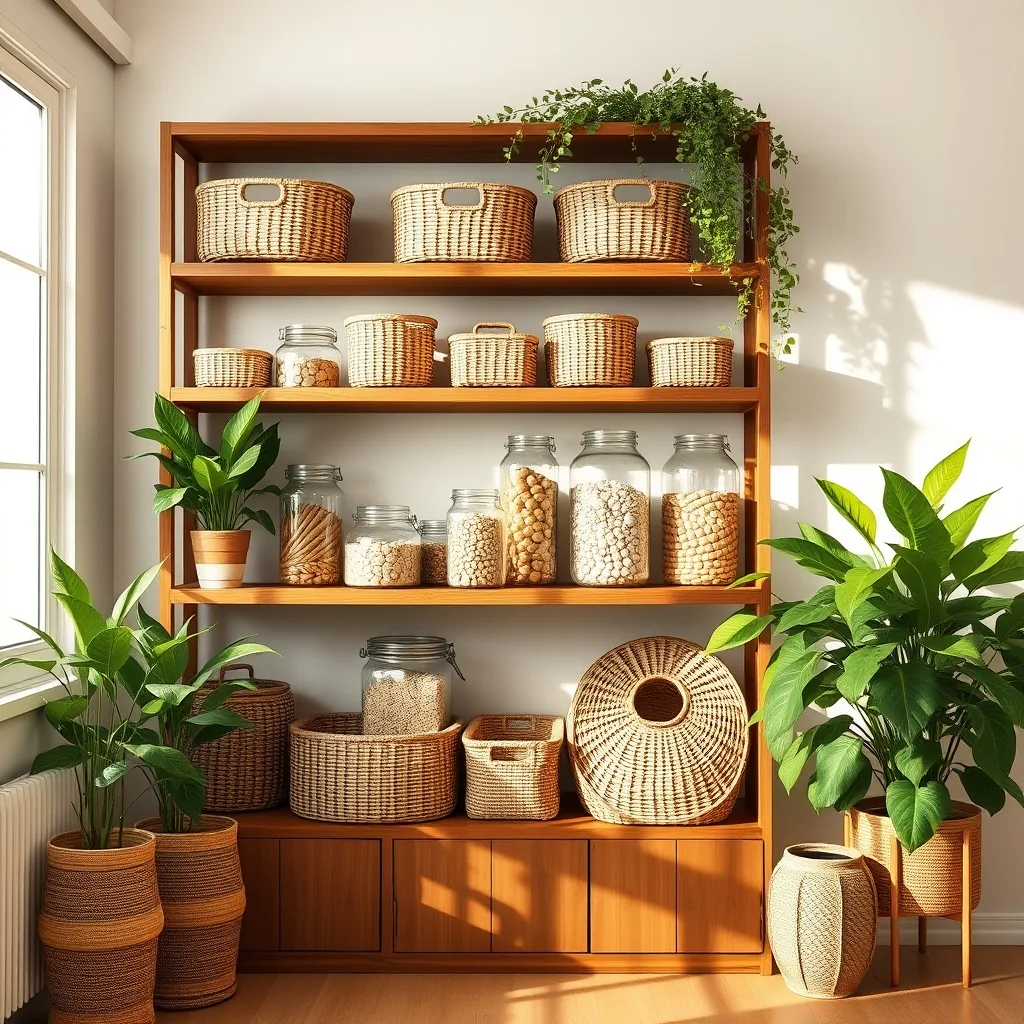
Sustainable home organization is about more than just clearing clutter; it is a philosophy that balances functional living with environmental stewardship. When we focus on organizing our homes through a sustainable lens, we stop viewing storage as a problem to be solved with plastic bins and instead look at how our consumption habits dictate the space we occupy. By choosing durable materials, embracing circularity, and simplifying our belongings, we create a sanctuary that supports both our mental well-being and the health of the planet.
Key takeaways
- Audit your existing belongings before purchasing new storage solutions to reduce unnecessary consumption.
- Prioritize natural, biodegradable, or reclaimed materials like wood, glass, and rattan over petroleum-based plastic bins.
- Maximize vertical and hidden storage space to avoid the need for buying additional furniture or containers.
- Implement simple, intuitive systems like clear labeling and grouping items by frequency of use to maintain order.
- Perform regular, small-scale seasonal resets rather than infrequent, overwhelming decluttering sessions.
The Philosophy of Mindful Acquisition
The first step toward a sustainable home is not to buy a new set of matching containers, but to audit what you already own. Mindful acquisition means shifting from a reactive mindset—where you buy a product to fix a perceived lack of space—to a proactive one. Before bringing anything new into your home, ask yourself if the item serves a specific, long-term purpose. When you commit to owning less, you naturally require fewer storage solutions. Start by identifying the areas of your home that feel the most chaotic; often, these are the zones where we have accumulated “just in case” items that go unused for years. By curating your possessions to include only what you truly love or use, you reduce the physical burden on your home and the environmental footprint of your lifestyle.
Prioritizing Natural and Reclaimed Materials
When you do need storage solutions, the materials you choose matter immensely. Plastic storage bins are often touted as the gold standard of organization, but they are derived from petroleum and are rarely recycled effectively. Instead, look for alternatives that are biodegradable, renewable, or reclaimed. Woven baskets made from seagrass, rattan, or bamboo are excellent choices because they are sturdy, aesthetically pleasing, and compostable at the end of their lifecycle. For sturdier needs, consider wooden crates, glass jars, or metal canisters. These items often last a lifetime and can be easily repurposed if your organizational needs change. If you are on a budget, look for second-hand storage solutions at thrift stores or online marketplaces; reusing an existing basket or shelf is the most sustainable choice you can make.
The Art of Vertical Storage and Multifunctional Furniture
Sustainability in the home often comes down to maximizing the utility of the square footage you already have. Rather than expanding your footprint, focus on vertical storage. Wall-mounted shelving, pegboards, and tall bookcases allow you to store items efficiently without taking up valuable floor space. Furthermore, invest in multifunctional furniture whenever possible. An ottoman with hidden storage, a bed frame with built-in drawers, or a side table that serves as a bookshelf can eliminate the need for extra plastic bins or standalone storage units. By optimizing the space you currently inhabit, you reduce the perceived need for “stuff,” which in turn simplifies your cleaning and maintenance routines.
Creating Systems That Last
An organizational system is only sustainable if it is maintainable. Many people fail at home organization because they create overly complex systems that require constant energy to uphold. Sustainable organization relies on simplicity. For example, use clear labeling for pantry items so that household members know exactly where things belong, reducing the likelihood of purchasing duplicates. Group items by frequency of use: keep high-traffic items at eye level and items used seasonally in higher or lower zones. When your system is intuitive, you spend less time searching for items and more time living. This efficiency reduces the stress of daily chores and prevents the “clutter creep” that happens when we don’t have a designated home for our belongings.
Circular Habits: Repair, Reuse, and Repurpose
A sustainable home is a circular one. Instead of discarding items that no longer serve their original purpose, look for ways to repurpose them. A glass pasta sauce jar becomes a perfect container for bulk spices or office supplies. An old wooden ladder can be transformed into a towel rack or a plant stand. If an item is broken, try to repair it before replacing it. Developing the skill of basic repair—sewing a button, tightening a hinge, or refinishing a wooden surface—extends the life of your possessions and keeps waste out of landfills. When you can no longer use an item, explore donation, repair cafes, or local recycling programs rather than simply tossing it in the trash.
Reducing Digital and Paper Clutter
Physical clutter is often a byproduct of digital or paper overload. Sustainable organization includes managing the data and documents that flow through your home. Transitioning to paperless billing and digital filing systems can significantly reduce the amount of physical paper entering your house. Use a dedicated space for incoming mail to sort it immediately, recycling junk mail before it even makes it to your kitchen counter. For digital files, practice regular “digital decluttering” by deleting unnecessary emails and organizing cloud storage. A clear digital space reduces anxiety and helps you stay focused, which translates to a more organized physical environment.
Teaching Sustainability to the Whole Family
Sustainable home organization is a team effort. If you are living with others, it is essential to involve everyone in the process. When children and partners understand the “why” behind your organizational choices, they are more likely to participate in maintaining them. Make it easy for others to do the right thing: place recycling bins in convenient locations, use clear, simple labels, and keep shared spaces free of excess. By modeling sustainable habits, you create a culture of mindfulness within your home. This collective effort not only makes the home more functional but also fosters a sense of shared responsibility for the environment.
Optimizing the “In-Between” Spaces for Low-Impact Storage
Many homes contain “dead zones” that are often overlooked, leading to the impulse to buy bulky furniture or plastic storage units. To truly practice sustainable organization, look at the architecture of your home before looking at a catalog. The space between the top of your kitchen cabinets and the ceiling, for instance, can be utilized for items you only need twice a year—holiday decor or specialty kitchen appliances—using existing baskets you may have tucked away in a garage. Similarly, the backs of interior doors are prime real estate for vertical storage that requires zero floor space. By installing over-the-door hooks or simple textile pockets, you can manage shoes, cleaning supplies, or pantry overflow without adding a single piece of new furniture to your home. This approach respects the existing footprint of your dwelling and prevents the environmental cost associated with manufacturing and shipping large storage items.
The Chemistry of Sustainable Maintenance
A home that is organized but toxic is not truly sustainable. When cleaning the surfaces you have just organized, reconsider the chemicals you use. Conventional cleaning sprays often come in single-use plastic bottles and contain volatile organic compounds (VOCs) that degrade indoor air quality. Transitioning to a “zero-waste” cleaning kit is a natural extension of an organized home. By keeping a few glass spray bottles on hand and using concentrated refills or simple ingredients like white vinegar, baking soda, and essential oils, you reduce plastic waste and keep your organizational zones safe. When you organize your cleaning closet, prioritize a small, refillable station rather than a shelf full of disparate, half-empty plastic bottles. This creates a streamlined, non-toxic environment that supports your health alongside your home’s order.
Navigating the “Bulk Buying” Paradox
Buying in bulk is a cornerstone of sustainable living, but it often conflicts with limited cabinet space, leading to the temptation to buy plastic bins to house the excess. The key to balancing bulk purchasing with organization is “inventory-based storage.” Rather than decanting everything into matching plastic containers, which requires buying new materials, use the original bulk containers whenever possible or repurpose glass jars from food purchases. Create a “first-in, first-out” system by placing your newest bulk items behind the older ones. By tracking your consumption rates, you can stop buying in bulk for items you don’t actually use quickly, which prevents the “back-of-the-pantry” graveyard of expired goods. This method saves money, reduces food waste, and eliminates the need for excessive storage containers.
The Role of Textile Management in Home Eco-Systems
Textiles—from bed linens and towels to seasonal clothing—take up significant physical volume and are notorious for being stored in plastic vacuum bags that eventually break and end up in landfills. A more sustainable approach is to utilize breathable, natural fiber storage. Use vintage wooden trunks, repurposed suitcases, or even simple cotton pillowcases to store off-season clothing. Unlike plastic, these materials allow natural fibers to breathe, preventing the mildew and odors that often lead people to discard clothes prematurely. Furthermore, when you organize your textiles, categorize them by function rather than just “stuffing them away.” By keeping a dedicated, labeled bin for rags (made from torn-up old t-shirts) separate from your good linens, you encourage the reuse of textiles for cleaning tasks, extending the lifecycle of your fabrics indefinitely.
Managing the “Gift and Hand-Me-Down” Cycle
A major contributor to household clutter is the influx of well-intentioned gifts or hand-me-downs that don’t fit our aesthetic or functional needs. To maintain a sustainable home, you must build a boundary around what enters your space. When you receive a gift that doesn’t serve a purpose, practice the “kind pass-along.” Immediately re-gift it to someone who needs it, donate it to a local shelter, or sell it on a local community marketplace. By normalizing the idea that an item’s purpose is fulfilled by finding it a home where it will actually be used, you prevent the guilt-driven hoarding of items. This practice keeps your home clear and ensures that resources are circulating within your community rather than stagnating in your closets, effectively turning your home into a temporary hub rather than a final destination for goods.
Sustainable Lighting and Energy Efficiency in Storage Areas
Organization isn’t just about where things go; it’s about how you interact with them. Many closets and deep pantries are dark, which leads to items getting “lost” and subsequently duplicated. Instead of just adding more storage, improve the visibility of your existing spaces. Installing motion-sensor, rechargeable LED lights in dark cabinets or under-the-stairs storage areas makes every inch of space accessible and usable. When you can see everything you own, you are far less likely to buy duplicates. This small, energy-efficient upgrade allows you to utilize existing shelves and drawers more effectively, negating the need to pull items out to look for them, which creates less wear and tear on your belongings and keeps your home running on minimal energy.
The Maintenance Mindset: Seasonal Resets
Sustainability is not a one-time project; it is a recurring rhythm. Rather than doing a massive, overwhelming declutter once a year, incorporate small, seasonal resets into your calendar. Every three months, take an hour to evaluate your storage systems. Are there items that have accumulated in your entryway that don’t belong? Are there pantry items nearing their expiration date? By performing regular, low-intensity maintenance, you prevent clutter from building up and ensure that your organizational systems remain relevant to your current life stage. This approach is much kinder to your mental health and prevents the exhaustion associated with massive, unsustainable cleaning binges.
Frequently Asked Questions
Q: Is it okay to keep plastic bins I already own?
A: Absolutely. The most sustainable item is the one you already have. Using what you already own is better than buying new “eco-friendly” products. Only replace your plastic bins if they are broken or no longer functional for your needs, and always try to recycle them through specialized programs if possible.
Q: How do I handle sentimental items that contribute to clutter?
A: Sentimental items are the hardest to organize. Try the “curated collection” approach: choose a designated box or shelf for your most precious mementos. If the collection grows beyond that space, it is time to photograph the items and donate or recycle the physical objects, keeping the memory without the physical weight.
Q: What is the best way to start if I feel overwhelmed by clutter?
A: Start small. Do not try to organize your entire house in a weekend. Pick one drawer or one shelf—a “micro-zone.” Successfully organizing a small space provides a quick win and the motivation to continue to the next area. Focus on progress, not perfection.
Q: How can I organize a small home without buying expensive storage furniture?
A: Focus on utility over aesthetics. Use items you already have, like shoeboxes for drawer dividers or old jars for pantry storage. Look for “dead space,” such as the area under the bed or the back of a closet door, and utilize it with hooks or tension rods. Creativity is often more effective than expensive store-bought solutions.
Q: How do I stop myself from buying more organizational supplies?
A: Implement a “waiting period.” If you find yourself in a store or browsing online for containers, force yourself to wait 48 hours before making the purchase. In most cases, you will realize that you can either manage without the item or find a way to repurpose something you already own, saving both money and resources.
Related posts:
 The Gross Truth About How Often You Should Really Clean Your Fridge
 How to Declutter Your Home Room by Room
 Decluttering Tips That Actually Make Life Easier
 Simple Methods to Reduce Household Waste
 Practical Methods for Reducing Household Waste
 White Sneaker Cleaning Hack
 Creating a Plastic-Free Home
 Simplify Organization in Your Home